Toyota's Prius hybrid has undoubtedly done more to raise awareness of green vehicles and improving fuel efficiency than any other single model on sale today.
First launched in the U.S. in 1999 and styled by a design team in California, the Prius name has since been applied to two further generations and by May 2008, over a million had been sold.
Click here for a full review of the 2014 Toyota Prius.
There's a wealth of information out there on it and our Ultimate Guide to the model should help you decide on whether it's the car for you.
For information on the Toyota Prius Plug-In Hybrid, please see our dedicated Ultimate Guide to the model. We also have a guide to the Toyota Prius V--the Prius wagon, and a guide for the Toyota Prius C hybrid subcompact. And if you head to page three of this guide, you'll find some information on the next-generation Toyota Prius--just how efficient can Toyota make its flagship?
Prius basics
There can't be many out there who don't know at least a little about what makes a Prius a Prius, but thankfully it's easy to understand the basics.
The 2014 Prius uses a 1.8-liter Atkinson-cycle four-cylinder gasoline engine. This, plus an electric motor/generator, puts power through a planetary gearset (which Toyota calls 'electronic Continuously Variable Transmission, or e-CVT) to the front wheels. Mechanically, it's simpler than it sounds and a factor in the Prius' excellent reliability record.
The Prius is no longer the most advanced hybrid vehicle on the road, but it still delivers the results: Official combined economy is an EPA-rated 50 mpg. In city driving that rises to 51 mpg, and drops to 48 mpg on the highway--though all this depends on your driving style and road conditions.
Prius pricing starts at $25,010, including Toyota's mandatory $810 destination charge.
Prius driving
So what's the world's most popular hybrid like to drive? Pretty good, as it turns out, provided you aren't a "sporty" driver. You can read about that in more detail by clicking on some of our drive reports below. Alternatively, scroll up the page a little to find a link to our full review of the car.
- Traveling With A 2010 Toyota Prius: The 8-Day Drive Report
- Toyota's 2010 Prius Gets Better Than Ever
- DailyTech Reviewer Spends Week With 2010 Toyota Prius, Loves It
- 2010 Toyota Prius: Reviewing the Reviews
- 2010 Toyota Prius Ride & Drive Review
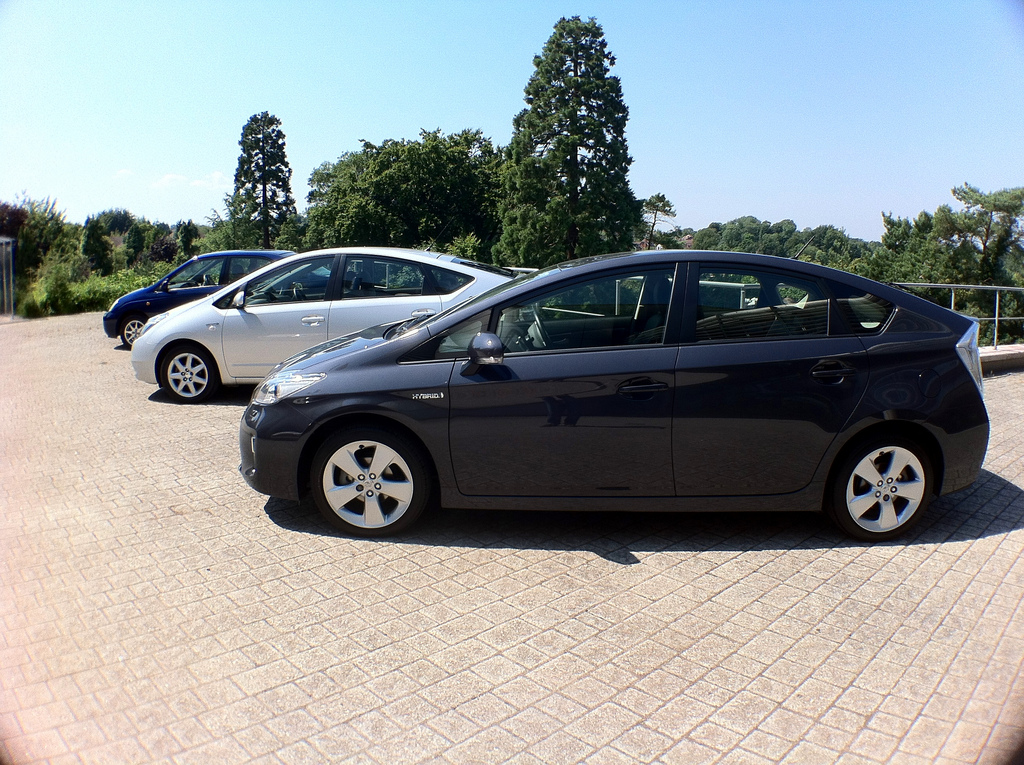
2012 Toyota Prius Plug-In Hybrid
Prius pricing and sales
The Prius has been on the market for quite a while now in its current guise. Details are starting to emerge of its successor, expected in 2015, but until then there's plenty of information available on the current car. You can follow its success too--with one million sales in the U.S, two million in total, three million, and then four million Toyota hybrids. When will five million appear? You have to expect it fairly soon!
- CA's Favorite Cars: Honda Civic For Retail Buyers, Prius Hybrid Overall (New!)
- Most Popular Car Line In California? The Toyota Prius Hybrid--Again
- Buying used: Buying A Used Toyota Prius Hybrid: 5 Quick Pieces Of Advice
- 2014 Toyota Prius Liftback Starts At $24,025, Same As Last Year
- 2014 Toyota Prius Plug-In Hybrid Price Cut By $2,000 To $4,600
- Toyota Prius Hybrid Tops 3 Million Global Sales
- Buying used: Is The 2001-2003 Toyota Prius A Good Used Car Buy?
- Hybrid Sales Soar So Far In 2013: Ford Rises, Prius Falls
- Toyota Prius Continues To Trounce Honda's Insight In Global Hybrid Sales
- California Is Unlike Anywhere Else: Toyota Prius Most Popular New Car
- 2013 Toyota Prius, Prius V, Prius Plug-in Hybrid Pricing Announced
- Toyota Prius Hybrid Family: Which Models Are Most Successful?
- Can You Buy A Used Toyota Prius Hybrid For Under $5,000?
- Where's The Cheapest Place To Buy A Toyota Prius In The U.S?
- Toyota Prius Hybrid Popular Among Very, Very Wealthy Americans
- Toyota Prius Popularity Continues To Soar, Boosting Hybrid Sales
- 2012 Toyota Prius: Most Researched Car By Green-Car Buyers
- Toyota Prius Becomes World’s Third Best-Selling Car Line
- Toyota Prius Hybrid Sales Soar For Second Month
- Want A Brand-New 5-Year-Old Toyota Prius Hybrid? Head For Miami
- Comparison: 2012 Toyota Prius Vs. 2012 Chevrolet Volt: Which Is Right For You?
- Toyota Prius Hybrid Demand Rises As Gas Heads Towards $5/Gallon
- Buying Used: Buying A Used Toyota Prius? Here’s What You Need To Know
- Toyota Adds Prius Plus Performance Package To Hot Up Hybrid Handling
- Reliability: Does The Toyota Prius Hybrid Hold Up? Consumer Reports: Yes
- Confirmed: Toyota Could Consider Prius-Based Pickup Truck
- Toyota Prius: 10 Years And 200 + Movies
- Low Theft Losses: Another Reason to Love Toyota Prius Hybrids

2010 Toyota Prius with 2009 model--can you spot the differences?
Prius safety and technology
Naturally, the modern Prius is a safe car. In fact, it got a top safety rating at launch in 2010, dropping one star from its total in 2013. It's also been embroiled in the odd legal battle since then (remember unintended acceleration?), but after a large recall and some further research, it turns out many of the problems were due to the nut behind the wheel.
It's a high-tech vehicle too, so we'll show you how it works here, and we can also illustrate Prius progress over a decade of the popular hybrid.
- Toyota Announces Recall For 2010-2014 Prius To Update Electronics
- 2014 Toyota Prius Safety Rating Lowered To Four Stars From Five
- Recall For Some 2010 Toyota Prius, Lexus HS 250h Models
- NHTSA To Probe 2004-2009 Toyota Prius For Steering Issue
- Battery costs: Replacing A 2001 Toyota Prius Battery Pack: What it Cost
- U.S. DoT Sued For Toyota Prius Unintended Acceleration Documents
- Life After Death: What Happens When Your Prius Battery Dies
- 2012 Toyota Prius, Prius V, Prius Plug-in Hybrid: Now With Spaceship Sound
- How Does A Hybrid Car Really Work? This Infographic Explains It
- 2001-2003 Toyota Prius Recall: Steering Nut On Early Hybrids
- Battery guide: The Ultimate Guide: Toyota Prius Battery Life, Cost, and Warranty
- What Are The Turning Radii Of The New Toyota Prii?
- Horrifying Web Advice & Why Prius Batteries Aren't That Mysterious
- Unintended Exhilaration : The Toyota Prius
- The Strange Saga of Sikes and His Suddenly Accelerating Prius
- 2004-2009 Toyota Prius Recall Will Reshape Accelerator Pedal
- Toyota Prius Recall Guide: Sudden Acceleration & Brake Safety
- Why the 2010 Toyota Prius Doesn't Have a Lithium-Ion Battery
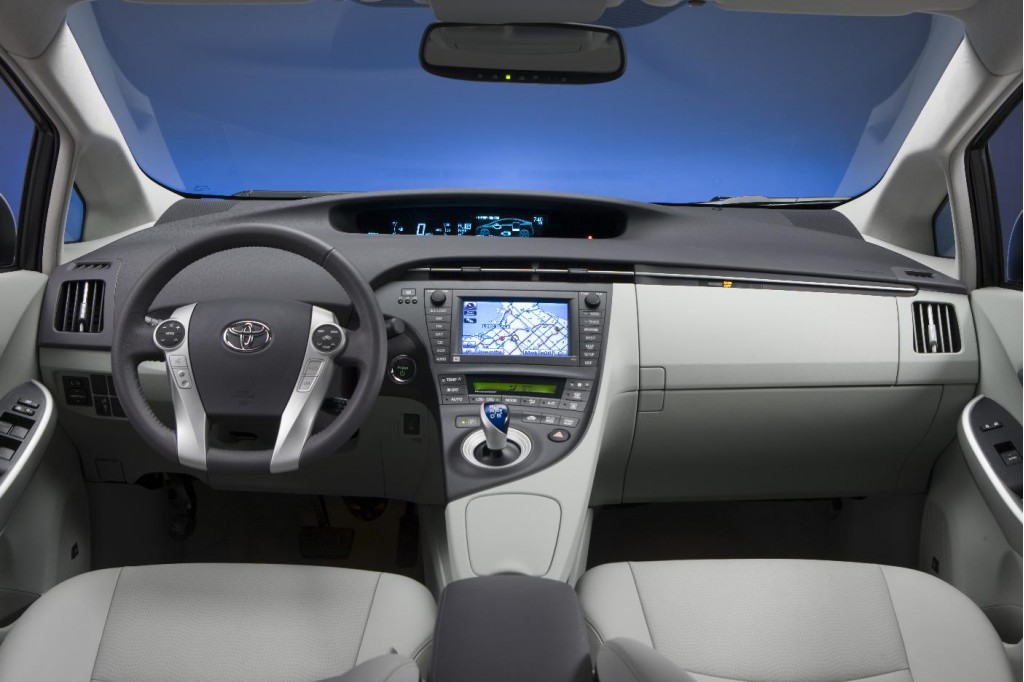
2010 Toyota Prius
Prius economy and efficiency
It goes without saying that the Prius is an efficient car--in fact, it's right up there among the best on sale. It may no longer be the most fuel-efficient, but with the Prius Plug-In on sale and a new model on the horizon for 2015, it'll still remain competitive.
- How Long Do Hybrid Cars Last: Which Will Make 150,000 Miles? (New!)
- Toyota Prius Vs. Ford C-Max Hybrid: Pros And Cons
- Prius Cup Takes To Formula 1 Track For High-MPG Racing
- Will Toyota Prius Hit Gas-Mileage Trifecta: 40, 50 & 60 MPG?
- Toyota Prius Gas Mileage
- Toyota Denies Prius Range To Go All Plug-In Hybrid By 2014
- Fuel economy: Best Fuel Efficiency in the U.S.: 2010 Toyota Prius, at 50 MPG
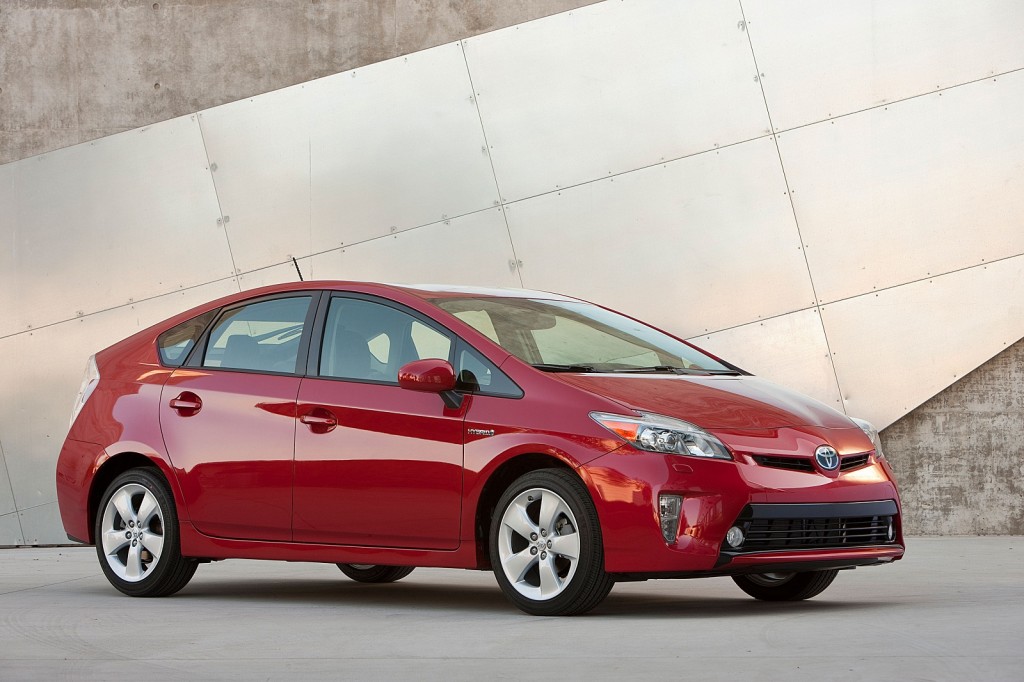
2013 Toyota Prius liftback
Offbeat
It takes all sorts to make the world go round, and by the looks of things, many of those sorts own a Toyota Prius. Heck, even black bears. Thankfully, most Prius owners aren't large and scary, even if that's occasionally what a Prius becomes.
Still, sleeping in your Prius doesn't have to require hideous body extensions--some solutions are quite elegant. Just remember to take your binoculars if you go on a safari to Prius Kingdom...
- Does Nissan Leaf Supplant The Prius As Loathing Target For CA Drivers? (New!)
- Always Wanted A Harley-Davidson-Powered Prius? You're In Luck! (New!)
- Toyota Hybrid Sales Top 6 Million Vehicles Globally, And Counting
- Toyota Prius Plug-In To Be Driven By 'Eco-Savvy Influencers' In MPG Challenge
- Toyota Prius Over $150K In Singapore, Vin Diesel Not Impressed
- 2013 Toyota Prius Plug-in Challenge Raises Funds For Philanthropy
- First Toyota Prius Hybrid National Car Meet Announced For June
- Toyota Prius Becomes Emergency Generator With Special Kit
- Toyota Doesn't Seek Hybrid Taxi Sales--Cabbies Just Love Them Anyway
- NASCAR Star Builds Racing Prius In Toyota Charity Challenge
- Five Reasons Buying A Hybrid Prius Won't Save The Planet
- 'Fixing' A Toyota Prius Hybrid: Recycling 1, Aerodynamics 0
- Yes, Even Prius Drivers Can Be Utter Idiots At The Wheel
- It's Not Easy Being Green: Solar Windows 1, Prius 0
- Racing:Toyota Prius GT300 Race Car Shown At Tokyo Auto Salon
- Toyota Prius, Honda CR-Z Rumored To Take Part In GT300 Racing Series
- Robotic Toyota Prius To Offer Test Rides, Not Drives, At Tokyo Motor Show
- Behind The Disturbing Ad Campaign For The 2012 Toyota Prius
- Five Things You Shouldn't Do To A Toyota Prius...Ever
- Whole Foods Plus Prius Equals New Westside LA Hybrid Rap
- Toyota Prius: Estella Warren's Weapon Of Choice
- Reader Question:Can I Tow My Prius Behind My RV or Motorhome?
- Toyota Seeks Country's 'Most Passionate Prius Fan' on Facebook
- Video: What Would A Toyota Prius Say About You?
- How Many Million Priuses Would Offset the Gulf Oil Spill?
- Toyota in Japan Gets Into The Prius Hybrid Bodykit Business
- Top Gear Awards Toyota Prius With Title of City Car of the Year, Prius is Groundbreaking
2015 Toyota Prius
What can we expect for the next-generation of Toyota Prius? The rumor mill has started turning, and the first details are leaking out--click on any of the links below to follow the latest information on the fourth-generation of the popular hybrid.
- 2016 Toyota Prius: AWD Still Considered For Next-Gen Hybrid (New!)
- 2015 Toyota Prius Launch Pushed Back Six Months: Report (New!)
- Next Toyota Prius Hybrid To Have More 'Heart-Racing' Design?
- 2015 Toyota Prius: Next Hybrid Aims For 55 MPG, More Room, Better Handling
- All-New 2015 Toyota Prius: What We Know So Far
- 2015 Toyota Prius Spy Shots: Next-Gen Hybrid Breaks Cover
- 2015 Toyota Prius Rumor Roundup: 60 MPG, AWD, Lithium-Ion Battery
- Will Toyota Prius Hybrid Change Its Shape For 2015?
_________________________________________