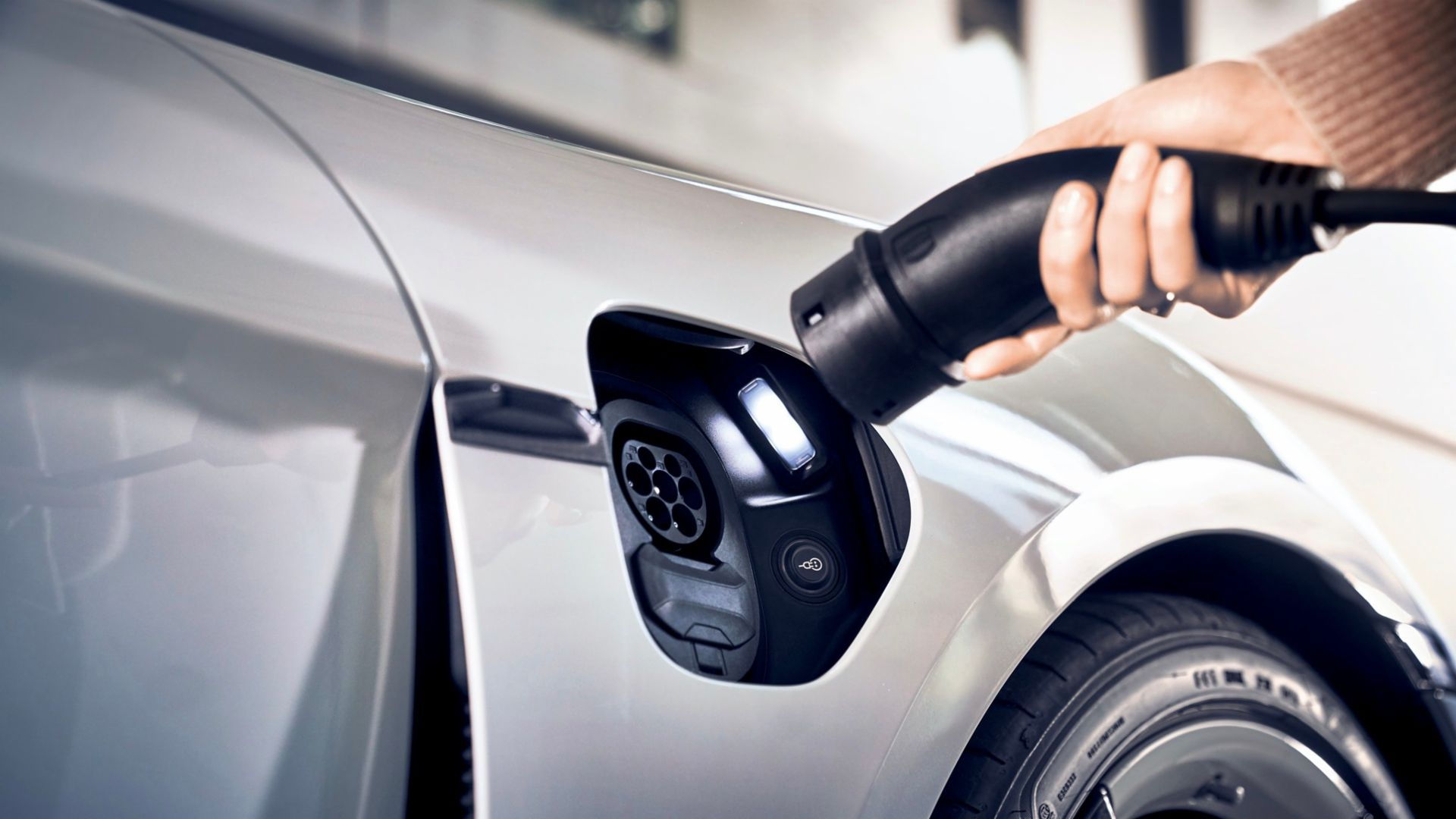
Electric cars that plug into wall sockets to charge batteries that store energy to power them are still an unknown quantity to most car buyers globally.
And the education task gets more complex when customers must understand the difference between battery electric vehicles and plug-in hybrids: those that have a gasoline engine, as well as a plug-in battery and electric motor(s).
In the U.S., overall plug-in sales will be made up of both kinds of vehicles.
But in the early years, says an industry analyst, one type will do better than the other.
According to John Gartner, of Pike Research, plug-in hybrids will outsell battery electrics in the U.S. for the first six or seven years.
That wasn't the case last year, when the Leaf beat the Volt to log 55 percent of the 17,000-plus plug-in vehicles sold in 2011.
But Pike's prediction looks considerably more accurate this year.

Projected U.S. sales of plug-in hybrid electrics (PHEVs) vs battery electrics (BEVs), Pike Research
In July, the Chevrolet Volt and Toyota Prius Plug-In Hybrid made up roughly 84 percent of the 3,003 plug-in cars reported sold in the U.S. The 466 Nissan Leaf and Mitsubishi 'i' deliveries represented just 16 percent of July sales.
For the year to date overall, the figures aren't much more favorable to battery electrics, which represented just 4,044 (or 20 percent) of total reported plug-in sales of 19,731 units through July.
It's possible that strong sales of the Tesla Model S in later months--if Tesla deigns to report them--could swing the totals back to a higher proportion of battery electrics.
For the purposes of the report, Pike categorized both plug-in hybrids--like the Toyota Prius Plug-In Hybrid and two upcoming Energi models from Ford--and electric cars with gasoline range extenders, like the Chevrolet Volt, as "plug-in hybrids."
In the later years of this decade, Gartner's analysis suggests, battery electrics will start to catch up, reaching a 50-50 balance by 2020 (see graph of projected sales).
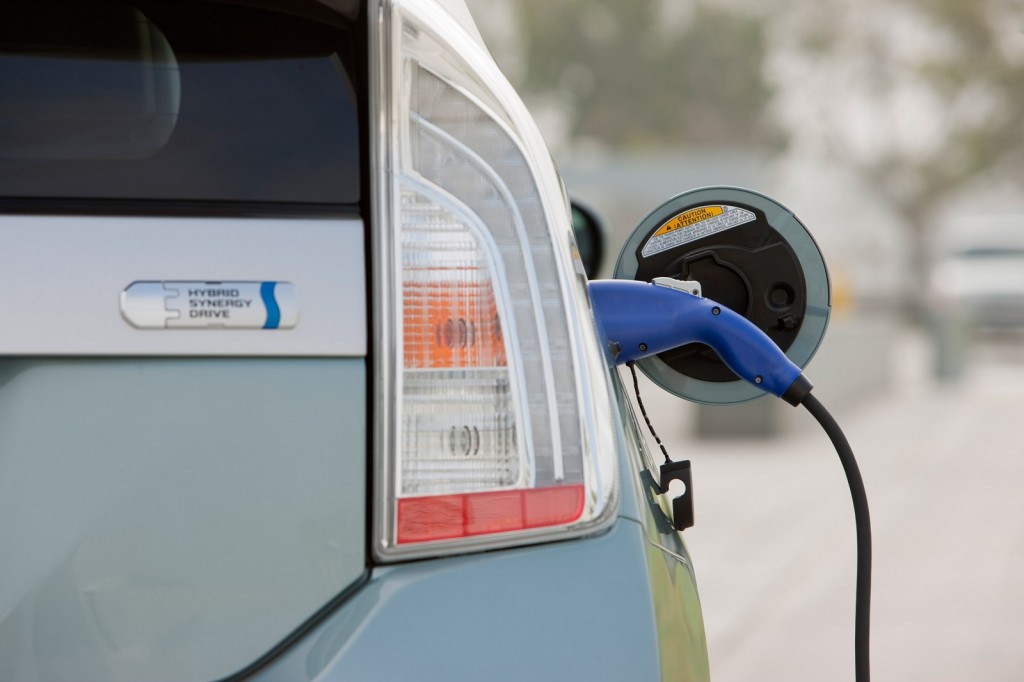
2012 Toyota Prius Plug-In Hybrid - production model
Gartner suggests that battery electrics will recoup some of their early deficits as range gradually extends.
At the moment, only the 2012 Tesla Model S has a range over 100 miles (the EPA rates the 85-kWh model at 265 miles).
By comparison, the Coda Sedan is rated at 88 miles, the Ford Focus Electric at 76 miles, the Nissan Leaf at 73 miles, and the Mitsubishi 'i' brings up the rear at just 62 miles.
What do you think?
Does the Pike analysis make sense--do you agree that plug-in hybrids will dominate in early years, but that battery electrics will regain ground by 2020?
Leave us your thoughts in the Comments below.
+++++++++++