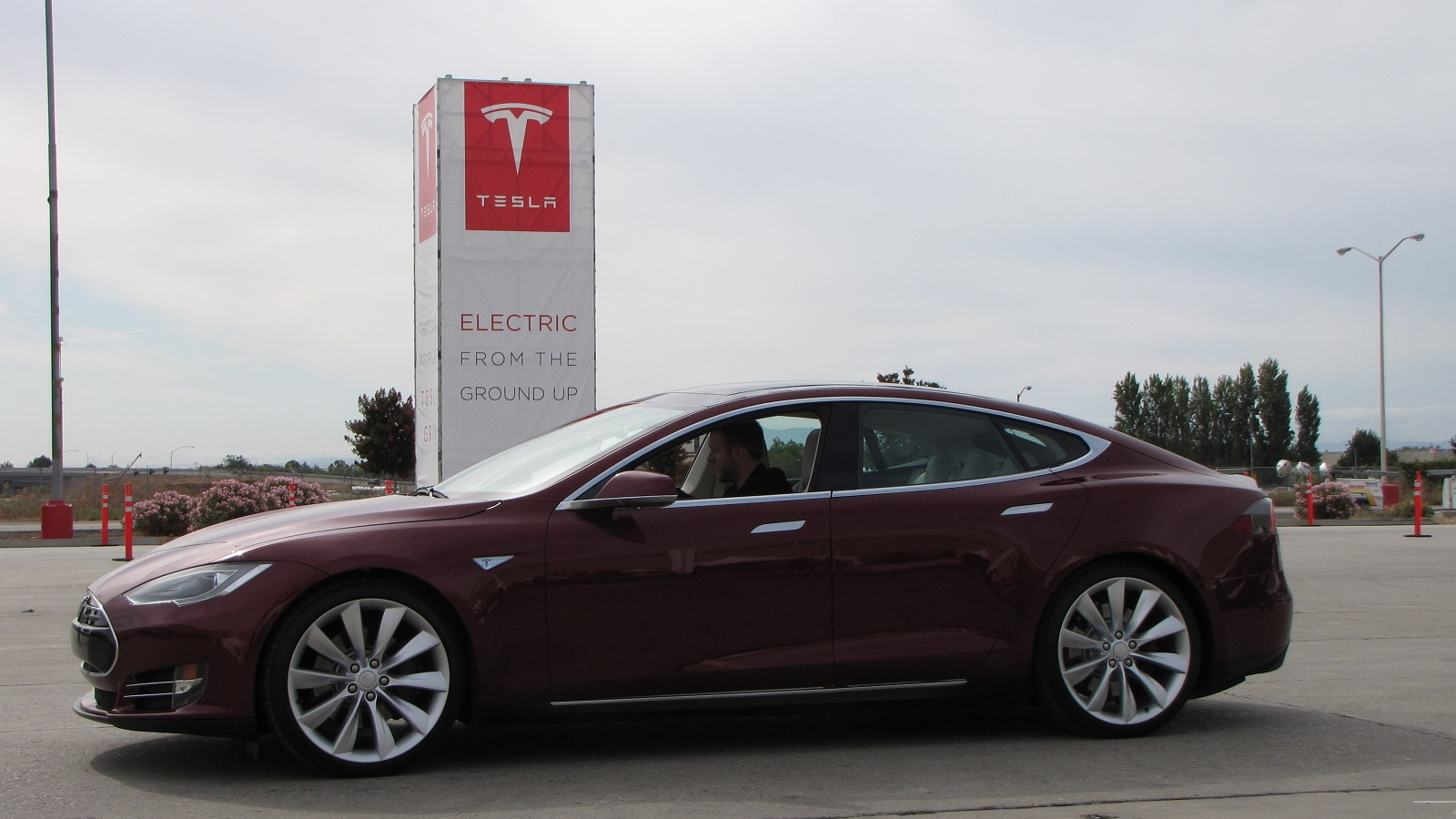
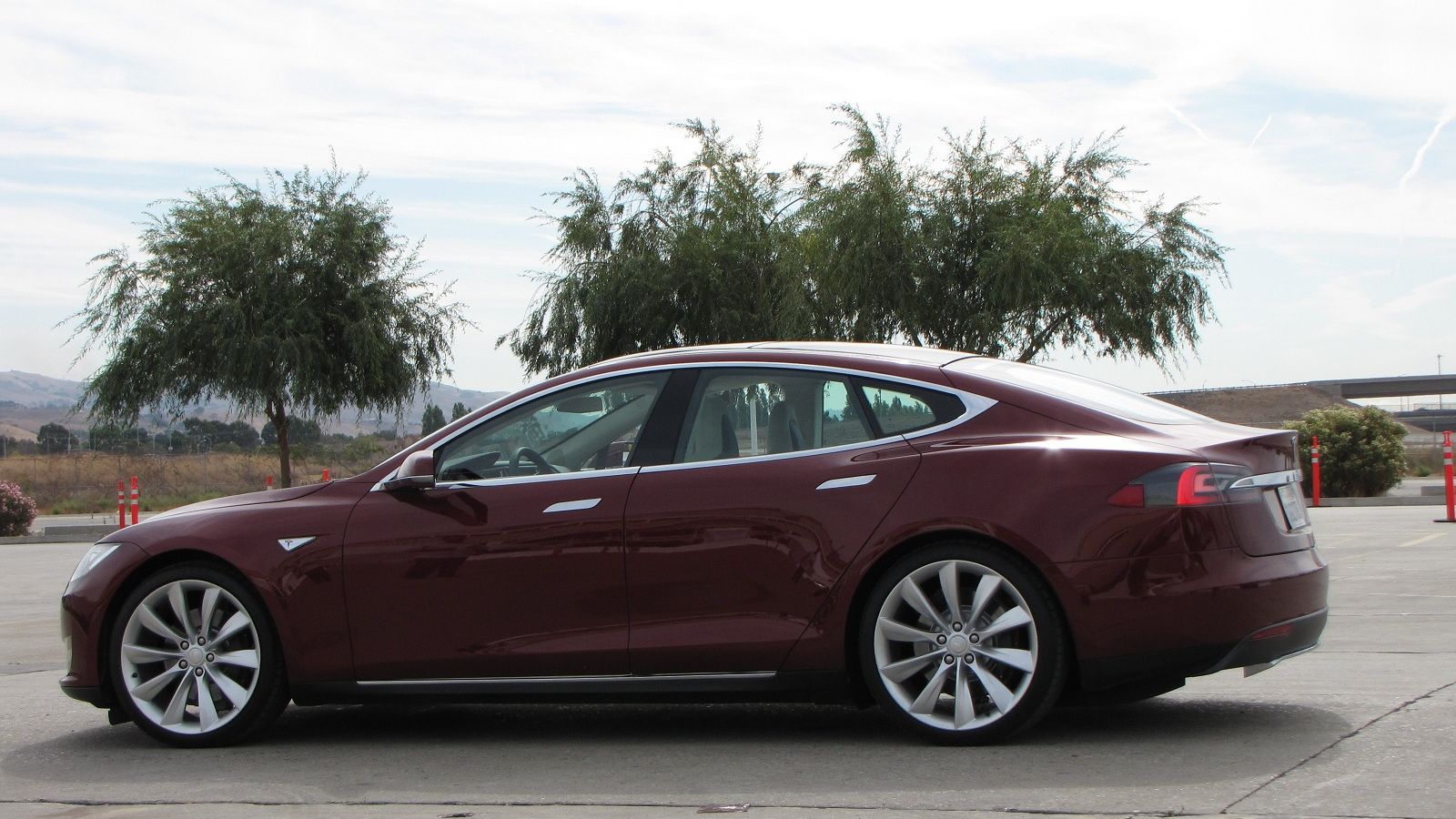
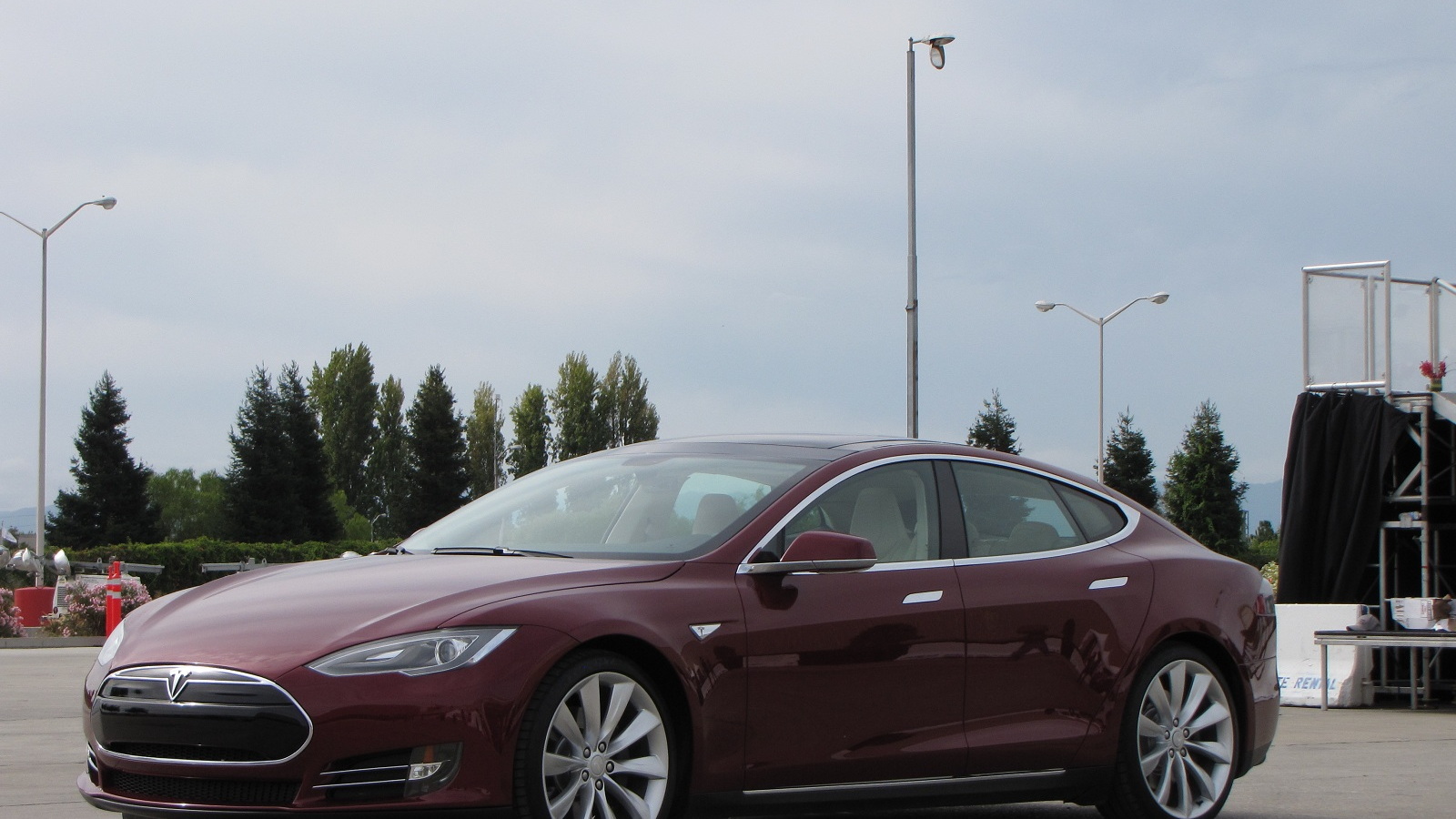
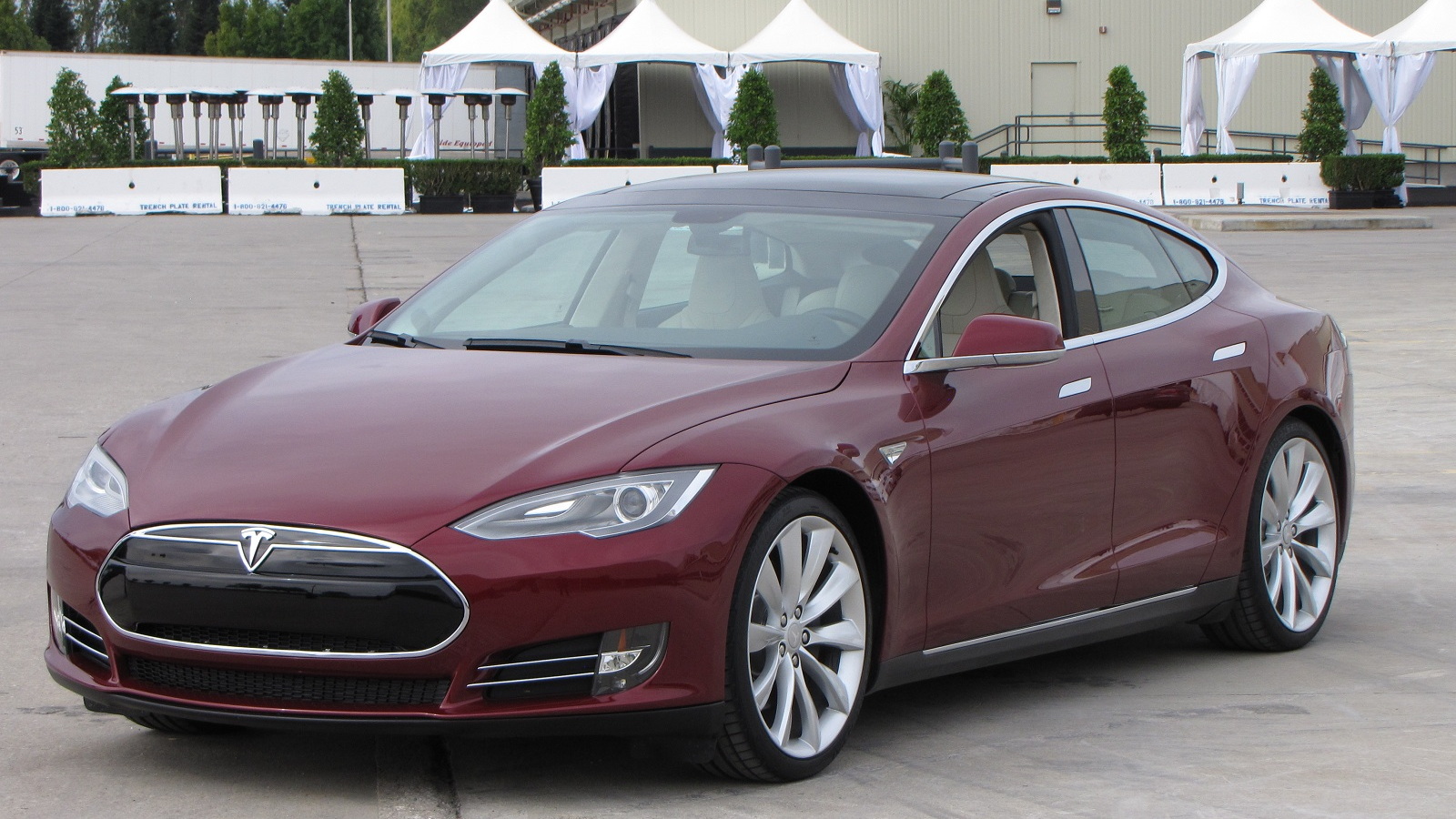
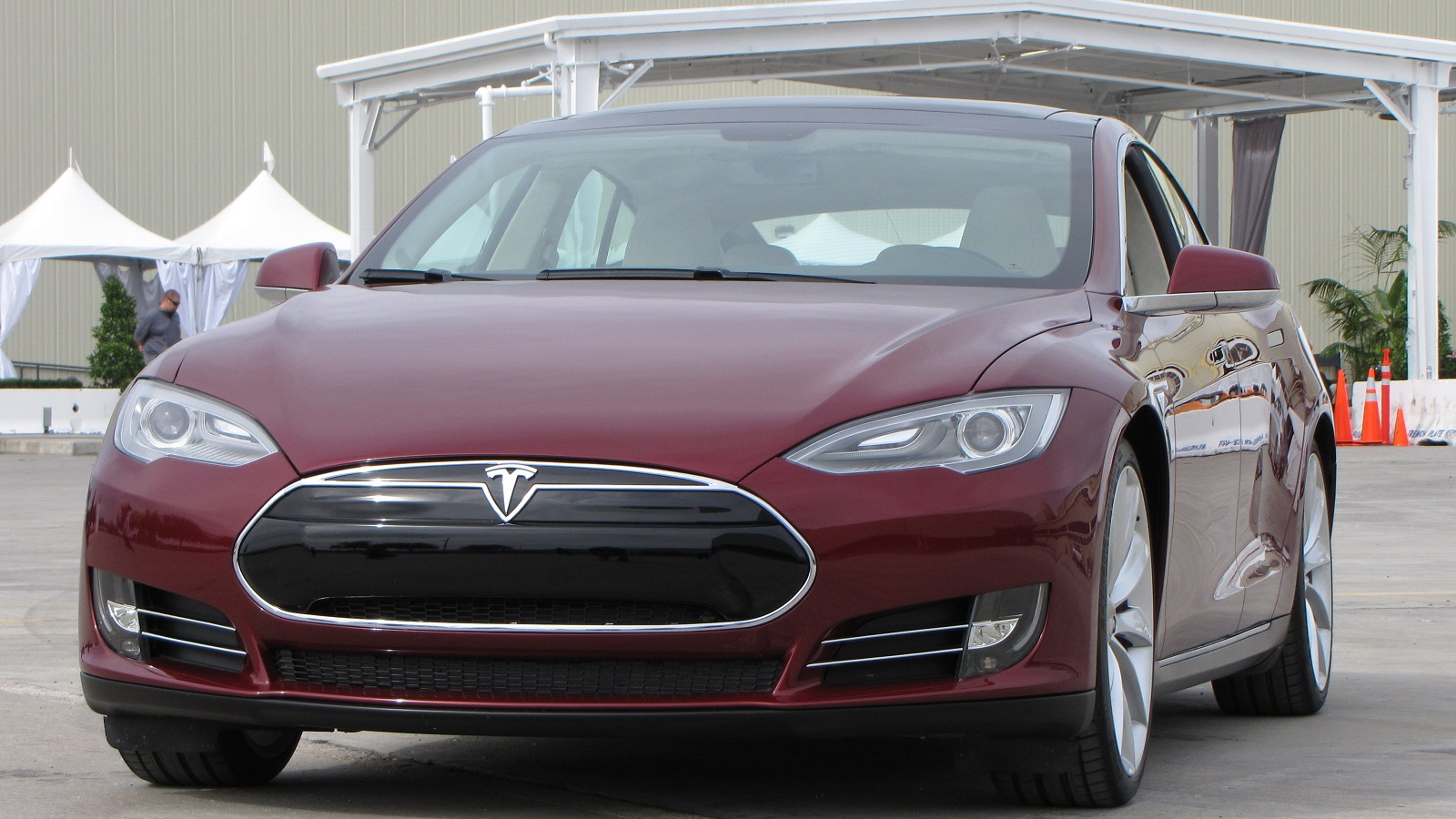
2012 Tesla Model S beta vehicle, Fremont, CA, October 2011
Tesla Model S 'Get Amped' Tour: 5,000 Test...
Buying A 2012 Tesla Model S: Pros & Cons Of...
Tesla Model S Road Trip: Electric Cars Make It...
Only two major plug-in car startups have made it to the point of building and selling cars globally, and lately, Fisker is the one that's been in the news.
But Fisker's not the only company whose long-term survival may be at issue.
As Bloomberg pointed out a couple of weeks ago, Tesla Motors [NSDQ:TSLA] is the second most-shorted stock in the Russell 1000.
Short-selling a stock means an investor sells shares he doesn't own in anticipation that he'll be able to buy them later at a lower price to complete the transaction at a profit.
The more shares of a company that have been sold short, the less confident the market appears to be that the company's stock will maintain its current price level.
Since Bloomberg published that report on February 16, Tesla's stock has remained in a range of $33 to $35 per share--including the intra-day dip due to worries about battery life, or 'bricking.'
The price fell briefly last Wednesday as news reports appeared in the media about what was called battery 'bricking," prompted by claims by a customer that Tesla should provide him a new, $40,000 lithium-ion battery pack for his Tesla Roadster.
The customer, Max Drucker, admitted he left the car unplugged for more than two months--an action that voided his warranty--but claimed that he had been unaware of the degree of damage that could cause.
Tesla responded to the original claims, which were reported on the Understatement blog, with a post of its own entitled "Plug It In". Then, yesterday, Understatement author Michael Dagusta fired back with his latest anti-Tesla post.
It's possible this back-and-forth may continue for quite some time.
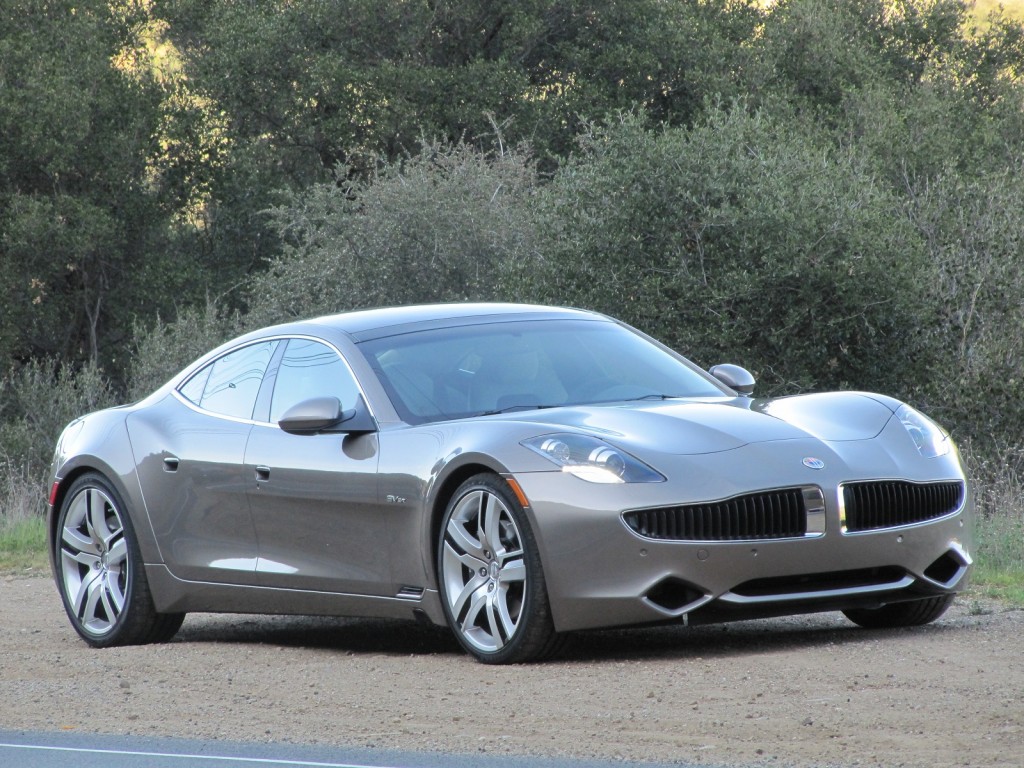
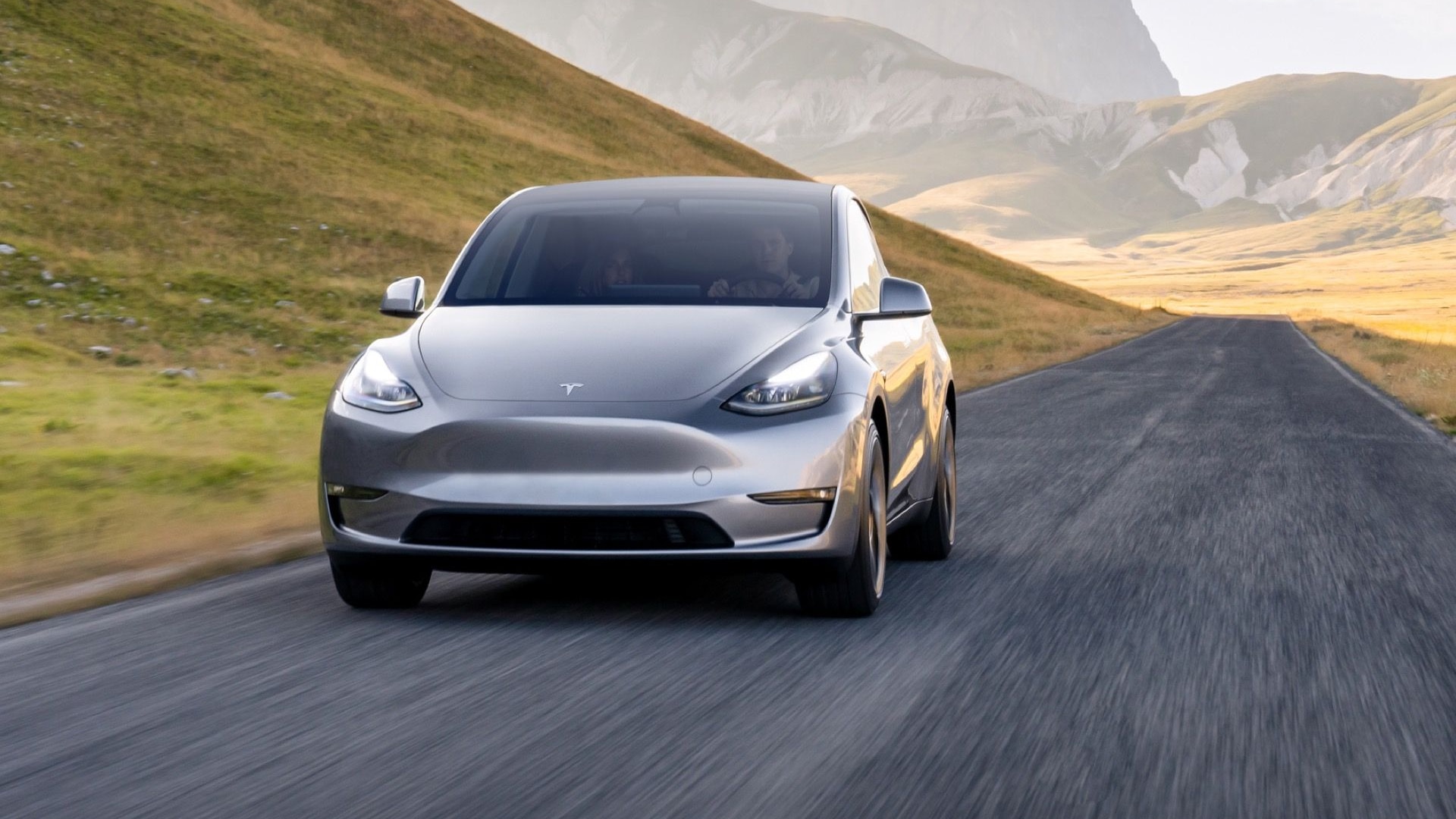
Meanwhile, Tesla is quietly working at full speed to bring its 2012 Model S electric sedan to market this summer.
The company says it's now assembling test vehicles on mostly production tooling in the Fremont, California, factory it acquired from Toyota.
Still, most industry analysts believe Tesla cannot remain independent, even if CEO Elon Musk says it will.
As we wrote a few days ago regarding questions about Fisker's future: "We always answer the questions with a query of our own."
"What's the last auto company founded from scratch in the U.S. by entrepreneurs whose brand is still with us today?"
"The answer is Chrysler. And that was 88 years ago."
"No one's managed to do it since. Many have tried--Preston Tucker, Henry J. Kaiser, Malcolm Bricklin, John Delorean, and more--but none have succeeded."
So do you think that Tesla will survive as an independent carmaker? And how about Fisker?
Leave us your own thoughts in the Comments below.
+++++++++++
Follow GreenCarReports on Facebook and Twitter.
Have an opinion?
It says it as the main text of disclosures
it says it FIRST THING IN RED in the battery info
It says it clearly through the manual.
It is covered with all clients when they pick the car up, since you have to sign off on it!
This customer is the not uncommon exec who expects to be "served hand and foot" and is NEVER responsible for their actions, and ALWAYS threaten because that is how they CONDUCT business.
Tesla should balance out the PR versus the precedent and create mandatory classes on battery use as part of vehicle pickup
Tesla hasn't had to spend money to create a dealer market, to train employees or just to fight that first major lawsuit that will be coming. There's also no guarantee that Tesla will have a technical lead in 3-5 years, much less 10-15.
To be a volume player takes far more money than Tesla will have access to once shareholders have had 2-3 more years without overall profitability. Loans dry up, customers look elsewhere, and being the new "Flavor of the Month" doesn't contribute to the bottom line. Bet against Tesla.
Um...YES. SpaceX competes directly with the members of the United Space Alliance: Thiokol/Alliant Techsystems, Lockheed Martin/Martin Marietta, Boeing/Rockwell. It also represents a major shift away from government-funded, pork-barrel, go-nowhere space, so I'd add NASA and the entire US government to the list of folks who bet against Mr. Musk.
Still you would think they would be looking at options to avoid potential downside.
In ethe meantiem education is mandatory to avoid the NOW challenges
And I'm not saying all skepticism is completely unwarranted, clearly Tesla is playing a high risk game. Still I would expect a bit more optimism on a blog like this about the company that really pushes the envelope when it comes to EV development and is probably the main reason there are any developments at all in the field of electric motoring.
It's not our job to be cheerleaders or advocates. It's our job to report on news + vehicles in a slice of the current + future car market. Plenty of advocacy groups will give you only happy news, but IMHO, that's neither a reflection of the world nor good ammunition for those people who choose to be advocates themselves.
In this case, I'm reporting on Bloomberg's analysis of stock market data. To me, it says something interesting about Tesla I'd not seen before.
I'm curious: Would you rather have had GCR *not* do the piece?
And yes: I would rather have had GCR not do this piece that gives Michael Dagusta's increasingly sour, deceitful, hypocritical, petty and whining anti Tesla FUD campaign again the attention it needs to succeed.
I'd also point out that GCR was widely criticized in other outlets for not regurgitating Drucker's complaints verbatim (as others did), but instead adding context--including scans of Tesla documents that require the battery to be kept charged.
If you find grounds to disagree with GCR's approach, have at it. But in our collective judgment, the fact that TSLA is the second-most shorted stock among *1,000* is news.
And if it's news about green cars, we report it here.
Maybe a sentence about the large number of pre-orders Tesla has for it's vehicles could have created some more balance.
And again the question to the readers about the chances of survival for Tesla/Fisker. Reminds me a bit of the infamous death watches the notorious TTAC site used to run about car companies, though even they pulled the plug on the Tesla deathwatch at some point because they felt it was unwarranted.
Talk to ANY auto-industry analyst and s/he will say the same thing: It is highly, highly unlikely Tesla will be independent 10 years hence. Absent a government treasury behind you willing to commit tens of billions of dollars, the laws of scale and the cost structure of the industry weigh against it--especially given Tesla's stated goal of becoming a volume carmaker.
This whole issue is one that I was concerned about from the very beginning of Tesla. 6,831 laptop batteries in an automoile battery pack is sure craziness. The battery chemistry is wrong along with all the pecul1ar behaviors of these types of cells.
If Tesla is not inadvertently flush with cash (like Ford luckily found themselves) at the start of the next great downturn, I don't see the government willing to bail them of their automakers-dilemma-cash-crunch. Not yet anyway.
Have an opinion?Join the conversation!