Fisker Automotive may have sensed that the 20-mpg EPA rating on their 2012 Karma electric sport sedan was not good news.
The company simply omitted the statistic from their press release announcing that the EPA had legally certified the Karma--meaning it can now be sold to retail buyers.
Fisker said the EPA had rated the Karma at 54 MPGe (MPG-equivalent) when running on electricity from its battery pack, and that the EPA-rated electric range would be 32 miles.
20 mpg omitted from release
But the other half of the window sticker--the 20-mpg rating for a Karma running on power from its range-extending gasoline engine--appeared nowhere in the release.
The only other series hybrid on the market, the 2012 Chevrolet Volt--with a less powerful electric motor and smaller gasoline engine--is rated at 94 MPGe in electric mode, and 37 mpg on gasoline, with an electric range of 35 miles.
The EPA's "miles-per-gallon-equivalent" is calculated based on how far an electric car can travel on battery energy equivalent to 1 gallon of gasoline. The most energy-efficient electric car in the U.S. is the 2012 Mitsubishi 'i' minicar, rated at 112 MPGe.
Will critics pounce?
Electric-car advocates privately express concern that critics both of electric cars and of the DoE low-interest loan program that helped fund Karma development will jump all over the gas-mileage figure, using it to criticize DoE efforts to aid advanced vehicle technologies.

Dr. Steven Chu, U.S. Secretary of Energy
Broadly, loans through the $25 billion DoE program go toward retooling existing plants at least 20 years old to build vehicles with fuel efficiency at least 25 percent higher than current cars.
In September 2009, Energy Secretary Steven Chu announced that the DoE would grant Fisker Automotive $529 million in low-interest loans through its Advanced Technology Vehicle Manufacturing program.
A total of $8 billion in loans had been awarded in June 2009, with the largest sums to Ford and Nissan. Here's the list of automakers granted loans to date:
FORD [NYSE:F]
- Amount: $5.9 billion, awarded in June 2009
- Work Funded: Plant retooling in five states to build 13 models with electric, hybrid, or more efficient gasoline powertrains, including Ford's EcoBoost turbocharged gasoline direct-injection engines
- Gas Mileage: 39 mpg combined gas mileage rating for 2012 Ford Fusion Hybrid
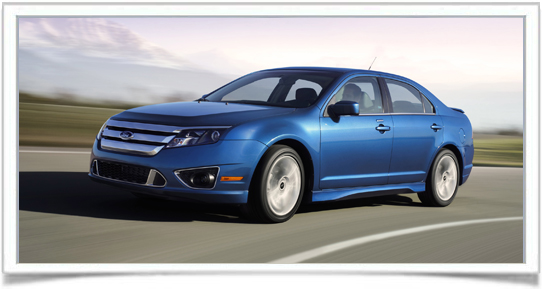
2012 Ford Fusion Hybrid
NISSAN [NSDQ:NSANY]
- Amount: $1.6 billion, awarded in June 2009 (in the end, Nissan used only $1.4 billion)
- Work Funded: Retooling of Tennessee assembly plant to build Nissan Leaf electric car, plus construction of plant to build lithium-ion cells for battery packs
- Gas Mileage: 99 MPGe for 2011 Nissan Leaf
FISKER AUTOMOTIVE [privately held]
- Amount: $529 million, awarded in September 2009
- Work Funded: $169 million for engineering integration work on the Karma; $360 million for development of a mid-size extended-range electric vehicle, to be built in a former GM plant in Wilmington, Delaware
- Gas Mileage: 54 MPGe for 2012 Fisker Karma in electric mode; 20 mpg in range-extended mode
2012 Tesla Model S beta vehicle, Fremont, CA, October 2011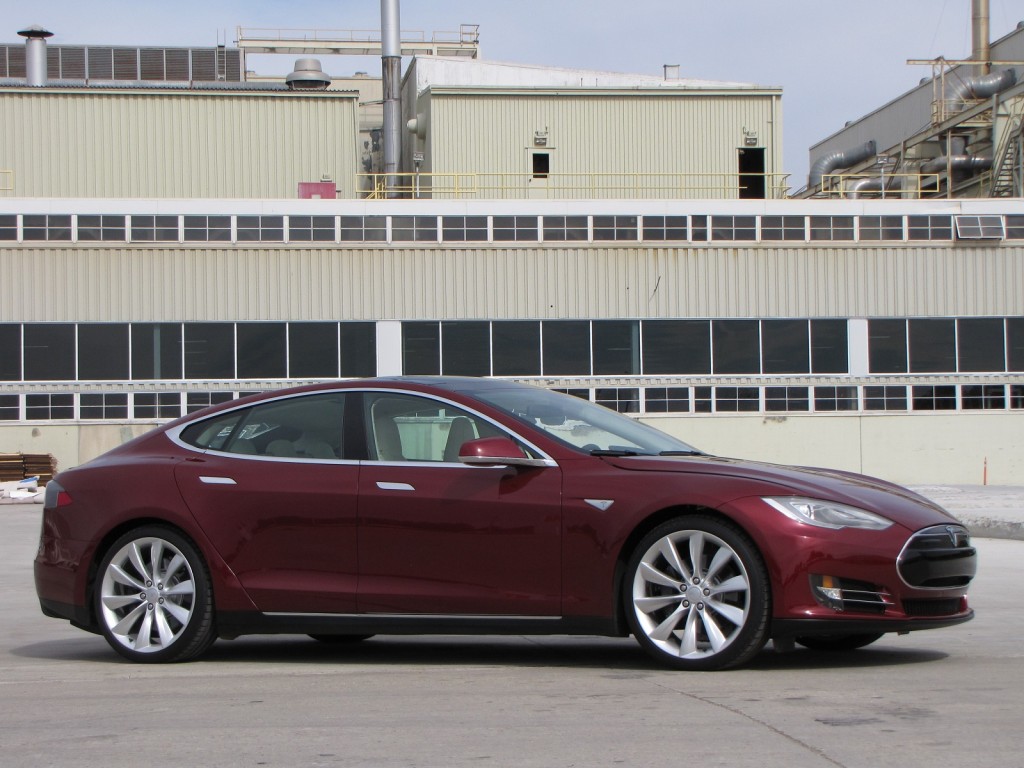
TESLA MOTORS [NSDQ:TSLA]
- Amount: $465 million, awarded in June 2009
- Work Funded: Engineering and assembly of the 2012 Tesla Model S all-electric sport sedan, in a former GM-Toyota plant in Fremont, California, as well as battery-pack assembly facilities
- Gas Mileage: The 2012 Tesla Model S is not yet in production and has not been rated by the EPA
So does the 2012 Fisker Karma's low EPA mileage rating set a bad example for the type of innovation the DoE loan program is meant to promote?
Certainly the Karma can plug into grid power to travel purely on electricity, which no other luxury sports sedans can do. And its 20 mpg is no worse than, say, the 2012 Mercedes-Benz CLS 550, with its combined EPA rating of 20 mpg.
But we suspect the perennial drumbeat of criticism and contempt for electric cars will continue, especially given another DoE loan in the news of late: Solyndra.

Ray Lane takes delivery of the first Fisker Karma
What do you think? Is the Karma's 20-mpg gas mileage a liability for the DoE low-interest loan program? Is it appropriate for the DoE to make such loans in the first place?
Tell us what you think in the Comments below.
+++++++++++