Tesla Roadster, Reva i, & Ford Th!nk electric cars parked at charging station in Oslo, Norway
Enlarge Photo
2013 Mitsubishi Outlander Plug-in Hybrid...
2013 Mercedes-Benz SLS AMG Electric Drive...
Sales Of Hybrids & Electric Cars Surge 73% In...
Electric cars may be growing in popularity, but they still make up just a tiny percentage of the U.S. auto market. When will things take off? If sales in Norway are any indication, that will happen when electric vehicles become inexpensive, easy to own, and confer certain privileges.
According to Treehugger, Norwegians are crazy about electric cars. Despite a population of around 5 million -- roughly the size of metropolitan Miami, Florida -- Norway is home to more Nissan Leafs and more Tesla Model S reservations than the entire U.S. In fact, electric car sales made up 5.2% of the Norwegian auto market in 2012, while here in America, the figure sat below 1%.
So, what's the deal?
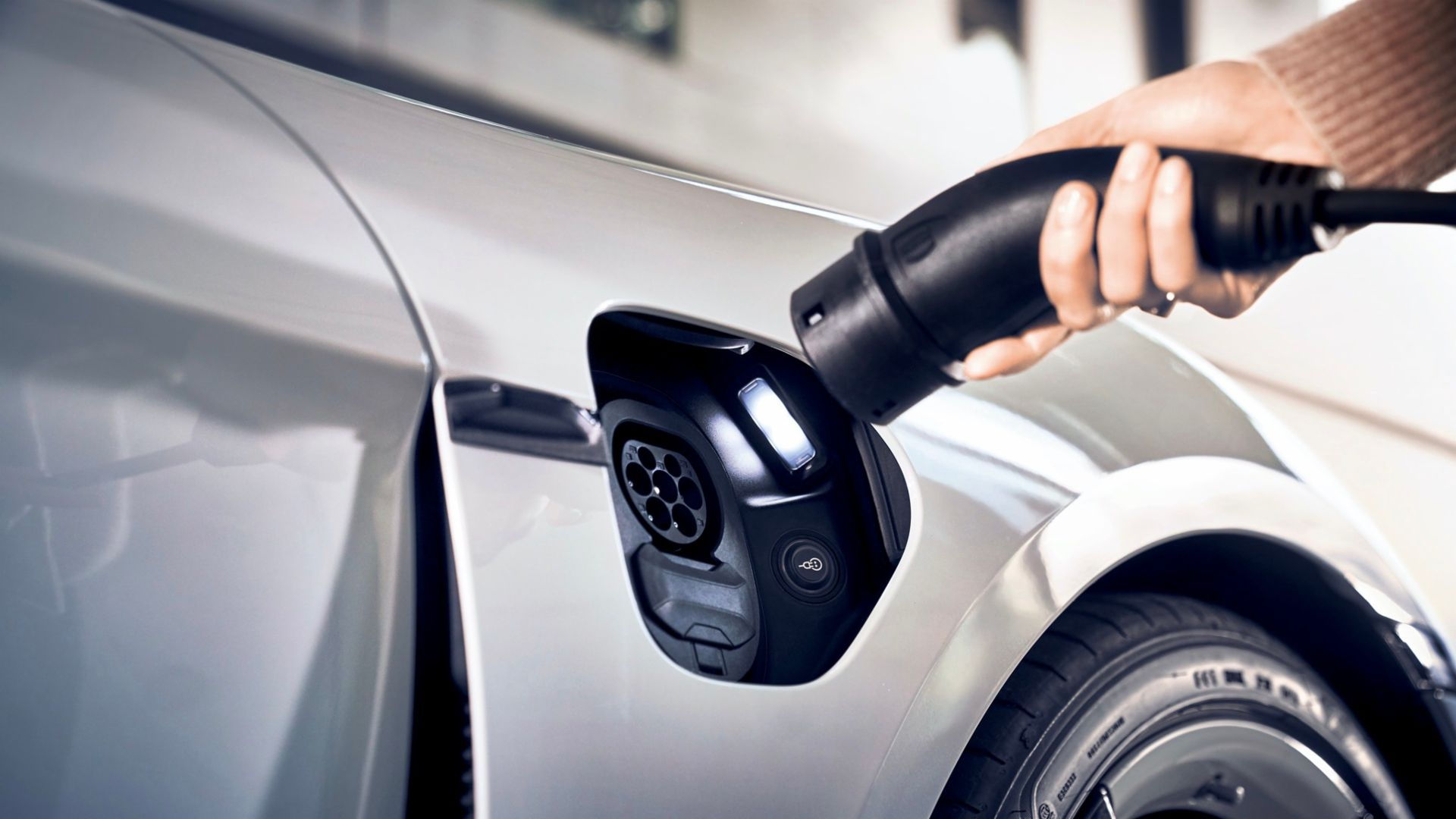
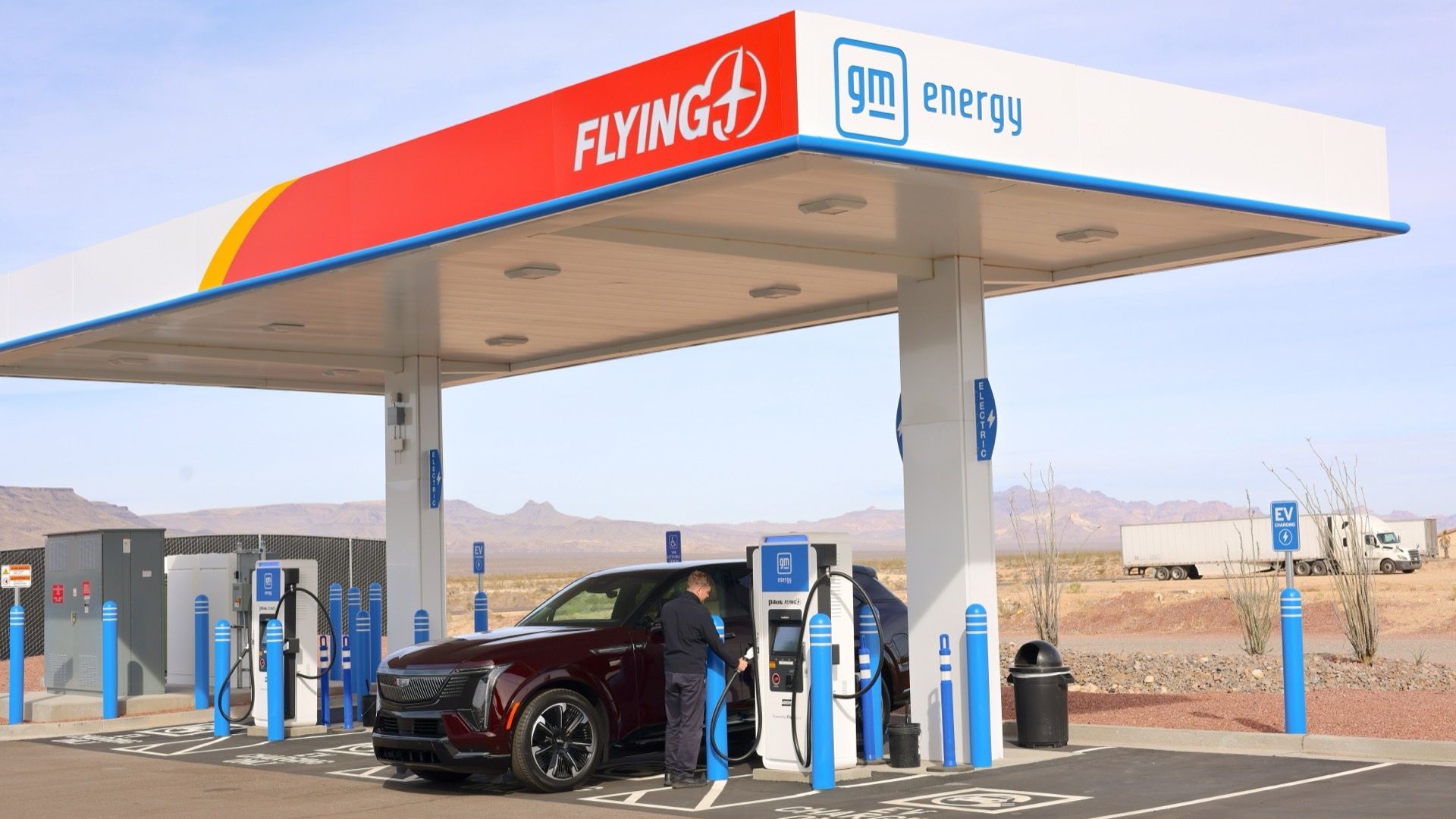
Convenience plays a big part in Norway's fascination with electric cars. While range-anxiety remains an issue, Norway offers around 3,500 charging posts for electric cars and 100 fast-charging stations. Also, electric cars often have access to free public parking, and they don't have to pay congestion fees when traveling through busy parts of town. And in the capitol of Oslo, electric car-owners are allowed to drive in the bus lane. Ownership has its privileges.
Then there's the fact that electric cars like the Nissan Leaf are relatively cheap in Norway.
Throughout much of Europe, buying a car can be an expensive proposition, due to hefty taxes. But in Norway, electric vehicle-buyers get a break. True, they still pay some taxes on their new cars, but there's no import tax on the Leaf as there is on other Nissans. This makes the Leaf far, far more competitive in the country's auto market -- in fact, it's the 13th most popular vehicle in the country.
Now, other countries like Sweden are looking at the Norwegian model to see if they can emulate it. The question is: could perks like these spur electric-car sales in the U.S.?
+++++++++++

Follow GreenCarReports on Facebook and Twitter.
Have an opinion?
I think what drives sales will be a prevalence of at-work 120V plugs which can offer drivers a good 40-50 mile recharge for their workday. L2 will offer better benefits to larger batteried vehicles (Leaf, Tesla, etc.) but 120V 12A charging will recharge a Volt and at least half of a Leaf and that's pretty fair for a company to do. And cheap - running 120V plugs to a parking area rather than more expensive L2 stations.
The U.S. and especially California have plenty of perks and it's paying off in increasing EV/EREV sales. Just look at how sales of the Volt took off, after it was granted diamond lane access. Without the current tax incentives EV/EREVs would be way too expensive for many buyers.
For me, my 2011 Leaf will cost significantly less to own than the Prius it replaced, no matter how you look at it (well, technically, my wife now drives that Prius, since we traded in her car on the Leaf).
BTW, Most Volt buyers in CA didn't really need the HOV lane access and many of them don't have the stickers. But it really helpped the PIP sales. Every PIP has the HOV sticker since it was the cheapest PHEV that had the sticker before C-Max Energi came out...
Take the Tesla Model S for instance. The reservation rate is about 700 per month and is expected to keep growing. The Model S is definitely not a cheap car, but the price point ensures that Tesla makes a good profit. The Nissan Leaf is selling at a similar rate to the Tesla Model S despite costing $30-$70,000 less. Make them good and people will buy. Ford was trying to do that with their new hybrids and EV Focus by adding performance. However, they are not reaching their mileage goal. Lawsuits are pending.
GM's Chevy Volt is already outselling fully half of all car models out there.
Remember that hybrids only account for less than 3% of the entire US auto market. So, if you want the total volume to take off, you have to make them affordable enough so the "common" people can afford it.
Of course, it has to be good to start with. With Tesla S, eventually it will run out of "rich customers". That is why Tesla is planning a $35k blue star model for the "average" Joe like me.
Have an opinion?Join the conversation!