Just over two years since the first Nissan Leaf was delivered to its Californian owner, one driver has the keys to the French equivalent.
The Renault Zoe electric car is a class size smaller than the Leaf, but like the Nissan it represents the first major push from Renault to sell a dedicated electric car.
Taking delivery of the first Zoe was French Minister for Industrial Recovery, Arnaud Montebourg.
Unlike Renault's larger Fluence, the Zoe is not based off an internal combustion production car. Renault sells the Clio subcompact in Europe, but the Zoe uses a dedicated platform. Sadly, it's also not due in the U.S.
The Zoe unique among current electric cars in costing the same as--or less than--combustion equivalents, once local incentives are taken into account. With a government incentive of 7,000 Euros ($9,200 at current exchange rates), Zoe pricing starts from only 13,700 Euros in France ($18,000).
For comparison, the brand new Clio model now on sale in France starts from $18,800. That makes the Zoe's pricing unprecedented in a market where electric cars typically cost thousands more than other vehicles.
It's worth noting though that, like Renault's other electric vehicles, buyers will still pay a monthly battery rental fee, upwards of $110 a month--so for some drivers doing lower mileage, the cost of running it might prove marginal.
Current European leader
Renault currently sells more electric cars in Europe than any other company--albeit still in small volumes compared to markets like the U.S. and Japan.
The French company had sold over 16,600 electric vehicles by October 2012, holding 28.2 percent of the electric vehicle market--not including Renault's smallest offering, the Twizy electric quadricycle.
The competitively-priced Zoe should add to that tally further. Its 22 kilowatt-hour lithium-ion battery pack gives it a suburban range of 62 miles in cold weather, and 93 miles in warmer conditions. Official European figures quote a range of up to 130 miles.
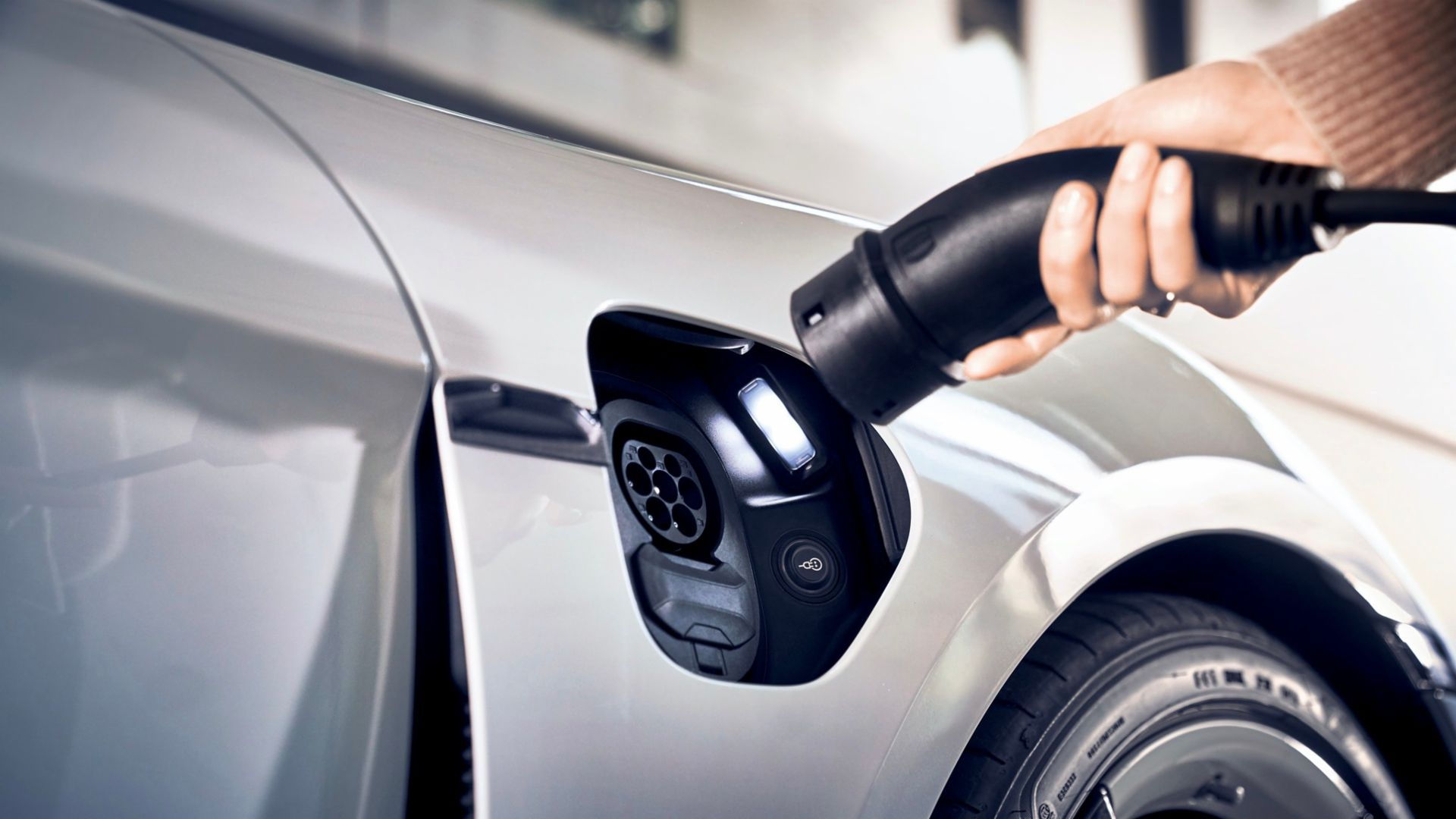
An 87-horsepower, 162 pounds-feet electric motor provides drive, while the standard 'Chameleon' charger means buyers can charge at different outputs, with charging times between 9 hours, and as little as 30 minutes for a fast charge. That recently helped the Zoe set a new electric car distance record.
It isn't hard to see the Zoe breaking into the European market in a way the Leaf hasn't really achieved.
How much so remains to be seen--but with chic styling and a tempting price, it could be one of the most significant electric cars yet.
+++++++++++