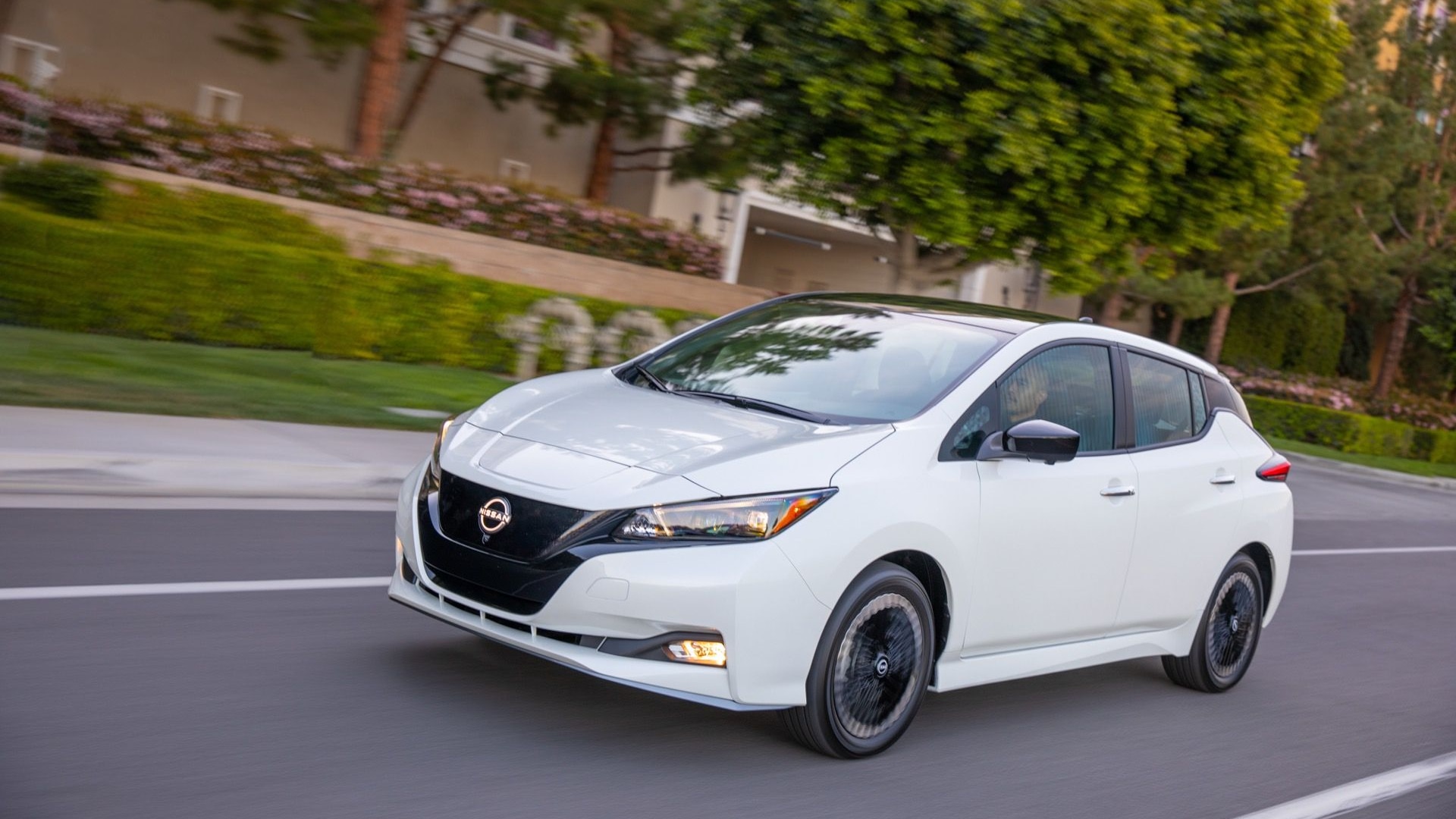
Renault Twin'Z: Rear-Drive Electric Car Hints...
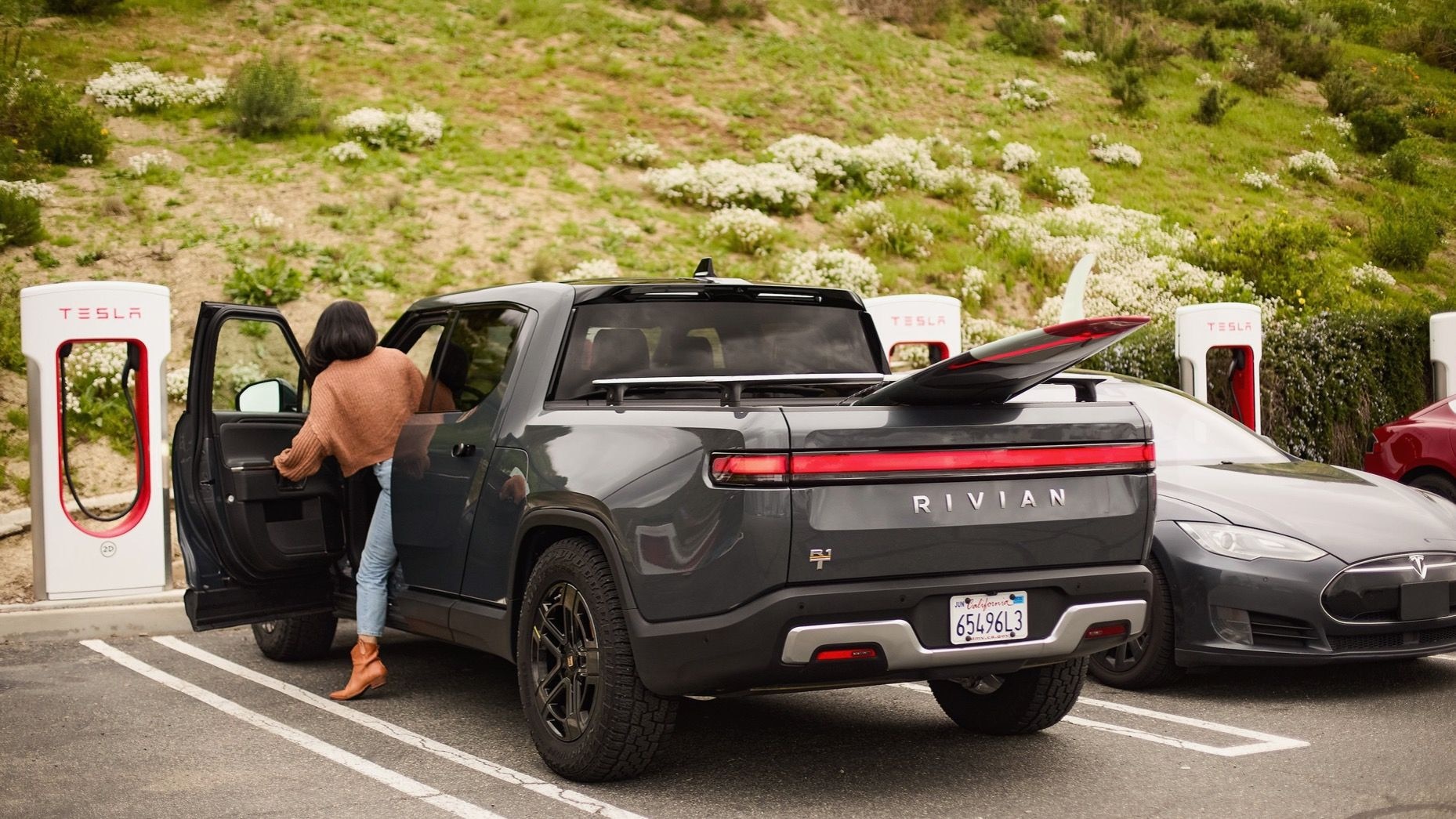
2014 Chevy Spark EV First With CCS Quick-Charge...
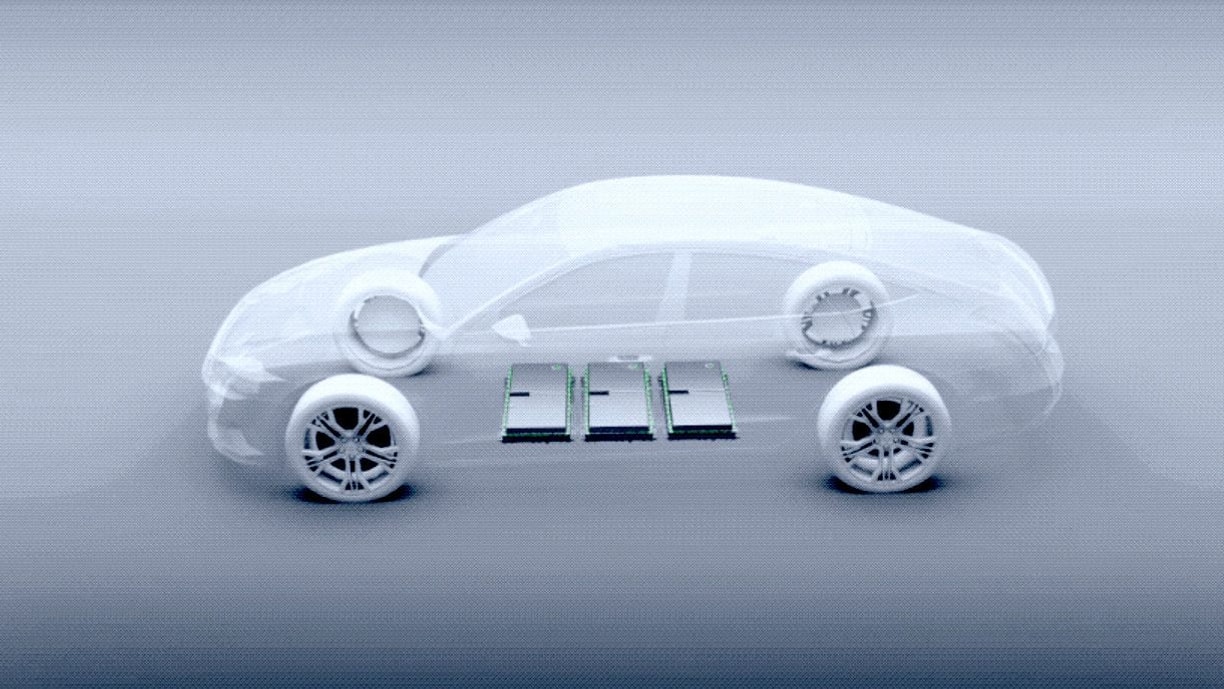
Renault Zoe Electric Car: First Drive Of...
If we've said it once, we've said it a thousand times: range-anxiety is one of the biggest hurdles facing electric car manufacturers. If consumers don't believe that an electric car is going to get them from Point A to Point B (without a time-consuming battery recharge), vehicle sales will stall.
Thankfully for EV automakers, there's good news to crow about today: the Renault ZOE has just destroyed the record for distance traveled in 24 hours by an electric car.
Until recently, the farthest that an electric vehicle had driven in a 24-hour perior was 1,280 km, or about 795 miles.
But on June 1, two Renault ZOEs quietly slipped onto a test track in Normandy, France. All day and all night, a team of 15 drivers took turns at the wheels of the two electric cars, and 24 hours later, they'd traveled 1,618 km and 1,506 km, respectively, or about 1,005 miles and 935 miles. That's an improvement of about 25% over the previous record.
How was this possible? Most of the credit goes to the car's Caméléon charger, which makes the ZOE compatible with any socket and any power level. That allowed the Renault team to recharge the ZOE at 43 kW, restoring an 80% charge in less than 30 minutes. All told, the ZOE that traveled 1,168 km was fast-charged 18 times in the space of 24 hours, or about once every hour and 20 minutes.
The Renault ZOE rolls into European showrooms later this year. If it proves popular, we'd love to think that Nissan could cajole a version from Renault for the American market, but that's probably just wishful thinking.
No matter which side of the Atlantic you call home, you can learn more about the Renault ZOE in Nikki's very intriguing preview.

Have an opinion?
With a couple of "extra" cars at home, we just switch cars occasionally and rent, as well, but it's still good to see what else is happening to make EVs more viable to a larger segment of the general populace.
I'm a customer, I don't have any inside knowledge, but there is no desire in Better Place Israel to talk about future models: they only want to discuss what they have in stock now.
EVs are pretty darn efficient, that's why trying to measure the KM per kWh is fairly meaningless as in anything that looks like a normal car (and weighs what a current car weighs) the answer will be very similar from the highest performance Tesla S down to my family car Renault. If you drive both kindly, they'll deliver similar electric efficiency.
Recharging in situ is not the answer.
Beyond that some mega breakthrough in storage like an as yet unknown ultra capacitor, whose merest operational parameters I am not worthy to calculate.
Just this morning I saw an article about 400kW bus chargers in China (of course) http://www.chargedevs.com/content/news-wire/post/world%E2%80%99s-fastest-ev-charging-station-goes-service-china
Take a look at the size of the cables and there are two plugged in at the same time!
There is also going to be huge heat associated with sending in that much power: ever noticed what happens to your phone or laptop temp when you charge it?
Finally 6 of those bus chargers makes a peak load of 2.4MegaWatts. Israel has entire power stations as small as 10MW. Now imagine a string of those chargers all along I95.
Load on grid: if in some hopefully not too distant future everybody drives plug-ins with~100KWH or so batteries and is happily fastcharging them at a dense network of ~200KW chargers it will be a predictable load throughout the day that the grid can be adapted to.
So...no, I don't think 50KW is the limit, nor can it be if there really is to be a future for plug-ins.
Even when my 3kW level 2 charger is slowly putting power into my Renault Fluence ZE the battery makes all sorts of cooling noises never heard while driving and the trunk gets hot. I'm sure it doesn't help that my car is parked underground and the temp there will be 30C+ till November.
I've seen calcs that for 100 kW and 350 V you'll have ~330 Amp DC. This means a 1.2 cm diameter wire (just the copper: double that to 3cm with insulation) and weighing 3kg!
I agree, this is a huge limitation and the reason why fast charging is a dead end.
In fact Honda is already using the dreaded lithium titanate chemistry in it's Fit EV but without fastcharge option at this point (it's only a compliance car...).
(I don't understand the problem with the rather thin and light copper wire needed for 100KW you describe)
Have an opinion?Join the conversation!