Back in January, we told you about IBM’s quest to build a rechargeable lithium-air battery that could theoretically let an electric car travel 500 miles on a single charge.
Since then, more firms have joined IBM on its Holy Grail adventure, leading to a flurry of stories heralding the end to range anxiety and a future where charging your car only takes place once a week.
But do we really need a 500-mile electric car battery? Or do lithium-air batteries offer something much more useful?
200, 300 miles, not 500
As most Americans what they think of as the limit of how far they can drive without stopping, and they’ll say somewhere between 200 and 300 miles.
That’s because your average person needs to visit the bathroom after 4 hours, especially if they’ve consumed too many high-caffeine road-trip drinks.
At an average speed of 75 mph, on a perfectly clear freeway, that 4 hours equates to 300 miles.
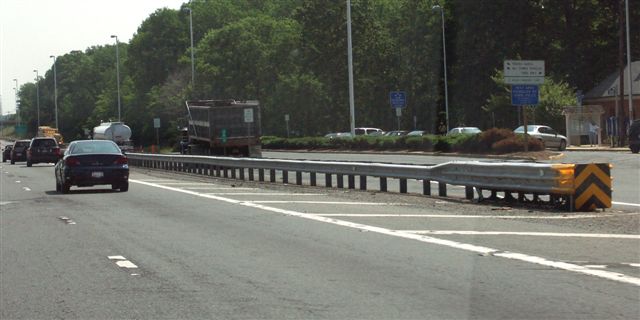
Highway rest stop - AAA Foundation for Traffic Safety
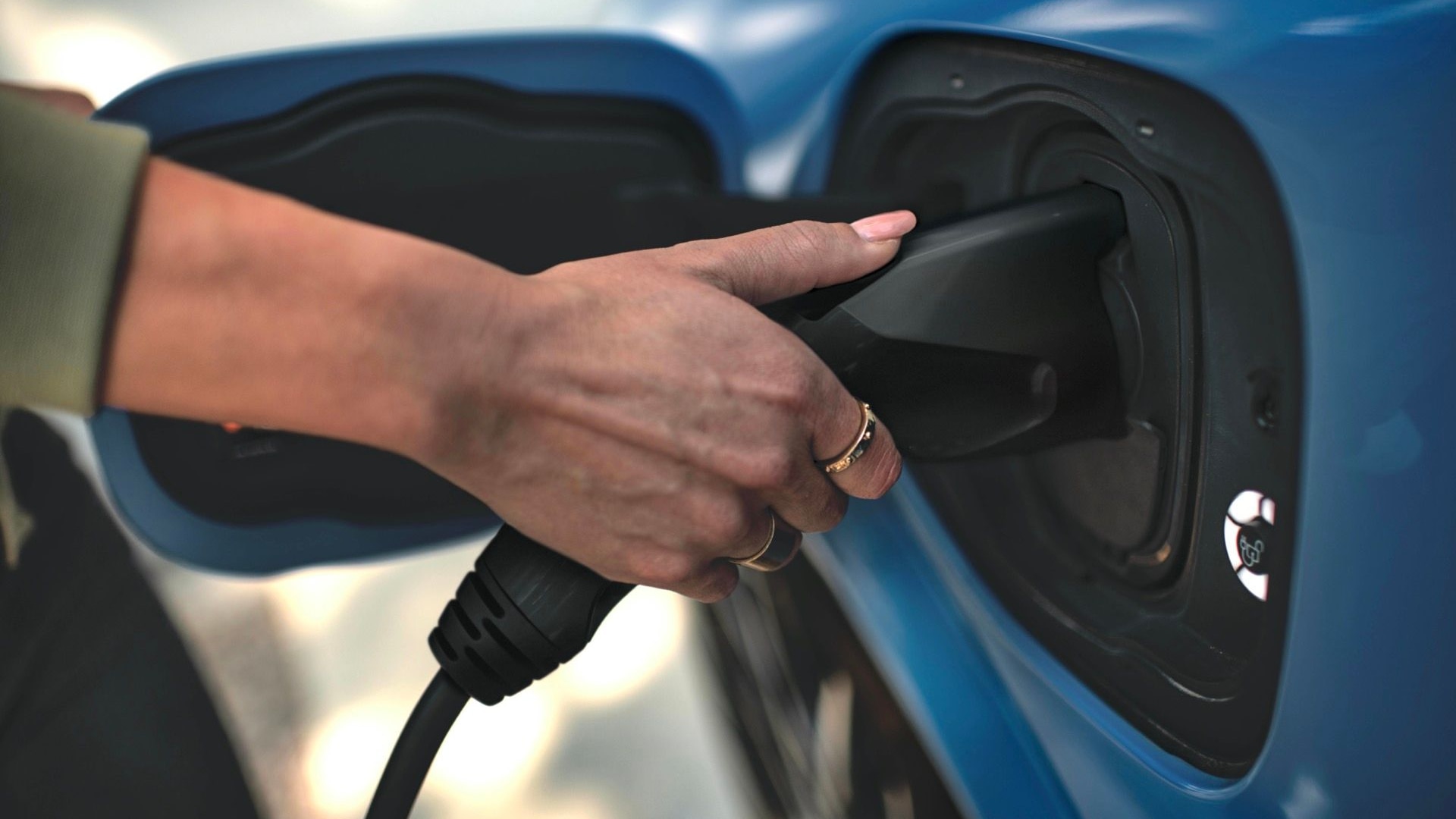
Admittedly, rapid charging, currently capable of offering an 70 percent recharge to cars like the 73-mile EPA-rated 2012 Nissan Leaf in 30 minutes, takes longer than going to the bathroom.
After 4 hours however, it’s highly unlikely that you’ll immediately return to your car after visiting the bathroom. More likely, especially if you have kids, will be a 20-30 minute break for food or drink.
And that gives you at least 30 minutes to recharge.
Longer range...
Because lithium-air batteries rely on the chemical reaction between the lithium-ions and oxygen in the air, lithium-ion batteries have a higher energy density than traditional rechargeable batteries which rely on chemical reactions between two stored metals within the battery.
In a nutshell, this means that per pound of weight, lithium-air batteries can store more energy, which equals longer range.
Remember however: that longer range wouldn’t be needed for 95 percent of all daily driving,
Isn’t that just extra complexity and cost for nothing?
or better efficiency?
There’s a problem however. Weight. The heavier something is, the more energy is needed to push it along.
At the moment, lithium-ion battery packs used in modern electric cars account for their increased weight when compared with conventional gasoline cars.
Take the 2012 Nissan Leaf for example, where the battery pack and its control module weigh a massive 660 pounds. And it’s that weight that accounts for the Leaf’s 73-mile EPA-approved range per charge.
Reduce an electric car’s weight by using a more energy-dense battery, and it will travel much further using the same amount of stored energy as an electric car with a less energy-dense battery pack.
Smaller, lighter battery = lower cost
Tesla Motors - Model S lithium-ion battery pack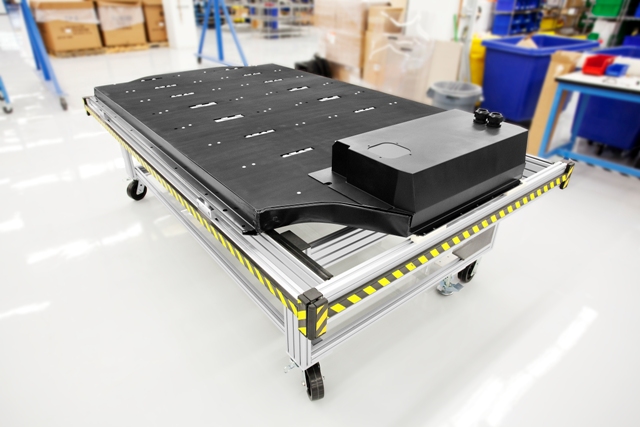
If rechargeable lithium-air battery packs become commercially viable, the reduced physical battery pack size could help reduce the overall cost of building and buying an electric car.
And with less weight, it should cost even less to operate an electric car with a lithium-air battery compared with a traditional lithium-ion battery of a similar energy capacity.
Reduced manufacturing costs and better efficiency on the road should then translate to lower sticker prices and faster adoption -- even if electric vehicle range remains somewhere between 150 and 200 miles.
You choose
Ultimately, lithium-air batteries may offer the holy grail of 500-mile per charge range. But ask yourself this: Do you really need it?
Or would you rather have a lighter, more agile electric car that costs less to run?
Let us know in the Comments below.
+++++++++++