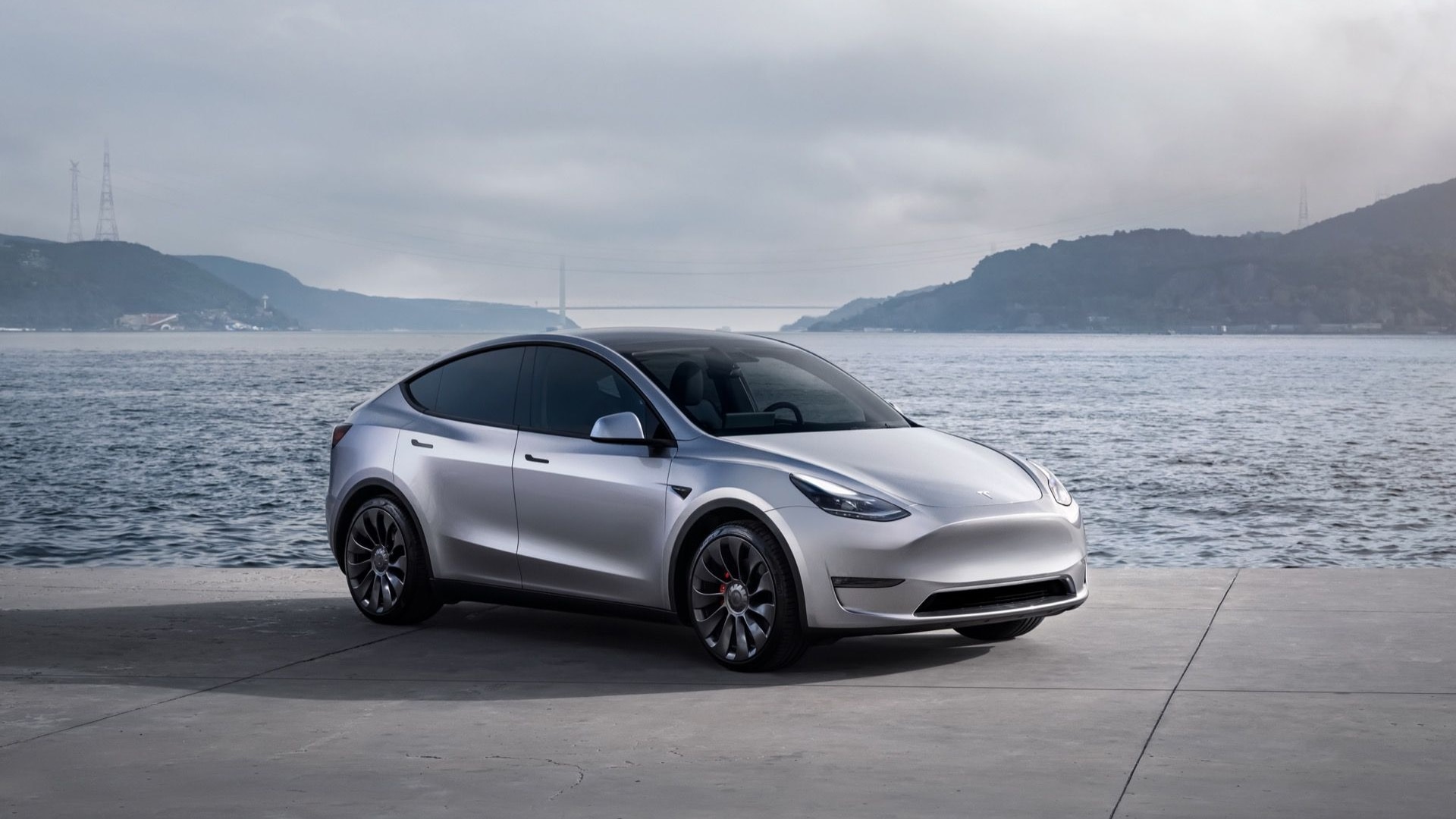
One of the current trends is to use varying numbers of lithium-ion (Li-ion) cells, similar to those you'll find in a laptop computer. They offer numerous advantages, such as higher storage capacity than other battery types, greater output, and compact size meaning they can be installed in a variety of locations throughout a car, allowing engineers to better package a vehicle.
They aren't perfect though, and that's why constant work towards the batteries of tomorrow is needed. According to U.S. energy secretary Steven Chu, it could be five years before the next generation of batteries appears. It's not specified what this new technology might be, though we've looked before at concepts such as the xenon-difluoride battery and there are countless others.
If the five-year plan has a hint of negativity about it, that shouldn't be the case. Indeed, five years is actually quite a favourable time frame for a "next generation" technology, and quite a bit earlier than many of the projected dates for the widespread adoption of electric cars. What this means is that the EVs of five and ten years time really could be the ones to take widespread adoption to the next level and push electric motoring into the mainstream with their gasoline-rivalling performance and range. In ten years time, electric vehicles are expected to make up around 9 percent of the new car market.
Lets not get ahead of ourselves though - there's a lot to be done in the present. "The batteries we do have today are soon going to get better by a factor of two" explains Chu.
The energy secretary has been speaking at the annual United Nations climate talks. Governments across the world have set aside billions of dollars allowing them to offer subsidies for early electric adopters, and to boost production and development of batteries.
It's clearly a risk, but one that many governments feel is worth taking. The Department of Energy has set aside $2.85 billion for investment in electric vehicles, $2 billion of which is going to U.S. carmakers to help them produce advanced batteries and drivetrain components. The high investment will undoubtably aid research into newer and more efficient batteries and improve todays batteries in the meantime.
As ever, news of new battery technology is encouraging and may prove to be just in time for the widespread adoption of EVs in the future. That the government themselves are confident of the new technology is even more encouraging.