Picture the scene: You arrive home after a long day at work. The lights are on, the dinner is waiting for you in the oven and the kids are watching TV.
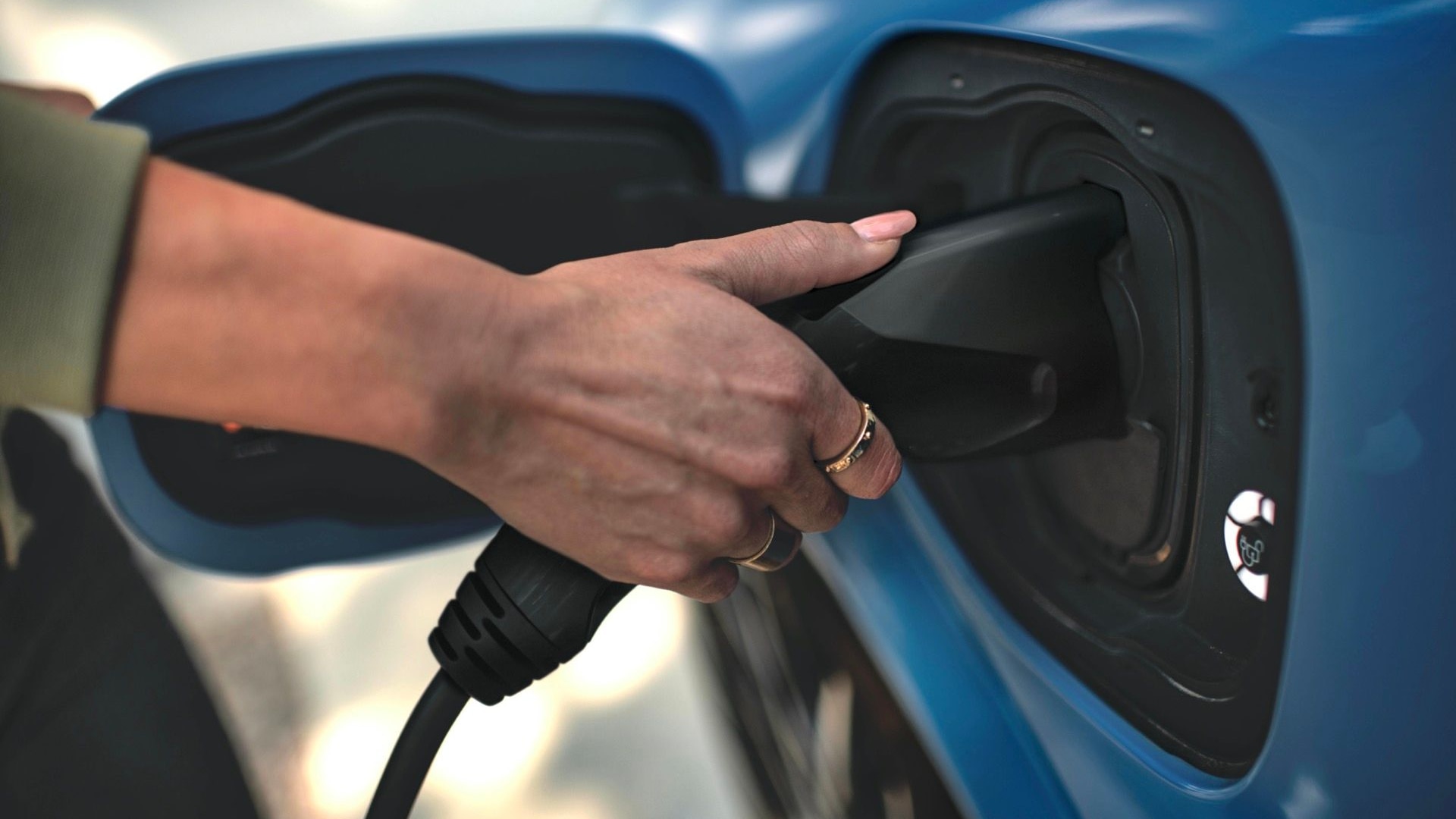
Before leaving the garage, you plug in your 2011 Nissan Leaf and switch the charger on. And the whole neighborhood goes dark. Your EV was the straw that broke the camel's back, the grid already maxed out. An unlikely scenario?
Not if the concerns of Toronto Hydro energy chief Anthony Haines are to be believed. Speaking to an audience at Ryerson University, Toronto, Anthony said that just 10 percent of homes on any street charging their EVs would be enough to crash the system.
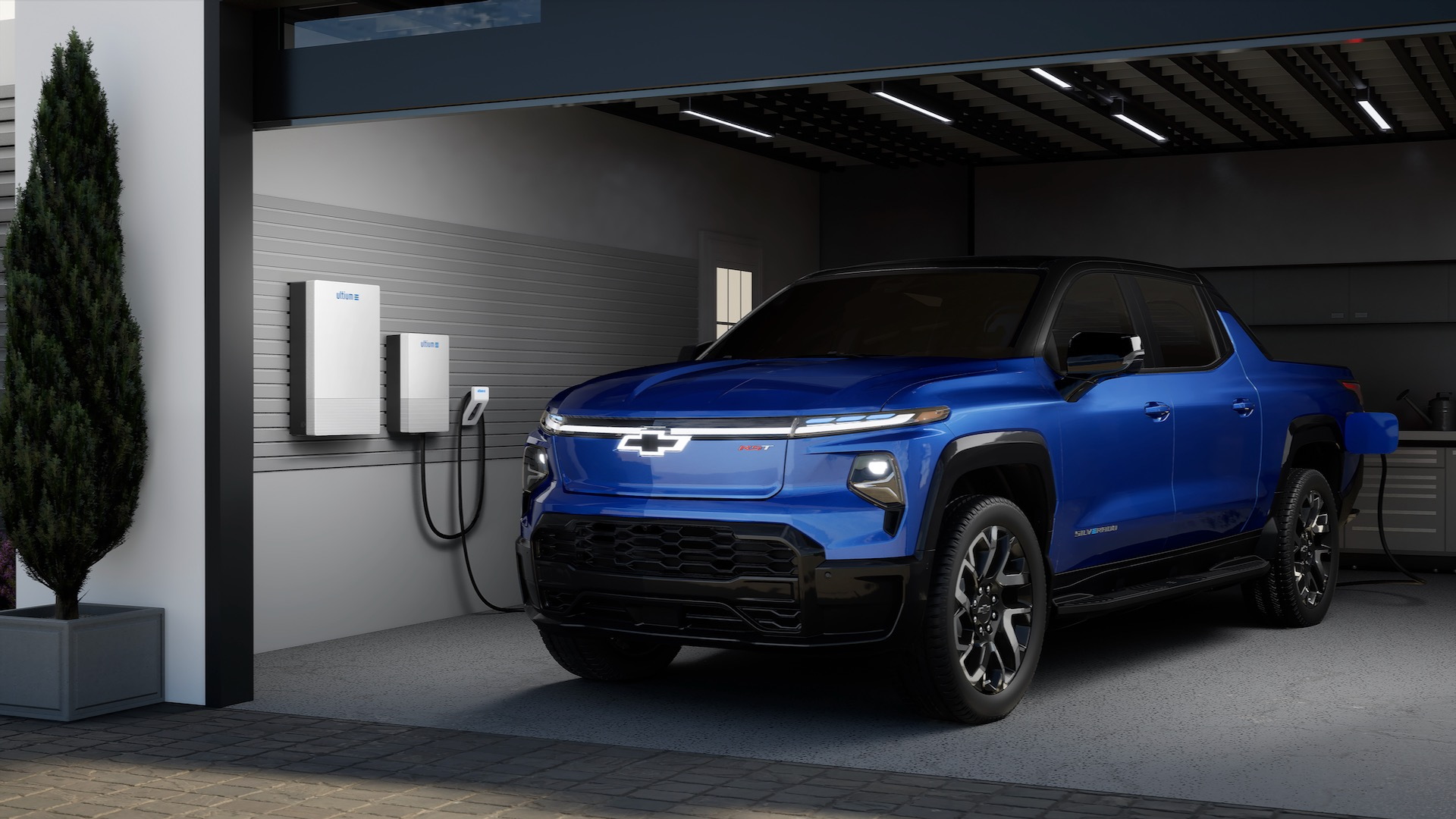
According to Toronto Hydro, recharging an electric car's battery consumes around triple the amount of power typically used in the average home, and as many people will plug in when they get in from work, the extra load would come at the peak time.
So, should we be worried? It's hard to tell at this stage. Representatives from power companies in Detroit and Los Angeles have already dismissed any chance of EVs bringing down the grid.
Research by the Electric Power Research Institute (EPRI) and Natural Resources Defence Council (NRDC) back in 2007 reckoned that if even a third of all miles in the U.S. were powered by the grid, electricity demand would increase by less than 10 percent. Recharging an EV is said to draw about the same current as running four plasma screen televisions.
Conflicting information then, but grid load does of course depend on where you live and the capacity of the nearest power stations. Although Detroit and L.A. weren't worried, San Francisco were apprehensive about "clusters" of EVs in certain streets, where high loads would be concentrated rather than spread across a city.
Anthony Haines thinks that "innovative solutions" are needed to handle the load, and off-peak charging wherever possible will help too - setting a timer to begin charging later on, for example. He also thinks that renewable energy is underused in cities at the moment, but even if it were used more widely, the current system isn't wired to handle it.
Of course, we've seen energy companies pushing for more power before, but it seems the debate will continue as to whether our grid is able to handle the influx of EVs to the market over the coming years.