Five Things Consumers Want To Know About Electric Cars

 
Follow Nikki

2011 Nissan LEAF prototype

2011 Nissan LEAF prototype

Enlarge Photo

According to a recent report by Nissan, most consumers signed up to buy the 2011 Nissan Leaf are already electric vehicle owners or hybrid drivers.

In short, early adopters are mainly enthusiasts who already know the ins and outs of driving electric.

But what about the general public?

We've sat down and come up with five questions we think Consumers will want to know before they stump up the cash for a new car powered by electric.

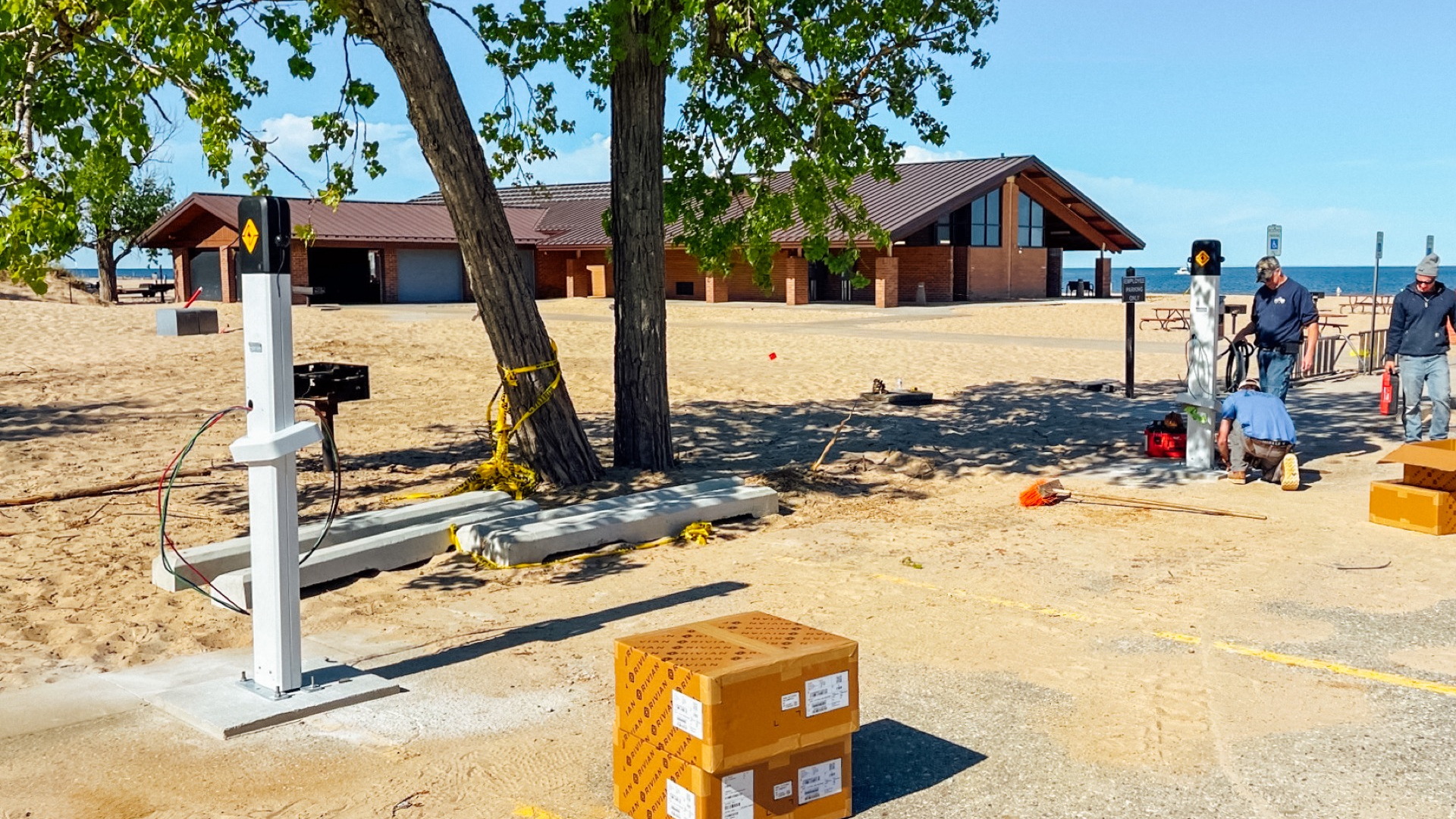
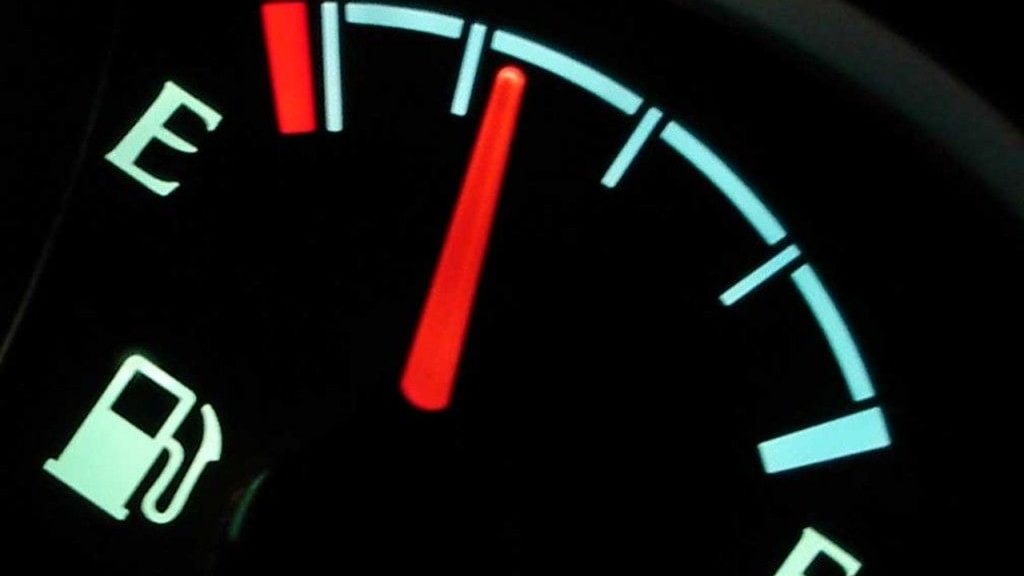
1. How do we refuel?

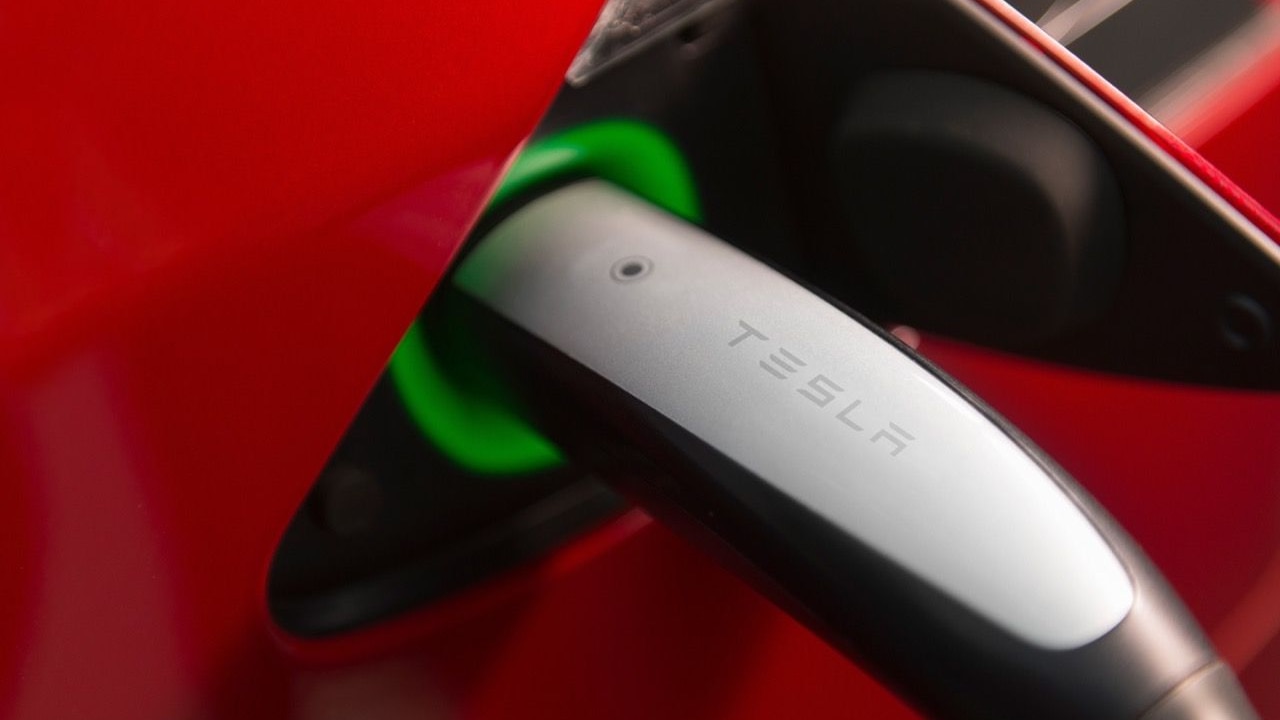
It's a simple question that's often overlooked with a simple answer. - You plug it in.
But let's examine how, why and when. Most consumers will want to know that they have somewhere to refuel at home, and perhaps somewhere to refuel outside the home.

While those who already drive electric and plug in vehicles will know that most recharging takes place at home, most ‘switchers' to electric will want the familiarity of the gas station experience - somewhere they can refuel if they need to, wherever they are.

Google Maps traffic - LAX

Google Maps traffic - LAX

Enlarge Photo
2. Will it drive from Aunt Mabel's to Costco and then to Grandma's?

In everyday use, folks don't want to know an electric car will drive 100 miles per charge. They want to know if it will make the trips they regularly make.

Knowing if a car will make real-life, familiar trips from A to B to C will be more use to consumers than knowing how far it will go in optimum conditions at optimum speeds.

3. What is the true cost of ownership?

Regardless of the sticker price, most consumers want to know how much a car will cost on a weekly or monthly basis.  Basic household budgets need to be able to account for the cost of any car. Electric vehicles aren't any different.

In response, lease schemes look like the favourite way to finance an expensive electric car.  But any calculations and comparisons between gasoline and electric cars need to account for the cost of fuel as well as any finance or lease schemes.

The base model 2011 Nissan Leaf's outright purchase price is $32,780. That's considered expensive by most consumers. But examine the lease price of $349 a month with perhaps $30 of fuel costs, and it seems much more affordable.

4. How fast does it go?

It's the age-old question. Regardless of what fuels the car, consumers want to know how fast it will go, and how quickly it will get there.  And they're unlikely to listen to an excuse telling them the car they're looking at is slow because it's green.
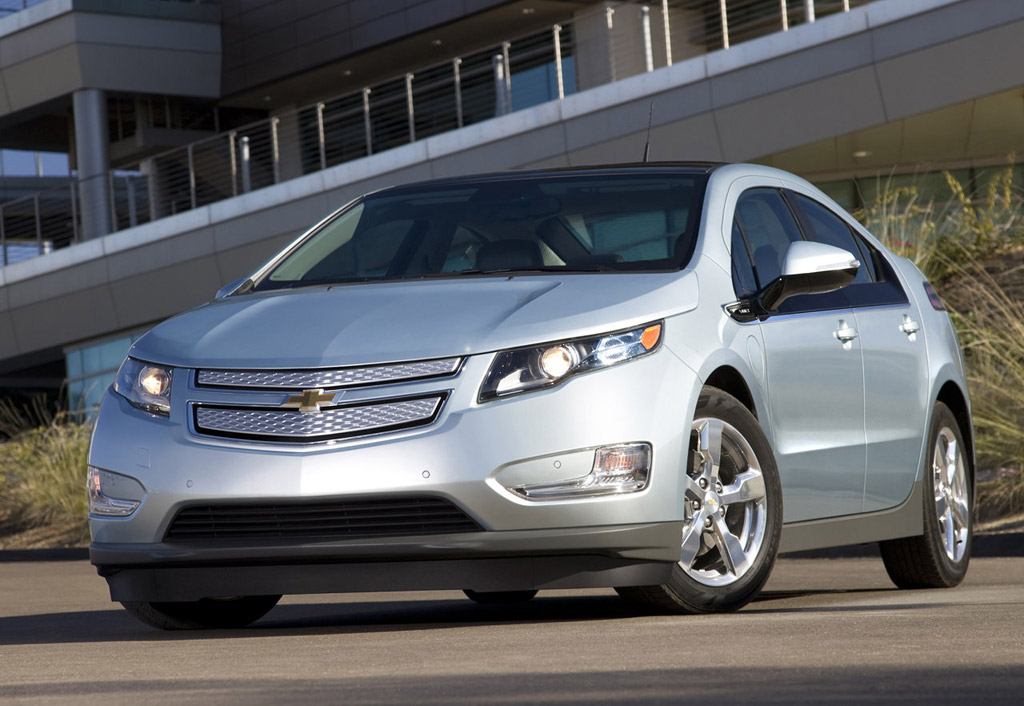
2011 Chevrolet Volt

2011 Chevrolet Volt

Enlarge Photo
5. What’s in it for me?
While we’d all love consumers to act altruistically the truth of the matter is that practicalities    and cost normally come before environmental benefit.

But, social benefits such as free parking, HOV lane access and perhaps kudos of driving electric will help sway the wavering consumer to buy an EV.

In conclusion.

If you haven’t already noticed, the questions we think consumers will ask about electric cars are exactly the same questions already asked of gasoline cars. In short, driving an EV  is about so much more than just being environmentally responsible or a trend-setter. And the sooner car companies realize that, the better.


 
Follow Us


Have an opinion?Join the conversation!

  • Posting indicates you have read this site's Privacy Policy and Terms of Use
  • Notify me when there are more comments
Comments (11)
  1. i am basically practical. i want it to be economical, and get me from a to b.
    since a car is not part of my personality, i find it ridiculous to talk about a car being sexy, etc. they all look fine to me. it is a box of steel that moves me around. wars and environment are even greater concerns for me.
     
    Post Reply
    Vote
    Bad stuff?

  2. "most ‘switchers' to electric will want the familiarity of the gas station experience - somewhere they can refuel if they need to, wherever they are."
    If you want the familiarity of a gas station experience stay with your gas burner!
    Why do journalists continue to promote this myth? Electric cars are not chargeable in 3 minutes, a different lifestyle is required. Starting every morning with a full charge means most days you will never concern yourself with charging on the road. When you do, it will be at work, shopping mall, hotel, camp ground etc. where you will be staying for some time. Nobody will want to go and stand at a charge station for a half hour. Do you really enjoy the "gas station experience" that you are so eager to perpetuate?
     
    Post Reply
    Vote
    Bad stuff?

  3. We're so isolated here in NE Nevada that we wouldn't even dare leaving Elko for any places very far away. Still, the idea of a 100-mile range on an all-electric can be entertained, we just can't leave the city very far. We don't anyway, and, in the interim until more power stations get built in NE, ID, UT, OR, WA, AZ, etc, then, duh, we won't leave the city for very long distances! It can still work, right? Of course it can. Better than constantly running out of gasoline and paying high prices for drilling and pumping more of it into your gas tank constantly. And prices getting jacked up so easily. We've got to get past that.
     
    Post Reply
    Vote
    Bad stuff?

  4. Roy H - it takes about 10 minutes to fill up my SUV but most people do not realize that. You tell them 20min on a fast charge and they are shocked and say it won’t work for them. I think a big states need to roll out incentives for "Plug in while you work" with companies. Most people work 8-9 hours a day. They get to work and plug into a 110/120V outlet and they have a full charge for their trip home and errands. Also, restaurants…think about that add “Have dinner here and charge for free” promotions. It is a culture change =)
     
    Post Reply
    Vote
    Bad stuff?

  5. Just wait for the next spike in gas prices. With China now the largest consumer of energy it is just a mannor of time.....
     
    Post Reply
    Vote
    Bad stuff?

  6. James my man... I don't know why it takes so long to fill your SUV. It takes me less than 5. I pull up, swipe the card, put in the hose, 22 gallons, put hose back and leave. The best case charger is 30 minutes under ideal conditions. Plus you will have to wait in line. They would need to build a power substation next to each "Electric Fuel" station to get more than 12 chargers operational. Dude, EV's place for charging is at home. The straight EV is not for road trips. Go with Volt (EREV) if you want the real deal!
     
    Post Reply
    Vote
    Bad stuff?

  7. JS - I agree I will charge at home 90% of the time. The other 10% will be at work.
    How can I get a Volt? Is it 2014 already? Let’s see….10k in 2011, 30k in 2012 does that mean 60k in 2013? Guaranteed dealers are going to mark up $10k over MSRP for the next two years. It would be nice but not worth the investment. =)
     
    Post Reply
    Vote
    Bad stuff?

  8. Agree that the majority of charging will be at home and at work. I drive a lot of miles but even with that I figure I might need to use a rapid chargrer only 3 or 4 times a year.
     
    Post Reply
    Vote
    Bad stuff?

  9. Roy -
    I think you misunderstood me. I'm a hardened EV journalist and I really do want EVs to succeed. And I'm not perpetuating the gas-station myth either. I've owned four EVs and I always charge at home for a full charge every day.
    However, given the number of folks I passed on the freeway yesterday who had run out of gas there will be folks who aren't organized enough to remember to fill up!
    My point was that many consumers who don't know EVs will panic (psudo range anxiety) if there's nowhere they can charge up away from home. And you're right, charging will take place at malls, etc.
    I meant the familiarity of knowing there's somewhere to fill up - not the actual literal experience of pumping gas! ;) Hope that clears it up. My bad!
     
    Post Reply
    Vote
    Bad stuff?

  10. There is no way range anxiety is not gonna play in ta this whole thing in a big way. I say let the Fed's contribute hugely to the States' individual expenses towards building re-charging infrastructure. If Obama feels so strongly about supporting green vehincles and he'll bail Companany's like GM out, then let's ante up towards all-electrical re-charging stations. If they were ta grid out the entire U.S. geography (except for large portions of Montana and Alaska and other vast places where people aren't gonna drive) for re-charging stations, how much would that cost? Upwards of a trillion dollars of aid went out to bail out banks and auto companies, which really don't care about us individually that much at all, so how about really putting out to support the green movement? Does this sound do-able? The whole thing would launch much quicker if the Fed's would fully-completely support it. After all, if BO wants it, the US taxpayers will get it for him, right...and tight?
     
    Post Reply
    Vote
    Bad stuff?

  11. Why is no one touching the question of insurance? I wouldn't buy any car w/o knowing how much it is to insure first. Since eco cars aren't particularly marketed toward the sporty or luxury market, you'd think insurance would be low. But for any car new to the market, insurance companies consider how hard it is to get replacement parts, and newly marketed cars have fewer non-OEM parts. For this reason, and because these cars are more expensive off the lot, I would think insurance would be higher than a comparable gasoline car. Anyone know?
     
    Post Reply
    Vote
    Bad stuff?


Have an opinion?Join the conversation!

Find Green Cars

Go!


© 2011 Green Car Reports. All Rights Reserved. Green Car Reports is published by High Gear Media. Send us feedback. Stock photography by Homestar, LLC.