More than anything else, one of the most appealing things about electric cars is being able to sit inside, every morning before going to work, to see a full battery gauge staring back at you.
This isn't possible with internal combustion vehicles, because local planners get a little suspicious if you try to have a gas pump and huge underground tank installed at your house.
An electricity supply, on the other hand, is much easier to find, and it's the reason most electric car owners do most of their charging at home.
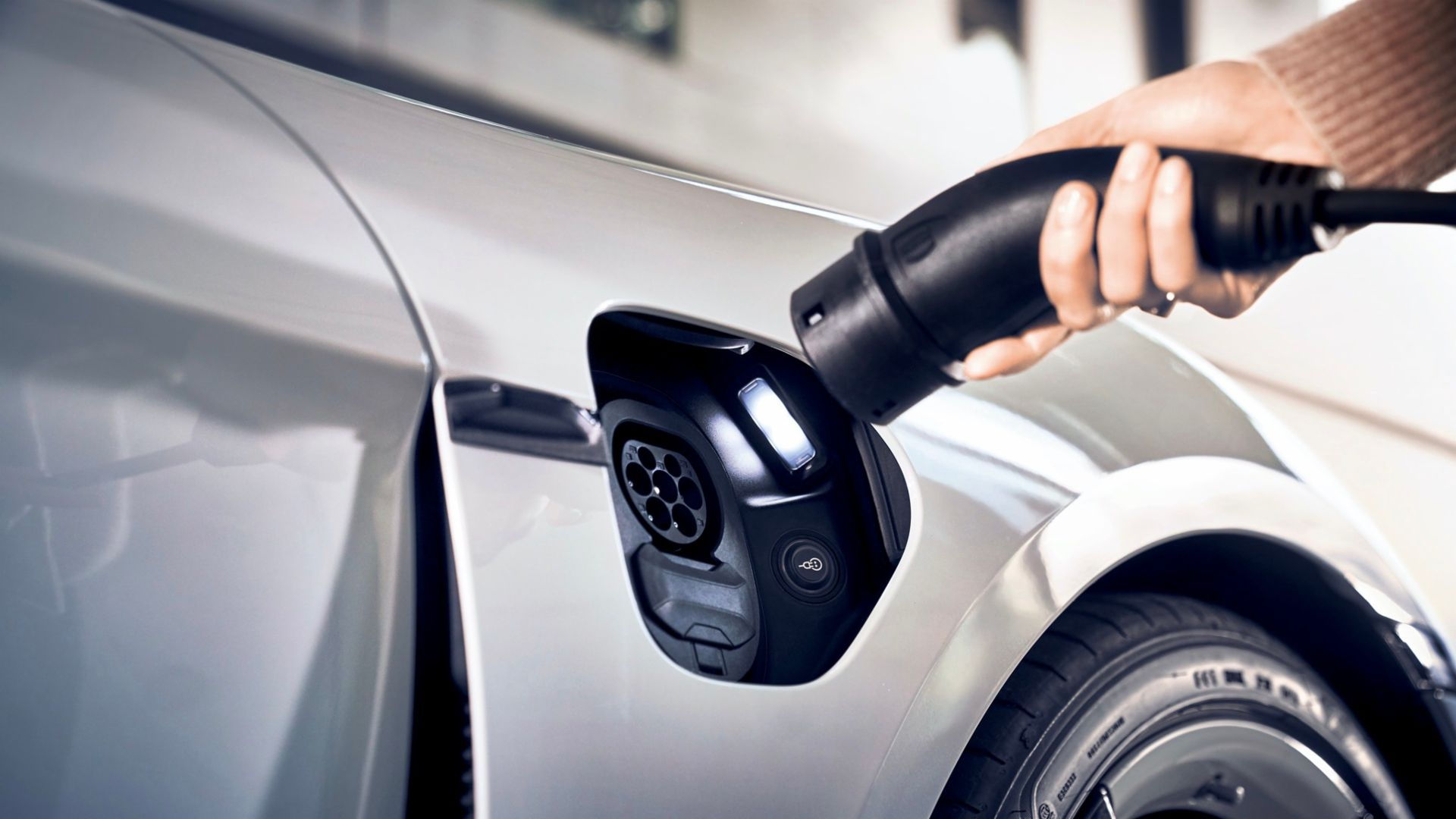
For Fremont-based Shinya Fujimoto, home charging has gone one step further, with the installation of a 240-volt, Blink-manufactured 'Level 2' charging station.
"I wanted to make sure I got it before I got the car," says Fujimoto, who drives a Nissan Leaf, owned since Spring 2011. As Mercury News reports, it's a common upgrade for those charging at home, allowing much quicker charges than the typical 120-volt outlet.
We've covered the differences between Level 1, Level 2 and Level 3 charging before, but it's worth reiterating for those new to the electric car scene.
Level 1 - 120V
This is your typical power outlet, such as you'd plug a toaster or TV into. If you have a garage, you'll almost certainly have a few outlets handy, but for charging an electric car with its large battery, it's not the best option. It'll do the job, but a car running low on charge may not even have charged by the morning if you left it on all night.
Level 2 - 220-240V
These are typical of installations for home charging. If Level1 takes the best part of a day to charge a Nissan Leaf from empty, Level 2 reduces that down to less than 8 hours. It will typically need wiring in to the circuit, requires a 40-amp circuit breaker, and usually requires a permit for the installation--but the job itself is simple enough and can be handled by a qualified electrician.
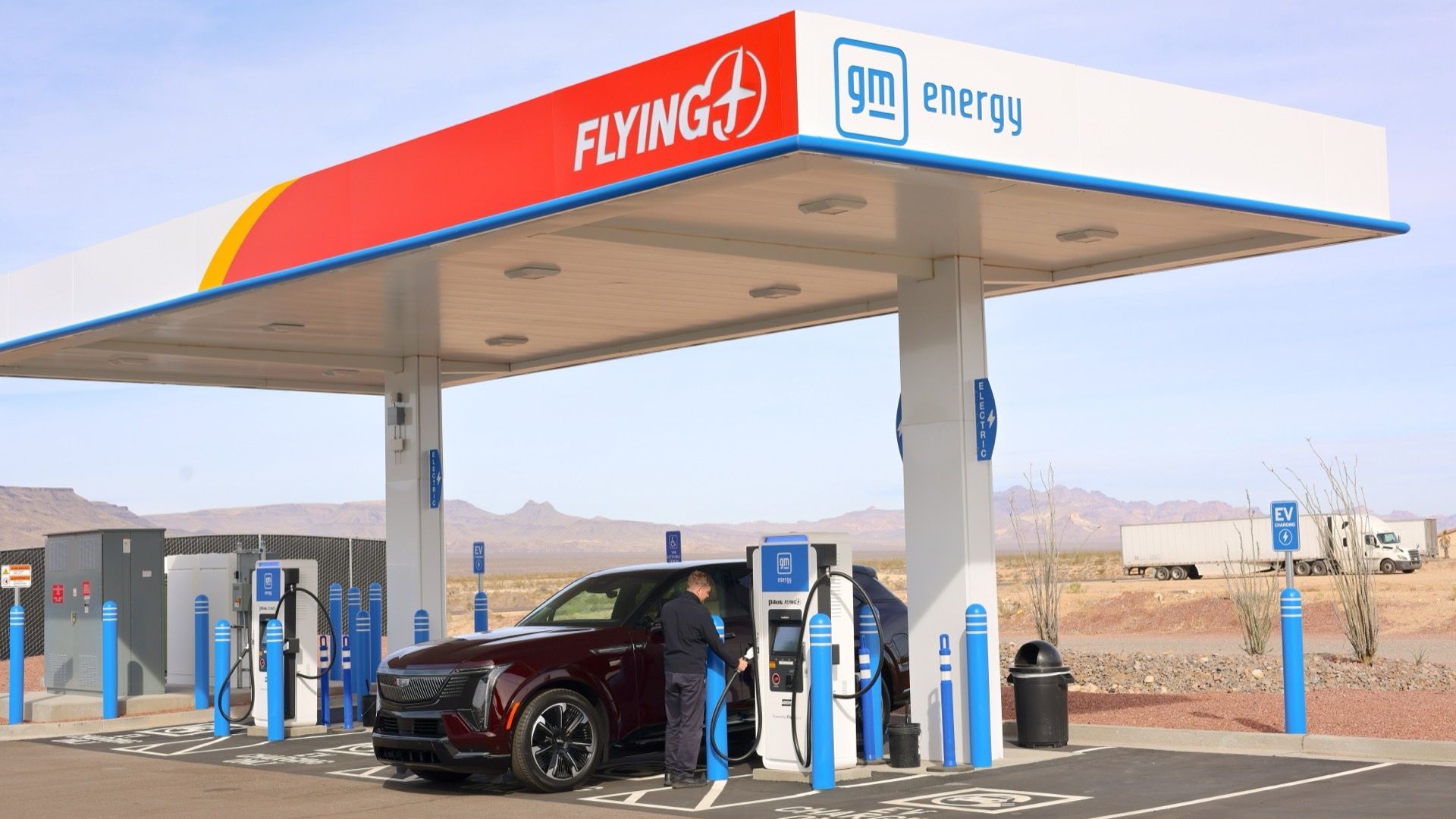
Level 3 - DC fast charging
These are less common for home charging, but commonly found at dedicated charging sites. The car is charged by direct current, often 480V, and usually via a dedicated socket and connector type, such as the CHAdeMO system.
What should you know?
Level 2 charging is becoming popular for electric car owners charging at home, for the aforementioned reasons.
It's easy enough to install, charges the average electric car in a suitable amount of time (a charge overnight is usually enough to top up the car) and doesn't put the battery under undue pressure--some carmakers recommend against repeated fast charging as it can damage the battery.
Companies like ECOtality are seeing 240V charging stations getting increasingly popular, and it's now possible to buy such installations from hardware stores, as well as specialist channels. The company has installed over 6,500 home chargers nationwide.
The company recommends you do a little research on just what your car can handle. If you're thinking about buying an electric car with higher charging capacity in the future, you could look into future-proofing yourself by purchasing a higher-amp charging station.
If you're looking to save money, schemes like the EV Project run by ECOtality allow you a free charger (in some localities), provided you're happy to share charging data with the federal government.
To the average guy on the street all this may seem too much like hard work, but it's actually easy enough, and plenty of companies out there will be only too happy to advise you.
And it'll all be worth it that first time you go to work in the morning with a fully-"fueled" car--and every morning after that, too.
+++++++++++