Electric cars, as you might have gathered, are quite different from their gasoline or diesel-fueled counterparts.
Sure, they might look similar on the outside--for the most part--but under the skin that alternative source of propulsion brings with it a host of new challenges.
That continues to apply with servicing. If you're the type who has always done their own vehicle servicing, an electric car might be the vehicle to make you go back to professional dealership maintenance.
Danger! High Voltage
On a regular car, many jobs require you to isolate the battery before undergoing maintenance, particularly anything associated with the electrical system.
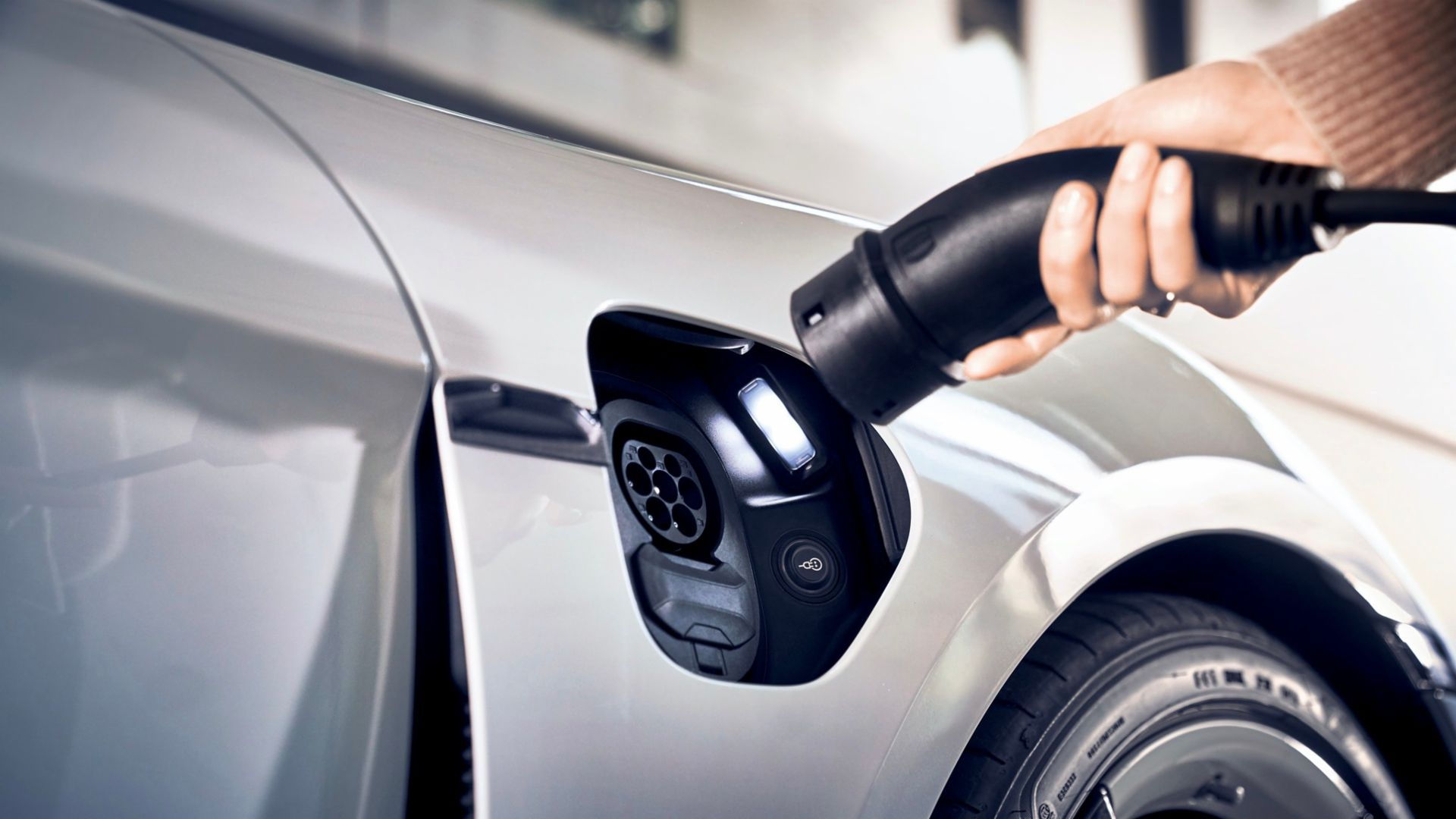
It's not so easy with an electric car. While essentially a simple vehicle, the network of high voltage cables running between battery packs, chargers, electric motors and inverters aren't to be messed with by the inexperienced.
Luckily, they're denoted by bright orange cable covers, seen under the hood of most electric cars and many hybrids. That should at least provide a visual warning to the components you probably shouldn't try and work on.
Less to maintain
There is another side to it of course--electric cars simply don't require as much maintenance as their combustion cousins.
A recent study suggests that servicing an electric car over 8 years will cost only two-thirds that of a regular vehicle. Brakes see less wear, there are few fluids to replace, and filter changes are redundant.
Basic servicing is still within the grasp of the home mechanic. Tire rotation, topping up washer fluid and replacing wiper blades are likely to be the most frequent tasks, and none requires any special technique compared to a combustion vehicle.
Servicing at the dealer
Most electric car servicing should really be carried out at your dealer. Technicians will already have received suitable training to deal with your new electric car, and they'll have the right tools for any unique components.
Nissan has already said its dealers will be prepared for large jobs like battery removal and inspection, which would be near-impossible for the home mechanic and probably beyond most independant shops, too.
Software updates are also the preserve of dealers. Nissan Leaf owners have benefitted from several updates in the last few years, and Tesla recently announced an update to improve the functionality of the car. The latter can actually be downloaded wirelessly--which is about the extent of owner involvement when it comes to maintenance in such a car.
+++++++++++