Advertisement

Want To Charge Your Electric Car From Two, 110-Volt Sockets? Think Again

 
Follow Nikki

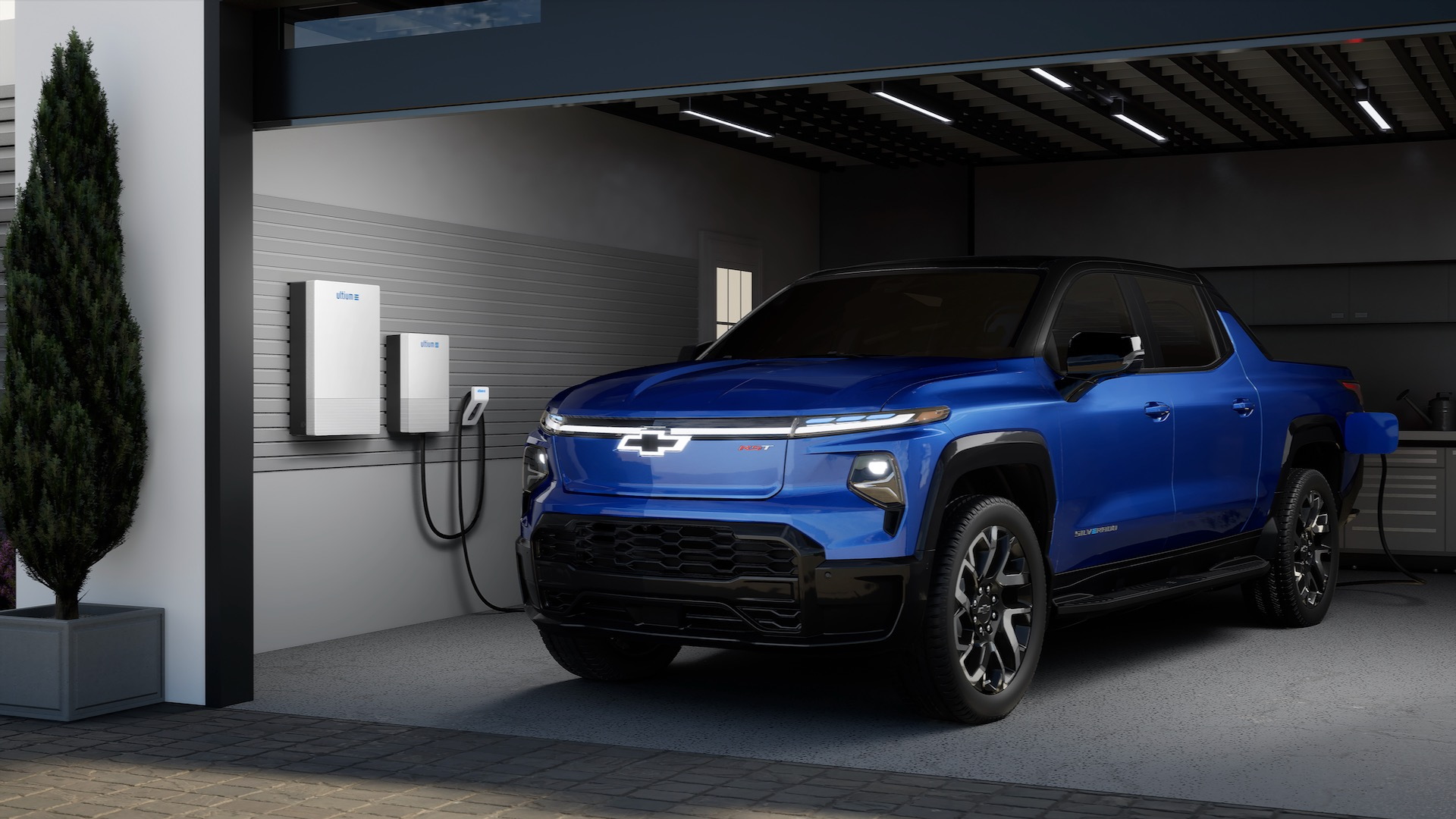
2011 Chevrolet Volt 240V charging station

2011 Chevrolet Volt 240V charging station

Enlarge Photo

Related Photo Galleries


See more photos »

In our modern world, electricity is literally everywhere, easily assessible from a 110-volt outlet. 

That’s fine for running things like laptop computers and televisions, but when it comes to electric cars, charging at 110-volts takes forever. 

One solution, as some electric car drivers have discovered, is to use a product that combines two, 110-volt outlets to provide 240-volts of electricity that can power a modified, portable level-2 charging unit


But as a friend who recently sold a 240-volt air conditioning unit discovered, powering a 240-volt device from two 110-volt sockets is normally a really, really bad idea. 

As the friend explained, the couple who purchased his air conditioner didn’t have a suitable 240-volt, high current outlet to plug the unit into. Instead, they purchased a 110-volt bridging converter, designed to combine two separate 110-volt supplies with different phasing to provide 240-volts. 

Charging Cable and Socket

Charging Cable and Socket

Enlarge Photo

They phoned him up a little while later, complaining the unit wasn’t working and that there was a burning smell coming from the converter unit. Essentially, they had tried to draw more power from the combined sockets than they were safely capable of. 

In a home, most outlets are rated to provide between 10 and 15 amps at 110-volts, while specialists 240-volt outlets for driers and kitchen appliances may handle 30 amps or more. 

Electric car charging stations with dedicated electrical wiring or dedicated sockets will have been fitted with suitable grade wire that can handle the high current that level 2 charging stations demand. 

A bridging converter on the other hand, isn’t designed to supply the high currents that electric car charging stations require for long periods of time. 

Not only that, but in older houses with smaller gauge wiring, pulling a constant 15 amps or more from multiple wall outlets could overheat the wires in the wall, causing more than just a funny smell

Our advice? 

Where possible, use a dedicated charging station and/or wall outlet dedicated to safely providing the right power to charge an electric car. 

And if you’re away from home?

Always. Plug. Your. Electric. Car. Into. An. Outlet. You. Know. Is. Rated. To. Take. The. High. Current. Of. Charging

Thanks for listening. 

+++++++++++

Follow GreenCarReports on Facebook and Twitter.


Follow Us


Have an opinion?

  • Posting indicates you have read this site's Privacy Policy and Terms of Use
  • Notify me when there are more comments
Comments (10)
  1. Have your electrician check your outlets and wires. Not just for older homes. Low cost stab in outlets coupled with smaller gauge wires often equals a fire under long periods of electrical loads.
     
    Post Reply
    Vote
    Bad stuff?

  2. It's all good but there's no such thing as 110 volts in the US; only 120... We also use gas instead of kerosene.
     
    Post Reply
    Vote
    Bad stuff?

  3. 120V/15A is the peak rating. If you charge your EV on it or use a sustained load, it better be derated to lower setting, 10-12A for a newer outlet. Wiring is rarely the problem if NO multiple load is running on the same wire. Typically for outlets, it is the contact surface of the outlet that is the issue.
     
    Post Reply
    Vote
    Bad stuff?

  4. "But when it comes to electric cars, charging at 110-volts takes FOREVER" Actually it only takes the average EV driver who is charging at home about 7 hours to replace the 9kWh used to travel the national average of 36 miles per day. This is assuming there is no workppace charging or transit charging. This is hardly 'FOREVER' and fits just well with the average 7.5 hours that people sleep. Leaving every morning with full charge.
    Over 77% of charging to date is Level 1.
     
    Post Reply
    +1
    Bad stuff?

     
  5. Agreed. Our LEAF has driven over 8K miles in the past seven months charged at 120 volts in my garage supplemented by occassional opportunity charging. 100 miles a day would come out to 36K/year and, call me crazy, but that's just not very common :-)
     
    Post Reply
    Vote
    Bad stuff?

  6. Could you explain how you came to the conlusion that the Quick220 (A "bridging converter") "isn’t designed to supply the high currents that electric car charging stations require for long periods of time."? For that matter could you reference some specific "bridging converters" that you are familiar with which would not be suitable for using in conjuction with you a 240 volt EVSE? What was the model of the "bridging converter" used in the story about the AC unit?
     
    Post Reply
    +2
    Bad stuff?

  7. also u will pay 2 the amount as if u were using a 240 outlet.
     
    Post Reply
    Vote
    Bad stuff?

  8. Nikki, is it true that you attempted to add a battery pack to your Prius but you did it in an unsafe manner which caused the pack to explode and catch fire, totally your car? If so that would explain why you have a fear of electricity and insist on spreading unsubstantiated and out right false FUD.
     
    Post Reply
    +1
    Bad stuff?

     
  9. Keith,

    Thanks for the comment.

    You're right on one part: back in 2009 I had the unfortunate experience of having a Prius battery pack run into thermal runaway on a self-converted plug-in Prius due to inadequate cooling.

    And yes, I accept responsibility for that incident. We learn from our mistakes.

    However, I'm curious: what exactly is false about the story above?

    In all houses, especially older houses with older electrical wiring, plugging any high-current appliance into the wall outlet comes with its own risks.

    Unless you are absolutely sure that the electrical sockets in your home share an equal load, plugging a bridging converter into two 110-volt sockets to charge an electric car isn't a great idea.

    Regards
    Nikki.
     
    Post Reply
    Vote
    Bad stuff?

     
  10. But in my country we have 220 volts but we have electric cars how is this possible? Even the car Sockets are same.
     
    Post Reply
    Vote
    Bad stuff?


Have an opinion?Join the conversation!

Advertisement
Advertisement

Find Green Cars

Go!

Advertisement

 
© 2013 Green Car Reports. All Rights Reserved. Green Car Reports is published by High Gear Media. Send us feedback. Stock photography by Homestar, LLC.