VW Talks Future Tech: Plug-Ins, Natural Gas...
2013 Nissan Leaf: Driven Through Tennessee...
Could Small 2015 Chevy City Express Van Offer...
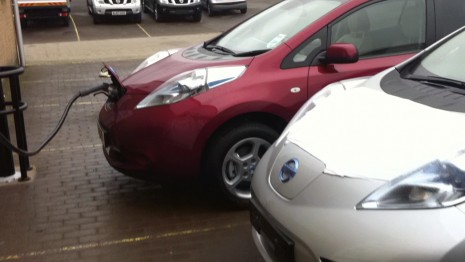
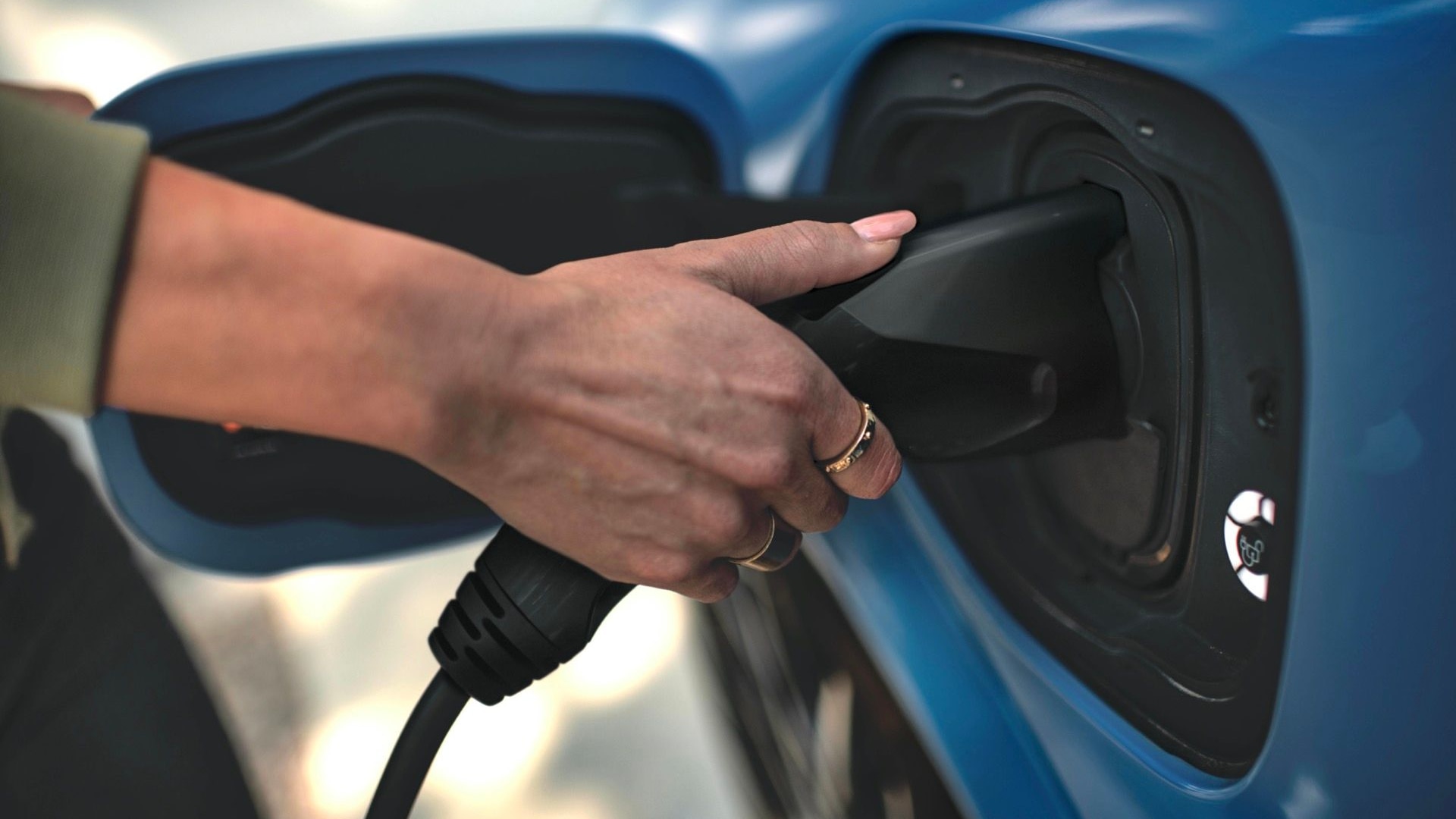
To help make electric cars more palatable for long-distance driving, the 2012 Nissan Leaf SL and 2012 Mitsubishi i can be rapid-charged from empty to 80 percent full in around 30 minutes using specially-designed Chademo rapid charge stations.
For those using them, rapid charge stations provide a welcome alternative to slower, level 2 charging stations, but require up to 50 kilowatts of instantaneous power from the electrical grid in order to work, leading some to worry about the strain that they place on the electrical grid.
The solution, developed and deployed in Chicago by electric car infrastructure firm 350Green, AllCell Technologies and the Illinois Institute of Technology, is to power the charging stations from big battery packs.
As part of a smart-grid pilot project, the large-capacity battery packs slowly charge from the electricity grid when demand is low.
When grid demand is high, the packs can then feed power back to the grid as required, also providing the necessary power needed to operate a rapid charging station.
By combining storage and charging capabilities, the project aims to develop a solution that does not negatively impact the electrical grid.
But by charging up the large storage batteries at night-time when electricity is plentiful, it could also lower the cost of rapid charging.
+++++++++++

Follow GreenCarReports on Facebook and Twitter.
Have an opinion?
Faulty logic. Those storage batteries will cost A LOT and will not last beyond a few thousand recharges before needing replacement. This will HEAVILY impact the cost of charging and drive it up, up , up. UNLESS... those WSU batteries come along
(as they claim) within the next 12 months. They will cost money
(but only a third as much or less) but will last a very long time. Overall, additional grid capacity is a much more cost effective solution. It will be quite a while before EVs put much strain on the grid - people won't just throw away their $40K gas powered vehicles - no reason to
that, since the vast bulk of public charging will occur on the interstates, which means the gas (charging) stations located along those routes do not have the electrical capacity, special charging grids will be created by utilities to service only those
customers. Here is the perfect situation for SMR, small modular reactors of 300 or less MW capacity. One such SMR could charge each of 45,000 EVs with 80 kWhrs during each 12 hour period. SMRs, unlike baseload reactors, can ramp up and down at will. SMRs can produce emission free power cheaply. If I were head of Dom Resources, I would be planning right now for the I95 corridor.We have all the refueling data we need already.
http://lmbcorporation.com/
http://www.ted.com/talks/lang/en/donald_sadoway_the_missing_link_to_renewable_energy.html
Neil
Have an opinion?Join the conversation!