Has the electric-car industry passed through its first-year euphoria and entered a sophomore slump?
That’s the question on our mind after dozens of panels, presentations, meetings, and corridor chats at the 26th annual Electric Vehicle Symposium. EVS-26 is being held through today at the Los Angeles Convention Center.
It's hard to summarize an event this broad, but a number of themes have emerged. Here's our listing--in no particular order--of the questions we've heard discussed:
What is happening to sales of the Nissan Leaf?
They’ve fallen substantially in the last two months, and total Leaf sales in the U.S. have been overtaken by those of the Chevrolet Volt for the first time in 16 months. Fewer than 400 cars a month will not build an electric-car population in the U.S.--and Nissan is now offering Leaf leases below $300 a month.
We won't declare a sales problem until there have been three or four months of rock-bottom sales figures. We didn't do that with the Volt, either, which is selling quite well right now. But Leaf sales are definitely an area of concern.
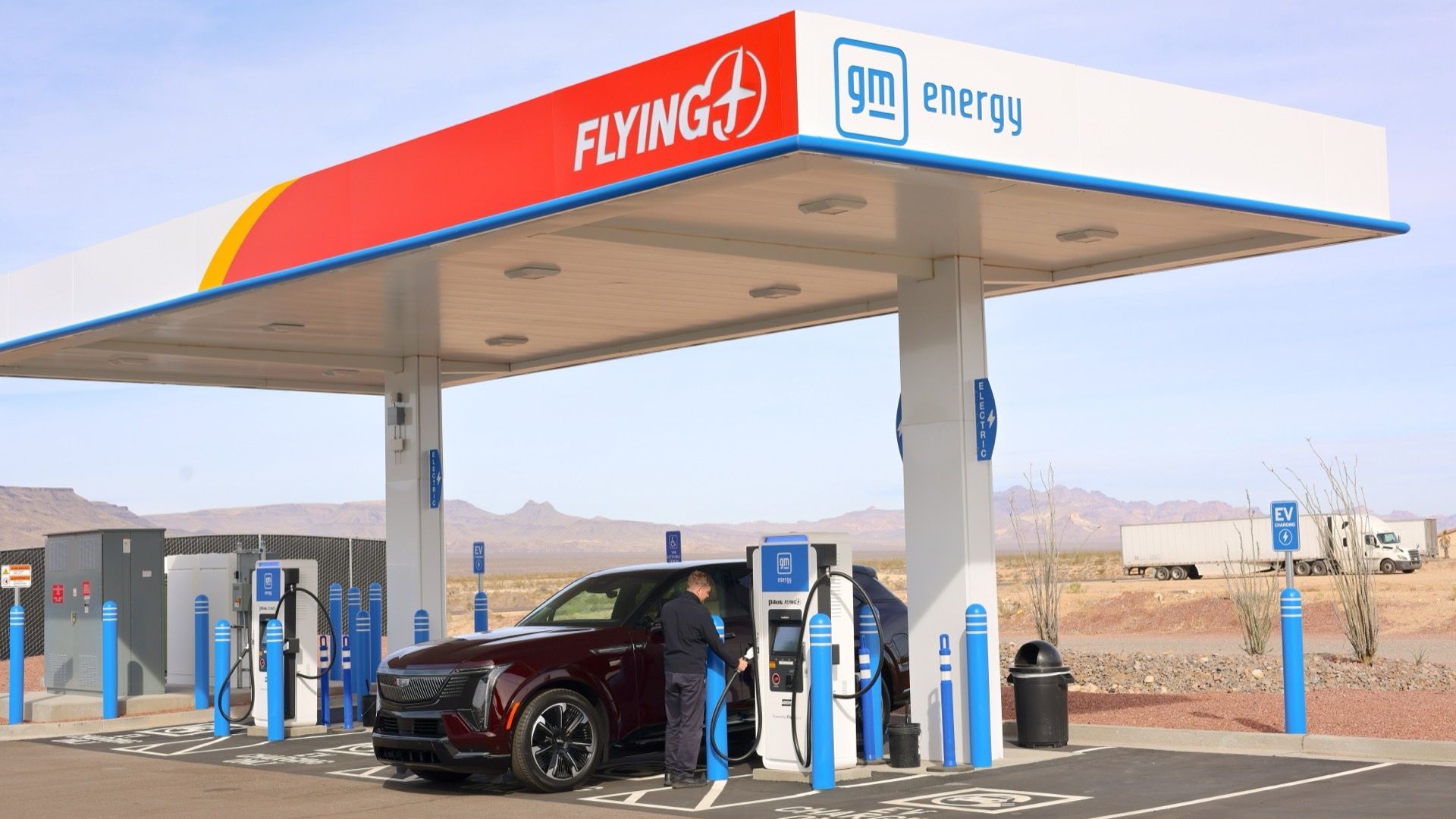
Are we installing too many public charging stations? And are they in the right places?
Hundreds of millions of dollars of Federal and state funds and incentives have gone toward rolling out networks of charging stations, set up by a several private companies with varying membership and rate requirements.
Early data shows DC quick-charging stations along the electric-car corridor in Oregon are getting high usage in unexpected places.
But will there be a glut of Level 2 stations--and does it make sense to seed electric-car charging in areas where early adopters may not live, work, or travel?
Has the political firestorm around the Chevy Volt died down?
Or as Brian Wynne, executive director of the Electric Drive Transport Association, put it with unusual passion, "What the hell is going on with some of this commentary?"
Reviewing a year of often fact-free and context-challenged news coverage of plug-in cars, he said it was important that the industry work to educate the public, and keep the long game in mind.
Other conferees discussed the dearth of anti-Volt diatribes over the last six weeks from usually hostile media sources. With the NHTSA investigation into Volt battery-pack fire risks concluded and Congressional hearings on the topic long past, has the Volt-failure meme lost its news attractiveness?
Or was quiet pressure exerted behind the scenes? Inquiring minds want to know--but that may never happen.
Will sales of the Toyota Prius Plug-In Hybrid plummet once the California HOV Lane permits for plug-in hybrids have all been issued?
More than one conferee related tales of Prius Plug-In buyers who bought the car purely to get back into California’s HOV lanes. Would they plug it in? Ehhhh, why bother?
Factoring in the $2,500 Federal credit and the time value of HOV-lane access, buyers seem to figure they break even or better on the plug-in Prius.
But once the 40,000 "green sticker" permits are gone, does the Prius Plug-In have staying power?
No more NEVs, few fuel cells
At the last EVS in the U.S., which was held in Anaheim in 2007, most of the electric cars on the display floor were low-speed or neighborhood electric vehicles. And hydrogen fuel-cell vehicles were quite visible as well. Now, it was all about Teslas, Volts, Leafs...and you could count the fuel-cell cars on the fingers of one hand.
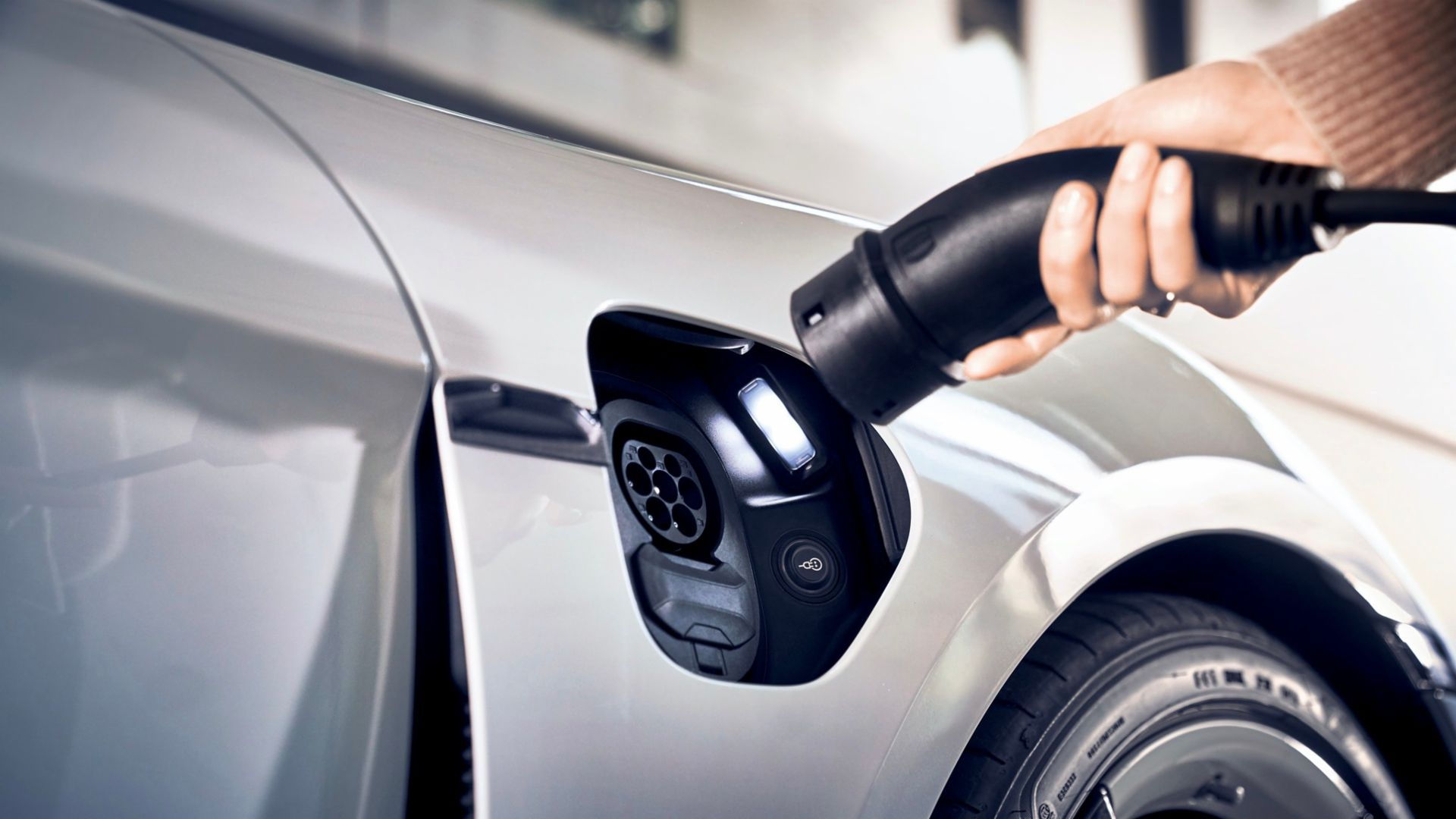
SAE Combo or CHAdeMO for DC quick-charging?
German carmakers and European equipment providers came together in a unified display to show their support for the DC quick-charging expansion of the J-1772 plug standard. It will compete with the Japanese CHAdeMO standard available on Nissan Leafs and Mitsubishi 'i' models.

2012 Toyota RAV4 EV launch at EVS-26, Los Angeles, April 2012
Will standards for the Combo charger be finalized in July? That's the drop-dead date if equipment is to be prototyped and tested in time for it to be rolled out in late 2013 for 2014 model-year cars.
Everyone from diehard Combo supporters to conspiracy theorists weighed in on this one, which may have been the biggest question of the show.
Stay tuned. There will be more on that one.
In the end, despite some of the worries, the show floor bustled with attendees scanning the cars, equipment, and services from dozens of vendors. And compared to 2007, the industry has changed forever.
Then, Tesla was still working toward production launch of its Roadster—the first modern electric car. Now, mass-produced plug-in cars are offered by three global automakers, with a few more on the way—and low-volume electric cars coming from many more.
So while the euphoria of last year's launch of modern plug-in vehicles may have dissipated, the conference seemed less about sophomore slump than about settling in for the long haul.
There's a huge public education effort coming--the subject of today's EVS plenary--and most of the public has only a vague awareness that plug-in cars are now available at car dealers. Or none at all.
So now it's up to the industry to do the blocking and tackling of building an expensive emerging technology into an enduring and permanent piece of the global auto industry. And that seems to be exactly what most conferees have been doing.
“This will be a marathon, frankly, and I think people should keep the faith,” said Tony Posawatz, formerly product line manager for the Chevrolet Volt. “We’re still learning every day, and that will continue.”
+++++++++++