Tesla Model S 'Get Amped' Tour: 5,000 Test...
Buying A 2012 Tesla Model S: Pros & Cons Of...
Tesla Buoyant After 2012 Model S Launch...
The last U.S. volume carmaker started from scratch by entrepreneurs whose brand is still with us was Chrysler, and that was in 1924.
But Tesla Motors and Fisker Automotive are both looking to change that.
Tesla started a few years ago with its electric Roadster sports car, and is about to introduce its first mainstream model, the 2012 Model S electric sedan. Fisker just launched its first electric car, the range-extended Karma sedan.
Both are technologically advanced, but which one is better?
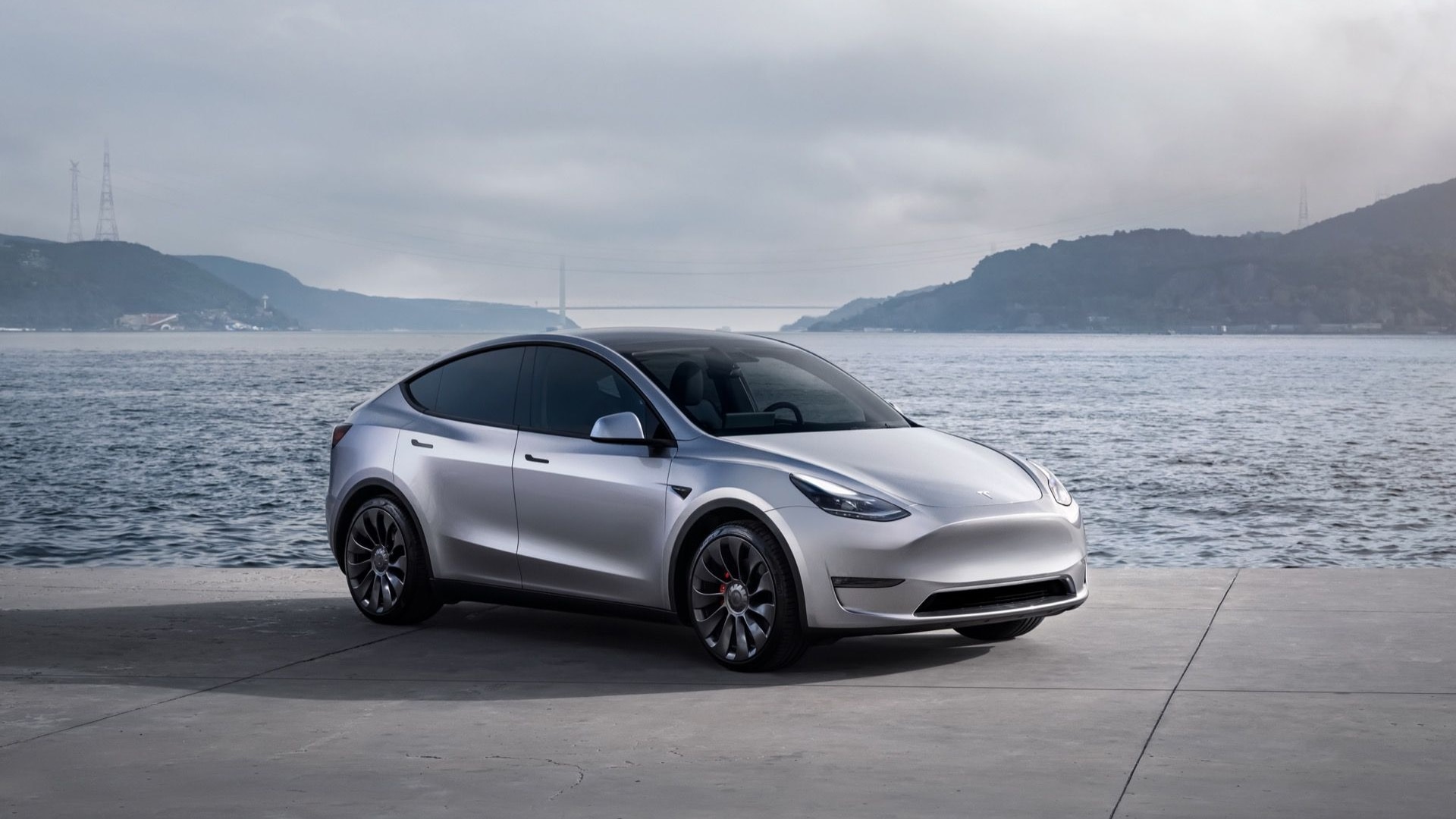
The Model S is an all-electric sedan with three battery pack options ranging from 40 kilowatt-hours to 85 kilowatt-hours. Tesla estimates the range of those battery packs is 160 miles and 300 miles, depending on the pack size.
With a top speed of 130 mph in some models, the Model S is truly an electric luxury sports sedan. A main feature inside the car is a 17-inch touchscreen which takes up the entire center console. With a base price of $57,400, Tesla says the first Model S cars will be delivered to customers later this year.
The 2012 Fisker Karma features a range-extended powertrain similar in nature to the Chevy Volt.
With a 20-kilowatt-hour battery pack powering twin 150-kilowatt (200-hp) electric motors, Fisker says the Karma can travel up to 50 miles in electric-only mode--though the EPA rates the electric range at 32 miles and gives it a 20-mpg rating in range-extending mode.
The generator is a 2.0-liter turbocharged Ecotec four-cylinder sourced from General Motors. The price on the 2012 Karma has jumped a few times, and it now starts at $103,000.
Both of these new vehicles are radical designs from new kinds of car companies. Whether either will succeed is yet to be seen.
Watch our video debate and let us know in the Comments below which vehicle you would choose--and why.
+++++++++++

Follow GreenCarReports on Facebook and Twitter.
Have an opinion?
Anyway, considering that the Model S can carry 7 passengers and has a "frunk" for storage in addition to the hatchback, versus the Fisker Karma which has no space, it would have been worth a mention.
Also, the deposit is $5000, $40,000 is only for the signature edition.
Let me make this a lot more interesting. April 6th, 2012 - New York International Auto Show. Fisker will show you the "Project Nina"
For the $ - Fisker Nina gets my vote.
Also, which 1,000 or so Karmas have been delivered, I wouldn't exactly call it a smooth rollout and something to be proud of.
A hybrid is a hybrid, an EV is an EV, leave them in separate categories. it's simple... if gas goes in it, it's not an EV it's a hybrid.
"Definition: A hybrid vehicle is a vehicle that uses an on-board rechargeable energy storage system (RESS) and a fuel based power source for vehicle propulsion".
I am not condemning hybrids just pointing out the difference.
As for the Fisker Karma, they haven't been shipping that long but look to be on track to sell in numbers similar to the roadster at a similar price in a car that is slightly more practical but still pretty small.
Honestly, I can see way there is so much excitement (and skepticism) about the model S. If Tesla pulls this off, on time, on price, and on quality, it will be a revolution.
The proper comparison for the Fisker Karma is the Volt. The Volt is vastly superior in engineering, quality, practicality, and economy. The Karma is better looking and has marginally better acceleration.
Comparison for the Model S gets harder as it is not in the same price bracket as the LEAF, Coda, or Focus EV. The bottom line of the Model S is just a little more than the Coda, and has similar range, but much sleeker, more room and features.
The rational for comparing the Karma and Model S is that the top line Model S is close to the same price as the Karma. Is 300 mile range enough?
Both cars are both performance designed and priced out of the mainstream. By the time (if ever) enough of these cars actually replace current internal combustion engine automobiles to make a dent in the environment, it would already be too late.
However, if this is a shot in the dark by 2 new USA DoE subsidized, would-be, global automakers.. than perhaps, those are more probable and realistic goals.
Have an opinion?Join the conversation!