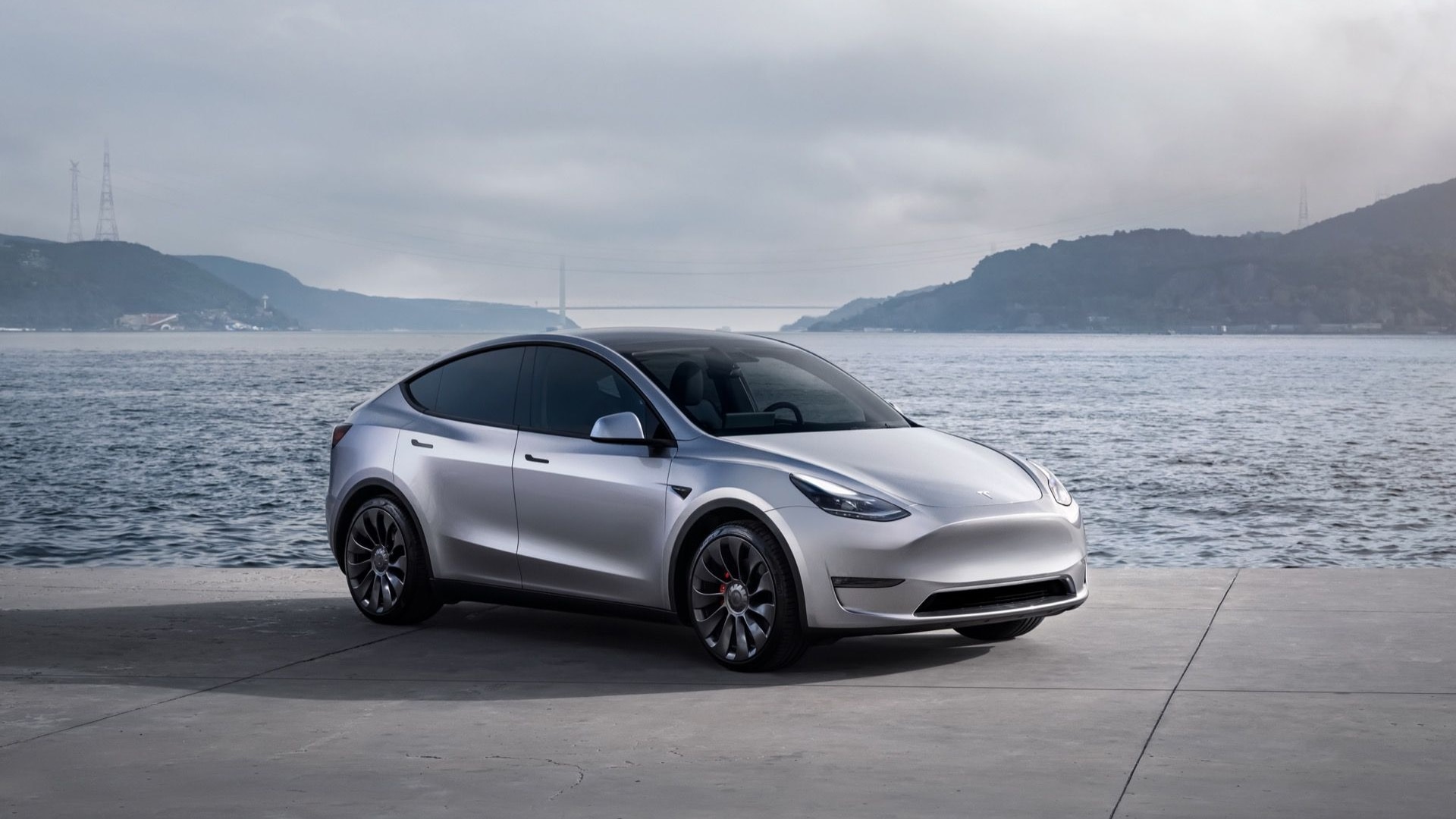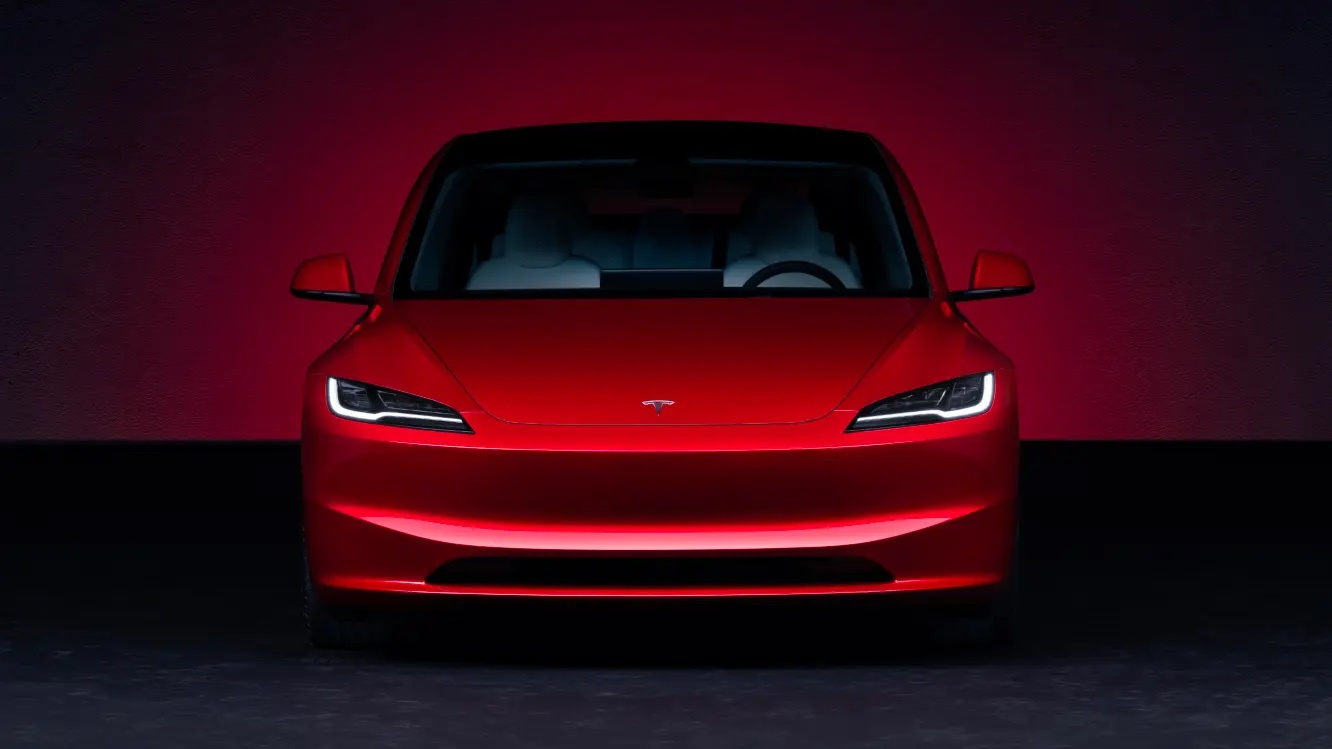
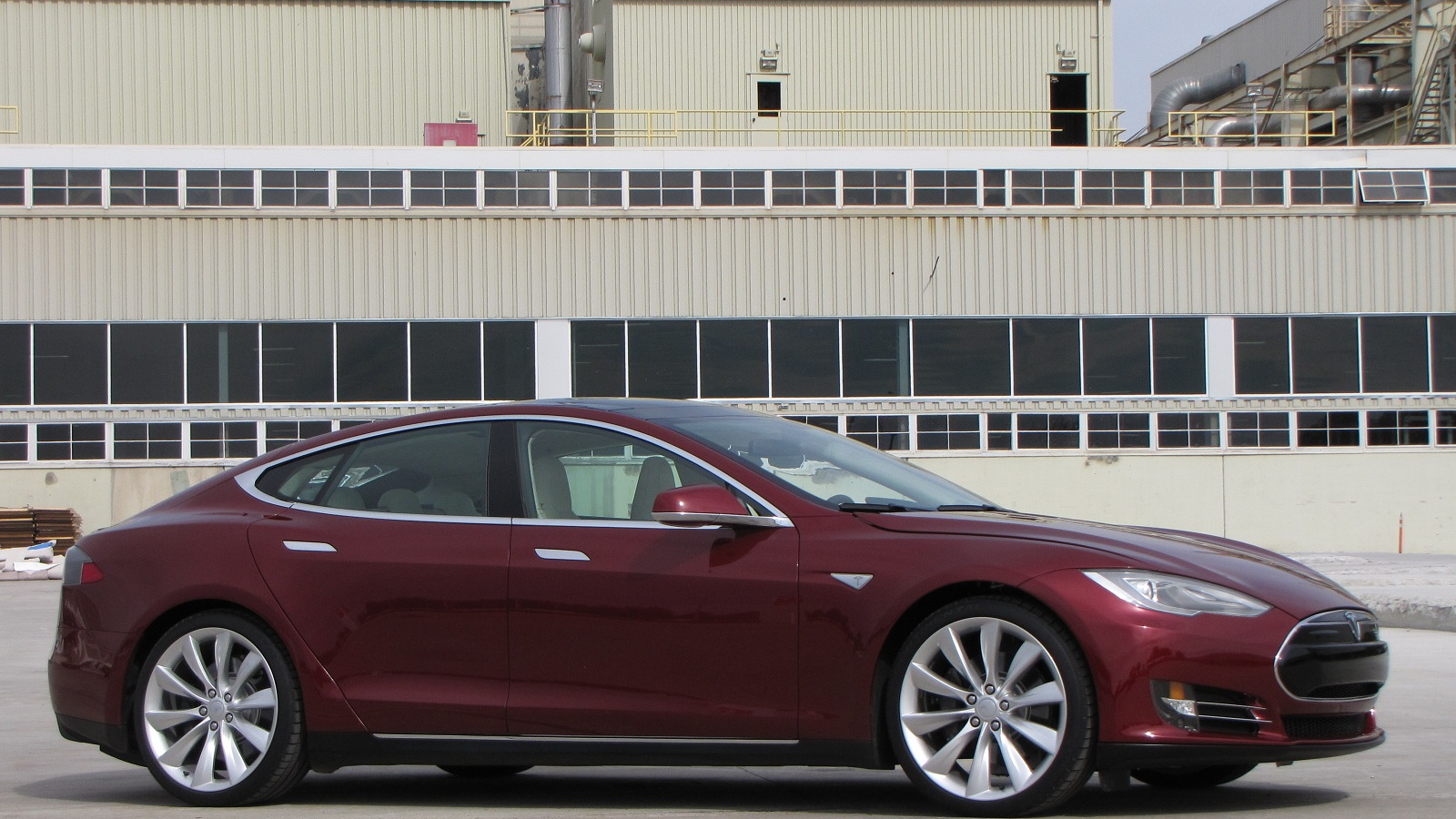
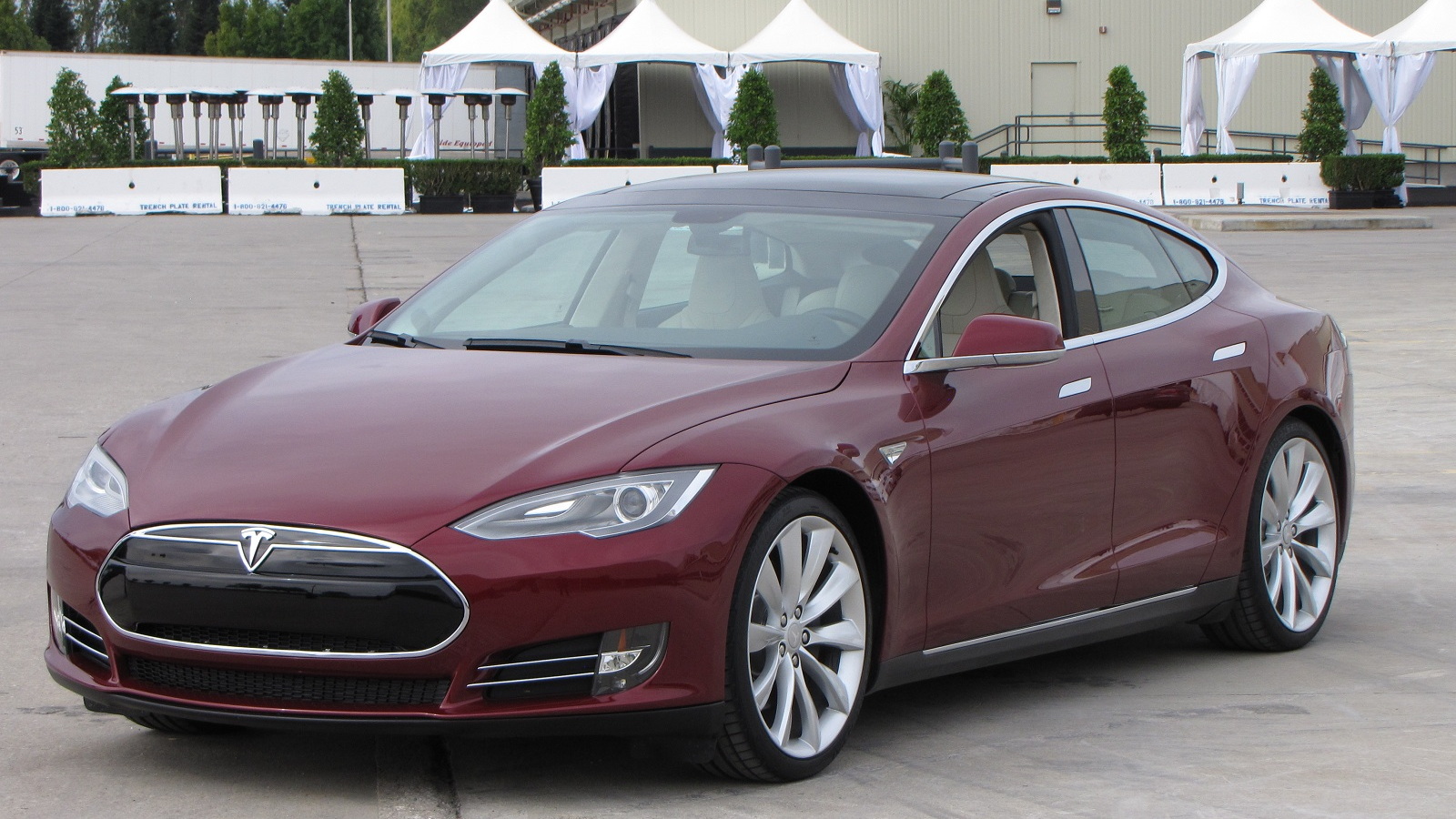
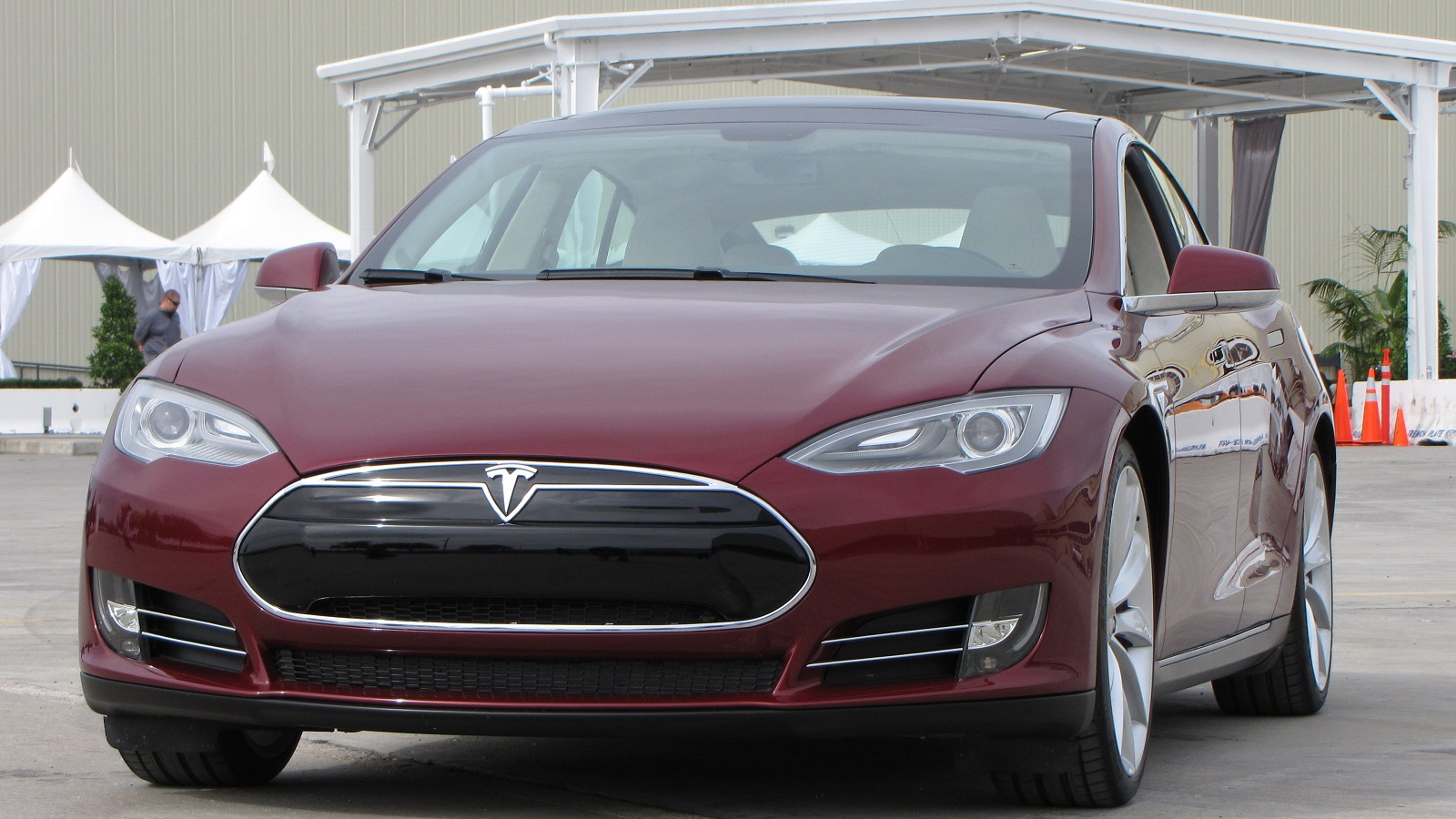
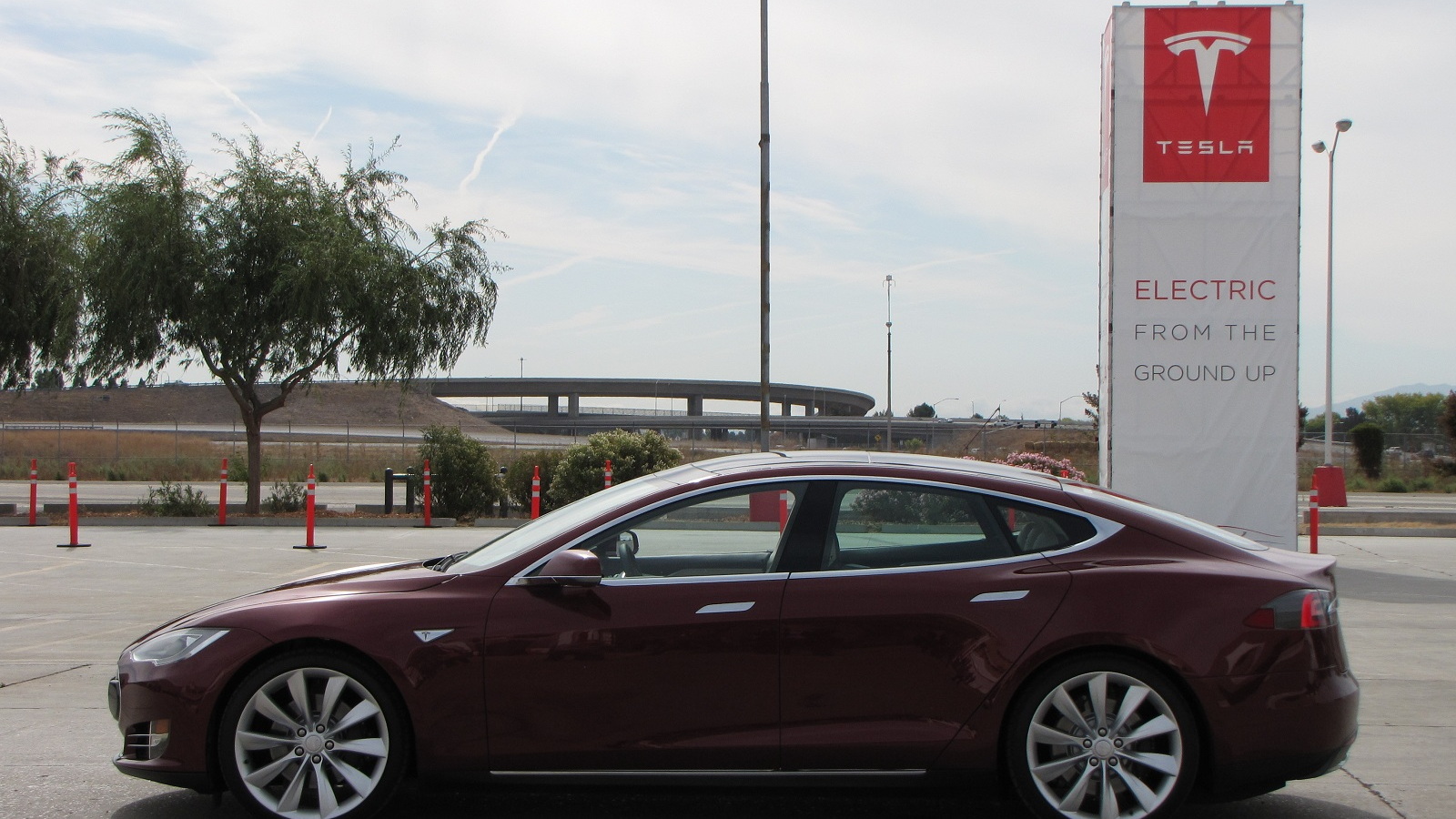
The car won't reach Tesla Stores until at least next fall, but Tesla Motors has just released pricing and options for the various trim levels and models of its 2012 Model S all-electric sport sedan.
Unlike various other plug-in cars, the base prices of the 2012 Tesla Model S have not risen. They remain at $57,400 for the 160-mile version; $67,400 for the 230-mile version; $77,400 for the 300-mile version; and $87,400 for the special Model S Performance version.
That Performance model is claimed to accelerate from 0 to 60 mph in just 4.4 seconds, only half a second slower than the smaller, lighter 2011 Tesla Roadster sports car.
Note that those estimated ranges are quoted "at 55 mph." Note also that Tesla itself quotes all prices on its website by subtracting the $7,500 Federal tax credit, which we think is deceptive and annoying. You have been warned.
The company says it will warranty its batteries for 8 years and "from 100,000 to unlimited miles" depending on the battery pack in question.
For the first time, Tesla Motors [NSDQ:TSLA] has specified the sizes of its battery pack options:
- 40 kilowatt-hours (160-mile range, 110-mph top speed, 100,000-mile warranty)
- 60 kWh (230-mile range, 120-mph top speed, 125,000-mile warranty)
- 85 kWh (300-mile range, 125-mph top speed; also Performance model, 130-mph top speed, both with unlimited-mileage warranty)
All models will come with 19-inch alloy wheels and the 17-inch touchscreen center stack in the dashboard.
But it's the options that will likely allow Tesla to make money on the Model S, of which it says it will be able to build as many as 30,000 a year once its Fremont, California, factory is up to full production on one assembly line.
Metallic paint is $750, multi-coat paint colors are $1,500. An all-glass panoramic roof is $1,500. Aerodynamic 19-inch wheels (which add up to 20 miles of extra range, the factory said this fall) are $1,500, and 21-inch wheels are $3,500.

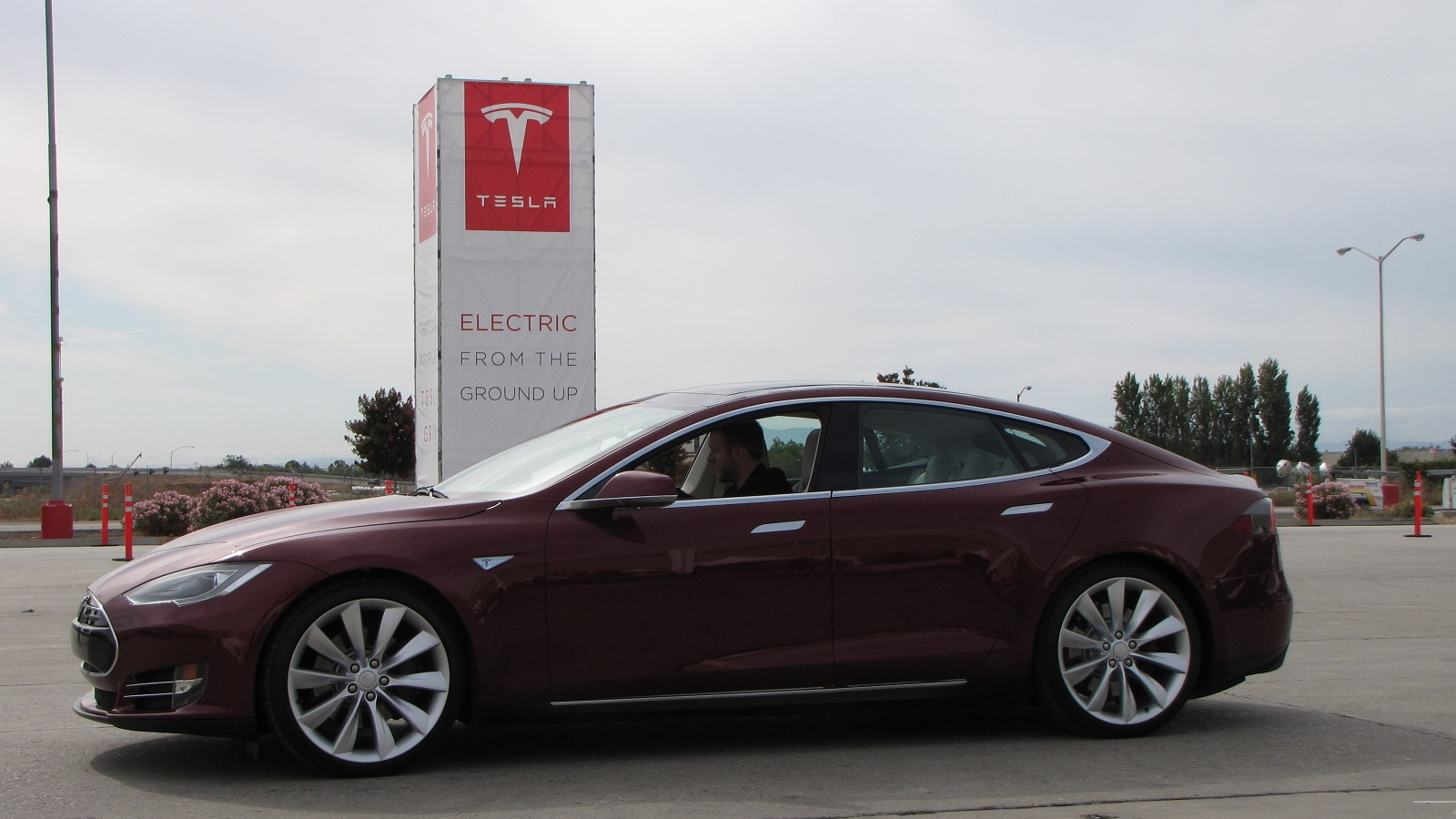
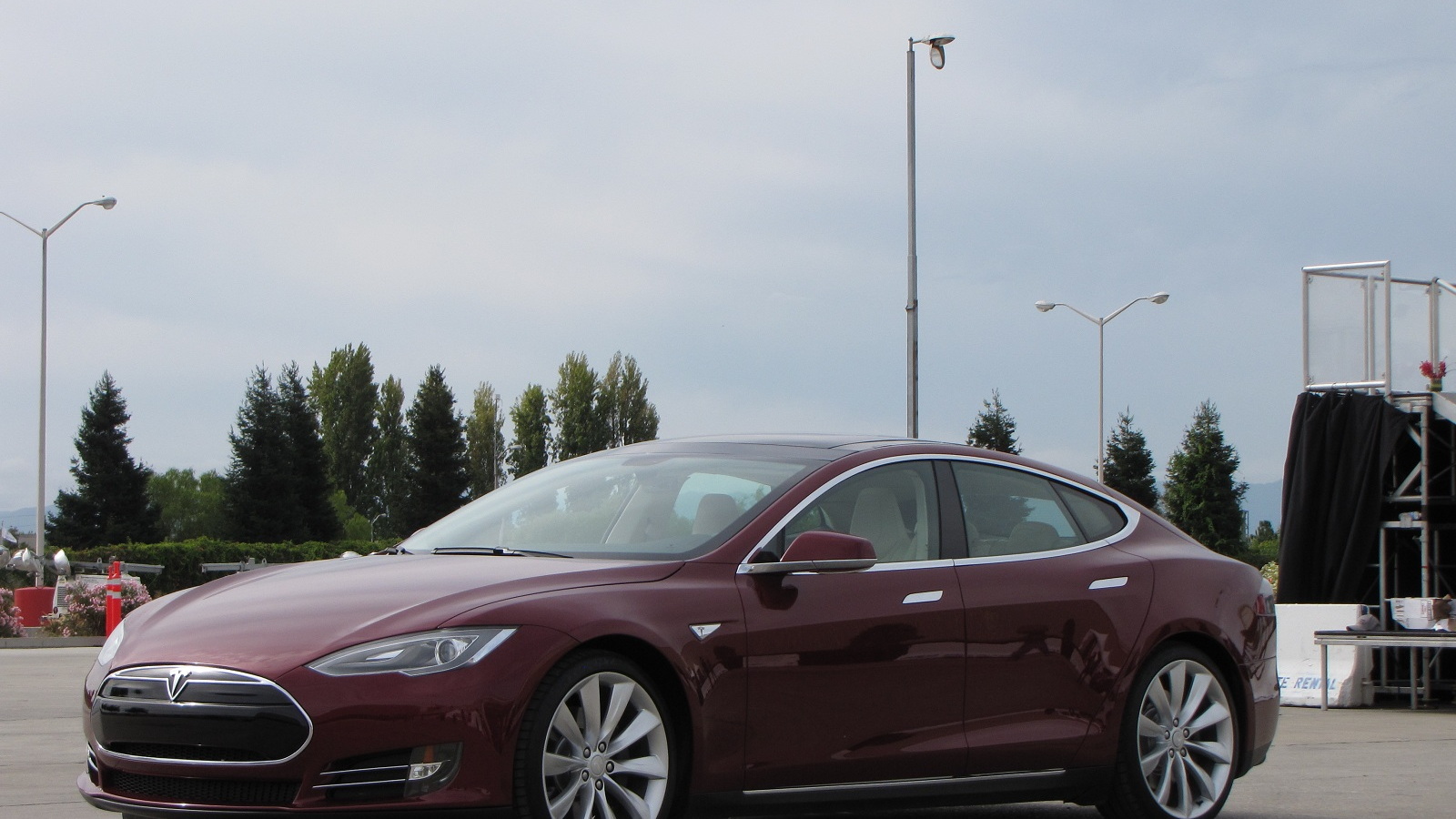
2012 Tesla Model S beta vehicle, Fremont, CA, October 2011
There's more. Nappa leather is $1,500, a Tech Package (navigation, backup camera, power liftgate, and keyless entry) is $3,750, air suspension is $1,500 and so are the pair of child-size rear-facing jump seats.
Another $1,500 will buy you an upgraded onboard charger of 20 kilowatts, which can add up to 62 miles of range per hour.
The high-power wall connector to feed the car's custom charging system--no, it doesn't use the standard J-1772 plug and socket that every other plug-in car sold in the States does--is $1,200 for all models. (No word yet on the price of the inevitable J-1772 adaptor cable for use anywhere outside the Tesla driver's garage.)
UPDATE: The Tesla Model S will, in fact, include a J-1772 adaptor as part of the "Universal Mobile Connector and adaptors" that comes with every car.
All in all, a lavishly-equipped 2012 Tesla Model S will run you just about $100,000.
Given that the 2012 Fisker Karma, now finally arriving at dealerships, is newly base-priced at $106,000, the all-electric Model S may seem to buyers like a comparative bargain.
The complete pricing and specifications list is posted on Tesla's own website, along with a blog post on the same topic.
+++++++++++