A new study concludes that last summer's government-funded "Cash For Clunkers" program didn't hurt car sales rates in future months, and in fact did just what it set out to do: get old, low-mileage cars off the road and stimulate auto sales in the U.S.
An analysis by Maritz Research refutes one of the main concerns over the Car Allowance Rebate Systems (CARS) program, usually called "Cash for Clunkers." Critics said it would simply borrow sales from future months, with no net gain in overall sales.

Consumer data from Maritz study on Cash For Clunkers program results, March 2010
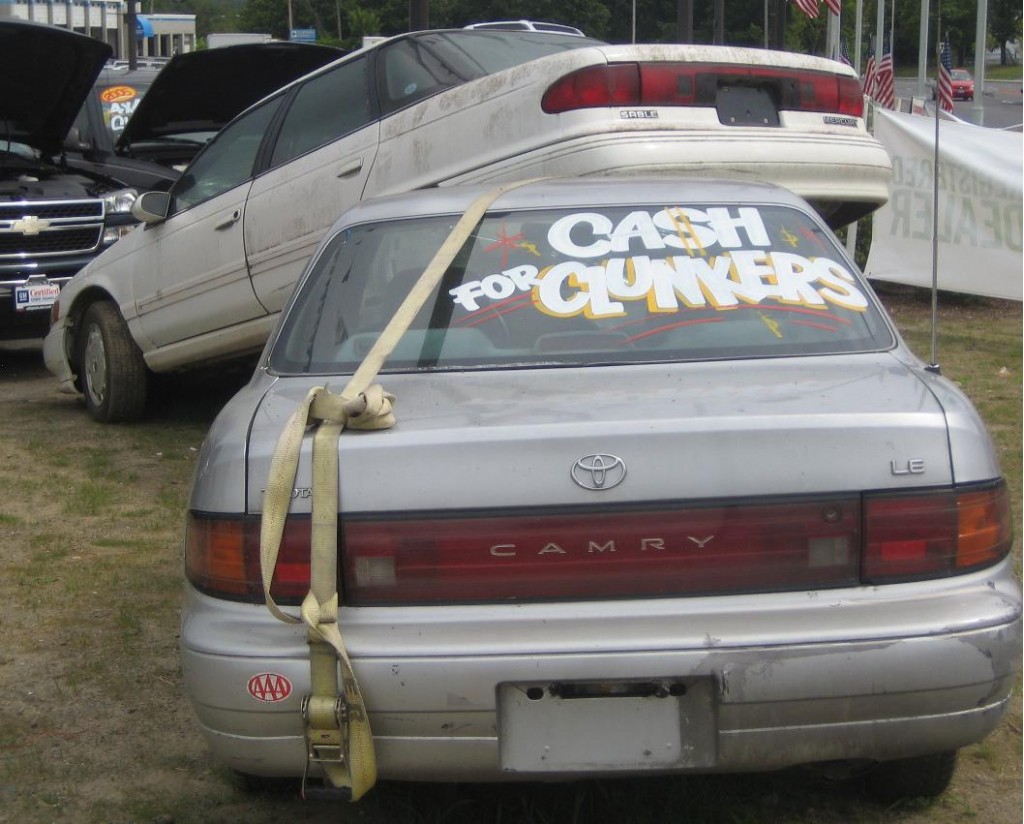
Cash for Clunkers tradeins: Mercury Sable and Toyota Camry
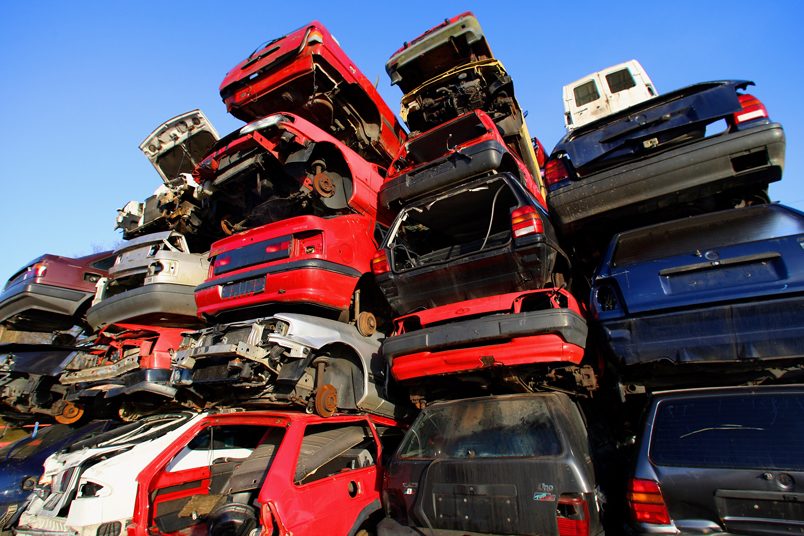
Clunkers

Cash-for-Clunkers' online buzz (from Nielsen)
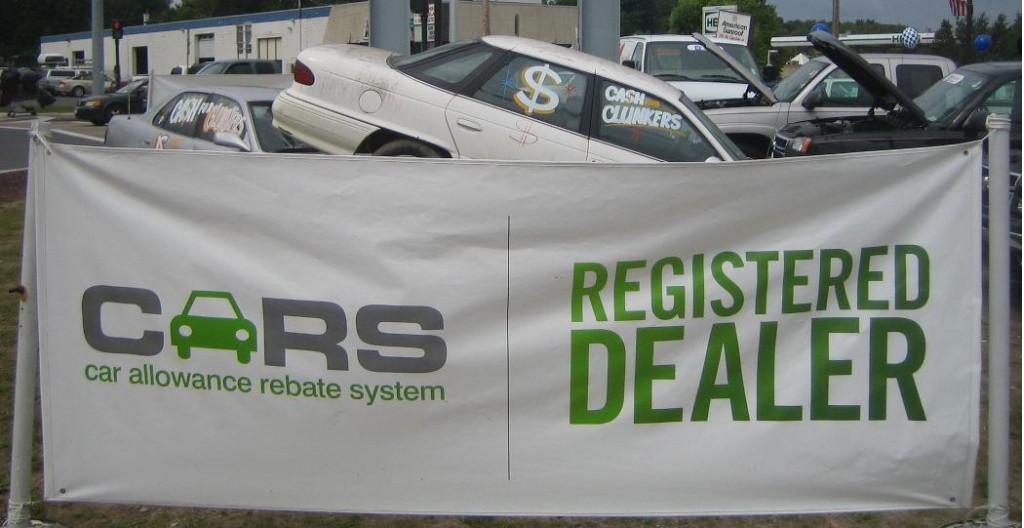
Cash for Clunkers banner with Mercury Sable, Albany, New York
But Maritz concludes that in fact that did not prove to be the case. With annualized sales rates now steadily rising, it says, the program did not “[mortgage] the future of the industry by stealing sales that would have occurred otherwise.”
One week, $1 billion
That scheme was so successful that more than 130,000 cars were traded in and the program ran through its initial $1 billion allocation in little more than a week, leading Congress to provide another $2 billion. (China's equivalent program, meanwhile, budgeted $15 billion.)
Overall, more than half a million vehicles were sold through the Clunkers program, which provided rebates of $3,500 or $4,500 to buyers of new cars getting at least 22 mpg, depending on the increase in fuel efficiency between old and new vehicles.
Many 'halo buyers'
The Maritz study, based on interviews with 36,000 new-car buyers in July and August, found that 542,000 vehicles were purchased through the program in those months. Half the trade-ins were more than 10 years old and had more than 100,000 miles.
Perhaps more crucially, another 223,000 vehicles were "halo sales" from buyers who wanted to participate but couldn't qualify--yet those people bought cars anyway, including 50-mpg 2010 Toyota Prius hybrids.
Under the program, owners of 1984-2002 vehicles with a combined EPA mileage rating of 18 mpg or less received a $3,500 voucher for the purchase of a new car with EPA mileage ratings of 22 mpg or higher. Cars rated at least 10 mpg better than the trade-in got $4,500.
MPG soars
As we wrote at the time, the program's twin goals--of replacing older, low-fuel-economy cars with newer, higher-efficiency models, and stimulating U.S. car sales then in the depths of the economic recession--were largely successful.
US Transportation Department data showed a mileage gain of nearly 10 miles per gallon overall on the vehicles purchased in the first wave, to 25.4 mpg from 15.8 mpg. That's far higher than the minimum 4-mpg increase for cars.
It also, incidentally, cut total lifetime greenhouse gas emissions from the new vehicles--although the improvement doesn't kick in until after the first 70,000 miles, to offset the carbon burden of manufacturing and transporting the new cars.
Education is crucial
Maritz said that if such a program is undertaken again, consumer outreach must be far better. Eighty percent of shoppers who wanted to participate in the CARS program owned vehicles that didn't qualify, leading to great confusion (although perhaps also to those "halo sales").
We would, however, like to see a study looking at the cost of the Clunkers program per gallon of oil displaced--or carbon emissions reduced--against other methods. Population control, for example, turns out to be a remarkably cost-effective way to cut carbon.
[Automotive News (subscription required), Detroit News]