Volvo to Start European C30 Electric Car Test...
Chevrolet Volt and Opel Ampera: What Are The...
2012 Renault Twizy: A Closer Look, And Do We...
Electric-Car Charging Stations Pop Up All Over...
2012 Mitsubishi i To Go On Sale Across Europe
The market for electric cars is a dynamic beast, different companies offering different options and usage varying all around the world.
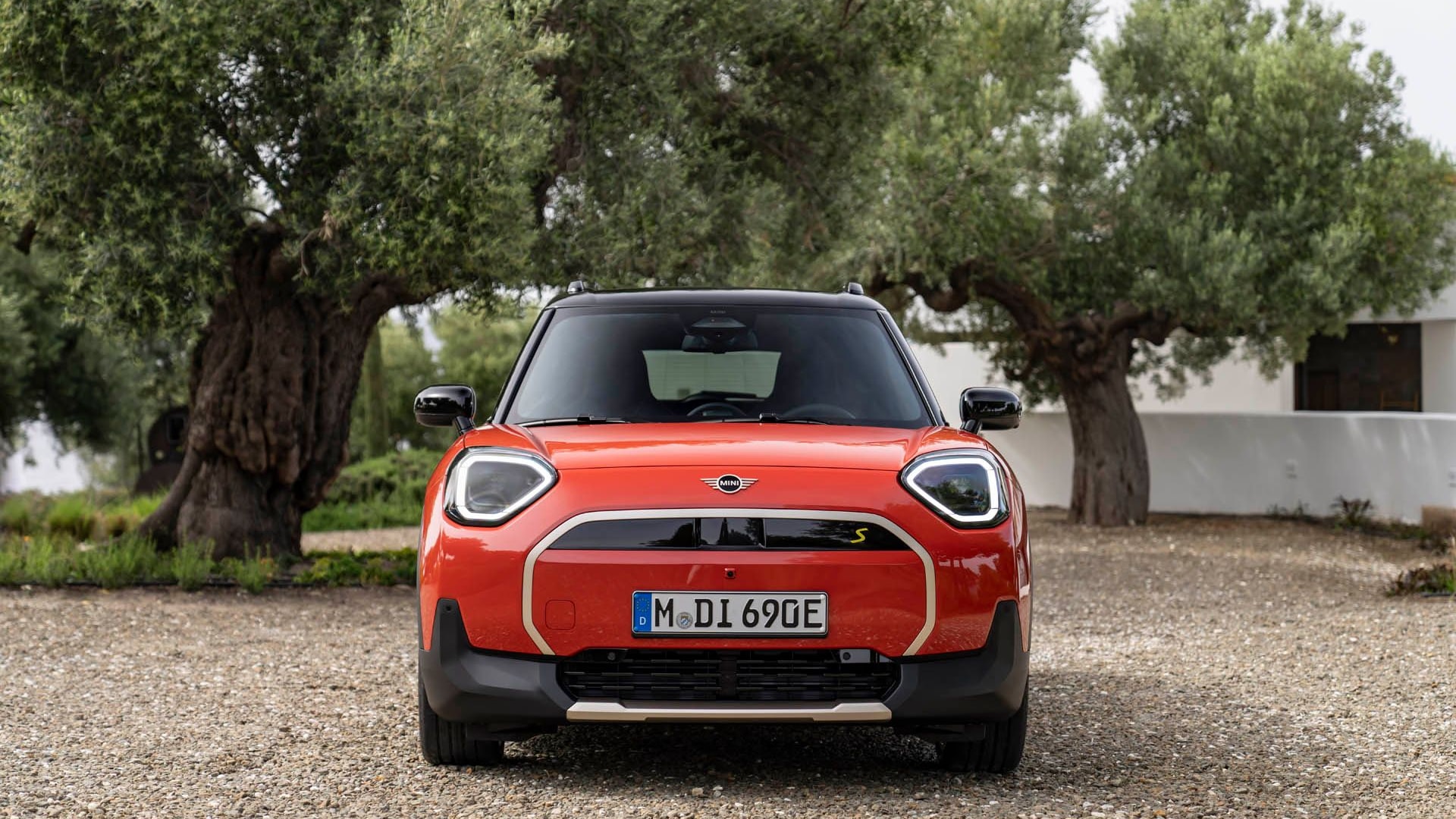
As with the U.S, European drivers now have access to a small selection of genuinely usable electric vehicles, from the Nissan Leaf, through the Chevrolet Volt and its GM cousin, the Opel Ampera, to tiny electric quadricycles like the Renault Twizy.
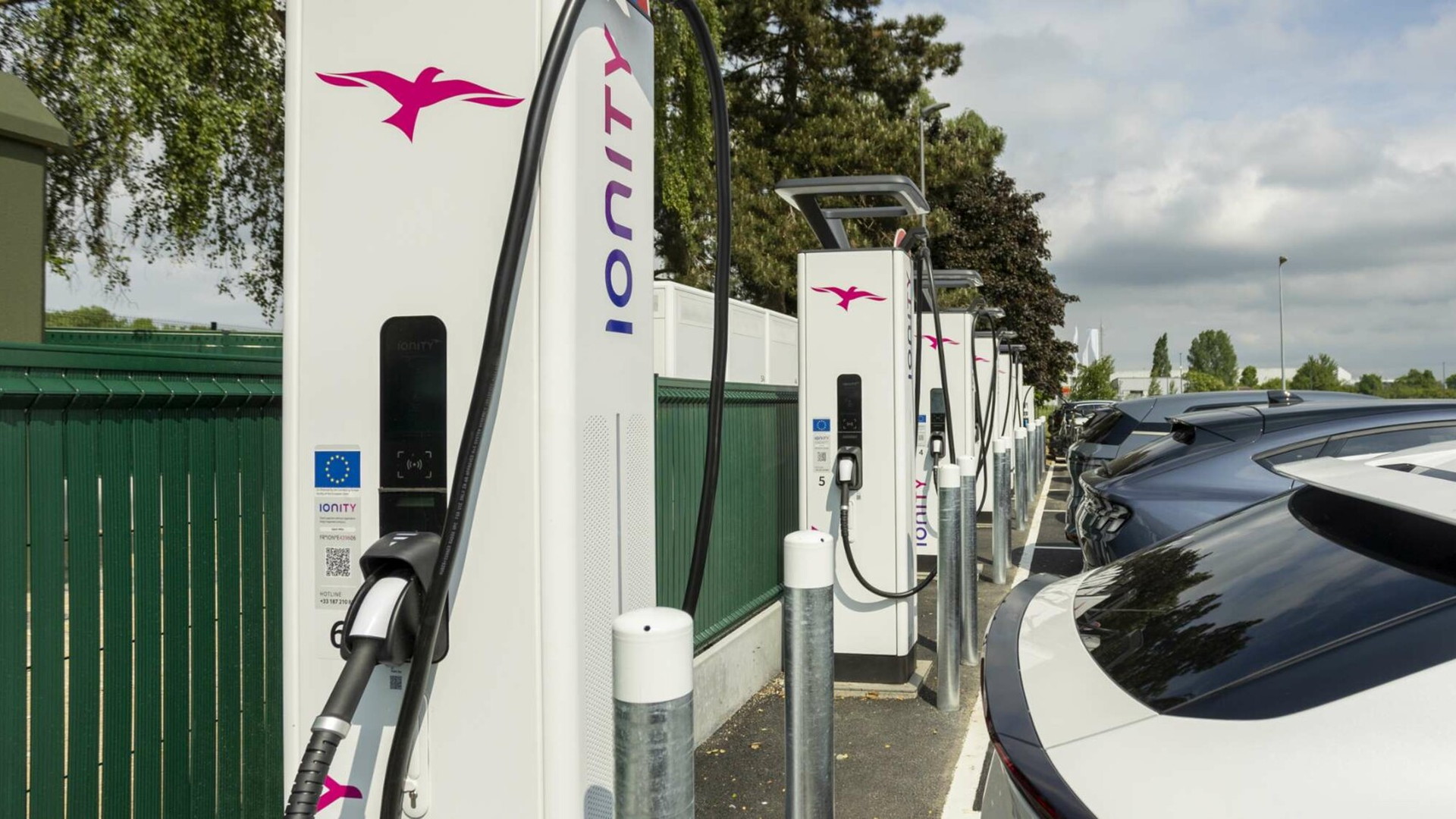
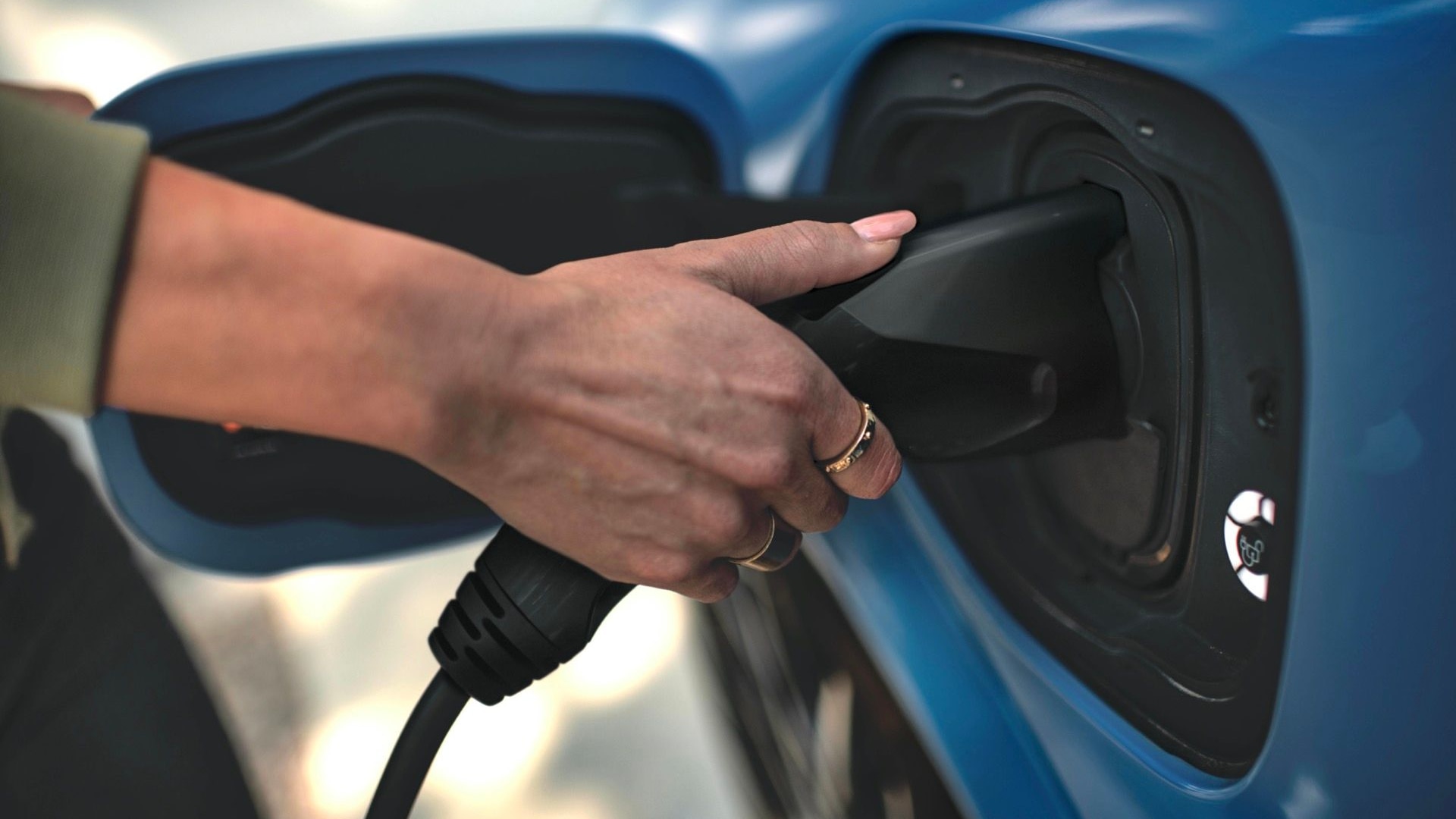
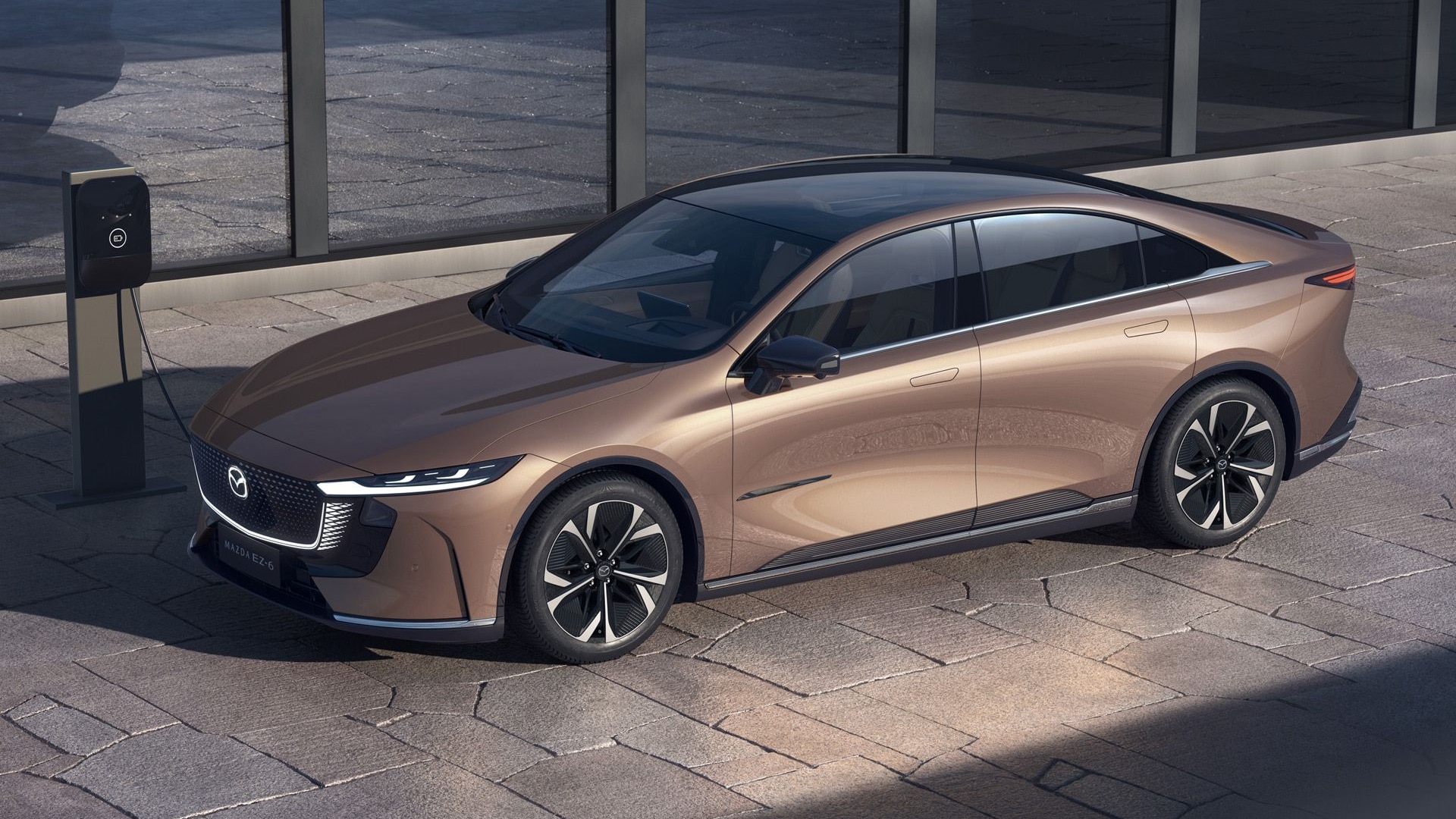
European policymakers are also taking notice of electric vehicles. So much so, that the European Union is drawing up plans to have half a million charging stations around the Union by 2020, reports the International Herald Tribune.
It's an ambitious plan, and one that could make recharging stations more numerous than gas stations.
"We can finally stop the chicken and the egg discussion on whether infrastructure needs to be there before the large scale roll out of electric vehicles." said Connie Hedegaard, the European commissioner for climate action. "With our proposed binding targets for charging points using a common plug, electric vehicles are set to hit the road in Europe."
The increase in charging stations is part of an eight billion Euro "Clean Power for Transport Package", which also includes plans on developing hydrogen, biofuel and natural gas networks.
That's in addition to certain countries' own plans--such as Germany's target for 50 hydrogen filling stations.
Europe's plug-in car adoption rate is currently low, but are expected to account for between 2-8 percent of total vehicle sales by 2025. Annual sales of plug-ins are still in low four-figure sums.
A proliferation of charging stations could help change that, though a look at the figures shows how high some of those targets are--to reach the EU's target, Germany would have to install 148,000 public points--up from the current 2,000.
By comparison, the U.S. currently has around 5,300 public stations, according to official figures.
In the meantime, Europe still has other issues to overcome, including adoption of the new Combined Charging System plug, and convincing people that plug-ins can save people money over economical, cheap-to-run diesels.
+++++++++++

Follow GreenCarReports on Facebook and Twitter.
Have an opinion?
Let me ask the stereotypical European question, then:
"who is going to pay for that?"
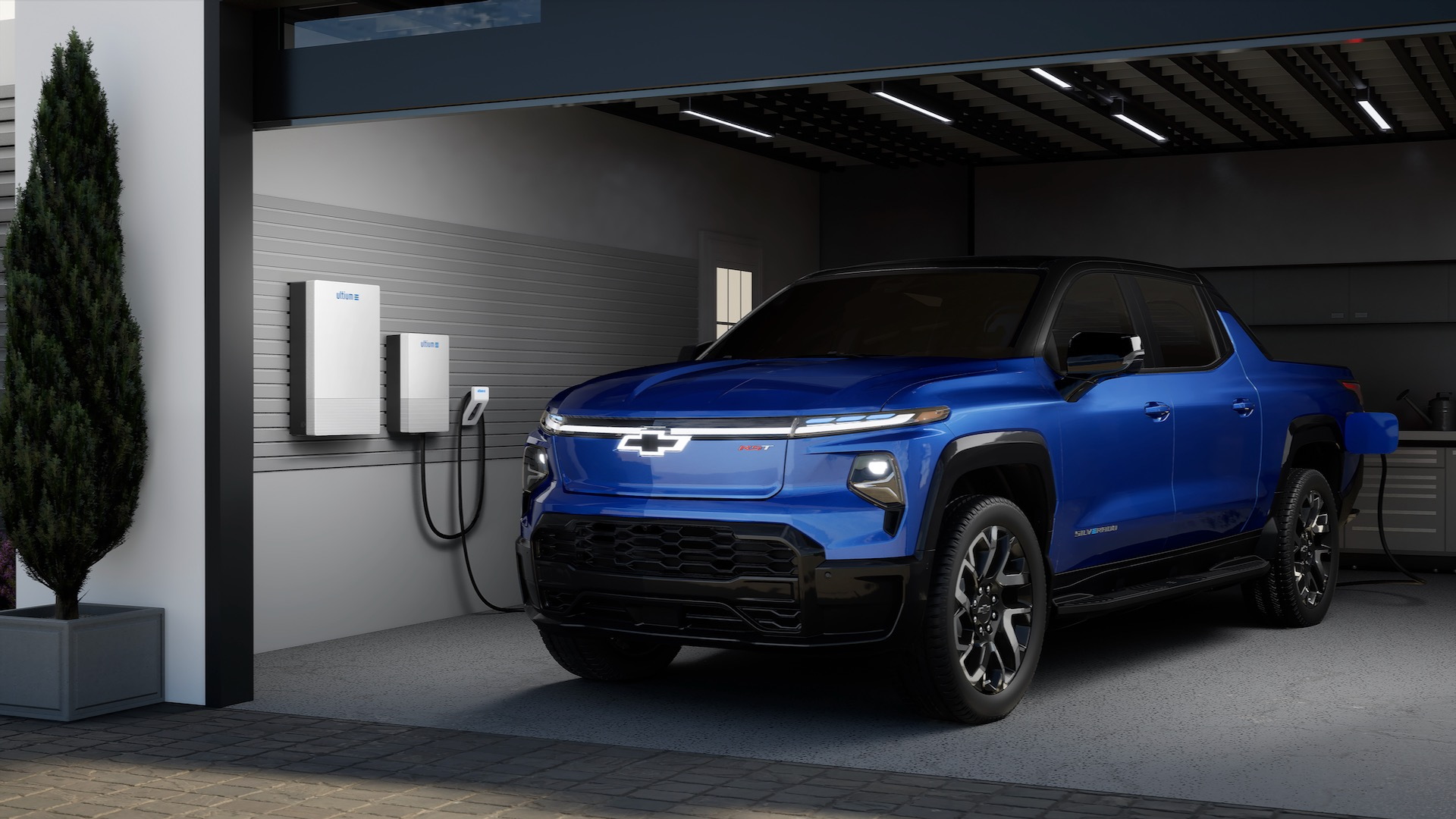
What's more, the picture for this article shows a Volt, which doesn't require any public charging stations.
With EREVs, the chicken and the egg discussion is mute. Yes, it would be nice to charge at restaurants, malls, places of work, etc., and this will happen eventually, but it won't be taxpayer funded. In the meantime, EREVs make perfect sense without public charging stations.
The result might be that this massive investment will in the medium term actually hold EV adoption back because all the money was invested in a system that just doesn't suit the needs of its users.
Solution: the Renault system. On board fastchargers that only need a network of simple high yield power outlets that can be easily adapted to future needs.
Yes, L3/fast-chargers are dramatically more interesting.
Btw, today's standards limits (90kW for CHAdeMO, a bit less for CCS) still "refuel" at 300mph regardless of future battery sizes.
(The CHAdeMO connector geometry also has huge margin re higher voltages, so its output could probably double quite easily, but we digress).
Re putting fast-chargers on-board: burdening every vehicle with this, plus having to come up with yet another standard (or a couple, every country will want its own...) doesn't exactly sound like a good idea.
Moreover there's no such thing as a "simple" high power outlet after you add safety, billing etc.
-On board chargers can be plugged in in regular power outlets, no need for a standard. There is a billing issue, but no specific extra hardware for the charging process would be required outside the car making charging stations cheap to install.
-EV makers can design for the optimal charger/battery combination
There are safety issues.
Let's say new technology makes batteries really small and cheap. In order to compete with current filling stations, you would need to fully charge a large BEV-300 SUV or pickup in 10 minutes. Large vehicles need ~180kWh to go 300 miles. So you're plugging a megawatt cable into a vehicle with ice and snow all over it. The cable tests for shorts initially, but once 1,000,000 watts starts flowing, if ice melts and causes a short - kaboom!
Note that the same new battery technology also enables a large EREV-100. Advanced biofuels can replace up to 35% of current gasoline consumption without any affect on food supply.
As far as paying for it? Europe is not able to sustain its oil appetite meaning that that 8 Billion Euro bill for those charging stations is probably a bargain. Granted not all transportation needs will be covered but if EVs can cover 25% or 50% what is the value of a 25% reduction on the oil bill? betcha it will cover that 8 Billion Euros pretty quickly
Have an opinion?Join the conversation!