While gasoline engines will be with us for many years, and plug-in electric cars are coming slowly, hydrogen fuel-cell vehicles remain in the background.
Four makers have said they will launch production cars powered by hydrogen between 2015 and 2018.
Now, one of those companies has slammed on the brakes.
Daimler, which had planned to launch a fuel-cell powered B Class compact in 2015, has delayed the car at least two years, according to a report in Automobile News Europe.
While its system is ready for production, says the trade journal, the company believes it can't sell the hydrogen car at a competitive price.
Instead, it is talking with two possible partners--Ford and the Renault-Nissan Alliance--about sharing its technology across cars from all four brands, to bring down costs through higher volumes.
A Daimler spokesman called the talks "promising."
Nissan already plans to use the Mercedes-Benz B Class architecture for a compact car it will sell under its Infiniti brand, so it is already familiar with the new compact luxury car.
Automakers continue to say that hydrogen fuel-cell cars are still important.
Partnerships among major automakers to share the high costs of new powertrain technologies have been increasing over the past decade.

First Mercedes-Benz B-Class F-Cell hydrogen fuel-cell vehicle delivery, Newport Beach, Dec 2010
Just yesterday, BMW and Toyota announced a program of joint technology development that will include hydrogen fuel-cell vehicles.
BMW plans to begin developing a hydrogen-powered car in 2015, using fuel-cell technology licensed from Toyota, with a goal of production in 2020.
Korean maker Hyundai continues on its own; the company announced plans to produce a version of its Tucson compact crossover fueled by hydrogen last fall, at the Paris Motor Show.
Honda, which has up to 100 of its FCX Clarity hydrogen fuel-cell sedan on the road globally, also continues to go it alone.
But other makers clearly see that if hydrogen cars are ever to be built in volume, the huge costs of developing and testing the new technology is better shared among multiple companies.
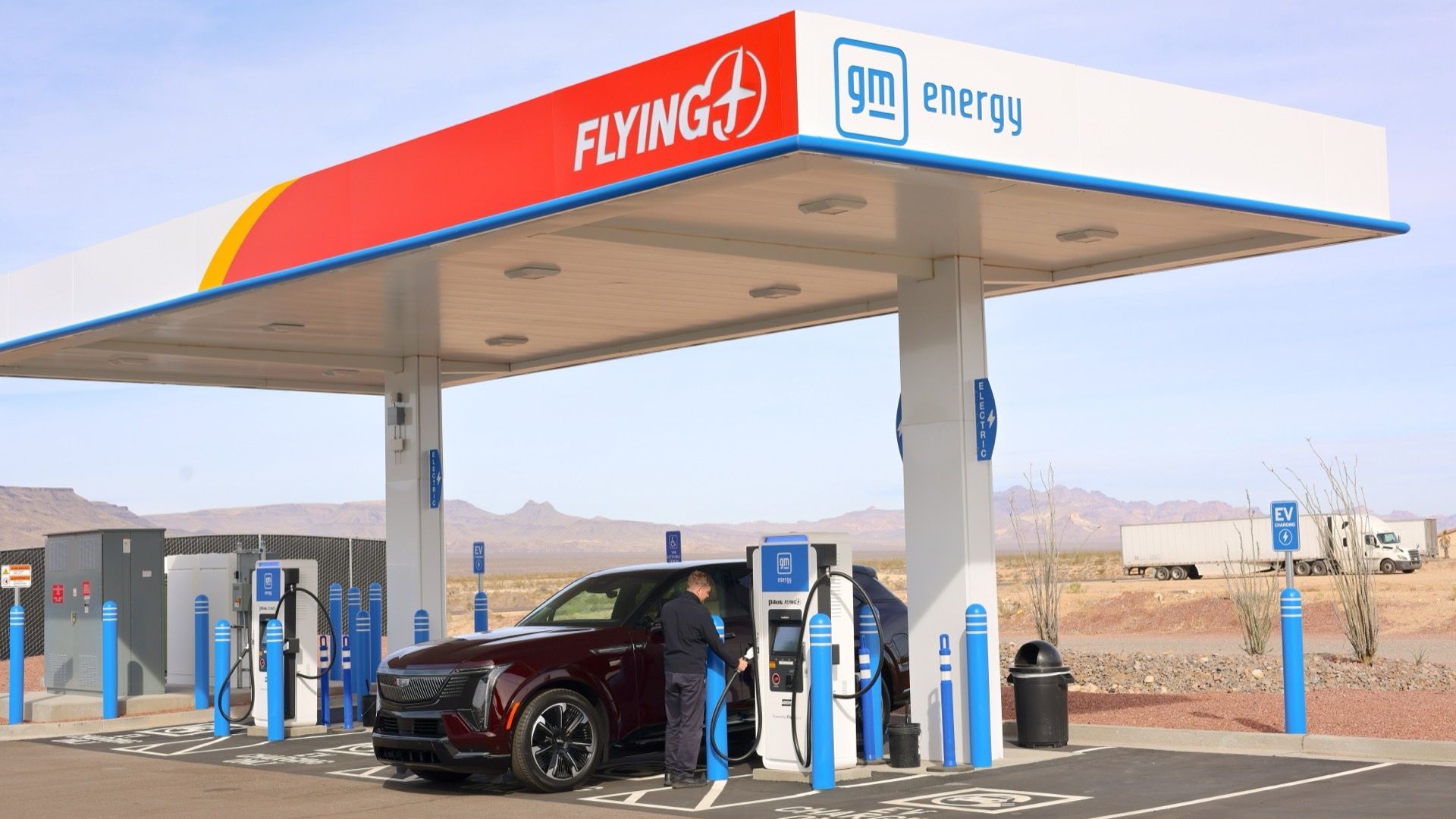
What hasn't yet been addressed, at least for the U.S., is the cost of creating a ubiquitous hydrogen fueling infrastructure.

2008 mercedes b class facelift 003
To provide the universal coverage now enjoyed by gasoline, the United States would need, at minimum, 15,000 hydrogen stations at perhaps $2 million each--if each one could be ideally located and spaced out.
Unlike the domestic electric power that can recharge plug-in electric cars, households don't have hydrogen anywhere on premises.
Even in the most optimistic of scenarios, the Mercedes-Benz pullback once more raises the specter of the old saying: "Hydrogen is the fuel of the future--and always will be."
Is the Daimler announcement just a delay, of the same sort that many plug-in electric car programs have suffered? Or is it another blow to the future of hydrogen fuel-cell vehicles?
Leave us your thoughts in the Comments below.
+++++++++++