New battery charge estimation algorithms developed by engineers at the University of California (UC), San Diego, are on the verge of vastly improve the capabilities of current lithium-ion batteries.
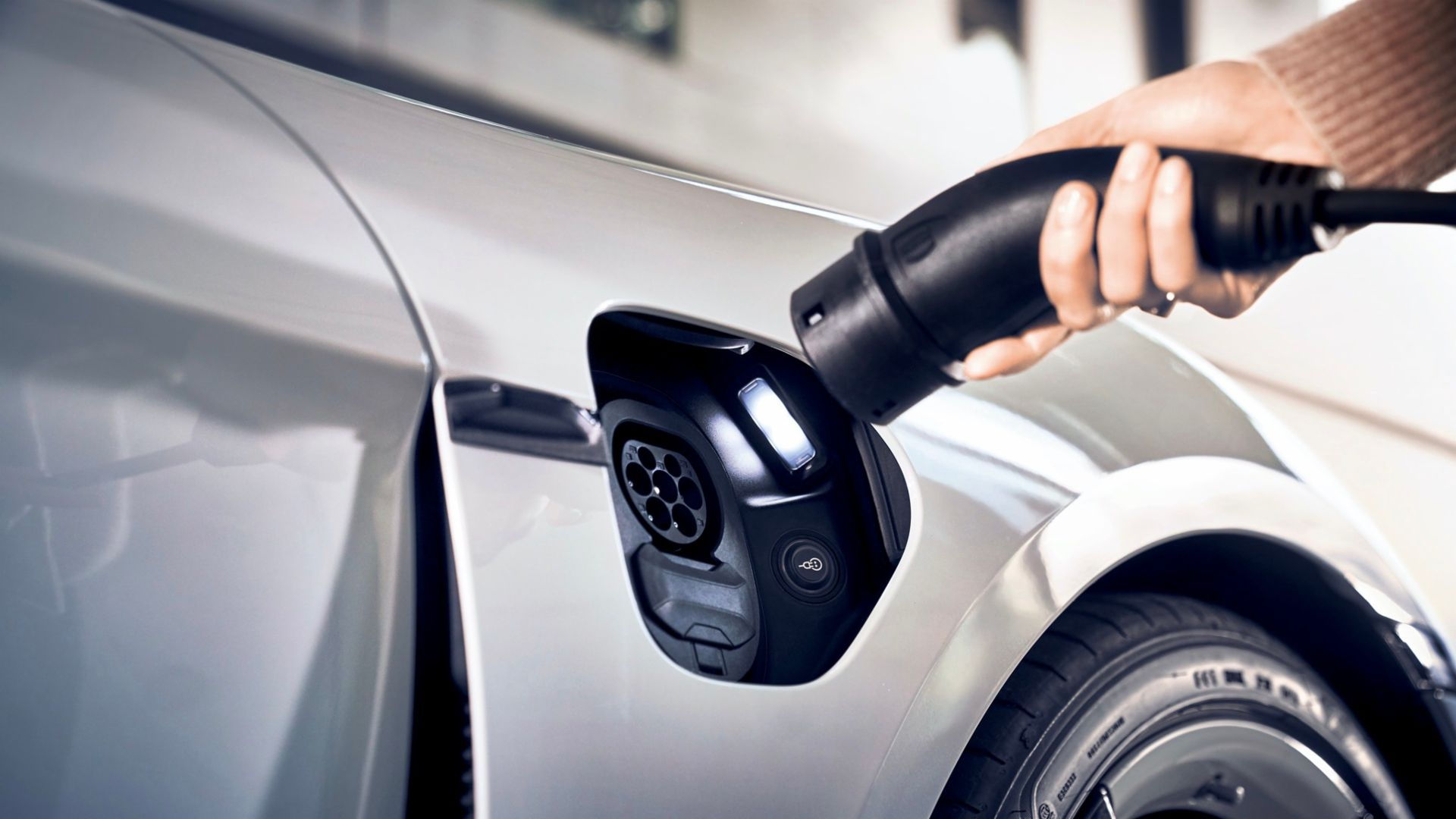
The changes center around improving charging times, potentially allowing for batteries that charge twice as fast as those currently available.
Researchers believe that current lithium-ion batteries are over-designed and over-sized.
Existing technology uses fairly crude ways to measure the behavior and health of a battery pack, based solely on voltage and current. Batteries have to be over-engineered to provide a margin of error during charging or discharging, to prevent the packs from prematurely failing or losing capacity.
The new algorithms make the process of monitoring battery packs much more sophisticated, not only allowing the over-engineering to be reduced, but improving the efficiency of charging too.
How it works
Lithium-ion batteries rely on lithium ions passing from the anode to the cathode, generating electricity as they do so.
To know the state of charge, it's important to know how many lithium ions are stored in the anode. Current techniques based on battery voltage make this very difficult to measure. The university likens this to a ticket collector at a movie theater estimating where patrons are sitting purely on the rate people are filtering into the theater.
The new algorithm lets the engineers estimate where the charged particles are, allowing the battery to be charged more efficiently--allowing the ticket collector to fill those empty seats, to use the same analogy.
As the technology allows much better monitoring of the anode, it can also more accurately determine the health of the pack.
Testing
UC San Diego, Bosch and battery manufacturer Cobasys are sharing a $9.6 million Department of Energy grant in order to improve battery technology.
The University's share of the grant is $460,000, being used by the research group to develop, test and refine actual automotive battery packs using the new algorithm. One test has seen a pack recharge in as little as 15 minutes.
Benefits
Essentially, the new methods improve virtually every aspect of modern batteries.
They'll be cheaper, for a start--as much as 25 percent less than current batteries. They'll charge quicker, the battery's size can be reduced, and they can be used with more powerful electric motors. And because the state of the battery is more closely monitored, none of the efficiency improvements come at the expense of safety.
Ultimately, that would mean quicker, cheaper, faster-charging electric cars, using technology little different to the batteries already used.
It's only one of many other battery technologies currently in development, but the bottom line is that electric cars are only set to get better.
+++++++++++