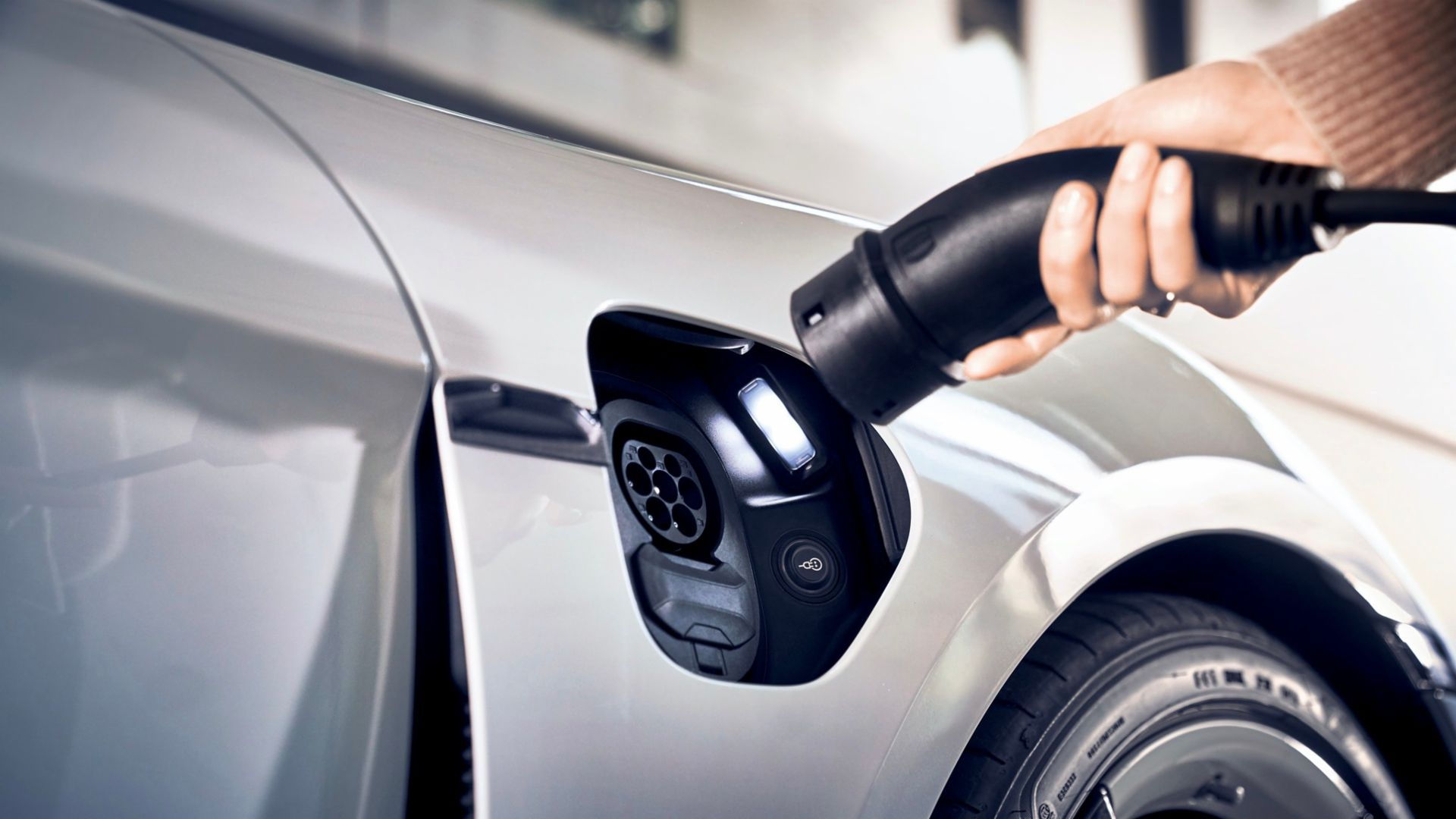
Ask most Americans to name the cities with the most public charging stations for electric cars per head of population, and they’ll likely mention Los Angeles and perhaps San Francisco.
According to PlugShare (via good.is), however, Portland, Oregon and Dallas, Texas top the list.
PlugShare, the social network devoted to finding and sharing public charging stations, came to its conclusion after conducting a national census of the number of public charging stations in each major city in the U.S.
It then calculated the number of publicly accessible charging stations per 100,000 residents.
With 11 charging stations per 100,000 residents, Portland, Oregon comes first, followed closely by Dallas, Texas, with 10.6 charging stations per 100,000 residents.
San Francisco Bay occupied fourth place, with 6.6 charging stations per 100,000 residents.
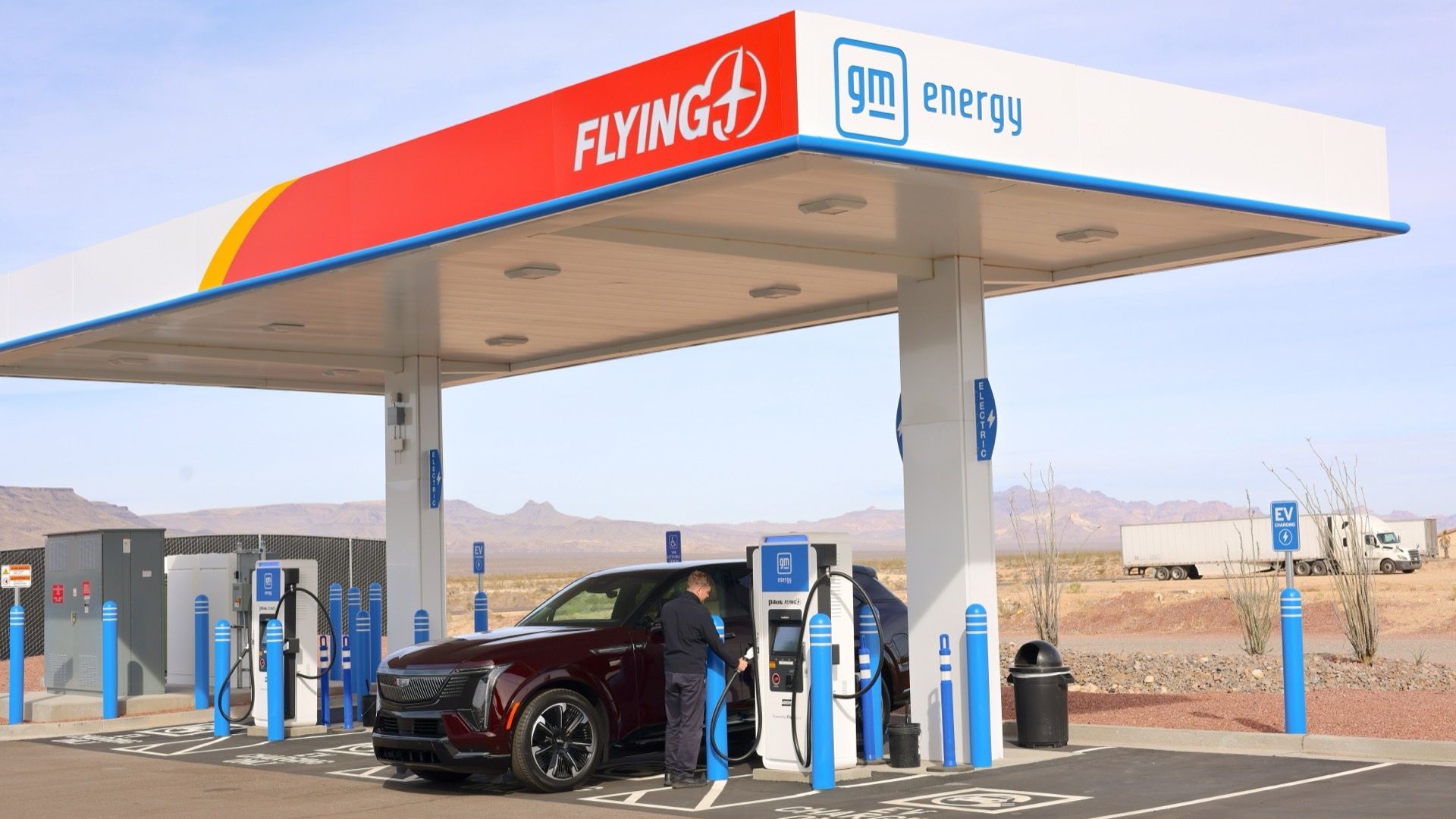
Houston's Tranquility Park Garage with GRIDbot charging stations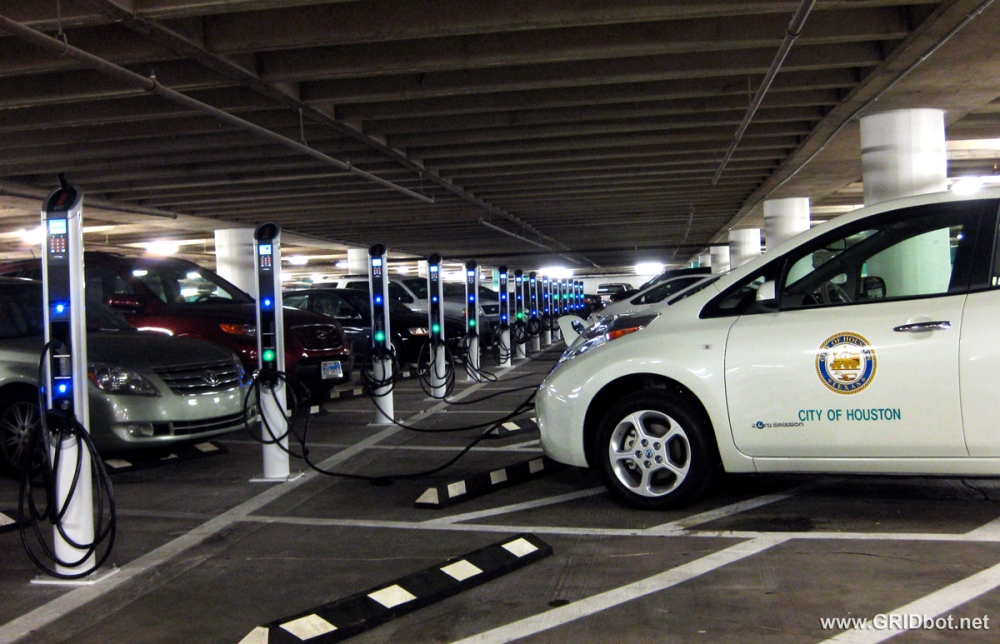
Interestingly, PlugShare attributes Dallas’ high position in the list not to the number of electric car owners in the area, nor to enthusiastic local government.
Instead, it says, the highest number of charging stations in Dallas are due to eVgo, an electric vehicle charging company based in the city.
Similarly, Nashville, Tennessee occupies third place with 8.2 charging stations per 100,000 residents because of the nearby Smyrna factory where the 2013 Nissan Leaf will be built.
Based on own own experiences and anecdotal evidence from electric car owners, large numbers of public charging stations doesn’t necessarily mean people will use them.
But it does at least mean that if you do run out of charge, you’re never far from a public charging station.
+++++++++++