If you live in an apartment or condo, you’ll know that gaining permission to charge an electric car in your shared parking lot isn’t always that easy.
Often, miscommunication, legal worries and plain old ignorance come into play, preventing plug-in owners from charging their car, but now a study from Luskin School of Public Affairs at the University of California, Los Angeles, could help condo and apartment dwellers plug in at last.
Tackling the specific issues faced by those who live in apartments and condos, otherwise known as Multi-Unit Dwellings (MUDs), the study talked to electricians, electric car owners, landlords and even home owners associations in Los Angeles about the issues surrounding the installation of electric car charging stations.
The barriers
As the report notes, not every tenant experiences issues in getting charging stations installed for their car, with some reporting open, enthusiastic landlords and home owners associations.
Sadly, they are in the minority, with many landlords refusing to install charging stations because of political, rather than technical problems.
The report, available here, details eight different barriers facing those who want to install charging stations in a MUD.
Most of them, revolve around covering the cost of installation and subsequent electricity use, while appropriate insurance worries and electrical capacity concerns also play a part.
Politics
Connected with the financial aspect of installation, the report notes that federal, state and local governmental policies are designed to help electric car drivers who live in a single-occupant dwelling.
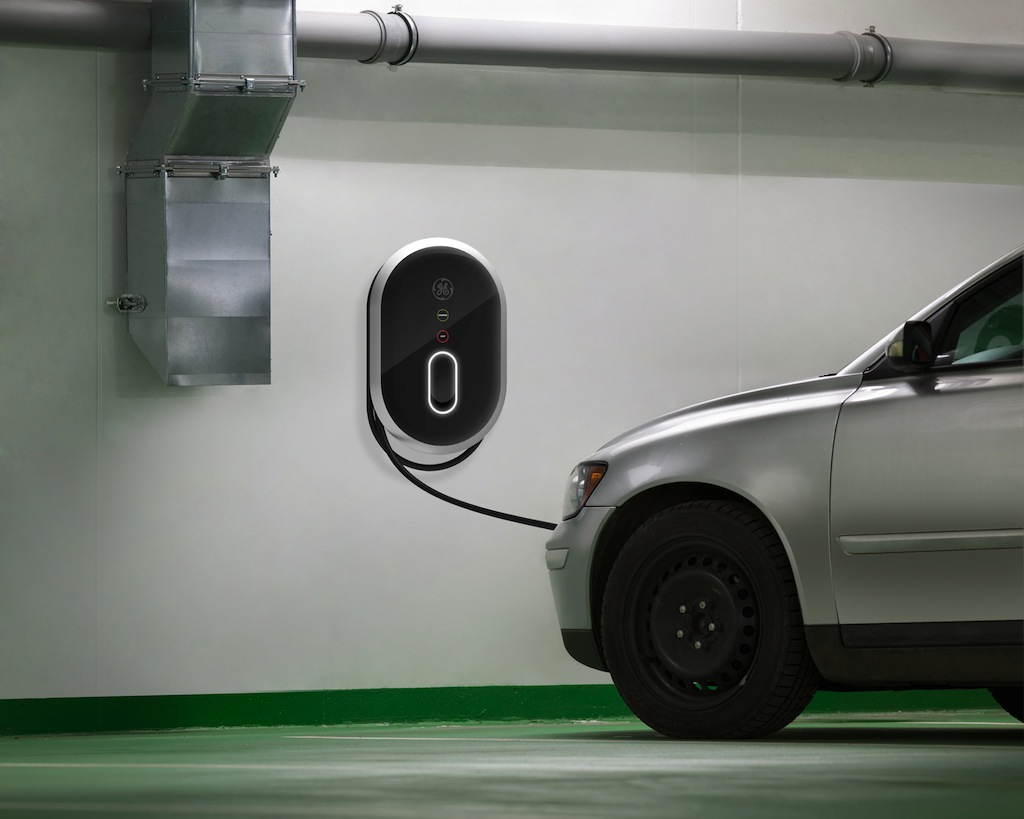
GE WattStation Electric Car Charging Station
Because of this, rebates and incentives often have to be claimed by the homeowner, not their landlord, making it difficult for landlords to take advantage of discounted charging stations.
In addition, subsidized installations often mandate the installation of a specific time-of-use meter, difficult to achieve in a common area of an apartment complex or condo such as a parking lot.
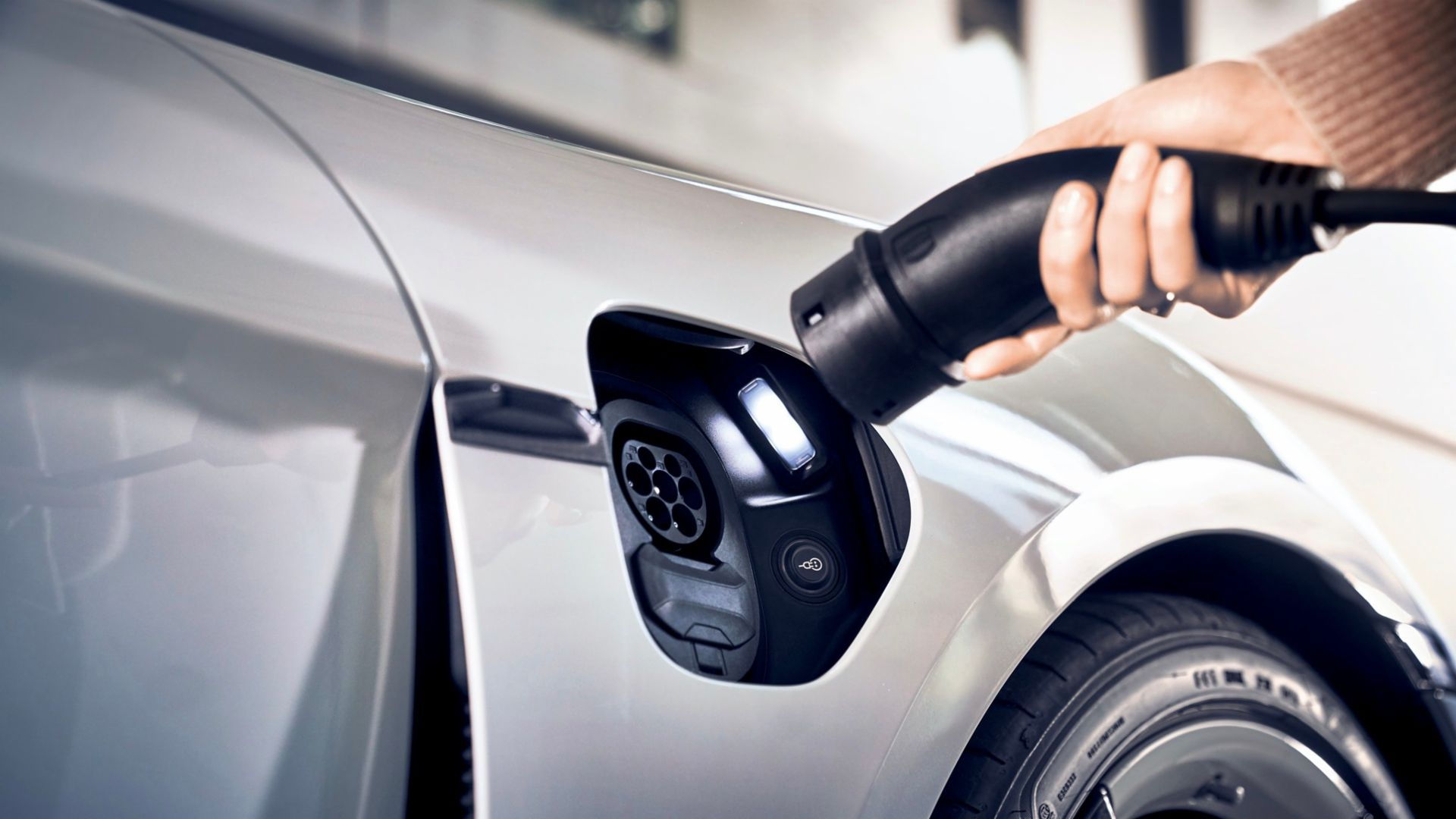
Finally, the report noted, incentives generally only cover Level 2 fast charging. More expensive to install than level 1 charging outlets, many landlords cannot justify the additional hassle of a level 2 charging station.
The solutions?
The report concluded with some substantial recommendations designed to give landlords and homeowners associations the necessary support needed to help them install charging stations for their tenants, as well as recommendations designed to change the way that charging stations are subsidized.
Among them, the report calls for incentives to be offered to help landlords and homeowners associations cover survey costs prior to the installation of charging stations, as well as allowing non-electric car owners the chance to apply for charging infrastructure subsidies.
It also proposes some form of subsidy for level 1, 110-volt charging outlets, so that landlords can install low-cost charging stations for tenants without a large financial outlay.
For particularly difficult situations, the report recommends the establishment of a non-profit mediator that can help negotiate between landlords and tenants, providing clear, unbiased information about the electric car charging options available.
Finally, the report recommends the creation of a registry of electric car friendly dwellings, so those with electric cars can make informed choices about where to next look for a place to live.
2011 Nissan Leaf and 2011 Chevy Volt, with charging station visible; photo by George Parrott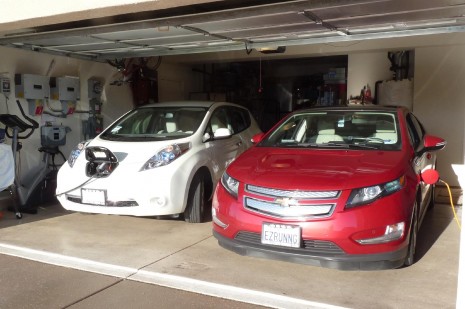
The next step
Obviously, the report has to be heeded at several levels before we see the mass adoption of electric vehicle charging at apartment complexes and condos.
But do you think its advice will be listened to, and what else do you think could be done to make life easier for apartment and condo-dwelling plug-in car owners?
Let us know your thoughts in the Comments below.
+++++++++++