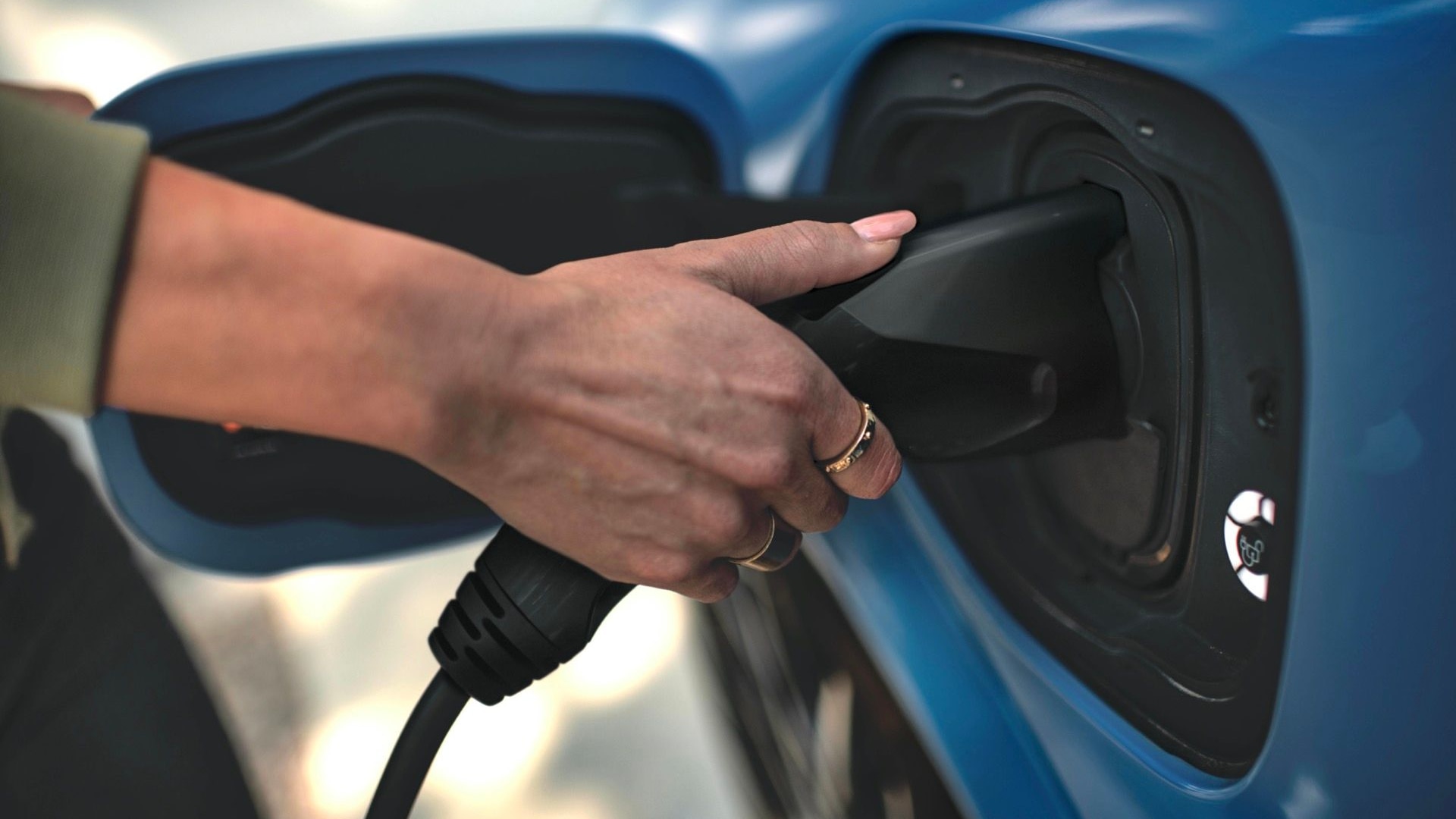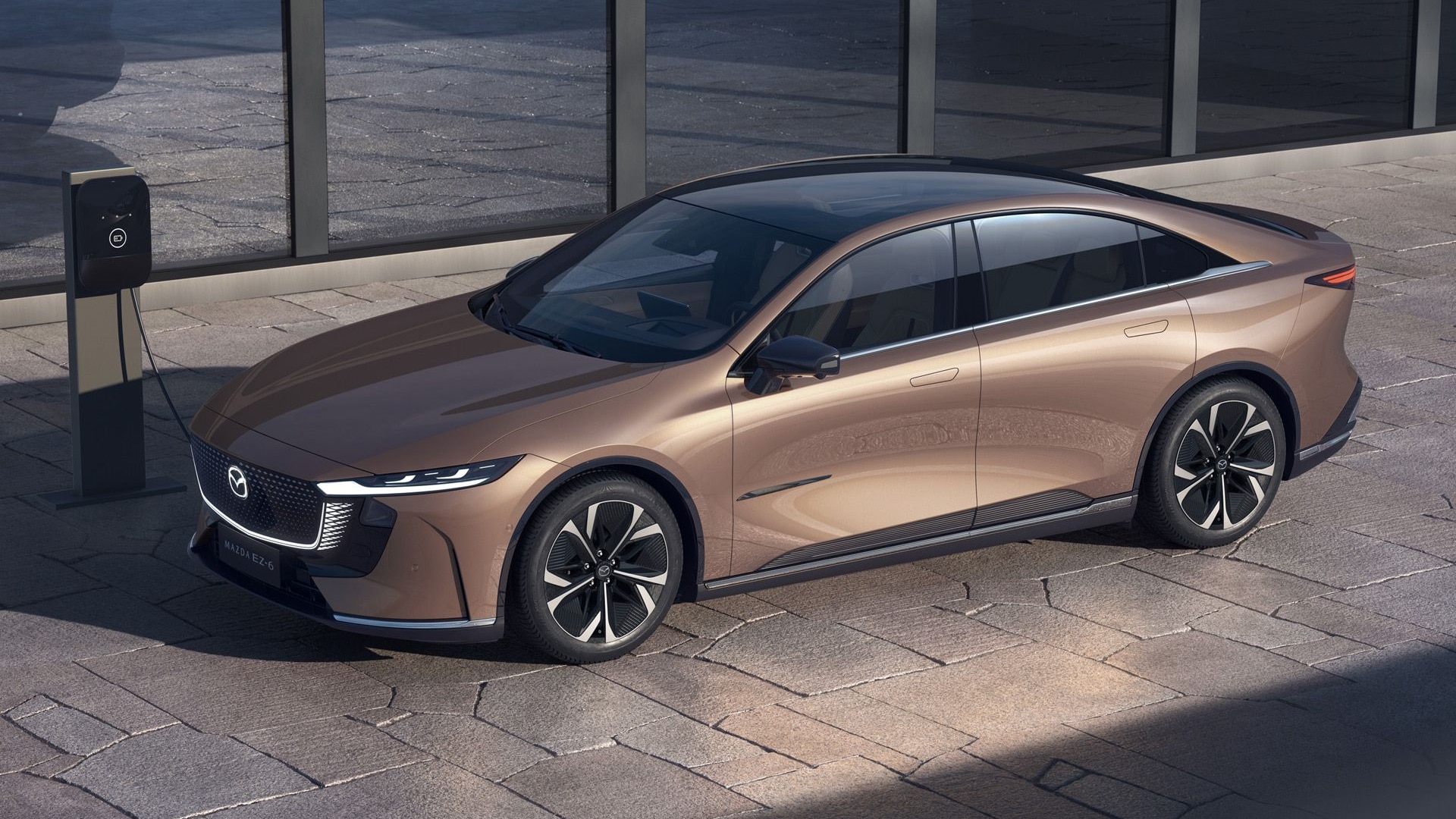
If you’re not an electric car driver, the chances are that how and when electric cars recharge is one of the lesser mysteries of the universe.
After all, if every electric car in town charged at the same time, wouldn’t it bring down the electrical grid?
The answer, at least for now, is a resounding no. But if electric cars take off, utility companies and electric automakers may have to work together to change the charging habits of electric car drivers to protect the gird.
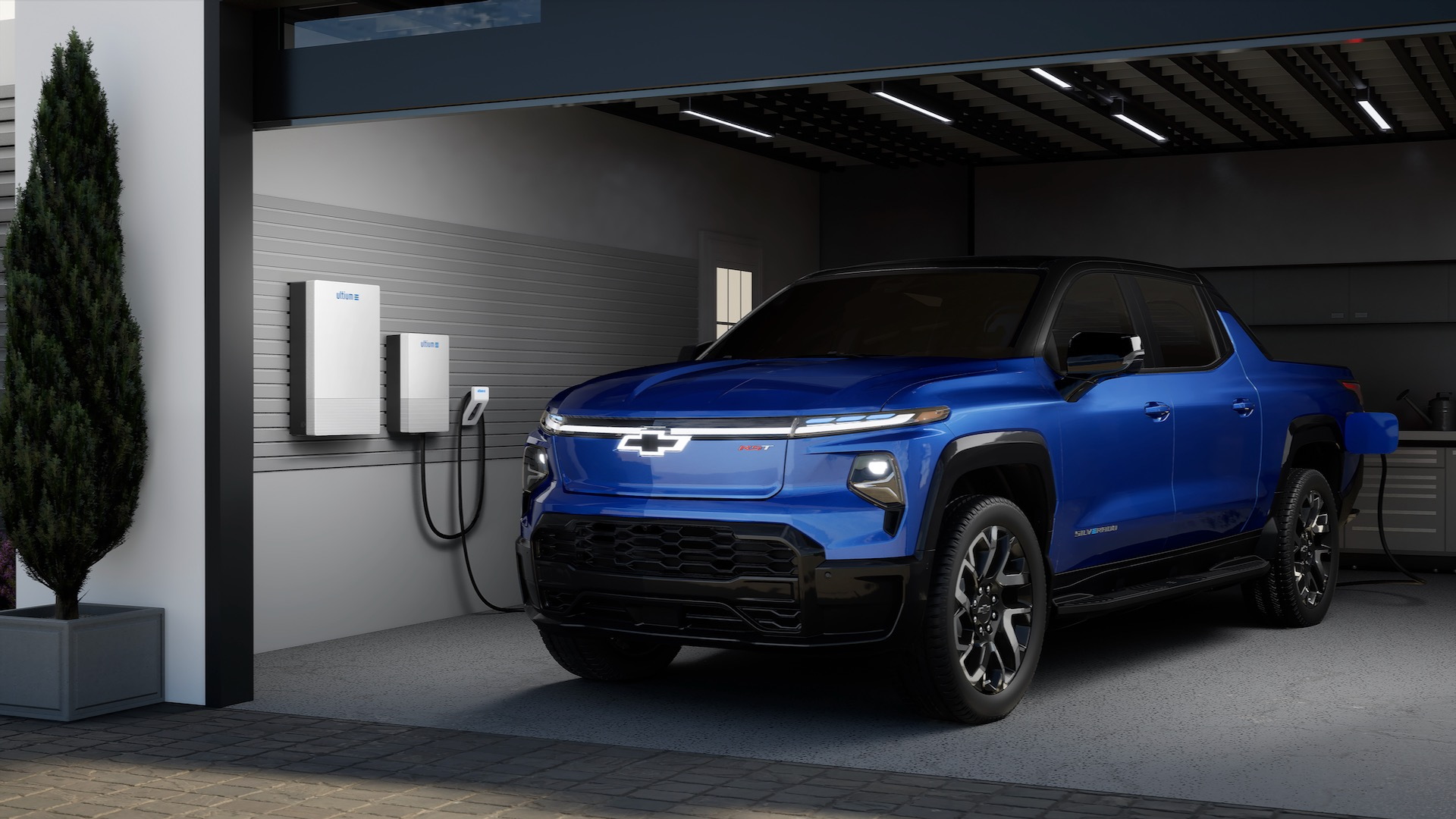
According to Scientific American, data collected over the past two months in Pecan Street, Mueller, TX, colloquially known as the world’s most concentrated neighborhood of Chevrolet Volts, shows that most electric car owners plug-in and charge the moment they get home, rather than charge their cars at night when grid demand is at its smallest.
The resulting spike in power, adding to the traditionally high demand period between 3pm and 8pm, means that the local utility company has to work harder to provide the necessary neighborhood with enough electricity.
Obviously, Pecan St. is not an average American neighborhood: it’s part of a new, green housing development being studied by the University of Texas at Austin.
A3 e-tron charging station installation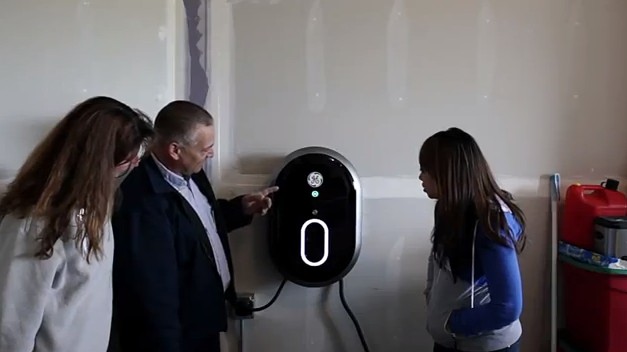
But should this pattern of charging continue as electric cars become more popular, once electric cars are owned by 15 to 20 percent of residents in a particular neighborhood, those studying Pecan St. say utility companies could struggle to meet demand.
That may sound like a nightmarish scenario, but for now, we're doubtful it will become reality.
Why?
First, because the 2012 Chevrolet Volt has a fairly limited all-electric range, it’s possible to drain the pack completely during an average daily commute.
As a consequence, Volt owners are more likely to want to recharge when they get home, so their car still has enough all-electric range to do evening errands without relying on its on-board gasoline-powered generator. Most electric cars driven in the Pecan St. project are Volts, while wider communities are more likely to have a wide range of plug-in cars.
By contrast, most 2012 Leaf owners will arrive home from the daily commute with plenty of mileage to spare, meaning they’re less likely to feel the need to charge immediately.
Second, as a recent study by the Center for Sustainable Energy in California (CSEC) found out, as many as two-thirds of all electric car owners will charge their cars at night if utility companies offer appropriate incentives to do so.
Power lines by Flickr user achouro
In most cases, this means offering a special off-peak, or time-of-use rate that is cheaper than the usual day rate.
With most electric cars on the market today offering built-in timers that allow owners to program their cars to charge at specific times, as long as utilities offer appropriate incentives, most owners will charge their cars at night while they sleep.
With only 6 percent of all utilities in the U.S. offering time-of-use rates however, it may take some time before plug-in drivers take advantage of pre-programmed night-time charging.
There is of course, another solution: smart grid technology.
By allowing automakers and utility companies to work together through a smart grid, utility companies can let automakers know how much spare capacity exists in the electrical grid to charge electric cars at any one time.
As General Motors has already demonstrated with its OnStar system, it should then be possible to control when and how customers’ cars charge, preventing the kind of nightmarish scenario where tens of thousands of simultaneously charging electric cars bring down the electrical grid.
For that to happen however, 15 to 20 percent of all cars on the road, equivalent to at least 1 million vehicles, would have to be electric.
AND they’d have to all plug in at the same time.
Given the number of electric cars on the roads of the U.S. isn't expected to top 1 million cars until at least 2015, we think automakers and utility companies have plenty of time to work on ways to encourage electric car owners to charge at night.
Do you agree? Let us know in the Comments below.
+++++++++++