It appears that one of the perennial sticking points of electric cars is still putting off buyers.
Not range anxiety, but pricing.
In the Energy Information Administration's Annual Energy Outlook 2012 report, it suggests that buyers aren't confident that they'll see any payback from the high initial purchase prices common to most EVs.
The report states (via ECT.coop), “Although consumers may value high-cost battery electric vehicles for a variety of reasons, it is unlikely that they can achieve wide-scale market penetration while their additional purchase costs remain significantly higher than the present value of future fuel savings."
6,200 EVs per manufacturer by 2015? Or half a million?
Even if gas were to rise to $6 per gallon, buyers would still be unlikely to see payback within a five-year ownership period, given the discrepancy in purchase costs. This echoes our own five-year findings, though with tax incentives and lower service costs included, the difference is much lower.
The EIA expects that the cost of electric vehicles will only fall with battery prices, and the report does envision that happening over the next few years.
By 2015, the average 100-mile electric car should cost $33,000 (before incentives), and sell in numbers of around 6,200 per year. Given that the Renault-Nissan alliance expects to be selling half a million electric vehicles by 2015, the EIA's figures look particularly low. Even more so next to Elon Musk's optimistic predictions...
Should the average cost of a 100-mile EV fall to around $25,000--which it doesn't see happening for another twenty years or more--it suggests that sales could grow to 1.3 million per year.
That time period sounds a little pessimistic to us, though the pricing figures do consider an incremental rise in cost of buying vehicles, due to inflation. The report doesn't seem to take into account the greater rise in price of regular internal combustion vehicles due to tighter 2025 emissions legislation.
$25,000 electric cars not that far away...
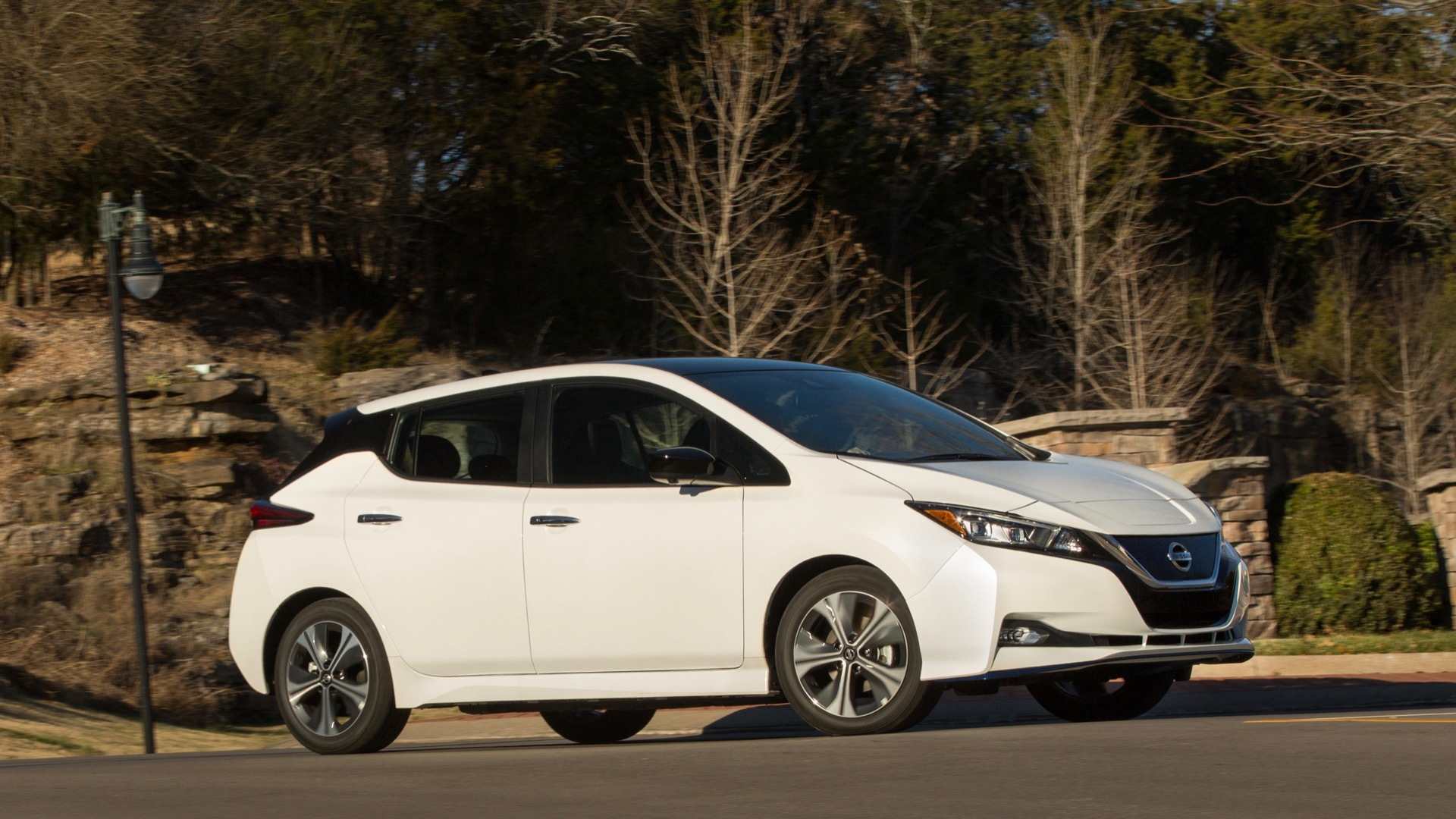
Pre-incentives, the 2012 Mitsubishi i is already less than $30,000, and the 100-mile 2012 Nissan Leaf is $35,000. We'd be surprised if, with many more electric cars due on the market in the next few years, the average cost has only decreased to $33,000.
The EIA's report, which you can find here, also suggests that 100-mile EVs will still be the norm by 2035, as though pricing will have come down, electric cars with longer range--200 miles, for example--will still be more expensive than mass market consumers are willing to pay.
In addition to pricing, the report suggests charging times, the lack of a widespread public charging infrastructure, and the general increase in economy of regular gasoline vehicles, are also factors contributing to low electric vehicle sales.
Naturally, many of these factors aren't so much of an issue for the early adopters of electric cars, who prioritize technology and green credentials, or may have a longer-term view than just five years.
If you've not bought an electric car yet, what major factor is stopping you? Price, range, or something else?
Leave us your thoughts in the comments section below.
+++++++++++