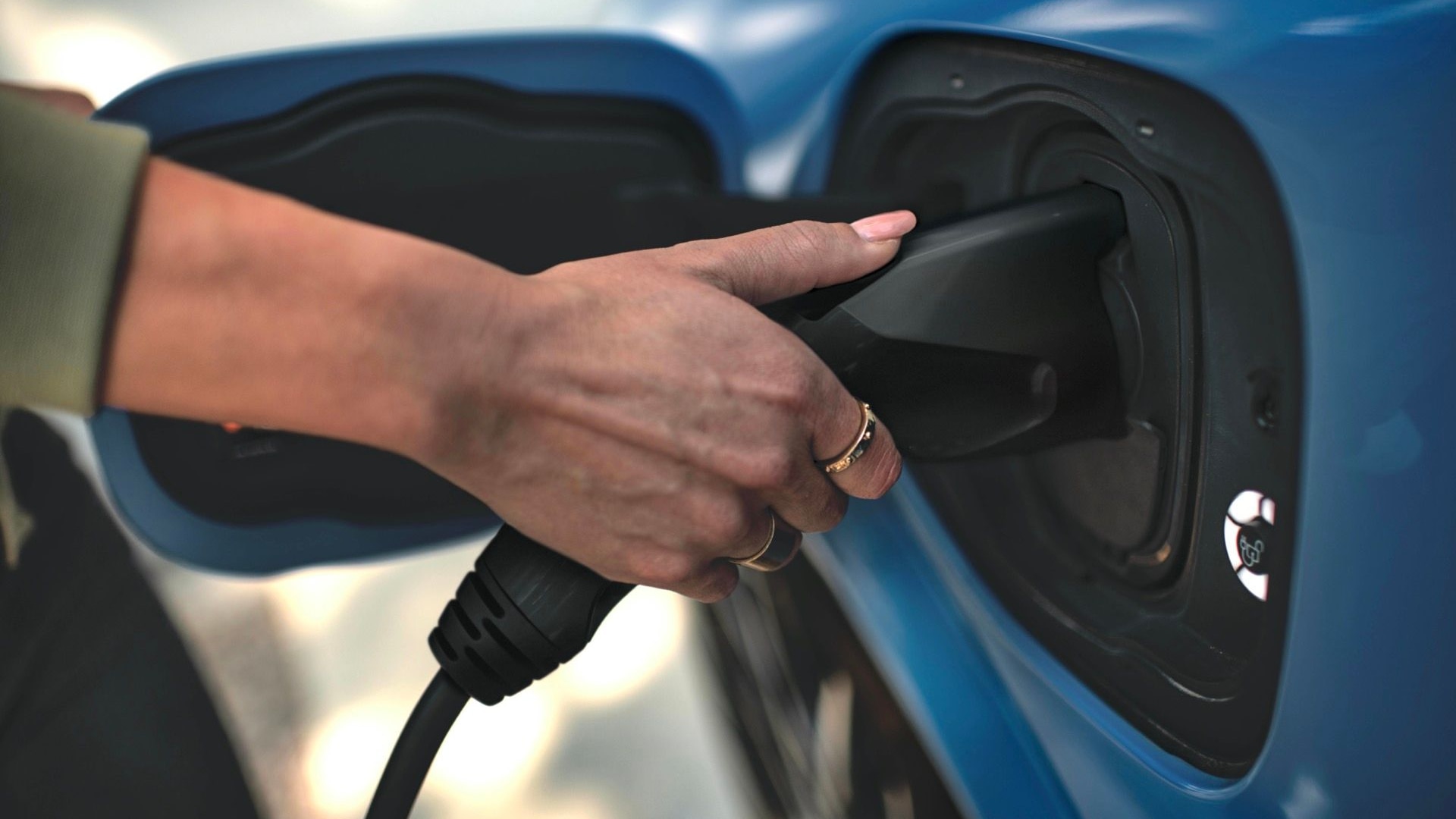
There’s an ongoing joke among electric car owners that every new electric car should come with a free wallet.
Why? To store the array of cards, tags and access keys that electric car drivers inevitably collect to gain access to an increasingly complicated public charging network.
Earlier this week, we highlighted our concerns that confusion over public charging networks is hurting electric car adoption, but now it’s time to examine if electric car charging networks could be simplified by the concept of roaming.
What is roaming?
If you regularly travel, you’ll be familiar with the concept of cellphone roaming. Made possible thanks to agreements between rival cellphone companies, roaming allows you to make and receive calls on your cellphone, even if you’re in a different state or country.
In the same way, electric car charging network roaming would require an agreement between the many charging station networks to allow members of rival networks to use charging networks customers are not members of when required.
How would it work?
2011 Nissan Leaf plugged into an EVgo quick-charging station, Texas
As with cellphone roaming, customers of a charging network that required a roaming feature would most likely have to have it added to their standard membership for a fee.
Once added, the roaming feature could either offer a set quota of roaming each month for a set fee, or ad-hoc, pay-as-you-use roaming when required.
On arriving at a rival charging station, non-members would then be given access to the charging station as needed, but at a higher cost than native members would pay.
It’s complicated, costly
However, unlike cellphone companies whose business models and method of connection are broadly similar, different charging providers have different methods of authentication and charging.
For example, some charging stations rely on RFID smart-cards, while others rely on a barcode reader. Some may even use specially-designed electronic keyfobs.
To get these systems to coexist would require a serious collaborative effort between rival companies, something that is unlikely at the moment given the limited number of customers and high number of rival firms.
Negotiating payment is even more complicated. While some companies charge high monthly membership fees for unlimited access to ‘free’ electricity, other firms charge customers a small yearly membership alongside metered pay-as-you-charge billing.
Some companies, like ChargePoint, offer a midway-system, where the owner of the parking lot where the charging station is located sets charging rates, not the charging station provider.
Change or die?
For cellphone providers, roaming agreements make good business sense. Not only do roaming agreements increase a network’s coverage for frequently-traveling customers, but they also become an additional revenue stream from monthly roaming subscriptions and additional call charges.
But setting up roaming, including preparing agreements, agreeing on a standard and working together to ensure billing is correctly handled, is a major undertaking.
For established cellphone companies with millions of customers, those costs can easily be amortized over the broad user base.
Scenes from dedication of electric-car charging station at Creekside Inn, Palo Alto, CA
For electric car companies with small numbers of customers, the financial cost of implementing the technological changes needed to conform to a single roaming standard would likely be considered too great a financial burden at this time.
However, in order for electric car adoption to increase, public accessibility to charging stations needs to become more transparent, making roaming an essential part of any future electric car infrastructure.
Ultimately then, the companies that currently provide electric car charging have a choice:
Collaborate, or compete.
And it is that single decision that may decide each firm’s future.
+++++++++++