Well, it's all over but the shouting now.
This afternoon, the National Highway Traffic Safety Administration issued a statement saying it had closed its investigation into the causes of a fire in the battery pack of a Chevrolet Volt range-extended electric car.
The statement said the agency had concluded that "no discernible defect trend exists" and that "modifications recently developed by General Motors reduce the potential for battery intrusion resulting from side impacts."
It also pointedly noted that no real-world crashes have resulted in any battery pack fires in Volts, perhaps a nod to hearings next week to be chaired by Rep. Darrell Issa (R-CA) in which the topic is to examine the government's handling of the incident.
The title of the committee's hearing is "Volt Vehicle Fire: What did NHTSA know, and when did they know it?"
The Volt that caught fire in June had been wrecked in a NHTSA side-impact crash test, turned 360 degrees on a rotisserie, and then stored in an open yard.
Three weeks after the crash test, the car caught fire. In subsequent lab tests designed to replicate the incident, another pack caught fire and a second emitted sparks.

GM engineer fits structural reinforcement to distribute crash energy away from Chevy Volt battery.
The agency opened an investigation into the causes in November, working closely with General Motors engineers.
Last week, GM announced that it would offer upgrades to Volt owners that would reinforce the crash structure around the pack, along with replacing the coolant filler to prevent over-filling.
Those repairs will begin in February, and the modifications are already incorporated into all Volts assembled this year at the Detroit-Hamtramck plant.
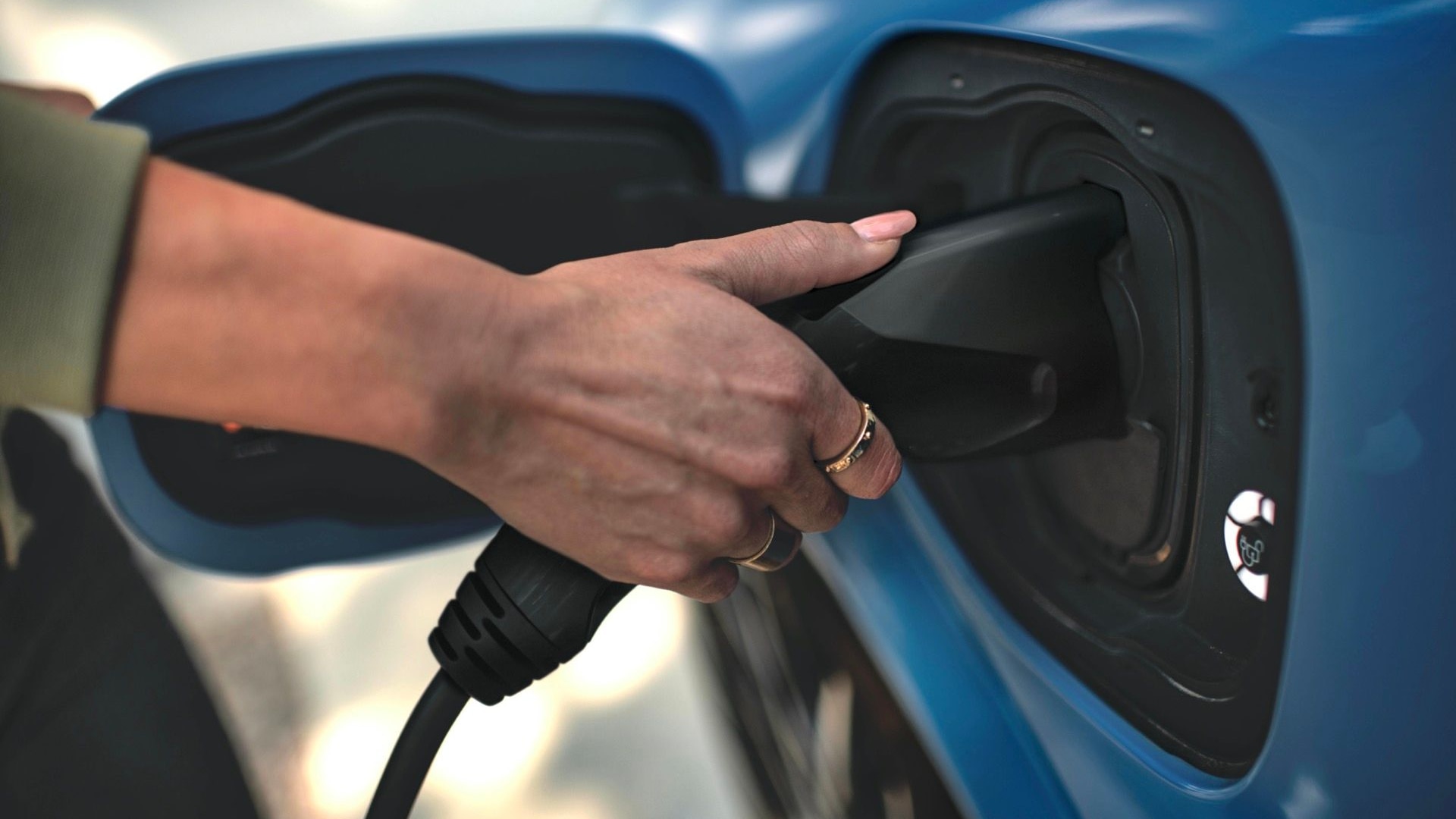
The NHTSA statement notes that it has developed procedures for de-energizing the battery pack of a wrecked electric car, working with emergency responders and other safety agencies.
GM acknowledged that it had not fully developed and distributed such procedures at the time of the June fire. It has since done so, the company says.
Just as gasoline is drained from a wrecked car after it has been towed to a garage or yard, the battery pack of a wrecked plug-in vehicle must similarly have its energy drained.
The agency's statement also notes that, "NHTSA continues to believe that electric vehicles show great promise as a safe and fuel-efficient option for American drivers."
+++++++++++