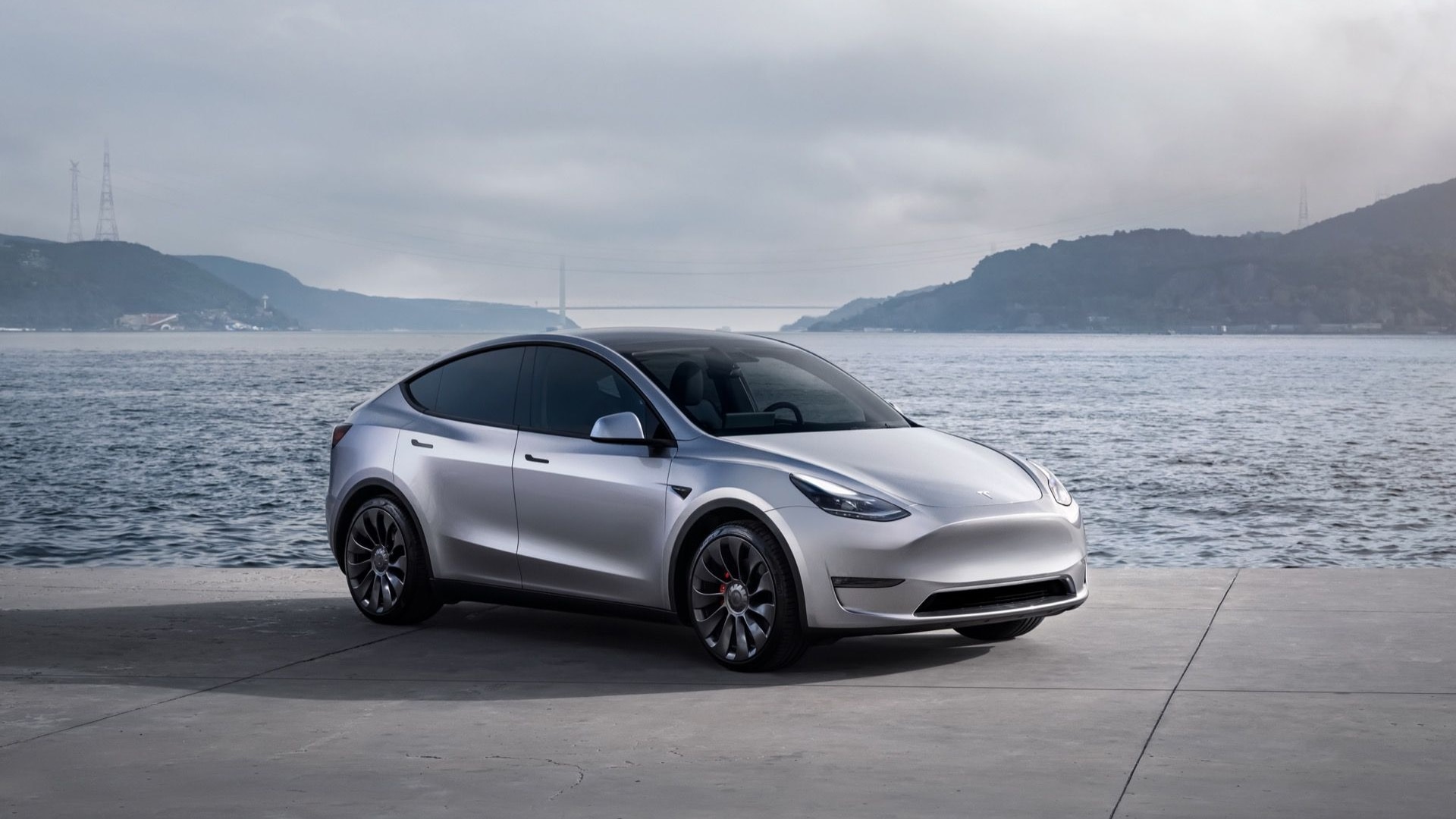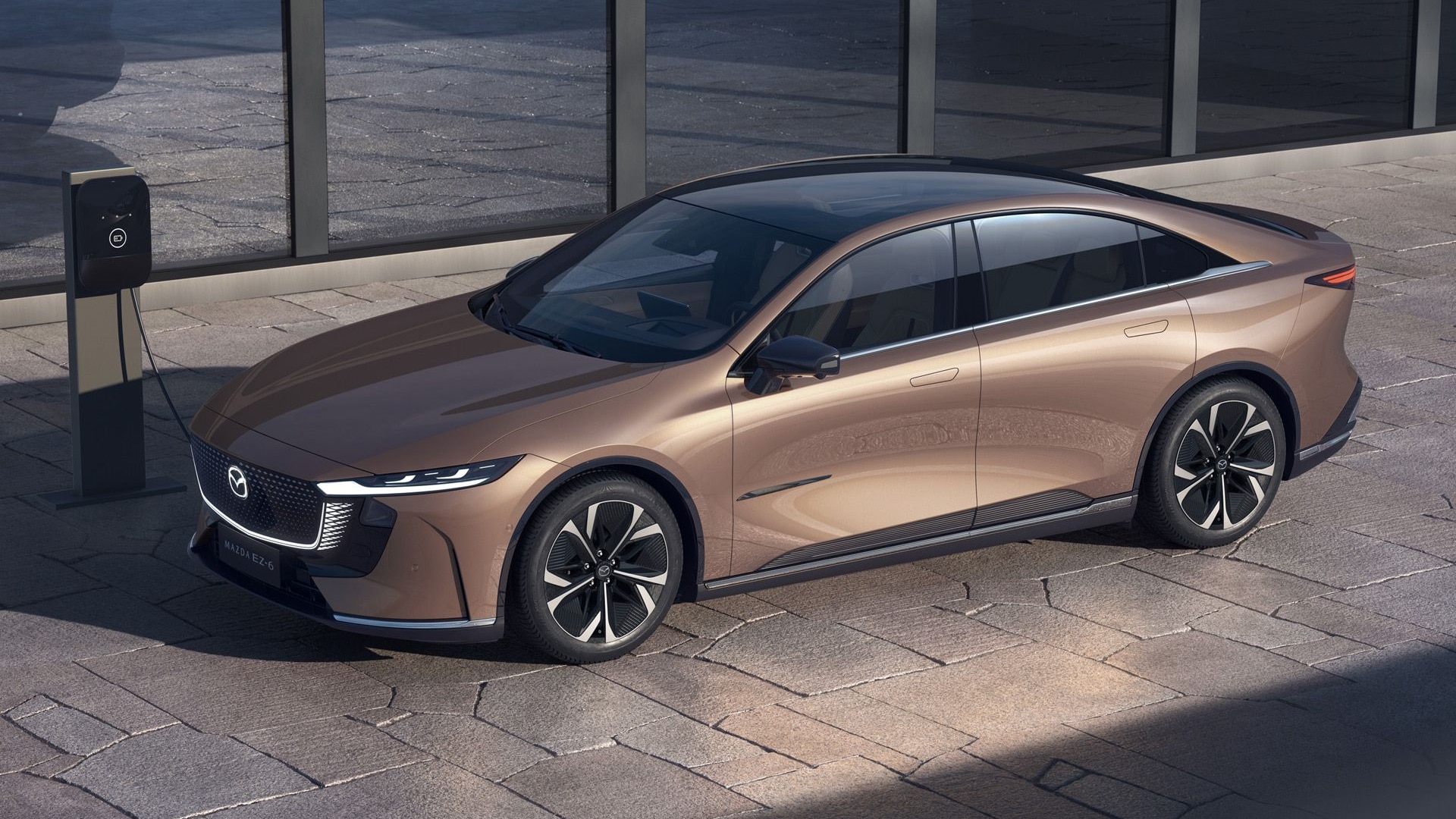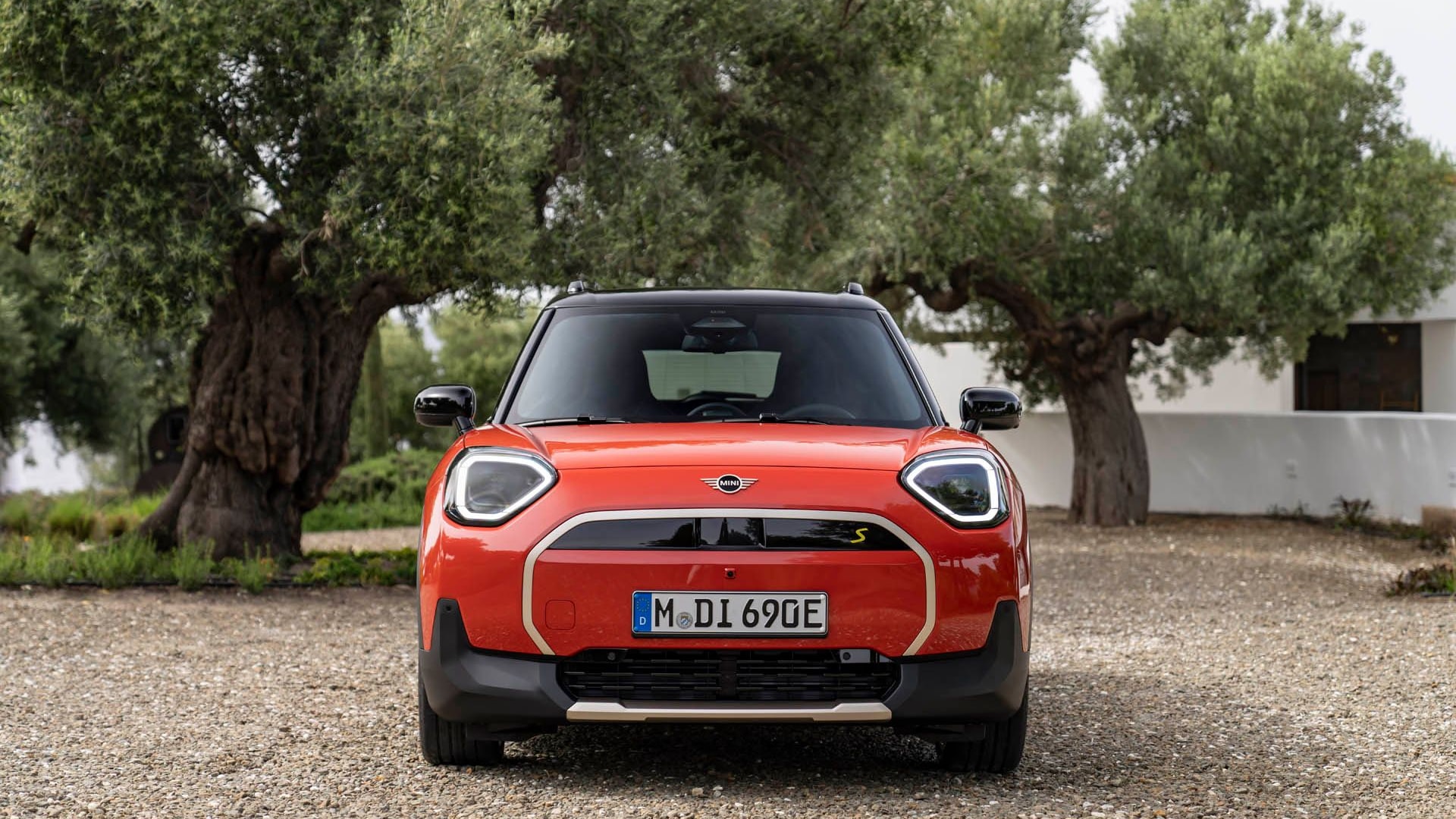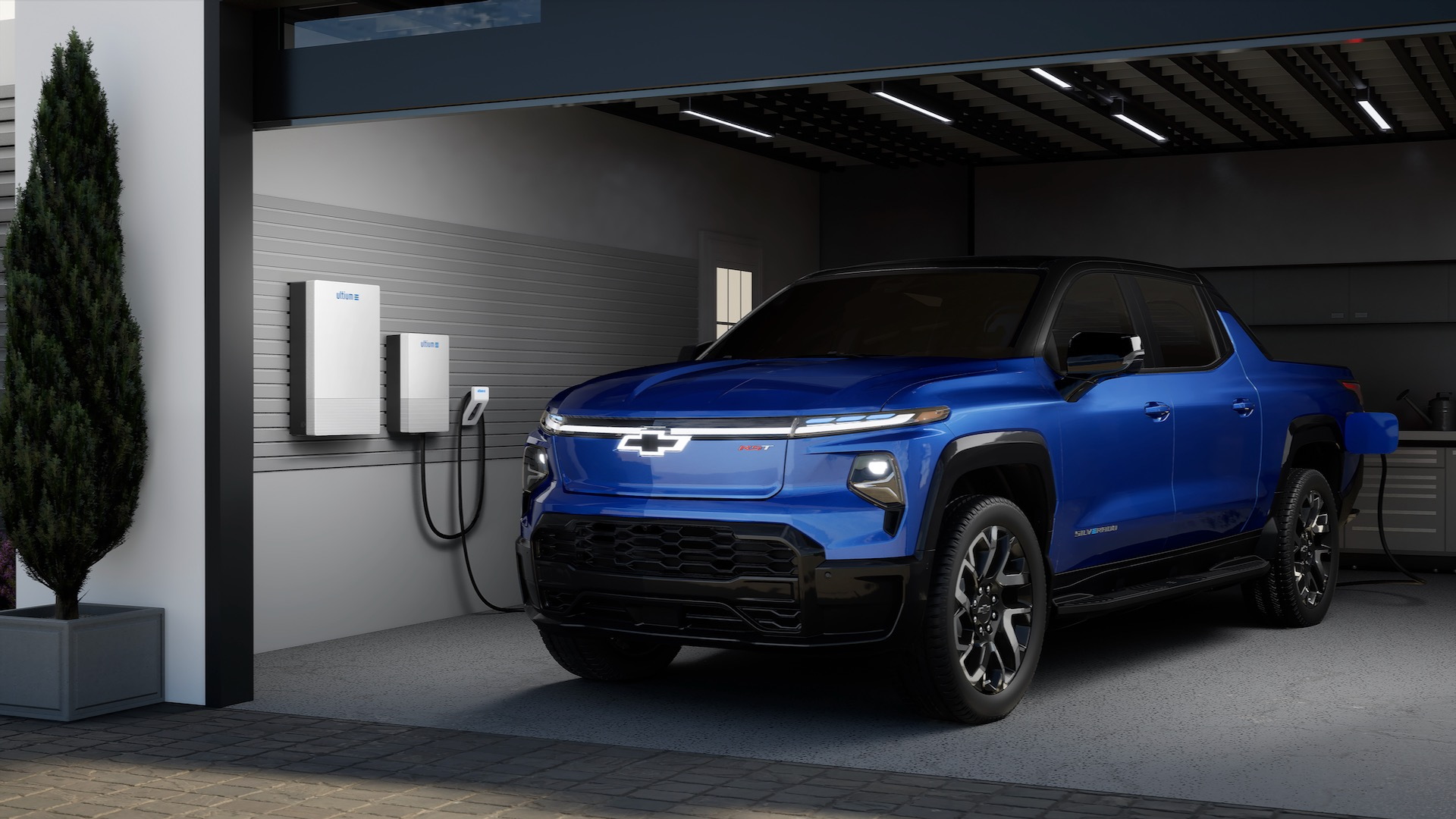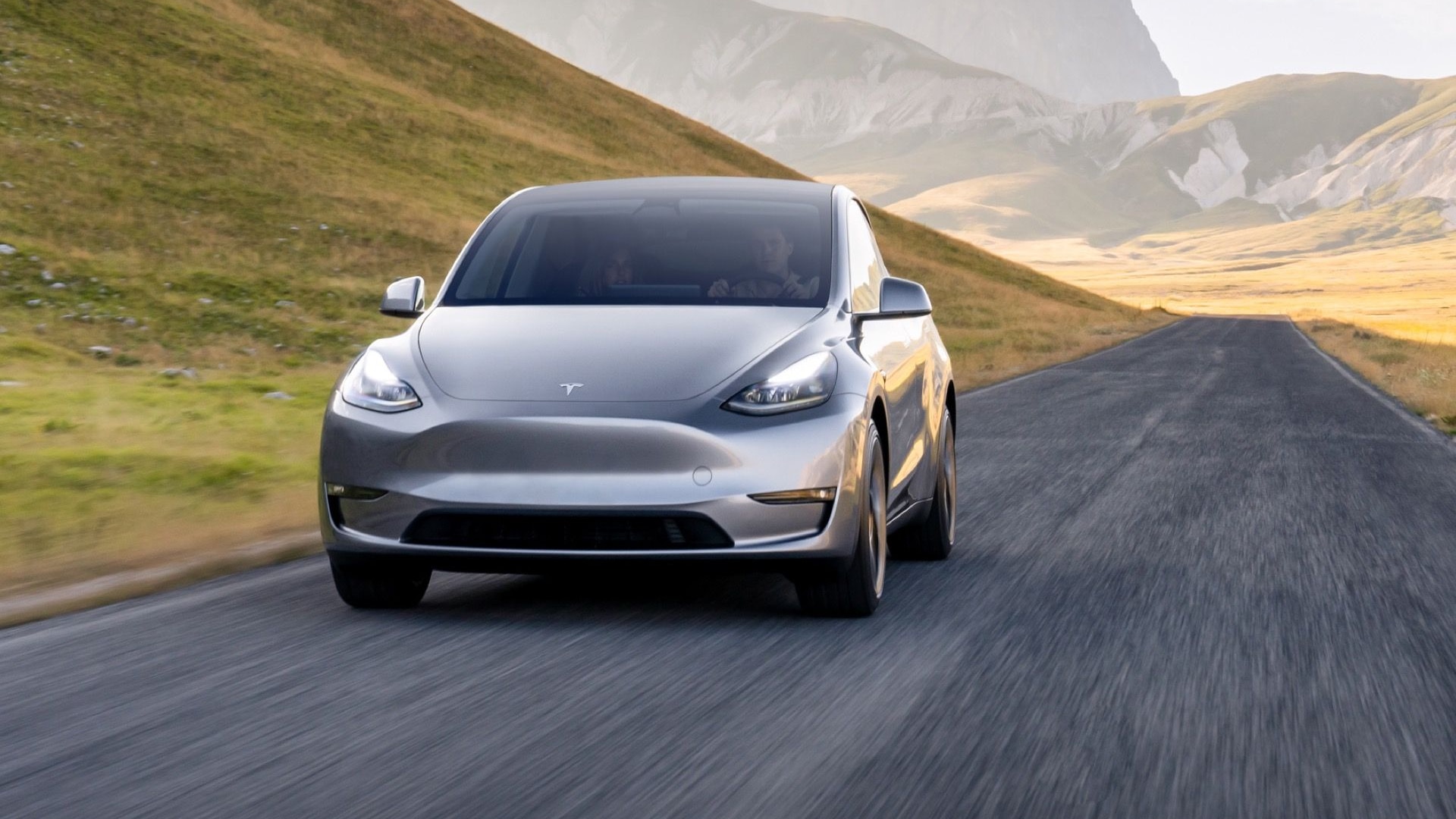
The new study, entitled "Electric Vehicles - Who's Left Stranded?" highlights the issue that the large majority of electric car and hybrid owners are white people with annual incomes of over $75,000. According to the Institute, 60 percent of California's population are non-whites and not as affluent, so the potential air quality benefits aren't as high as they would be with greater EV adoption.
Here's why we think the study is badly flawed:
Poorer people can't afford expensive things? GASP!
Last time we checked, the coins jingling around in our pockets weren't enough to buy a shiny new iPhone. It stands to reason that in order to buy something, you need sufficient income for it. In this respect, it's no more of a shock that less affluent people are unable to afford an electric car than it is they're unable to buy a brand new BMW, or a house in the Hollywood Hills.
Cutting edge tech doesn't come cheap
Electric cars are still at the "early adopter" stage of the product lifecycle. They cost manufacturers a significant amount of money to research, develop and produce, and until consumers buy them in greater numbers, the cost remains high to remain commercially viable for carmakers.
Again - this is no more of a shock than it was that cellphones cost $5,000 when they arrived in the 1980s. We're willing to suspect that the first mobile phones were (shock!) also bought by wealthy individuals with no benefit to those less well-off.
Failing to understand that high-technology items are initially expensive is simply a poor grasp of basic economics and certainly nothing to do with consumers' color or background.
What became of the second-hand market?
We'll happily agree that hybrid vehicles and particularly electric cars are relatively expensive...
...When brand new. There's a large used market for hybrid vehicles making them much more accessible to the less wealthy. The study quotes that although white Californians make up only 40 percent of the population, they own 70 percent of the hybrids. If non-white communities were as interested in hybrids and EVs as the study claims, used uptake would surely be much higher.
The statistics for electric cars are particularly misleading, anyway. Pure EVs are still incredibly few and far between by the standards of regular vehicles, and even more so in 2009, the year from which the report's statistics were taken. The sample size simply isn't sufficient to make accurate judgements from.
Awareness of incentives - is it really that low?
The study claims that knowledge of incentive information could be quite low amongst certain communities and this may be affecting the potential customer base.
Sites like GreenCarReports are doing their best to educate the consumer on the process of choosing, buying and running electric vehicles and hybrids. That means ensuring our readers know about the latest federal and state tax incentives, benefits such as free parking or use of HOV lanes, the cost of home charging, the availability of public charging points, and more.
This information is available freely on the internet, is widely available from the manufacturers of electric and hybrid vehicles, and tax incentives are widely publicized by the relevant federal and state departments. Anyone even remotely interested in an electric vehicle shouldn't have the excuse of being put off by lack of information.
There's so much racial profiling in the report and so little useful information we're unsure quite what to make of it, but surely the whole, 17-page document (.pdf file) could have been summed up by one, simple sentence on page 10:
"For consumers to be willing to purchase electric vehicles, they need to know about tax and other incentives, and have enough money to pay for the vehicles."
Correct us if we're over-simplifying the issue, but does this not just mean "in order to buy something, you must first have enough money with which to buy it"?...