Ask any electric car owner to name the benefits of owning an electric car and the ability to leave your house every morning with a ‘full tank’ is likely to be at the top of their list, followed closely by the fact that most electric cars can provide enough range to last more than a day’s worth of driving.
But what happens when you need to charge up more than once in a day? And just how much would you pay to speed that charging up?
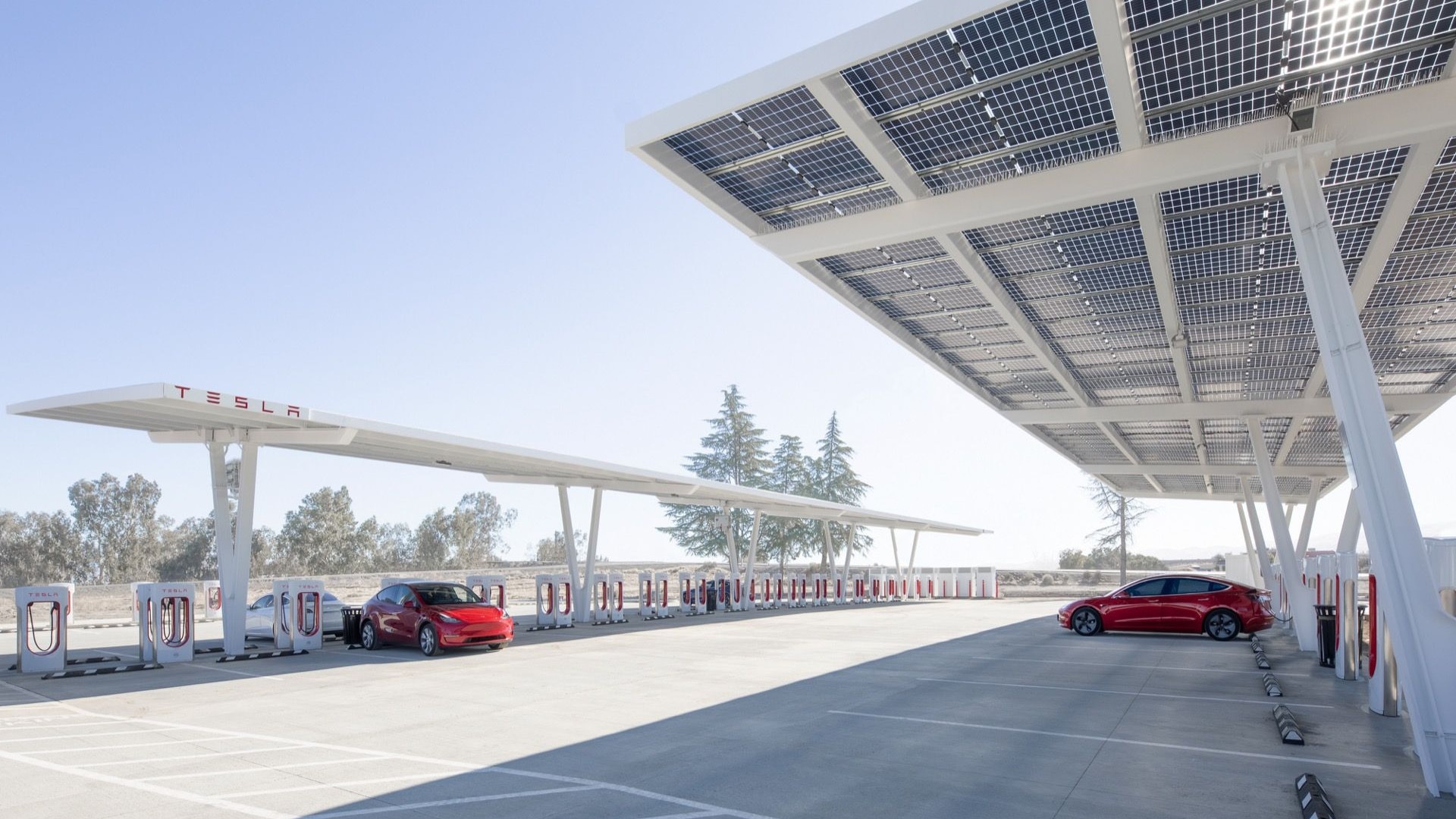
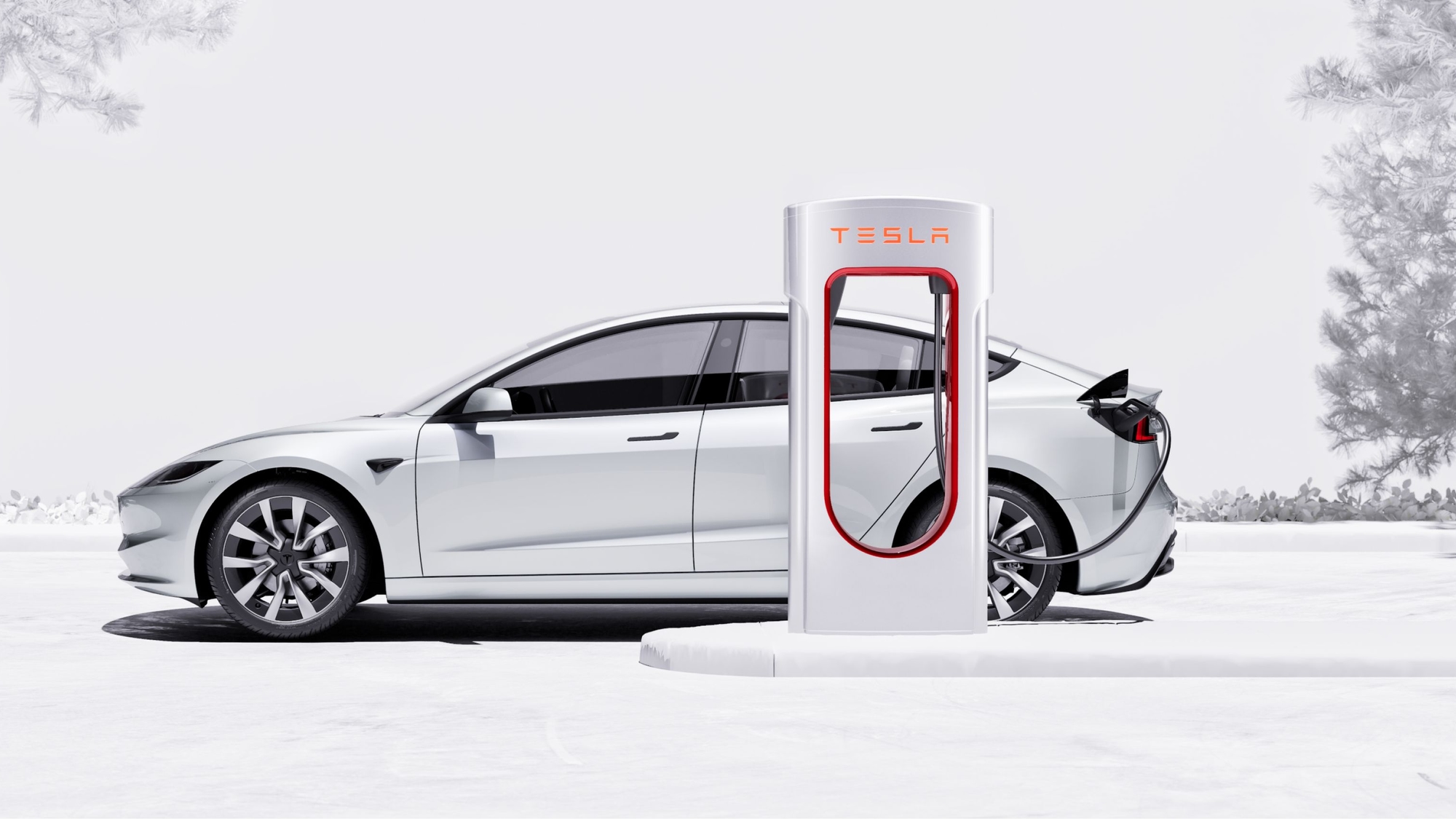
According to a study published earlier by the University of Delaware, consumers would be willing to pay an additional $3,250 premium per hour of charging time saved when buying an electric car capable of accepting 50 miles worth of charge on in 10 minutes from an external high-power charging station.

Scenes from dedication of electric-car charging station at Creekside Inn, Palo Alto, CA
Enlarge PhotoFor the study a selection of 3,000 people were asked just how much they would be willing to pay per hour decrease of charging time in an electric car.
Using a figure of 10 hours for a 50 mile recharge using a standard 110V outlet as a starting point, the researchers concluded that consumers would be willing to pay between $427 and $3,250 for every hour reduction in charging time on a new electric car.
In other words, consumers would pay as much as $3,250 as a premium on top of sticker price for an optional extra capable of allowing a 50 mile recharge in 10 minutes, showing that most consumers value their own time and convenience of a rapid charge over a slower level 1 or 2 overnight recharge.
This will come as no shock to Nissan, whose 2011 Leaf currently ships with the option of a $770 rapid charge port capable of recharging its 24 kilowatt-hour battery pack from empty to 80% full in a little over 20 minutes.
As we discovered last week however, the U.S. auto industry has officially turned down the pre-existing ChAdeMO rapid charge hardware responsible for the Leaf’s 20-minute rapid charge time in favor of a new standard which has yet to even be agreed on.
Given that rapid charging times seem extremely important to potential electric car consumers we have to ask if this decision was a major mistake, since a replacement standard for rapid charging is unlikely to be implemented for several years.
In the meantime, it appears that not only purchase price but also recharge times could hamper mainstream adoption of electric cars by those convinced that they require cars capable of more than 100 miles of range a day, despite evidence to suggest the average electric car trip is only 8.5 miles per journey, and that the average daily commute is less than 32 miles.
Do consumers need educating about the reality of owning an electric car and recharging times, or is rapid charging a must-have for your electric car? Let us know in the Comments below.

[University of Delaware via Earthtimes]
Have an opinion?Join the conversation!
By daveinolywa Posted: 5/24/2011 10:05am PDT
By Noel Park Posted: 5/24/2011 11:55am PDT
By Bret Posted: 5/24/2011 1:53pm PDT
However, now that they have made that decision, SAE had better come up with something quickly. There are already a lot of LEAFs selling and the Focus EV is coming out in a couple of months. The last thing the auto industry needs is any more confusion surrounding EV adoption because they can't get their standards together.
By Ray Posted: 5/24/2011 8:51pm PDT
By Norbert Posted: 5/25/2011 2:44am PDT
By lne937s Posted: 5/25/2011 7:32am PDT
But it will also put the US behind the rest of the world in EV adoption. It is time for the people setting the standards to do what is best for the country, rather than just what is best for Detroit.
By Bert Posted: 5/25/2011 10:02am PDT
But that's EXACTLY why electrics will be a tough sell. Because we don't buy a car for averages. There are those days when you need to run here, then there, extra trips. Happens all the time.
Life is full of surprises no matter how much planning you do and you need to be able to get somewhere.
A fully fueled petrol car will get 300-400 miles, more than enough for what life throws at you. And without the compromises of only going 55 mph, limiting the climate control and avoiding hills just to get 70 miles of range.
It's so obvious to everyone except EVangelists. A car with a 70 mile range is not practical, short commute or not.
By Noel Park Posted: 5/25/2011 10:28am PDT
By doug Posted: 5/25/2011 4:00pm PDT
"I think it was smart of SAE and the American auto industry to insist on a single connector for both L2 and L3 charging. Having a searate Chademo connector for L3 doesn't make a lot of sense."
Of course if they were truly smart, they would have gone with this:
http://www.teslamotorsclub.com/showthread.php/1381-Charging-Station-standards?p=64731&viewfull=1#post64731
By Bret Posted: 5/25/2011 4:24pm PDT
By Bert Posted: 5/26/2011 8:24am PDT
I don't consider 20-30 minutes "rapid" by any stretch and neither will the general public. My time is worth more than that.
Especially when at the end of waiting for a half hour, you only get another measly 70 miles.
And if you need that much range, get a Model S with the 300 mile pack. It's swappable at Better Place switch stations in under 2 minutes.
Something tells me nothing will satisfy you though, and you just hate EVs.
By Bruce Armstrong Posted: 5/27/2011 3:48am PDT
A big problem with really fast charging is that the power levels are much higher (huge) than those needed to propel the vehcle. This has a profound effect on the requirements and design of the battery and charging equipment, not to mention the effect on local electricity distribution from a filling station that can peak at several MW and then drop off to zero a few minutes later. I suspect that this becoming widespread is about as likely as hydrogen fool cells usurping batteries in EVs.
The night charge and battery swap model makes a lot more sense.
By Bert Posted: 5/27/2011 12:20pm PDT
See, there's all these conditions and compromises to see any decent mileage out of an EV. I've heard suggestions of "don't turn on the A/C or heat" even though it's hot or cold out. Try going 70 mph on the freeway with the air or heat on and see if you get 80-100 miles.
So now you can't even use normal comfort features of the car. LOL.
Oh yea, and I'll just whip out $100,000+ from my change cup. And what "Better Place" location would that be to swap batteries? Where?
Impractical, overpriced, one trick ponies. You guys bought the Salad Shooter, too...right?
By Daniel Posted: 6/7/2011 8:48am PDT
The current generation of fast charging stations charges at about 50kw. That's a draw on the grid equivalent to about a small business running during the day. Not trivial, but not the grid-busting "several MW" that you suggest.
50-100kw is also well within the ability of grid operators to compensate for, and T&D companies price their services accordingly. Here in TX, the owner of a fast-charging station that draws 50kw pays about $500 a month for the privilege of being able to draw that much power on demand - whether anyone uses the station that month or not.
By Daniel Posted: 6/7/2011 8:57am PDT
You may find this link of actual ranges for the Leaf under a variety of conditions (including worst-case) interesting. To save you time, the range falls to a minimum of 62 miles only under heavy traffic in 14 degree weather with the heat on. That's 4 hours of driving time.
http://www.nissanusa.com/leaf-electric-car/index?next=header.vlp.postcard.picture.thumbnail.#/leaf-electric-car/index
In the floating menu on the left, click on "Range" and then "The Basics."
Have an opinion?Join the conversation!