2011 Chevrolet Volt Ultimate Guide
90% of Chevy Volt Plug-In Hybrid Customers New...
Five Reasons Why Voltgate Won’t Hurt Sales Of...
Myth Busting Electric Car Myths: Yes, You Can...
2011 Chevrolet Volt: Electric Drive Impressions
Despite what GM wanted you to think when it first launched its brand new 2011 Chevrolet Volt, its four-seat extended range electric car or plug-in hybrid does consume gasoline.
But it turns out that despite the protestations of dyed-in-the-wool electric vehicle advocates, the 2011 Chevrolet Volt isn’t just another gas-guzzler.
According to data collected by the largest U.S. automaker from its early adopters, an average Volt drives up to 1,000 miles before it needs to visit the gas station.
Given that the $41,000 car only has a gas tank big enough to provide around 344 miles of additional driving after the 35 mile electric battery pack has drained, we’re lead to one simple conclusion.
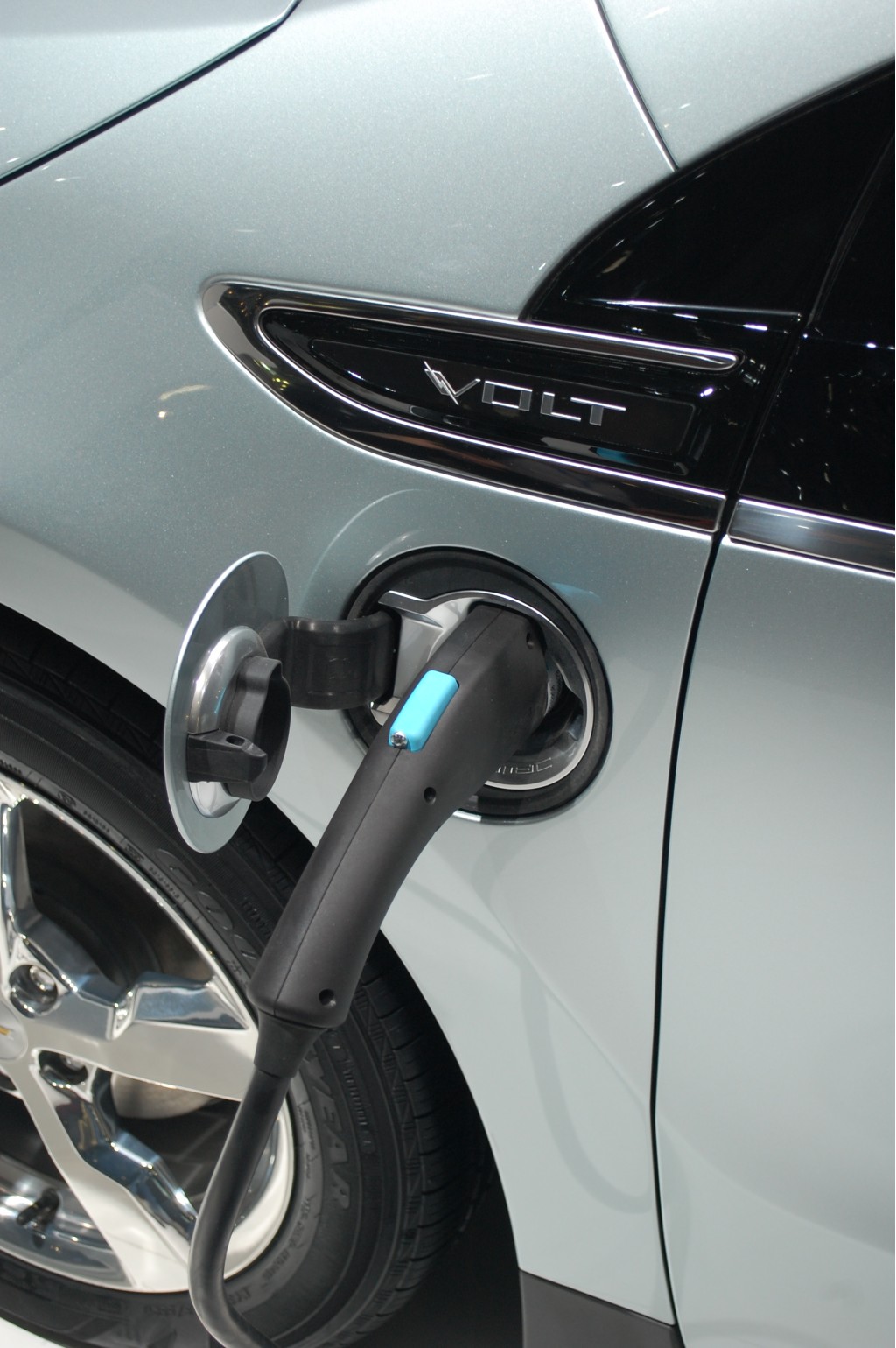
Volt drivers are plugging in rather more often than we thought they might.
A whole lot more. In fact, for every mile of gasoline assisted travel, the early adopters of the 2011 Chevrolet Volt are driving between 1.5 and 2.5 times further on electric.
It’s hardly surprising though: with gasoline well over $4 a gallon in most areas drivers are trying to find the most cost-effective way to drive their expensive mid-size sedan.
If that sedan happens to have a plug, there’s no competition. After all, with level 2 charge stations popping up in major metropolises everywhere from New York to Oregon and and only a shade over 2,100 plug-in cars sold since December, there’s hardly an issue finding a spare place to charge in the key rollout areas.
Will this pattern continue?
It’s tough to say. Right now, those buying the plug-in car are early adopters who understand the technology and are drawn to its features and drivetrain mix.
As the Volt becomes more mainstream we don’t expect much of a change. After all, if GM’s initial findings are anything to go by most trips will continue to be well within the 35 mile EPA-rated range of the Volt.
If anything, we’d expect the distance driven between gasoline fill ups to increase, as oil prices soar and owners try to make every last mile possible on electric power.
At that point, expect hundreds of hard core electric vehicle advocates to realize one simple thing: like it or not, the 2011 Chevrolet Volt is turning a whole section of the gasoline-guzzling population electric.

Have an opinion?
ecogo Posted: 4/7/2011 3:58pm PDT
Simplicity is the ultimate sophistication. - Leonardo da Vinci
Thalass Posted: 4/7/2011 6:35pm PDT
Of course for the next decade or so an on board or trailer generator is going to be good for long distance highway trips. It's going to take a while for fast charge stations to pop up everywhere. But as EV people know. 90% of peoples' driving is less than 100km.
Rich Posted: 4/8/2011 7:53am PDT
Noel Park Posted: 4/8/2011 9:08am PDT
tjc79 Posted: 4/8/2011 9:28am PDT
Oh, and for ecogo's uneducated comment, how is the Volt any different than any other gas/electric hybrid? Other than that the Volt is executed better, plugs in, and is far more efficient than other hybrid offerings, it has the same basic layout with an electric motor and a gas engine. A "wet dream" fantasy has to do with living in an all-electric world where no one travels more than 75 miles. Good luck fulfilling that fantasy!
tomas Posted: 4/8/2011 10:11am PDT
Plus, GM is probably the absolute worst car company to be carrying the EV torch...it makes the whole effort look cheap and fake. $41,000 for this? Yawn.
scottf200 Posted: 4/8/2011 10:15am PDT
Alt+3 Posted: 4/8/2011 10:29am PDT
Stan Posted: 4/8/2011 10:59am PDT
truth squad Posted: 4/8/2011 4:18pm PDT
Sounds much more complex than a BEV's battery-controller-motor axis, Rich. Are there really two different drive systems to maintain and interface? If they are separated as you maintain, how does the gas engine ever assist the drive wheels? Quantum tunneling?
http://www.nytimes.com/2010/10/17/automobiles/17VOLT.html?_r=2&scp=1&sq=Chevy%20Volt&st=cse
"Information obtained ahead of the press introduction, in contrast to what G.M. had previously maintained, made it clear that under certain conditions (at highway speed with the battery depleted) the 4-cylinder gas engine does provide some assist to the drive wheels."
George Parrott Posted: 4/10/2011 7:13am PDT
In California, and I suspect at least some of other places in the U.S., the Volt is NOT allowed to use public charge (L2) points. Since the Volt does not meet the CARB requirements for the "EV sticker," those states (and there are several) that follow California' s general emissions standards may also restrict the Volt's charging to ONLY the home charge station of the driver or to 110V lines at the workplace where the employee has negotiated a personal permission for that use.
Have an opinion?Join the conversation!