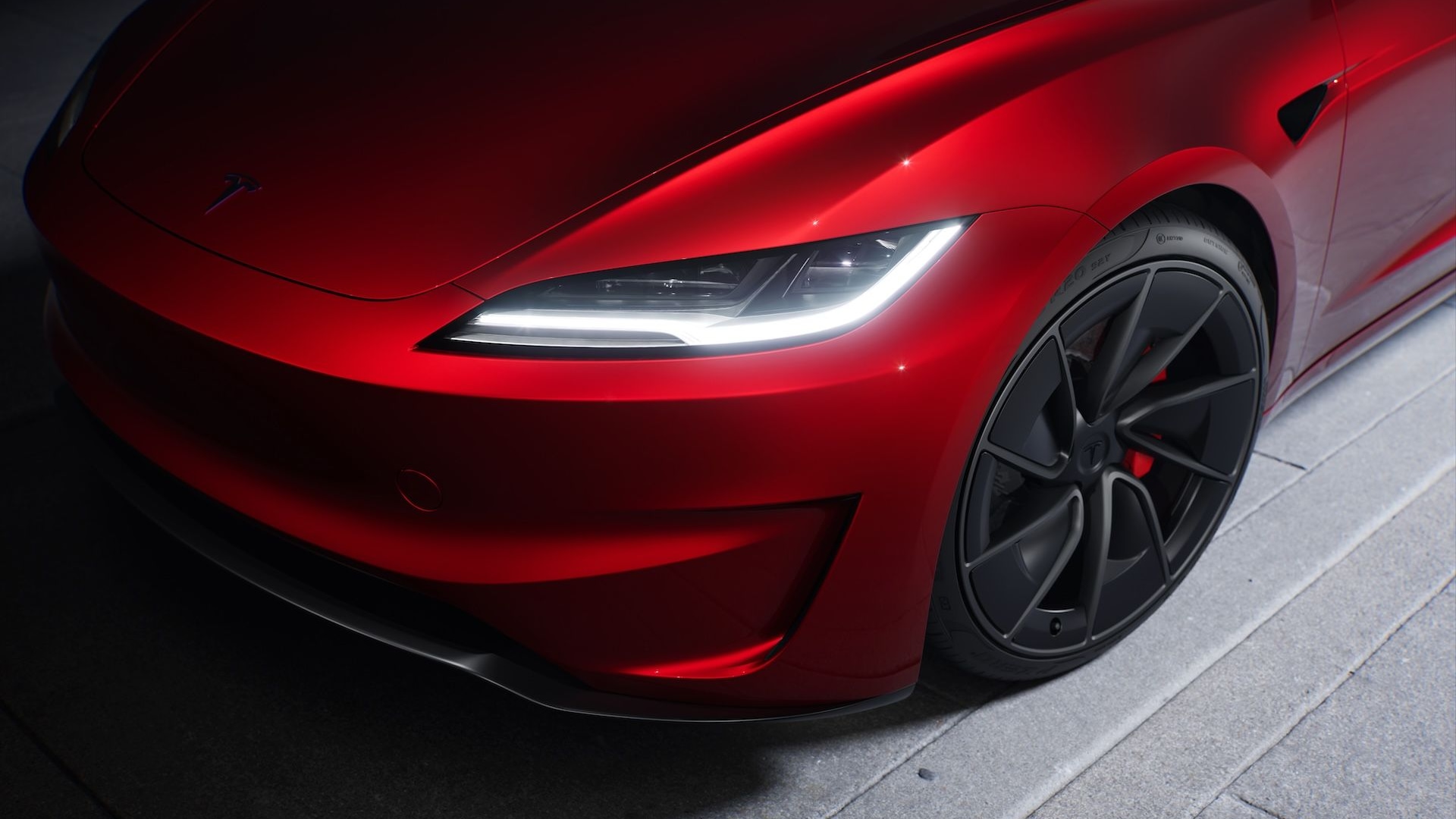
It may be the largest battery pack available in any electric car on the road today, but what happens when it is no-longer able to provide enough kick to push the 2011 Tesla Roadster Sport 2.5 from 0-60 in under 4 seconds?
That’s the question answered by Tesla Motors this week as it announced the launch of its Europe-wide battery recycling program for tired battery packs.
Unlike some other electric car battery packs, Tesla’s 52-kilowatt-hour packs aren’t destined to be used in a battery backup system for a computer server farm or Solar power project.
Enter Brussels-based Umicore. Using a series of processes, the spent battery packs are turned into an alloy metal that contains some of the battery’s constituent components, including cobalt and nickel.
Once in the form of an alloy, the valuable cobalt can be extracted and used to make lithium cobalt oxide - a major component in many lithium-ion batteries.
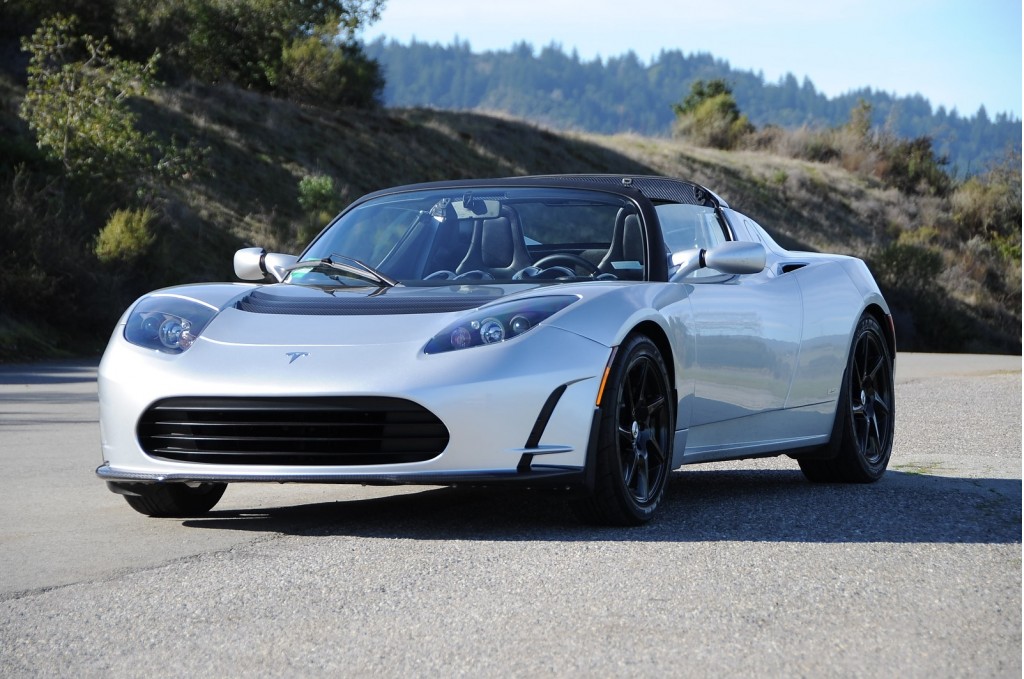
2011 Tesla Roadster Sport. Photo by Joe Nuxoll.
The processes form part of a closed-loop system, where spent lithium ion batteries enter and compounds ready to be used in new batteries exit.
Umicore and Tesla claim their battery recycling technology can reduce the CO2 emissions of lithium-ion battery recovery and refining process by over 70 percent.
In the future, Tesla hopes the processes can be further refined, allowing further so-called secondary raw materials to be recovered.
According to the EPA, 90% of all lead-acid batteries are recycled, meaning that many of the metals found in lead-acid car batteries find their way back into new batteries. In fact, a modern lead-acid battery contains up to 80% recycled parts.
But with lithium-ion batteries, less of the pack has traditionally been recycled.
In the U.S., Tesla has been working with Kinsbursky Brothers to recycle up to 60% of the lithium-ion pack for use in new batteries. Until this week however, no such partnership existed in Europe.

Bolivian Lithium Mine
The future? Tesla’s ultimate goal is to completely recycle every battery pack, reducing the cost of battery manufacture as well as dependence on newly mined materials.
The deal with Umicore should be another nail in the electric vehicle skeptic’s coffin, as it will no longer be possible to claim that lithium ion batteries are not recyclable.
[Tesla]