Prius Plug-In Hybrid Now By June 2012, Cheapest...
EV Vs Gas Vs Diesel: Breaking Down The Costs
2012 Toyota Prius Plug-In: Driven
Why Toyota Will Sell 2012 Prius Plug-Ins: It's...
It's a concern that comes up over and over: If I buy a hybrid car, won't I have to spend thousands of dollars to replace the battery pack in a few years?
The answer is, No. Not only are automakers required to warranty the high-voltage battery packs in hybrid-electric vehicles for 8 years/100,000 miles or 10 years/150,000 miles, depending on state, but now we have data to show that those packs don't get replaced any more often than any other part.
Older hybrids used as taxi cabs in cities like San Francisco have been retired with well over 300,000 miles on their battery packs, and no discernible problems or need for replacement.
Specialized fenders?
But if battery worries can be laid to rest, what about the non-electric components? Things like, oh, fenders?
Concerns arose over hybrid repair costs when a study emerged last year from an insurance-claims analysis firm that calculated repairs to the Toyota Prius to cost about 8.4 percent more than equivalent repairs on other models.
Their conclusion was that the disparity reflected the fact that the Prius is a "dedicated hybrid," with a unique body, meaning that many of its parts are in scarce supply simply due to its sales. While it's now Toyota's third best-selling car, earlier Prius models (from 2000 to 2005 or so) sold in much lower numbers--meaning fewer cars in junkyards.
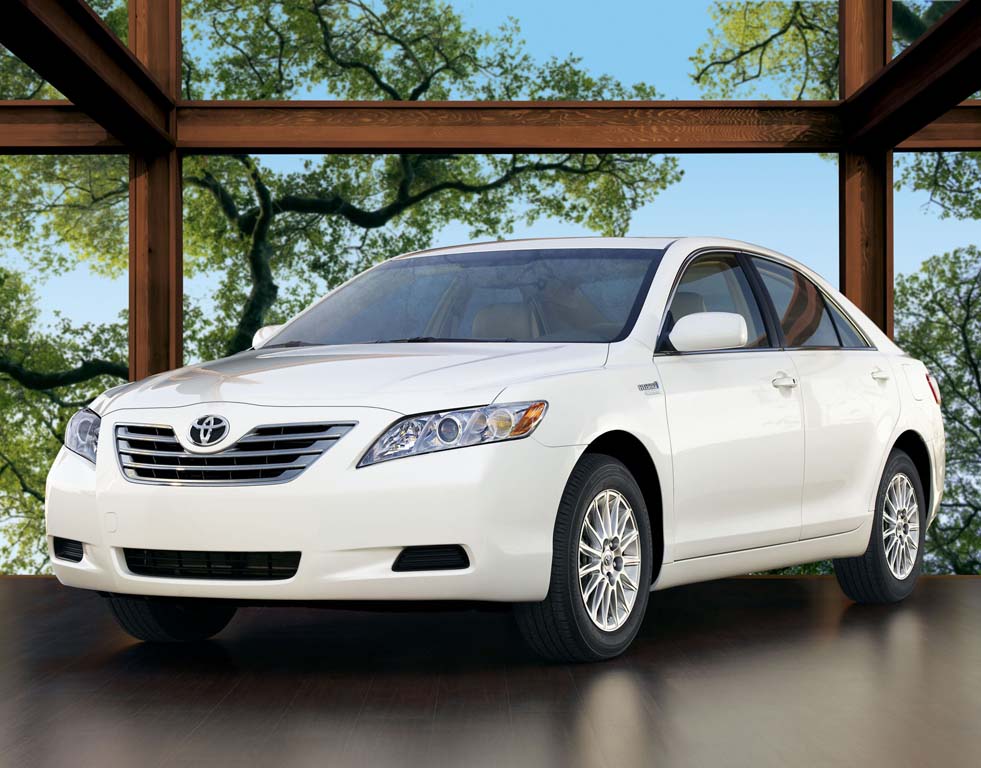
Looking at hybrid variations of standard gasoline models, like the Toyota Camry Hybrid or the Honda Civic Hybrid, the study found used and aftermarket parts available in higher volumes. The study said those repairs cost only marginally more than non-hybrid models of the same car.
Cheaper insurance too
Because hybrid drivers are older than average--and less have lower recorded accident rates--insurance for hybrid cars is also cheaper than average. In an Insure.com survey last year, insurance averaged $1,300 for the Toyota Prius, against a national average of $1,871.
Other pluses to owning a hybrid: Use of some HOV Lanes with only a single occupant, preferential parking, and various other so-called "Prius perks." Though it's worth noting that 85,000 hybrid drivers in California will lose their HOV-Lane access next July, as that privilege is transferred to lower-emission plug-in hybrid and electric vehicles.
Payback problematic
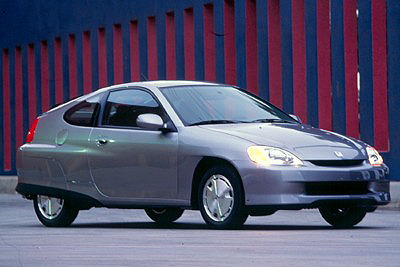
The question of whether hybrids pay back their extra cost, however, remains a tough one. One study said only a single hybrid saved owners money on fuel costs. That would be the 2010 Mercedes-Benz S 400 Hybrid, which the maker has cleverly positioned as the least expensive member of the S-Class range in the U.S.
In the end, some hybrid owners buy them to save money, but for others, it's not about payback at all. A University of Wisconsin study found that the Number One reason Prius owners bought their cars was to make a statement that they're green.
In other words, they drive hybrids to demonstrate to society what values they hold. Just like HUMMER owners, really.

[Vincentric LLC via TheCarConnection]
Have an opinion?
In other words, they drive hybrids to demonstrate to society what values they hold. Just like HUMMER owners, really."
I have an issue with this statement. Yes hybrid owners are making a statement, that they have chosen that it is worth it to spend a bit more to use a car that doesn't add as much to the damage we are doing to the environment we live in. This is much different that a owner of a HUMMER who just doesn't care what their actions are doing.
Firstly, can we stop with the silliness about the Mercedes hybrid saving money. At $87,950, I don't think that saving money is really an issue for these customers. It reminds me of all the people bragging about there "free" cell phone which cost them $2000 over the life of the 2-year contract.
Also, Prius drivers saving money on car insurance? Since you clearly know this is not true, why mention it. The price depends on your age which will not change if you buy another car.
The information of the cost of replacement fenders is an interesting point that I have not heard before. Makes sense.
And the Hummer comparison? What is the matter, couldn't you just find a middle finger icon to simply show the Prius drivers how you feel?
The values they want advertise quite probably differ considerably.
But the principle--that they shoose their vehicles as an outward demonstration of values, not purely for functionality, payback, or anything else--is the same. Is it not?
You can see the entire study from Insure.com here (it was linked in the original article):
http://www.insure.com/ir/releases/pr060209.html
Thanks for providing the link it appears to prove my point. There is ZERO discussion of Hybrids or the PRIUS because they don't effect insurance premiums.
Don't know what you expected me to see in that link.
John C. Briggs
"Ah Prius owner's an endless source of entertainment" Perhaps they are more entertaining them when you poke them. Perhaps just a game to you.
This is just another in a long line of attacks you have made against the Prius for unknown reason. Really unfortunate.
Absurd comments about the Mercedes, absurd comments about the Hummer.
Prius owners in general have made a purchase with larger societal goals in mind. Hummer owners have done the opposite. They are disregarding larger societal goals. Your attempt to say their these are the same is inflammatory at best.
Further investigation might show that the reason for the higher costs might be that the drivers of yellow cars are younger and tend to have more accidents. So the color and the insurance price are simply "correlated". There is no direct connection. So the headline should be "Yellow car purchasers tend to be younger and therefore have larger insurance premiums.
This is why I have a problem with a statement regarding hybrids like "Cheaper Insurance, too". Hybrids and lower insurance rates appear to be simply correlated. One does not cause the other. Just like the earlier example, Yellow cars have higher insurance. It is just a misunderstanding of the data.
Steve Posted: 12/30/2010 12:58pm PST
Have an opinion?Join the conversation!