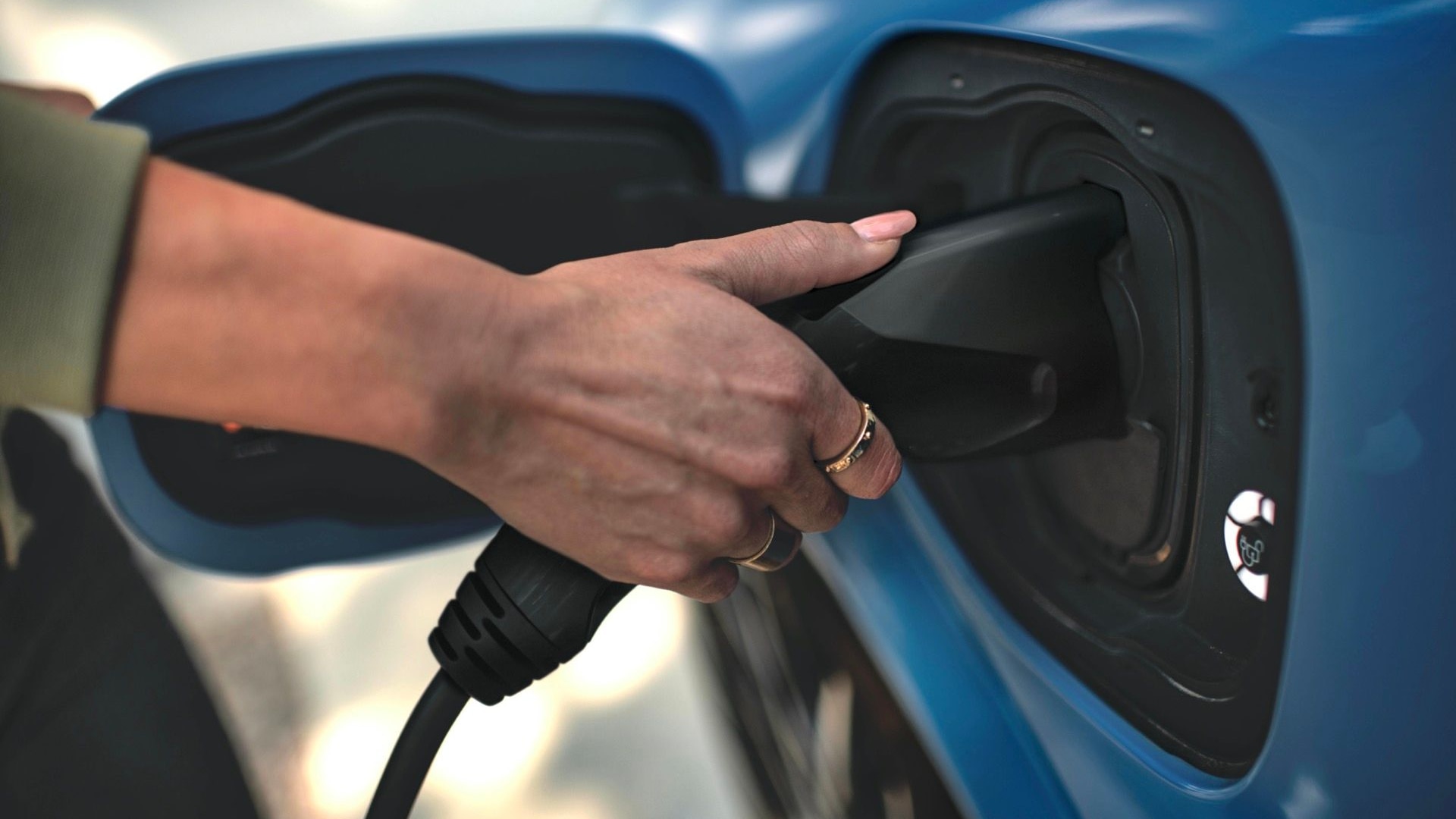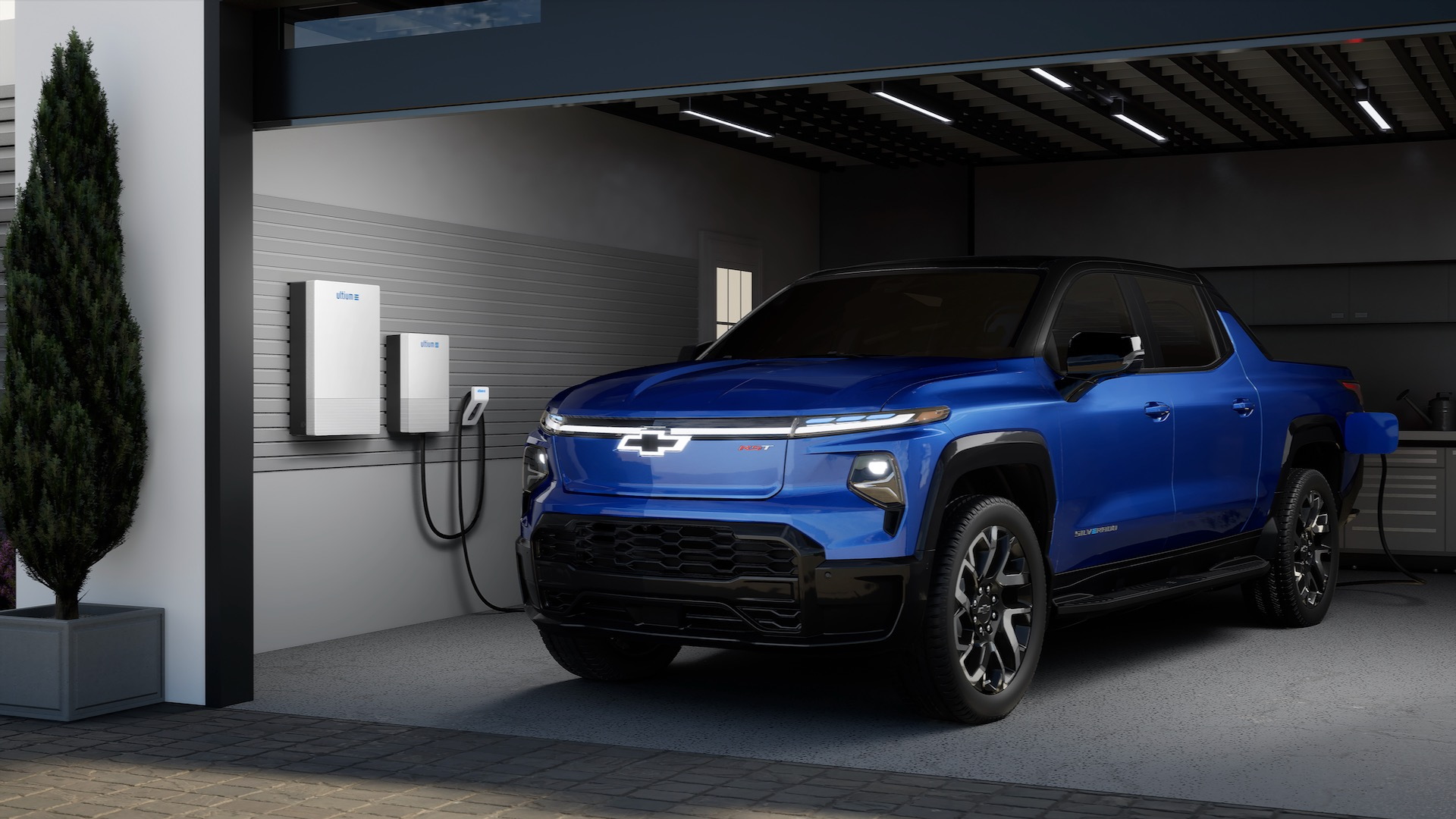
Just how long does it take to plug in an electric car? A few seconds, perhaps?
And just how inconvenient is it? We plug in electrical devices every day in our homes without giving it a second thought. Most existing electric car owners even cite plugging their car in as being a bonus over having to stand at the gas station filling up.
But while many engineers have worked to speed up the actual process of charging an electric car up, very few have questioned the need for a physical connection between car and charger.
That may change if companies like Evatran are successful in changing the way we think about filling up.
In the future, our cars will charge themselves.
Well, not quite. The idea behind Evatran's Plugless Power Station revolves around fitting regular parking spaces with a power transmitter which transmits power wirelessly to a flat receiver placed on the underside of every EV.
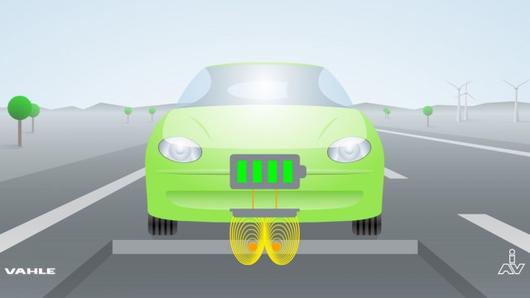
Inductive Power Transmission Diagram
When an electric car parks over the transmitter, an electrical current in the transmitter induces an electromagnetic field which is picked up by the receiver on the underside of the car. That field is then turned back into a current, which charges the car's battery pack.
In order to work at all, Evatran's system requires a two inch maximum distance between transmitter and receiver. Any more, and the system will not function correctly.
Unless both parts are movable, this requirement creates some serious ground clearance woes for automakers. Two inches is barely enough to clear most kerbs
However, ground clearance isn't inductive charging's biggest challenge. It's the the way the system operates.
Essentially, the Plugless Power system is nothing more than two large transformer coils, just like the AC power ‘bricks' we all used to see on consumer gadgets until recently.
As energy passes from one coil to another, some energy is lost as heat. Remember how hot power bricks used to get on early computers?
And thanks to the laws of physics, the further away the two coils become, the more energy is lost. Combined with energy lost through heat and coil separation the system is hardly the most efficient way of charging an EV.
Wirelessly charging EVs isn't new. Back in the late 1990s, GM, Ford, and Toyota all used inductive charging paddles in electric cars. While the system required drivers to physically insert a charging ‘paddle' into a port on the car, the paddle actually formed an inductive charging system with a similar receptacle inside the charge port.
Inductive paddle charging systems were viewed as a way of eliminating electrocution risk.
But today, automakers seem less concerned with such risks with extensive safety systems designed to ensure that chargers present no live components until the charging cable is securely locked in place and both car and charger diagnostics have passed internal safety checks.

2009 volvo v70 plug in hybrid 008
We think consumers are more likely to want to know they can charge quickly using fast-charge stations than they are to desire wireless charging.
However, if all the technical issues can be overcome, perhaps Evatran are offering us a glimpse of an exciting future where cars can charge as they pass along a special freeway lane, or perhaps even at stop signs. Until then, we think the plug is here to stay.