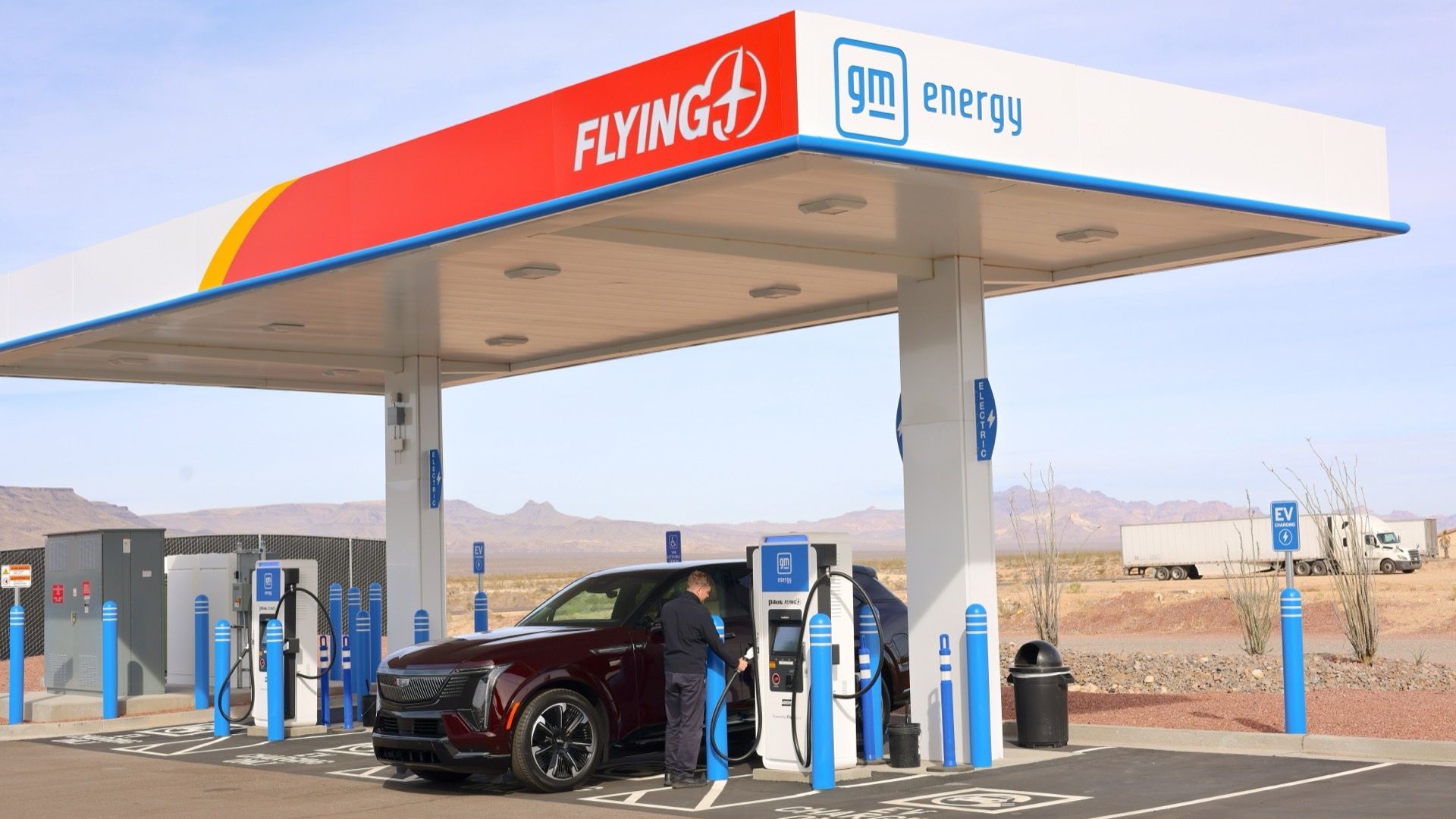
Plug-in vehicles are a savior for the environment, at least according to research conducted by groups such as the Electric Power Research Institute (EPRI) and the Natural Resource Defense Council (NRDC). According to their studies conducted back in 2008, CO2 emissions could drop by as much as 450 million tons annually if only 60 % of light vehicles in the U.S. converted to plug-ins. A 60% reduction in CO2 accompanied by an 8 % increase in electrical consumption seems like a fair trade off in lieu of the environmental benefits of plug-in vehicles, but the research has overlooked one major aspect. Where does the electricity come from?
According to the Environmental Transport Association of the UK, switching to electric vehicles could actually lead to an increase in CO2 emissions followed by an increased rate of climate change. Why? The ETA sites the major use of coal to produce electricity. The coal powered electrical grid is indeed a dirty method used to produce electricity, but it is also all too common across the globe.
The ETA warns that a shift from gasoline to electric powered vehicles must be accompanied by a change in the method for producing electricity to ward off the increased rate of climate change that will be realized by switching to electric vehicles. The ETA's statement from recent research reads, "Sales of electric cars are likely to result in higher overall CO2 emissions and oil consumption. Electric cars powered by wind or solar energy are obviously superior, but if the electricity comes from coal, hybrids perform better."
So how do we reduce overall CO2 emissions? The ETA report recommend several options listed below.
Stringent CO2 standards for cars
The most certain way to promote electric-powered transport is to tighten long-term CO2 standards for cars to 80 g/km by 2020 and 60 g/km by 2025 whilst at the same time increasing fuel taxes.
A lack of stringent CO2 standards removes the main incentive for motor industry to invest in electrification. Road tax exemption and grants for electric cars should be abolished; electric cars must be rewarded for their energy efficiency, not for moving emissions from exhaust pipes to power station chimneys.
Quantity and quality of electricity used in electric cars must be measured.
On-board metering of the amount of electricity will be critical in order to manage and regulate demand for electric vehicles.
The power sector has to be de-carbonised Existing loopholes in the Emissions Trading Scheme need to be closed and the cap further tightened.
The strict guidelines listed above may result in reduced emissions, but could hamper early sales of EVs. By removing grants and tax exemption, electric vehicles become significantly more expensive than their gasoline counterparts thus reducing the likelihood of early adoption. Though there is no single solution to reduce emissions, a long term goal of reduction is certainly expected. The world's dependency on coal for electricity is not to be overlooked. In order to achieve reduced overall CO2 emissions, there must be a cleaner method used for producing electricity.
Source: ETA Press Release
Switching to electric cars could speed climate change
The idea that a wholesale switch to electric cars would automatically reduce CO2 emissions and dependence on oil is one of a number of myths dispelled by a major new report conducted on behalf of the Environmental Transport Association (ETA).
The report found that whilst there were significant potential environmental benefits to be had from a switch to electric vehicles, these were wholly dependent on changes in the way electricity was generated, energy taxed and CO2 emissions regulated.
For example, under the current EU emissions trading system, sales of electric cars are likely to result in higher overall CO2 emissions and oil consumption.
Director at the ETA, Andrew Davis, said: "Whilst the report is not intended to dampen enthusiasm for electric vehicles, their introduction should not be viewed as a panacea; significant changes to the way we produce and tax power are needed before we will reap any benefits."
Key findings of report:
Performance
Electric cars powered by wind or solar energy are obviously superior, but if the electricity comes from coal, hybrids perform better.
Price
There is potential for improvement in performance and reduction of costs in the medium term, but not enough to suggest electric cars could compete head-on with conventional vehicles within the next two decades.
CO2 emissions
The EU emissions trading system implies that plug-in electric cars would not increase CO2 emissions because the power sector is covered by the scheme. If this trading scheme remains unchanged, sales of electric cars are likely to result in higher overall CO2 emissions and oil consumption.
Popularity
Low running costs of electric vehicles would lead to extra demand for car transport and make necessary the taxation of electricity.
On-board metering of electricity use would be a key requirement.
National Grid
Even if the National Grid has the capacity and the basic infrastructure to meet the needs of electric cars, the new demand patterns they will create may mean greater use of coal and nuclear power.
Recommendations made by the report:
It unlikely that electric vehicles will number more than 25% of new sales by 2050, but in order to speed the uptake of the technology and manage the transition, the report recommends the following three
measures:
Stringent CO2 standards for cars
The most certain way to promote electric-powered transport is to tighten long-term CO2 standards for cars to 80 g/km by 2020 and 60 g/km by 2025 whilst at the same time increasing fuel taxes.
A lack of stringent CO2 standards removes the main incentive for motor industry to invest in electrification. Road tax exemption and grants for electric cars should be abolished; electric cars must be rewarded for their energy efficiency, not for moving emissions from exhaust pipes to power station chimneys.
Quantity and quality of electricity used in electric cars must be measured.
On-board metering of the amount of electricity will be critical in order to manage and regulate demand for electric vehicles.
The power sector has to be de-carbonised Existing loopholes in the Emissions Trading Scheme need to be closed and the cap further tightened.
Ends
For a copy of the report or an interview with Andrew Davis, please call Yannick Read at the ETA press office on 0845 389 1064 or 07788 606 483.
Notes to editors
The report, 'How to avoid an electric shock: Electric cars from hype to reality' was conducted by the European lobby group Transport & Environment, an organisation co-founded and supported by the ETA.
The Environmental Transport Association is provides carbon-neutral breakdown cover and insurance products. As well as encouraging responsible driving to reduce carbon, the ETA campaigns for sustainable transport www.eta.co.uk
The ETA each year analyses the environmental performance of every new car on sale in Britain. The greenest car on sale in Britain this year is the Honda Insight Hybrid