
41Cent Gas Pump
We do a mix of articles here at GreenCarReports, writing both about cars--green, and occasionally not so green--and some of the broader automotive issues that affect our environment.
We were struck by an article last week from The Hill, which covers DC politics as obsessively as we cover high-mileage, low-emissions cars and trucks. Its topic was the always controversial, always loaded, perennial hot button of energy politics: a gasoline tax.
It suggested that Representative Jim Oberstar (D-MN), chairman of the House Transportation and Infrastructure Committee, was making Democratic leaders nervous by floating a proposal to raise the Federal gasoline tax to cover an increase in transportation funding from $324 billion to $450 billion or more.
Repairing roads, bridges, and highways
The bipartisan National Surface Transportation Infrastructure Financing Commission panel recently called for a 10-percent increase in the Federal gasoline tax (e.g. less than 2 cents per gallon) to cover an estimated $400 billion shortfall in funding for street, bridge, and highway repairs between now and 2015.
It's basic economics that as the price of a resource rises, usage falls and/or efficient use rises. Pricier gasoline, fewer miles--or the same number of miles in more efficient cars.
Or as famed auto industry analyst Maryann Keller told The New York Times, “Gasoline prices motivate behavior.”
And as many recent articles have noted, when gasoline hit $4/gallon just as economic recession started to bite, the two factors together cut road travel in the US during 2008 by a stunning 3.6 percent, or 108 billion vehicle miles--far more than either the 1973 or 1979 oil crisis.
Gasoline has lately risen to a national average price of $2.62/gallon, from a low last year of $1.62, but even that rise doesn't reflect the near doubling of oil prices from a low of $37 per barrel late last year to $68 recently.
Better gas mileage = less tax revenue
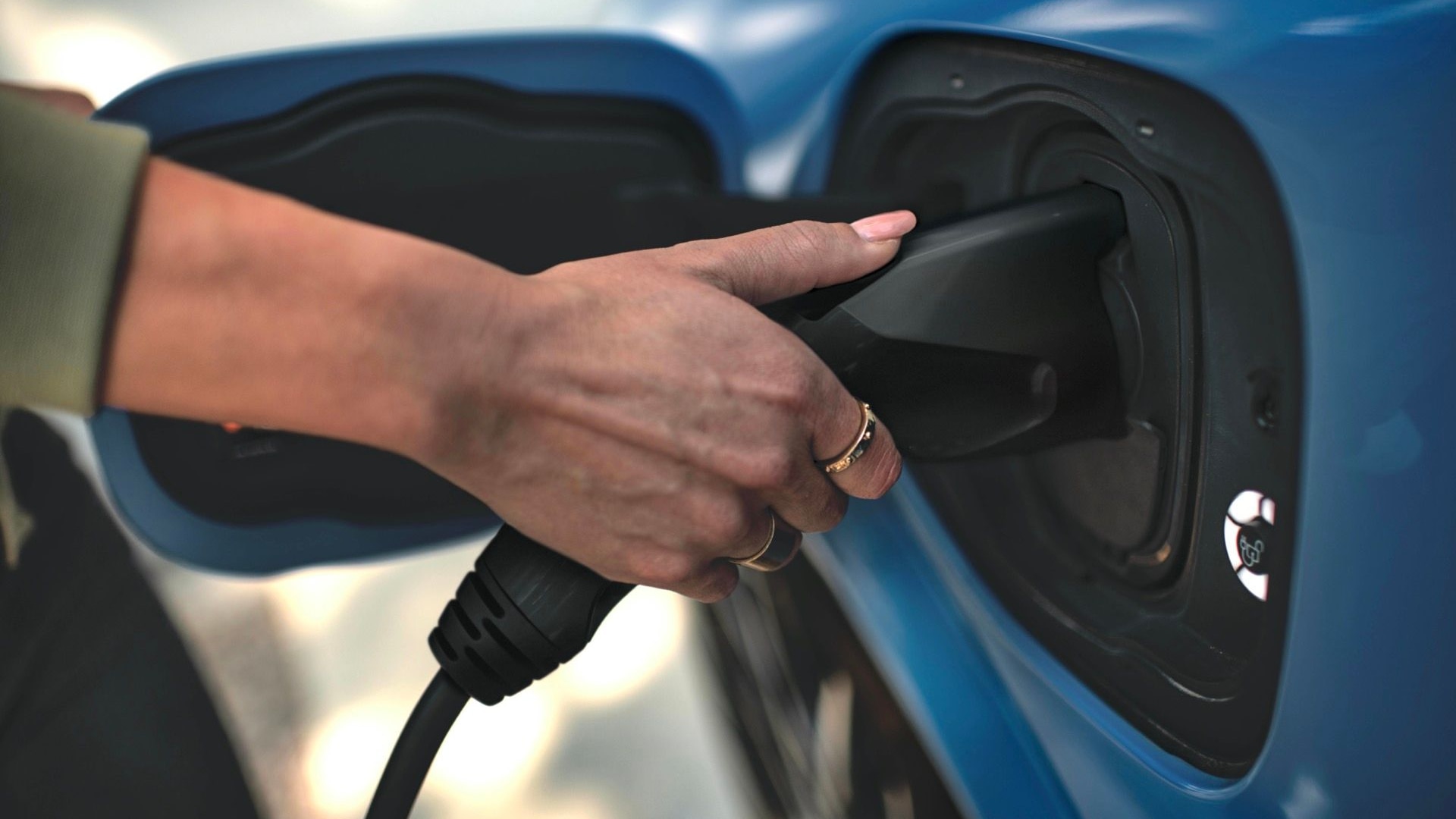
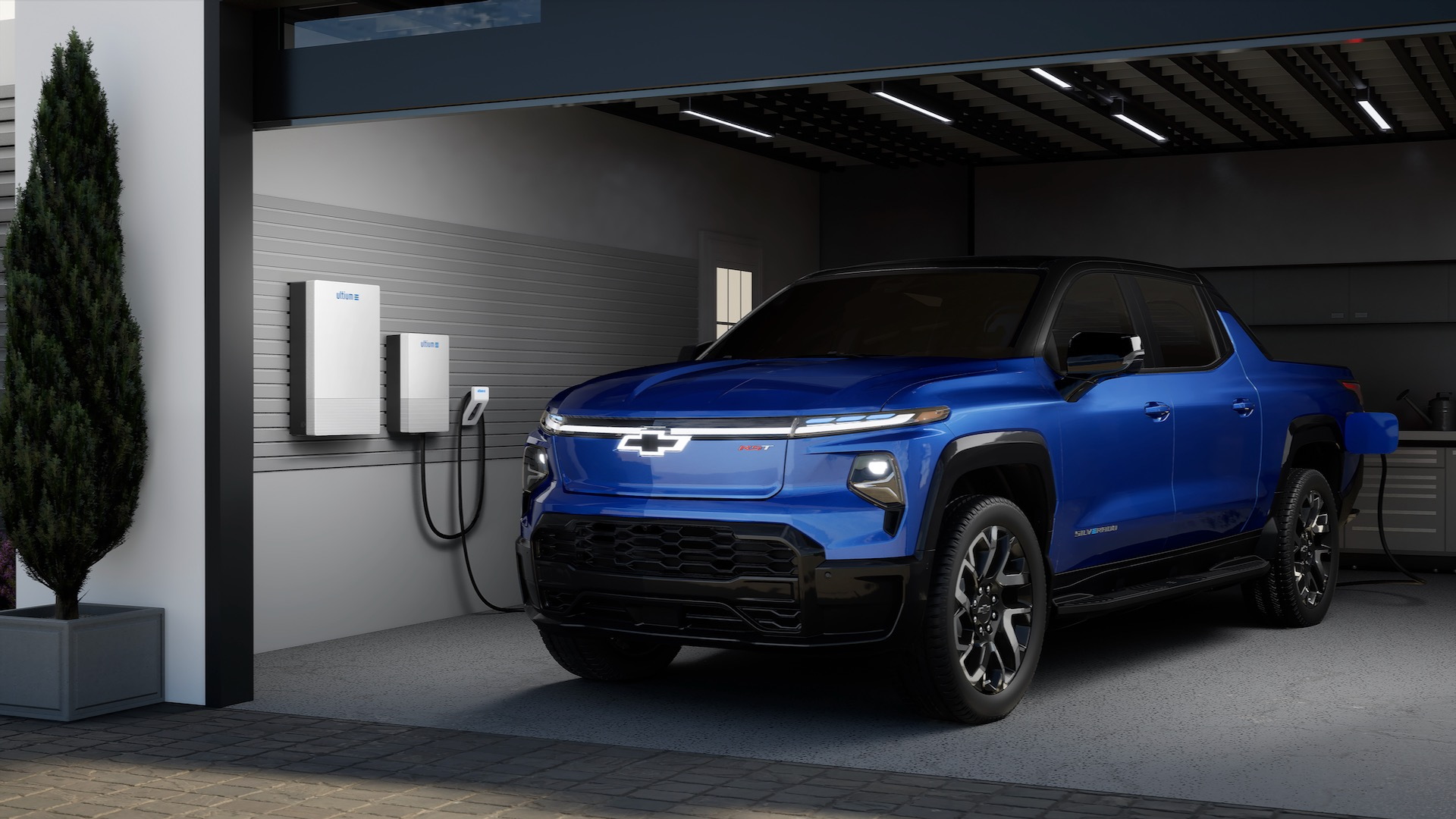
As average gas-mileage increases to meet higher mileage requirements, less gas used means lower tax revenues (18.4 cents to the Feds on each gallon) to replenish federal and state highway funds unless total miles traveled soars. Worse, upcoming electric cars don't use any gasoline at all, so they contribute nothing to maintain the roads they use.
While President Obama has nixed a higher gas tax for the moment, infrastructure analysts are increasingly calling for a tax not on gasoline consumed but on miles driven--tracked by GPS and other means, which of course has presents many other issues.
We've covered the idea of gas taxes several times before, noting the surprising roster of supporters, including Ford chairman Bill Ford and CEO Alan Mullaly, CEO of mega-dealer AutoNation Mike Jackson, and even the odd Detroit newspaper columnist.
And as we said, whether gasoline gets more expensive is one of three points to watch in Obama's new mileage and emissions regulations.
How would you solve the problem?
Posts on all these topics usually get a healthy dose of user comments. So here's our question: What policies would YOU put in place to reduce petroleum usage and simultaneously keep road-repair funds replenished?
We're eager to hear your thoughts. No ranting, please, but proposals.
money
[The Hill, The New York Times, Calculated Risk, CNNmoney.com]