It's a hot topic whenever anyone mentions electric cars: pricing.
Many electric cars are more expensive than their regular counterparts, though in general they cost far less to run on a per-mile basis.
But what do today's electric and plug-in cars actually cost? We've gathered the relevant data for each battery-electric car on sale today, and presented it to you in one place.
Every vehicle here shows the manufacturer's suggested retail price, plus any mandatory destination and handling fees.
The prices do not include any local or federal tax incentives or rebates—so many cars here may be available cheaper, for those eligible for specific credits or rebates.
Efficiency figures are rendered in Miles Per Gallon Equivalent, or MPGe, a measure of how far a car can travel electrically on the same amount of energy as contained in 1 gallon of gasoline.
NOTE: Earlier versions of this article included both battery-electric vehicles and plug-in hybrids. There are now enough of each that we decided to split them into two articles. Watch for our price guide to plug-in hybrid and range-extended electric vehicles, coming soon!
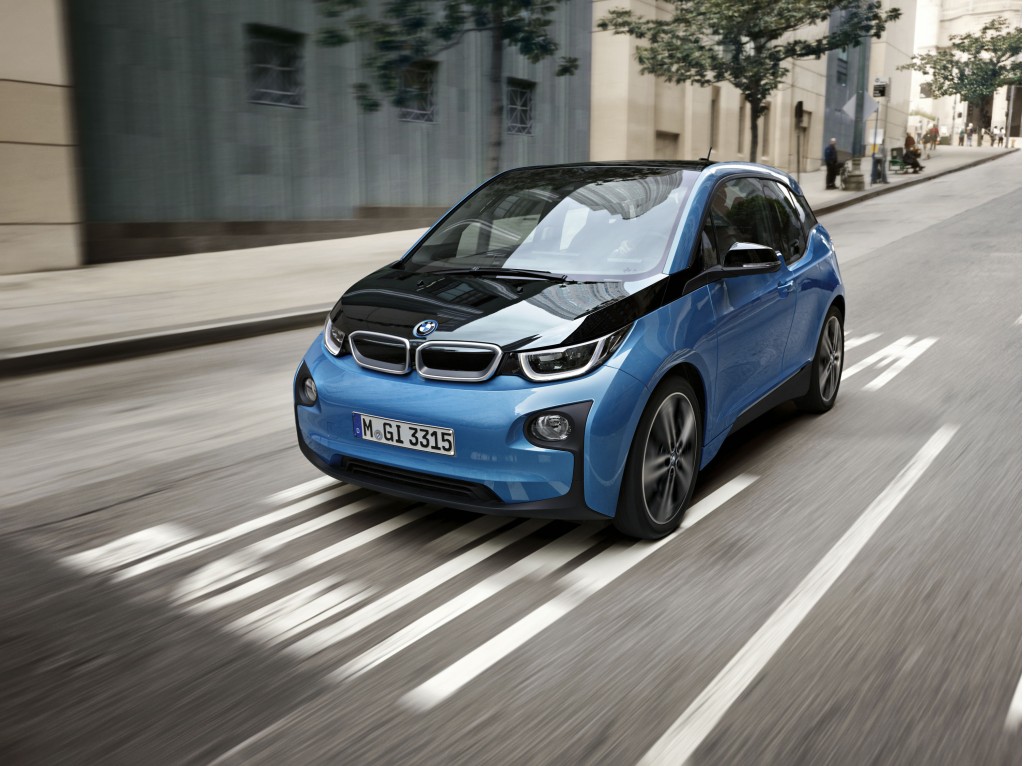
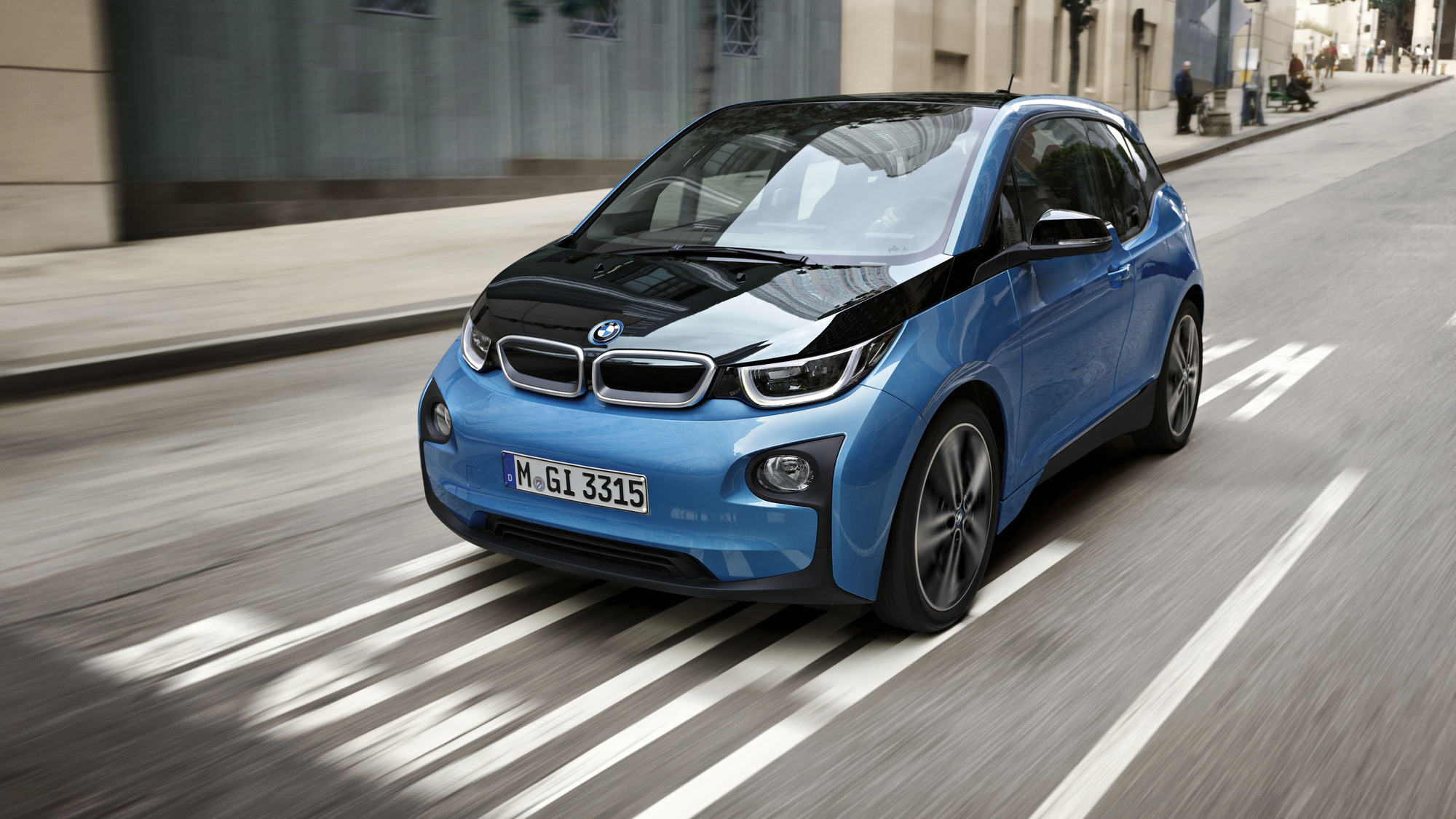
2017 BMW i3
2017 BMW i3 - $43,395
22-33 kWh battery, 81-114 miles, 118-124 MPGe, 125 kW motor
The 2017 BMW i3 represents the first significant update of the electric city car since its May 2014 U.S. launch. The 2017 i3 gets a new 33-kilowatt-hour battery pack, which boosts range to 114 miles. The original 22-kWh pack is still available in base models, with the same 81-mile range as before. The i3 is a novel design thanks to its unusual styling, carbon fiber-reinforced plastic body shell, and range-extended REx model (which we'll cover separately).

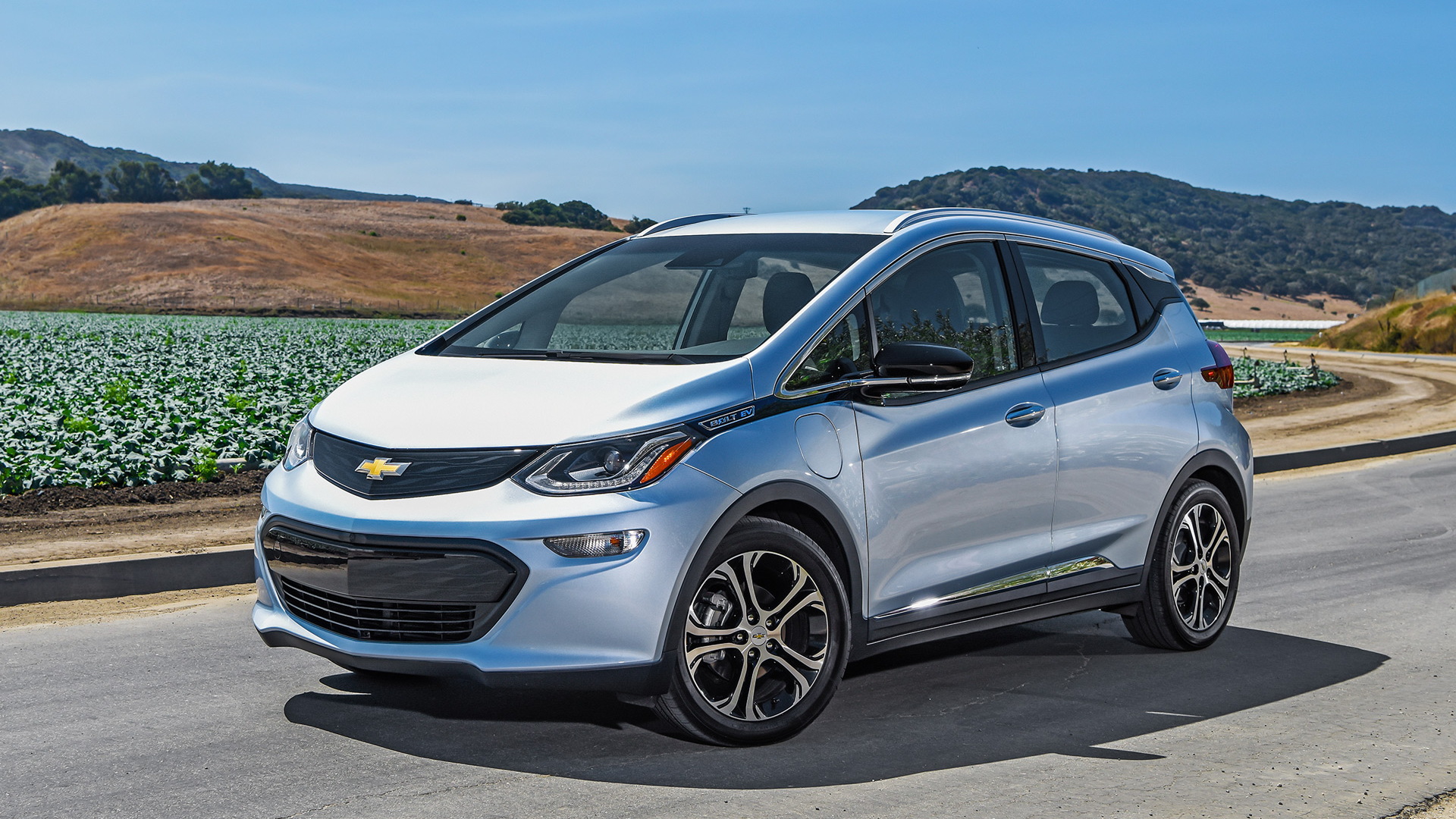
2017 Chevrolet Bolt EV
2017 Chevrolet Bolt EV - $37,495
60 kWh battery, 238 miles (EPA), 119 MPGe, 150 kW motor
The Chevrolet Bolt EV offers a currently-unmatched combination of an EPA-rated 238-mile range and a base price of under $40,000, before incentives. It's the only non-Tesla electric car currently on sale with a range of more than 200 miles, but costs about half as much as the least-expensive Model S. Bolt EV sales began last month in California's Silicon Valley, but Chevy will slowly roll the car out nationwide between now and September.
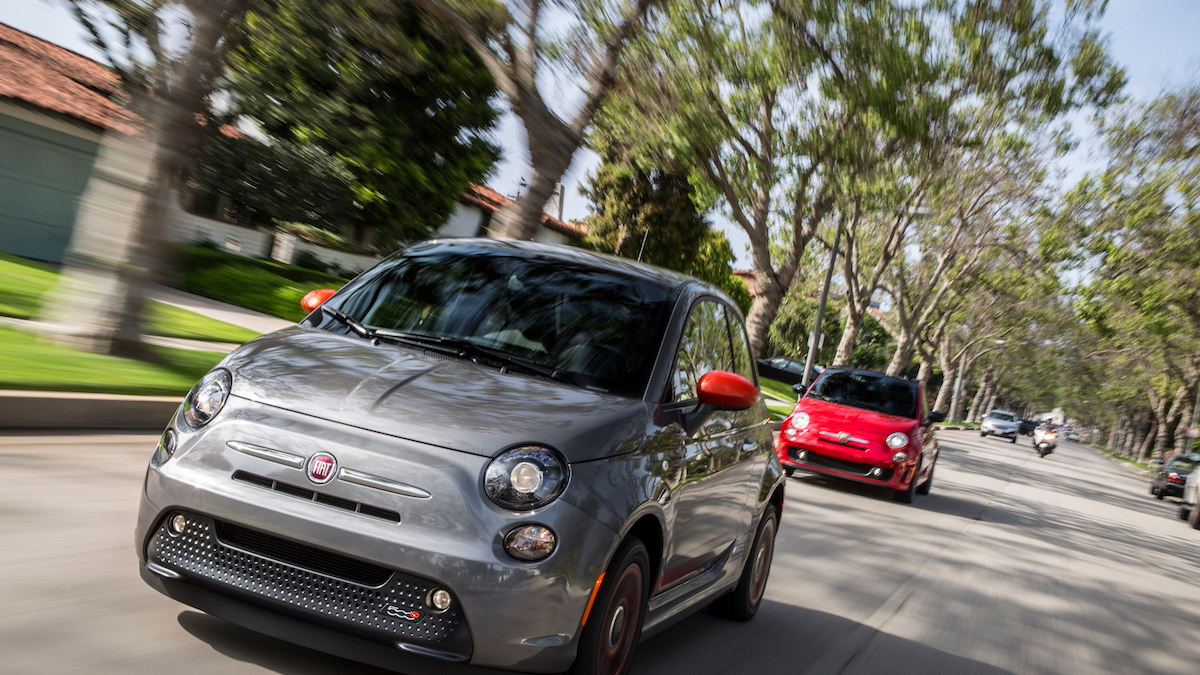
2017 Fiat 500e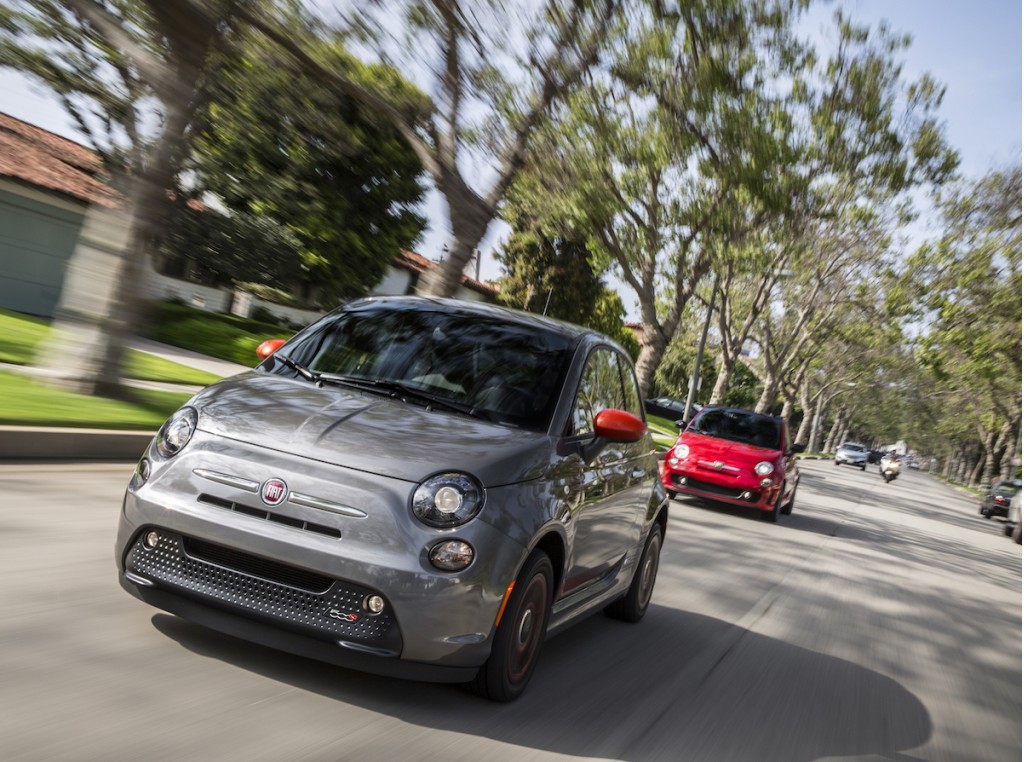
2017 Fiat 500e - $32,780
24 kWh battery, 84 miles (EPA), 112 MPGe, 83 kW motor
Fiat's 500e electric car may be a mere "compliance car", but the engineers have done a great job—it's nippy, fun to drive and probably a better vehicle than the gasoline version. Limited availability is a hindrance, though, and the price is pretty steep for such a small car. Oh, and Fiat's boss would prefer you didn't buy one—it's costing him money...
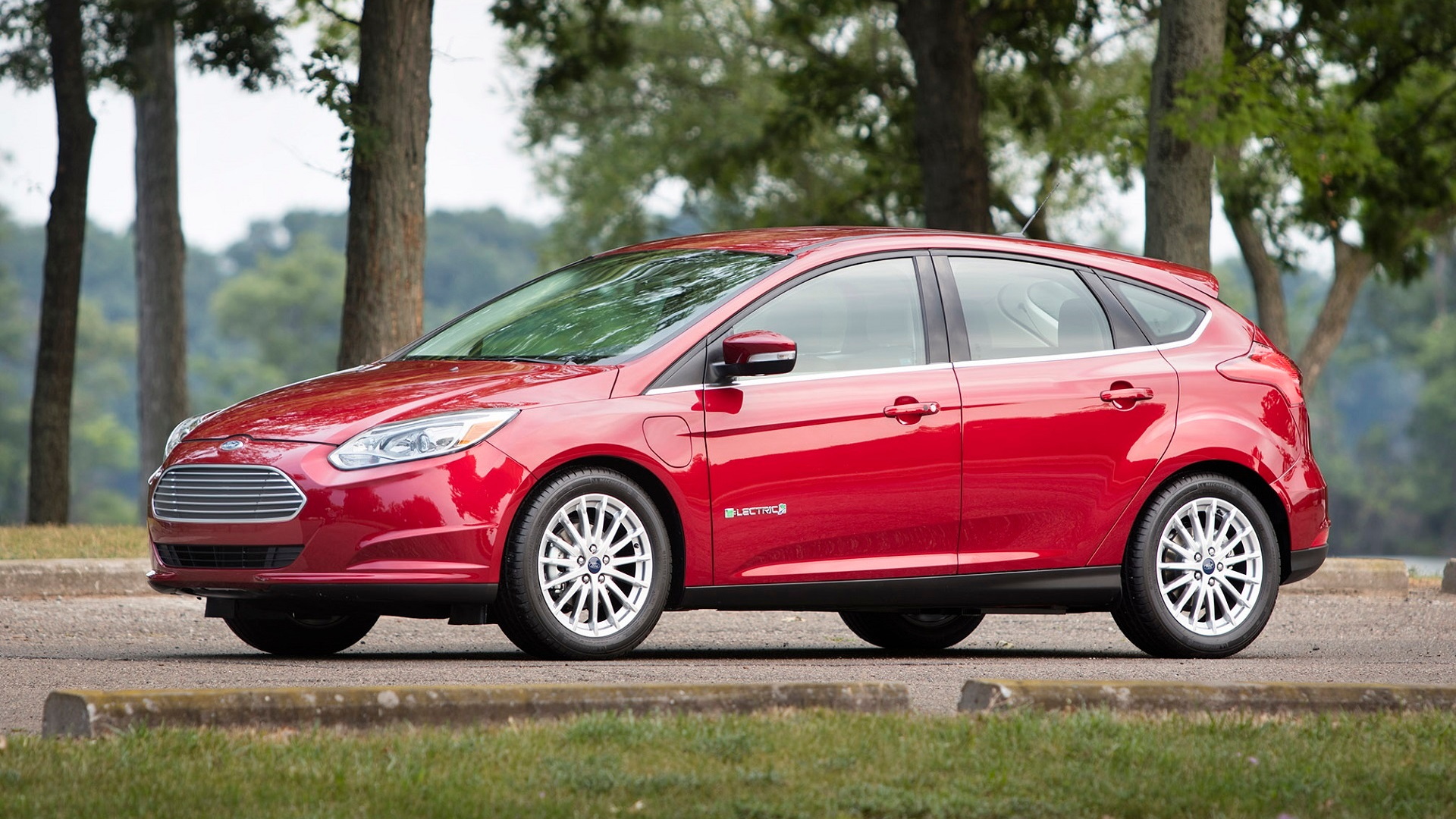
2017 Ford Focus Electric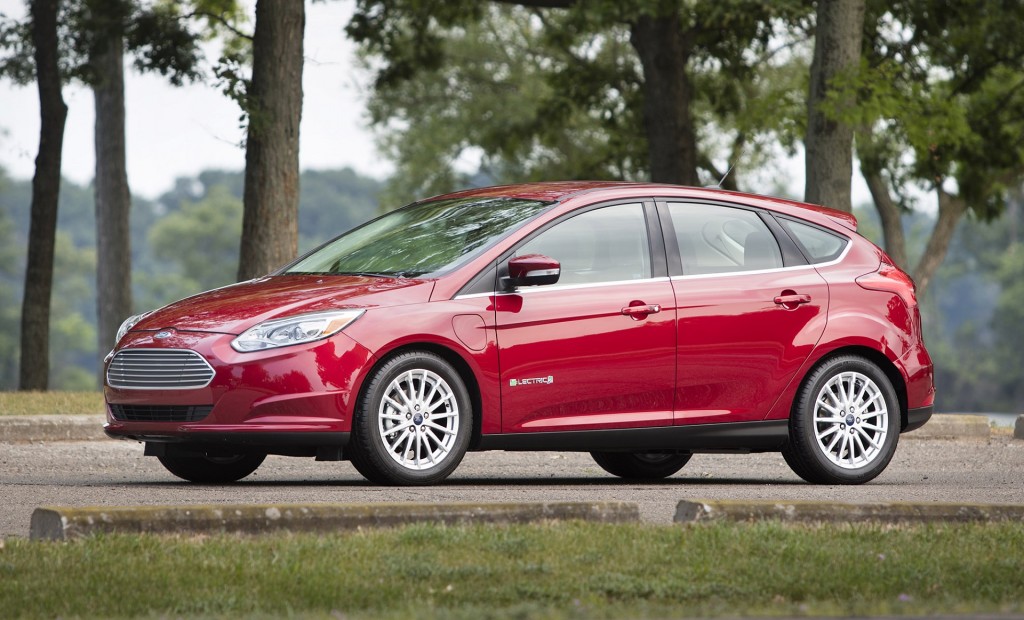
2017 Ford Focus Electric - $29,995
33.5 kWh battery, 115 miles (EPA), 107 MPGe, 107 kW motor
Historically, the Ford Focus Electric has been a "compliance car," sold only in volumes required to meet California's zero-emission vehicle mandate. But for 2017, it gets some notable updates that could broaden its appeal, should Ford aim for higher sales volumes. Where its previous EPA-rated range of 76 miles was among the lowest of any electric car, the 2017 model's larger battery pack boosts range to a more competitive 115 miles. The Focus Electric also gains DC fast charging, using the Combined Charging Standard (CCS) protocol.
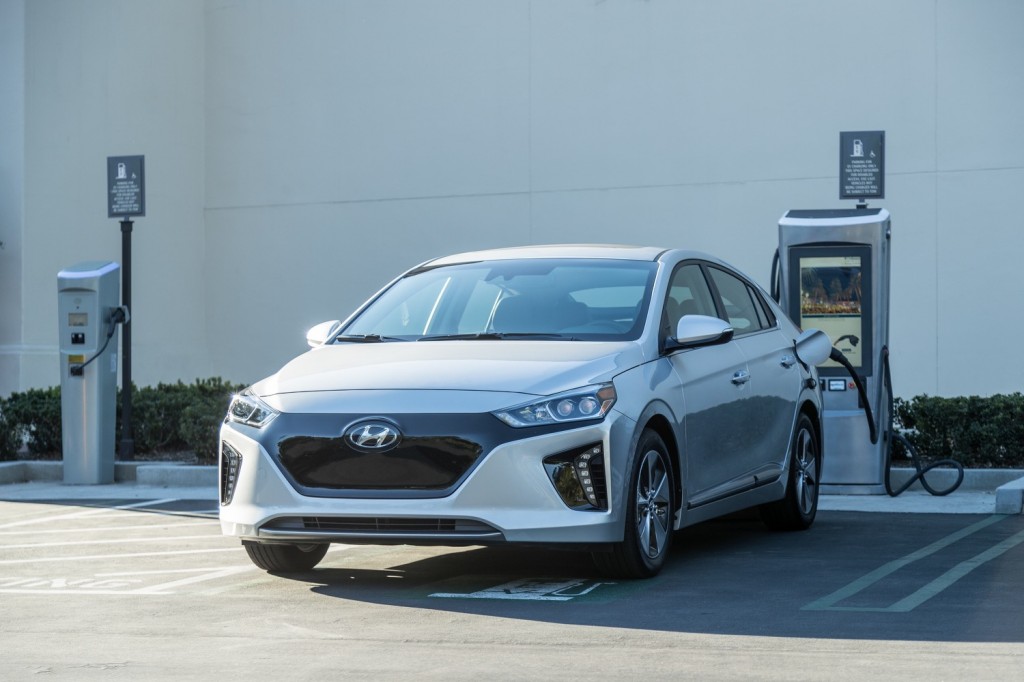
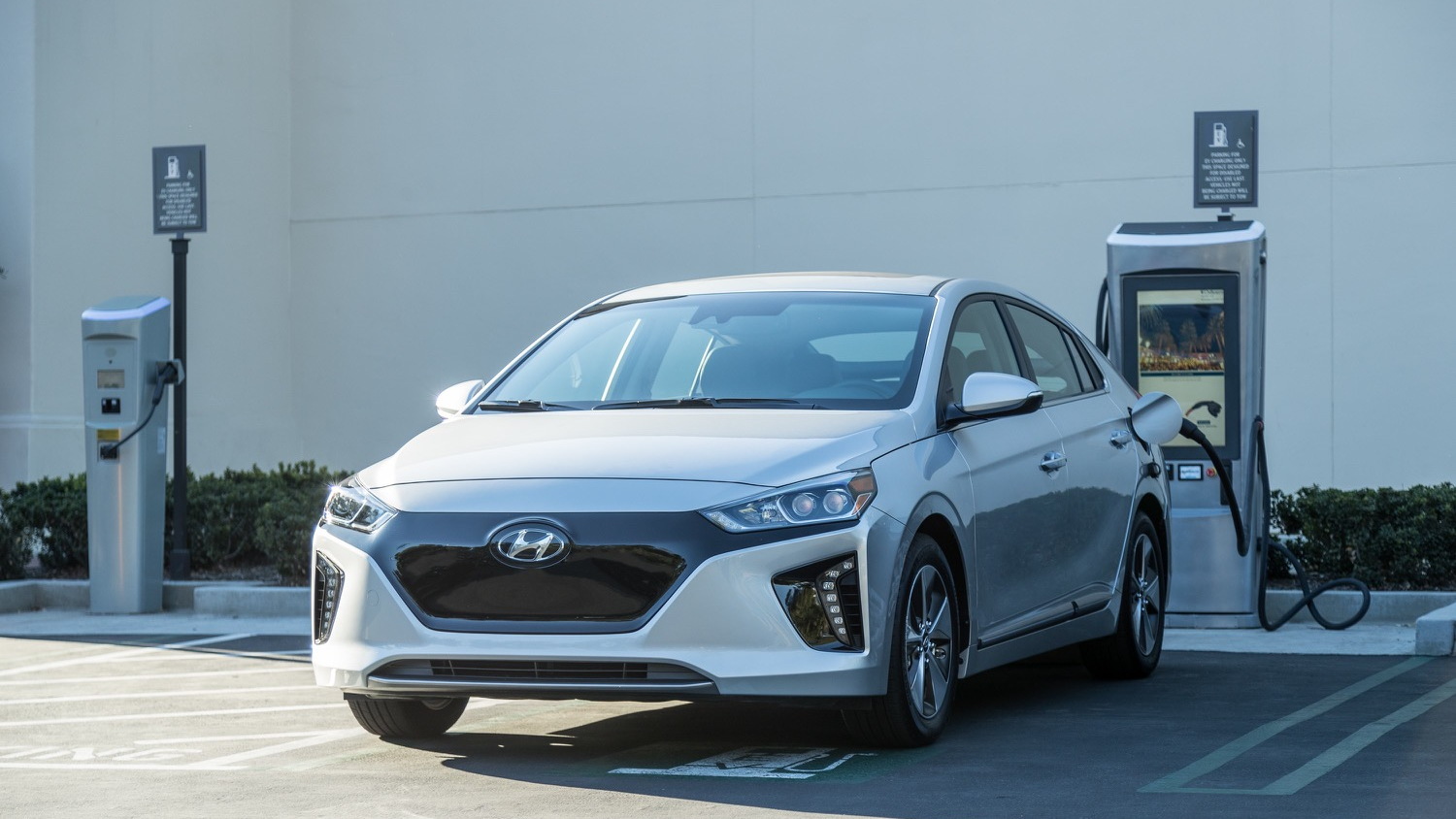
2017 Hyundai Ioniq Electric
2017 Hyundai Ioniq Electric - N/A
28 kWh battery, 124 miles (EPA), 136 MPGe, 88 kW motor
The 2017 Hyundai Ioniq Electric launches as one of three Ioniq variants, with hybrid and plug-in hybrid versions available as well. The all-electric version is the most efficient car available in the U.S., and its 124-mile EPA-rated range is competitive with most electric cars, excluding Tesla models and the Chevrolet Bolt EV. In California, Hyundai will offer a subscription-based "Ioniq Unlimited" plan as an alternative to traditional leasing, although it is unclear if that option will be offered nationwide.
2017 Kia Soul EV
2016 Kia Soul EV - $32,800
27 kWh battery, 93 miles (EPA), 105 MPGe, 81 kW motor
Kia has not released details on the 2017 Soul EV, but the 2016 model remains on sale in a limited number of electric-car friendly states. When it launched as a 2015 model, the Soul EV's 93-mile range was impressive for a non-Tesla electric car, but many other models have since surpassed the Kia.
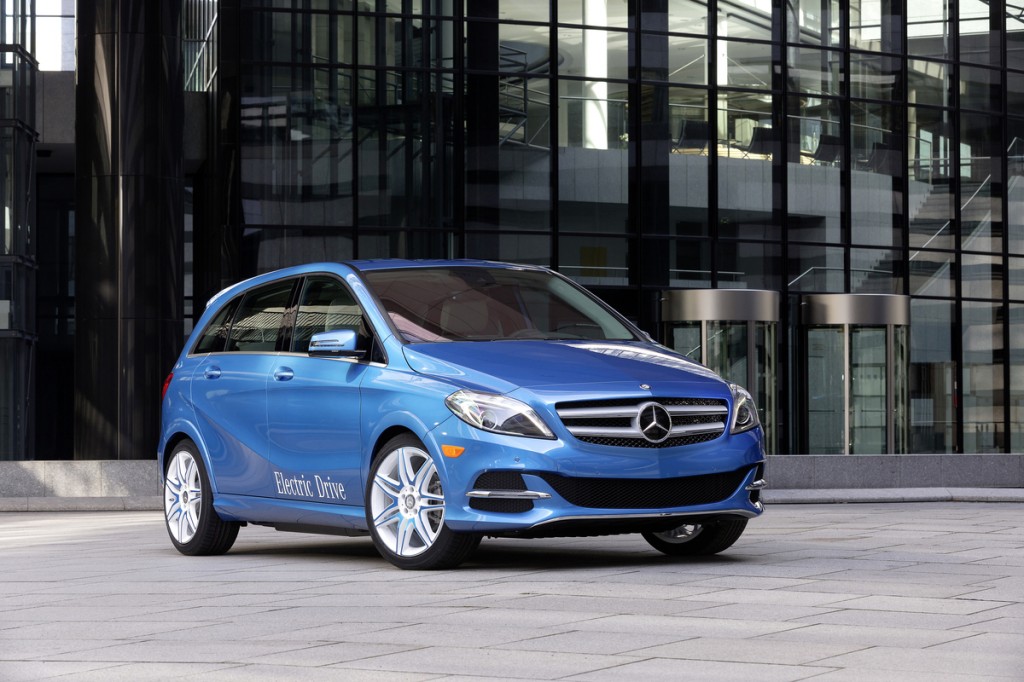
2017 Mercedes-Benz B250e
2017 Mercedes-Benz B250e - $40,825
28 kWh battery, 87 miles (EPA), 84 MPGe, 132 kW motor
Mercedes' electric car—formerly known as the B-Class Electric Drive—is essentially unchanged for 2017, although it does get a price cut of around $2,000. The hatchback is still only available in certain electric-car friendly states. It is now at a disadvantage to Mercedes rival BMW's i3 in terms of range, put still offers a somewhat more practical package at a similar price.
2017 Mitsubishi i-MiEV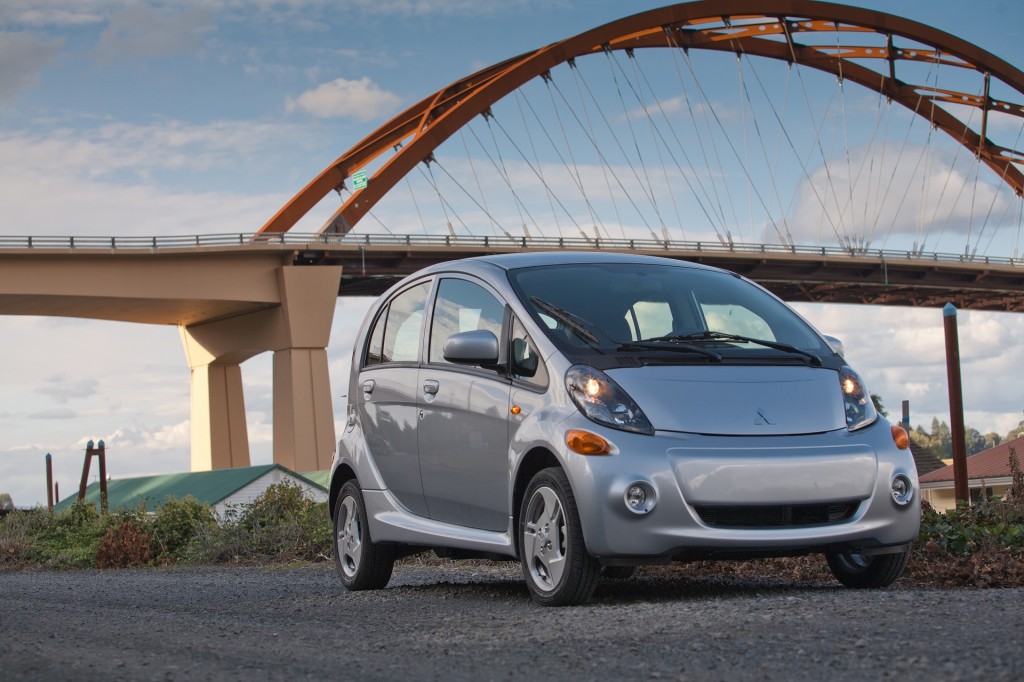
2017 Mitsubishi i-MiEV - $23,845
16 kWh battery, 59 miles (EPA), 112 MPGe, 49 kW motor
The Mitsubishi i-MiEV carries forward into the 2017 model year essentially unchanged, although EPA-rated range dips from the previous 62 miles to 59 miles. The i-MiEV is hampered by that short range, as well as limited interior space and performance, but with a sub-$24,000 base price (before Federal, state, and local incentives) that is unchanged from the 2016 model year, it remains one of the cheapest electric cars available.
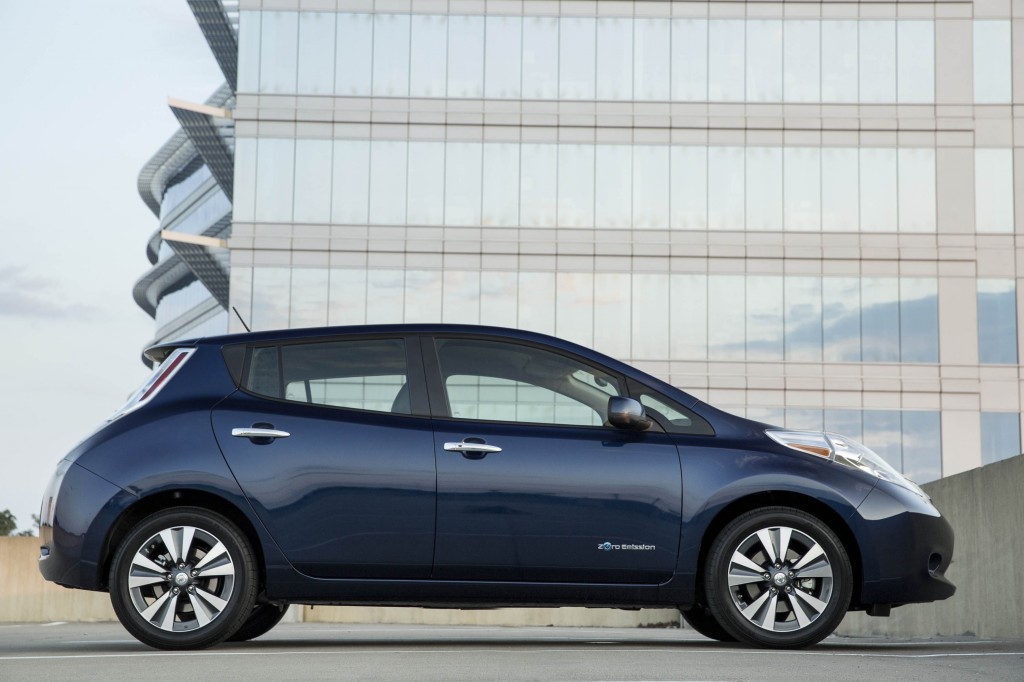
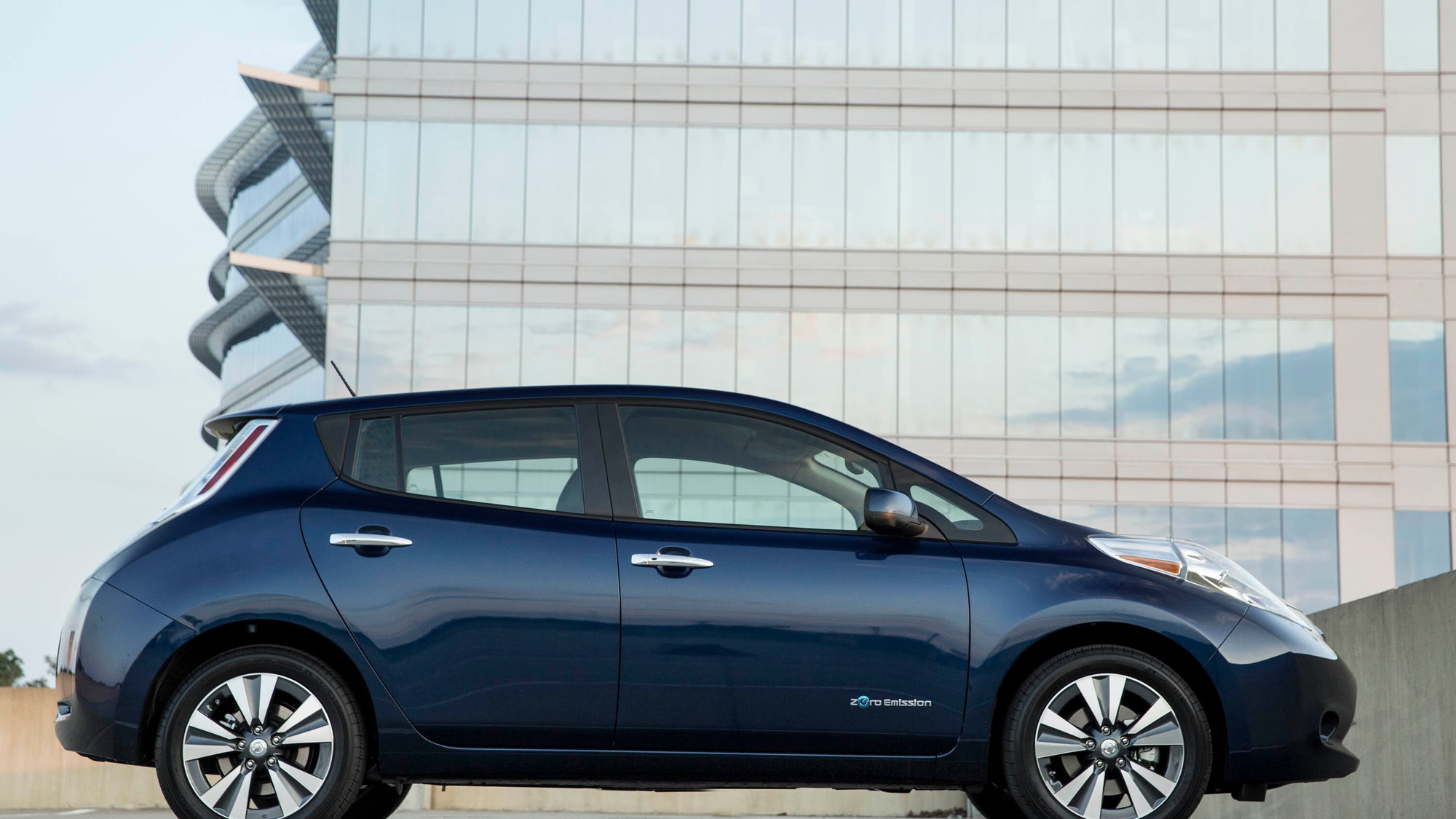
2017 Nissan Leaf
2017 Nissan Leaf - $31,545
30 kWh battery, 107miles (EPA), 112 MPGe, 80 kW motor
The Leaf received a larger, 30-kWh battery pack as an option for the 2016 model year, and that pack becomes standard equipment on all models for 2017. That means the Leaf gets a slight bump in base price, pushing it over the $30,000 mark. But all Leaf models also now have a 107-mile range, compared to the 84-mile range of cars equipped with the previous, 24-kWh pack.
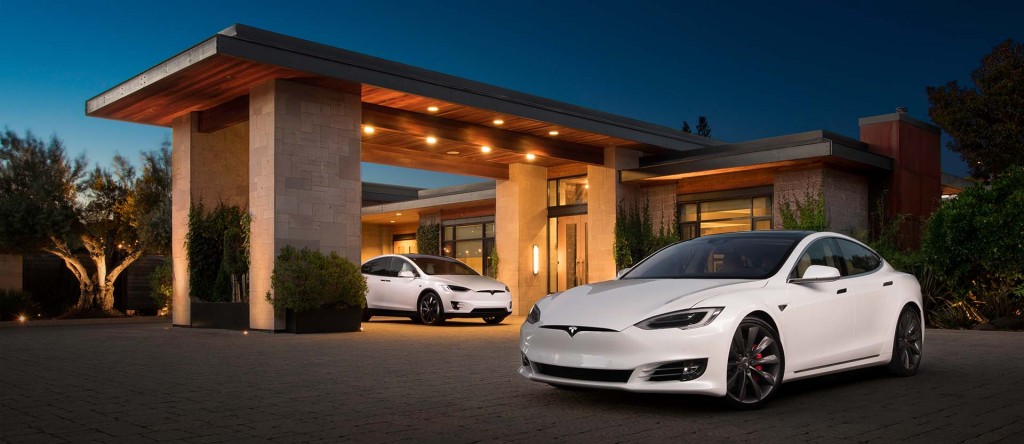
2017 Tesla Model S
2017 Tesla Model S - $69,200-$135,700
60-100 kWh battery, 210-315 miles (EPA), 98-104 MPGe, 234-396 kW motor
The Tesla Model S lineup seems to be in constant flux, but at the moment it includes rear-wheel drive and dual-motor all-wheel drive versions with 60-kWh and 75-kWh battery capacities (creating a "75" car actually involves a software patch to unlock extra capacity), all-wheel drive 90D and P100D models. Tesla recently began installing a new hardware package for its Autopilot system—called "Hardware 2"—in all production cars, and launched a "Ludicrous Plus" mode software update that allows the Model S P100D to do 0 to 60 mph in 2.4 seconds.

2017 Tesla Model X
2017 Tesla Model X - $90,000-$140,000
75-100 kWh battery, 238-289 miles (EPA), 86-93 MPGe, 234-396 kW motor
Tesla Model X deliveries began just over a year ago, after many delays. Since then, Tesla's first SUV has received mixed reviews due to quality issues with early-build vehicles, and unorthodox features such as the roof-hinged "Falcon doors," expansive windshield, and fixed rear seats. The Model X gets the same "Hardware 2" upgrade as the Model S, and P100D versions are expected to get "Ludicrous Plus" mode as well.
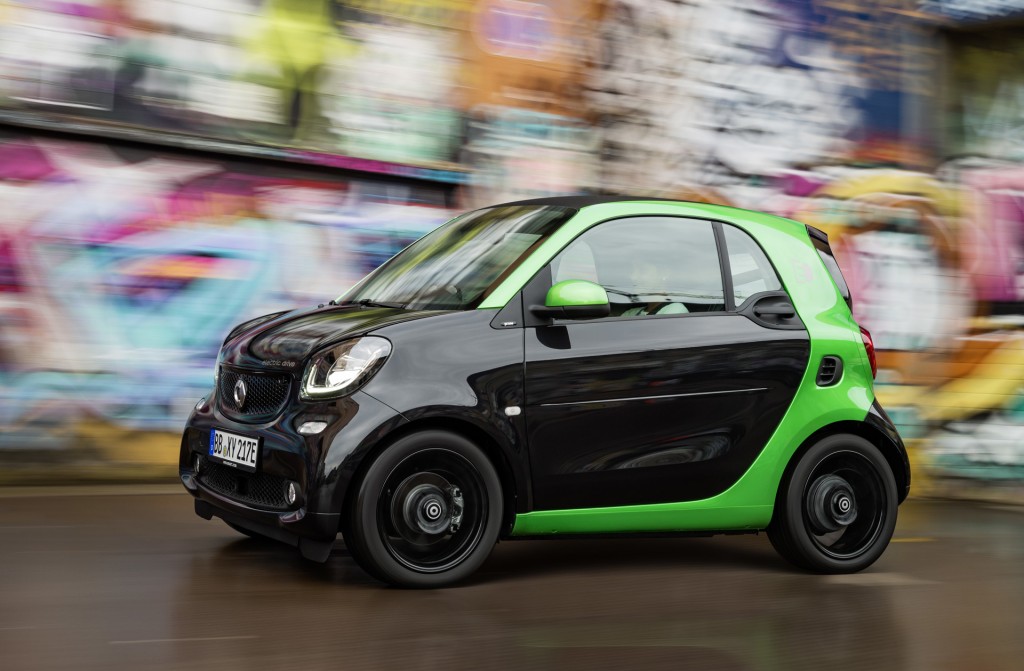
2017 Smart ForTwo Electric Drive
Not included
A few electric cars have been left from this list, for one reason or another. We are awaiting final pricing, efficiency, and range ratings for the updated, longer-range 2017 Volkswagen e-Golf and the redesigned 2017 Smart ForTwo Electric Drive, neither of which has gone on sale yet.
The Chevrolet Spark EV has been discontinued. It was a "compliance car" available only in California, Oregon, and Maryland, and is being supplanted by the Bolt EV, which will be available nationwide by this September.
More battery-electric models are expected to go on sale in the coming months, including the Honda Clarity Electric, a battery-electric version of the Clarity Fuel Cell sedan that will arrive later this year, likely as a 2018 model.
Keep this page bookmarked, as we'll be updating it when new battery-electric models hit the market.
_______________________________________