Now the recriminations--and lawsuits--will start.
And we expect the focus on real-world gas mileage to increase, following news that Hyundai and Kia will revise gas-mileage figures downward on 13 different models from the 2011, 2012, and 2013 model years--and reimburse buyers for the extra money they spent on gas.
The two companies blame administrative and procedural errors in their testing for the incorrect ratings, and have apologized unconditionally.
EPA ratings are largely provided by manufacturers, who test their cars over specified simulations of drive cycles. The Federal agency then certifies and publishes those results.
The errors by Hyundai and Kia were all overstatements. No gas-mileage ratings were incorrectly calculated on the low side, which would have required adjusting the efficiency shown on the window sticker upward.
About 900,000 cars sold in the U.S. over three years are affected, and the companies will likely have to refund about $100 million in total.
Concern over the real-world efficiency of the 2011 Hyundai Elantra, in particular, had been brewing for more than a year.
Last December, the Consumer Watchdog organization in Santa Monica, California, called on the EPA to re-test the 2011 Hyundai Elantra compact sedan.
The group noted that numerous owners reported much lower real-world gas mileage.
At the time, Jim Trainor, the national manager of product PR, said Hyundai "stands by the EPA numbers."
That position, obviously has now changed.
The Hyundai-Kia restatements highlight the importance of both EPA gas-mileage ratings and the discrepancies that some owners find between the combined rating and the real-world mileage they achieve.

2013 Kia Soul
These days, higher levels are necessary to get the attention of new-car shoppers.
"No one cares about" gas mileage in the 20s, unless it's for a truck or sport utility vehicle, Toby Barlow of Team Detroit, Ford's advertising agency, told The Detroit News.
"When you get into the 30s, people start to notice" depending on what kind of vehicle they're researching, he continued.
Then, he said, " in the 40s, it really picks up"--but if you want to "break through," even higher numbers are necessary.
Barlow spoke about new television ads for the 2013 Ford Fusion mid-size sedan, now arriving at Ford dealerships across the country.
The 2013 Ford Fusion Hybrid model is rated at 47 mpg combined by the EPA, as is the 2013 Ford C-Max Hybrid.
But whether those two vehicles can achieve those ratings in combined real-world use remains unclear.
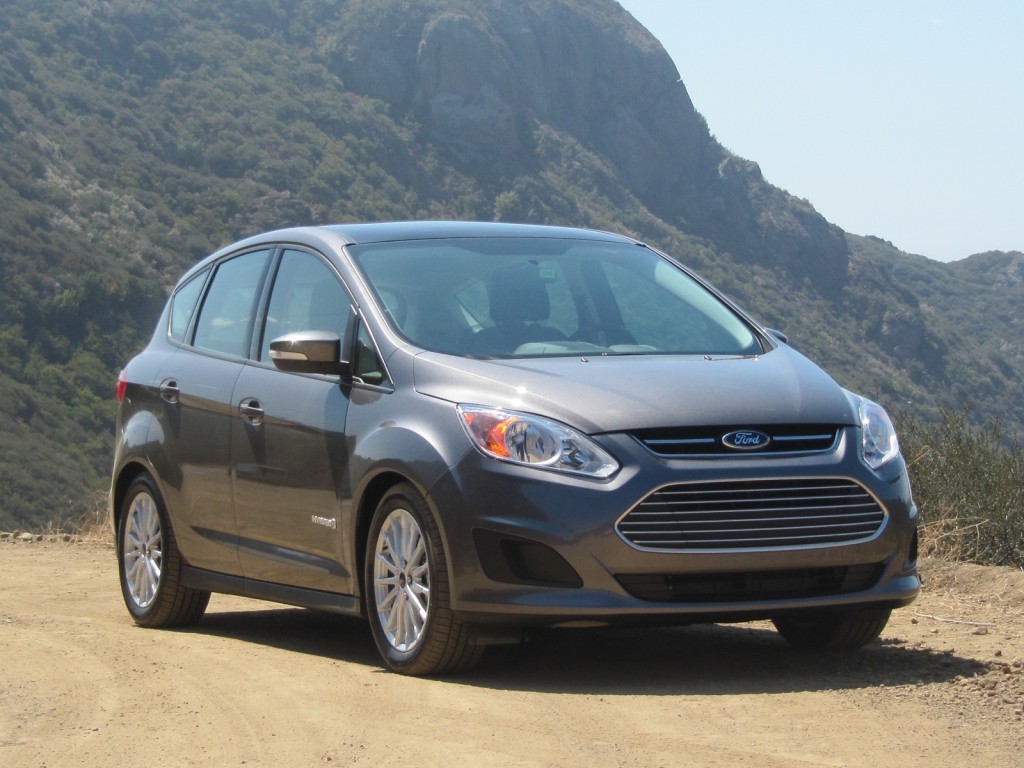
2013 Ford C-Max Hybrid, Los Angeles, August 2012
Green Car Reports has now done two short tests of the C-Max Hybrid (here and here), neither of which came close to the 47-mpg rating.
On its FuelEconomy.gov website, the EPA lets owners of specific models submit their actual gas mileage, to aggregate real-world data that can be compared to the rated efficiency.
Thus far, the average from the five owners who have submitted data on their C-Max Hybrid mileage is 39.1 mpg--a far cry from 47 mpg.
We expect the focus on real-world mileage versus window-sticker ratings to increase, as makers jockey for marketing advantage by touting higher and higher gas-mileage ratings.Meanwhile, any owner of a 2011, 2012, or 2013 Hyundai or Kia who wishes to make a claim for reimbursement should visit HyundaiMPGInfo.com or KiaMPGInfo.com.
Does your car live up to its rated gas mileage for the combined city-highway cycle?
Leave us your experiences in the Comments below.
+++++++++++