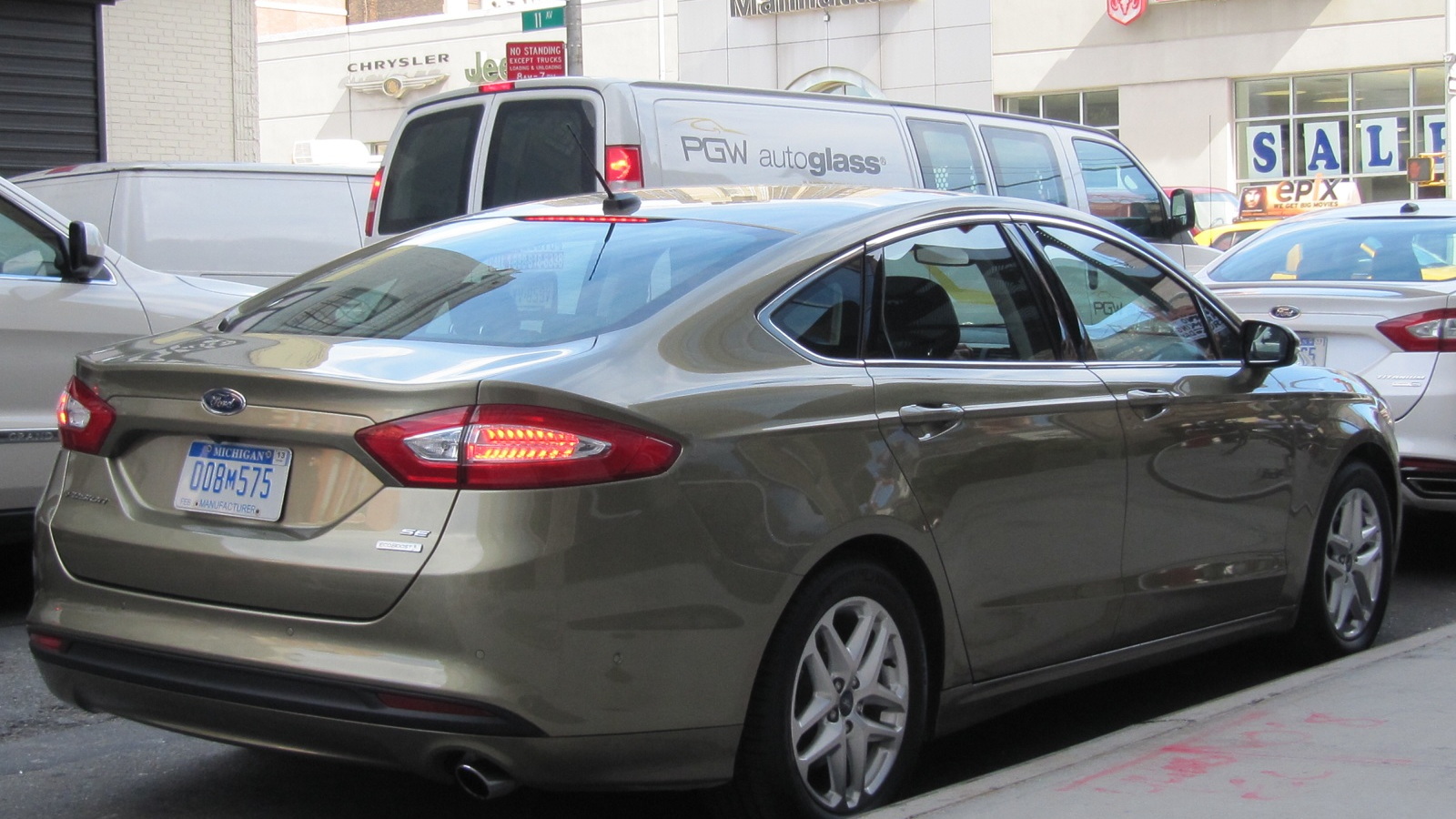
Memo to carmakers: Midtown Manhattan on a weekday can be a challenging, frustrating place to hold a test drive.
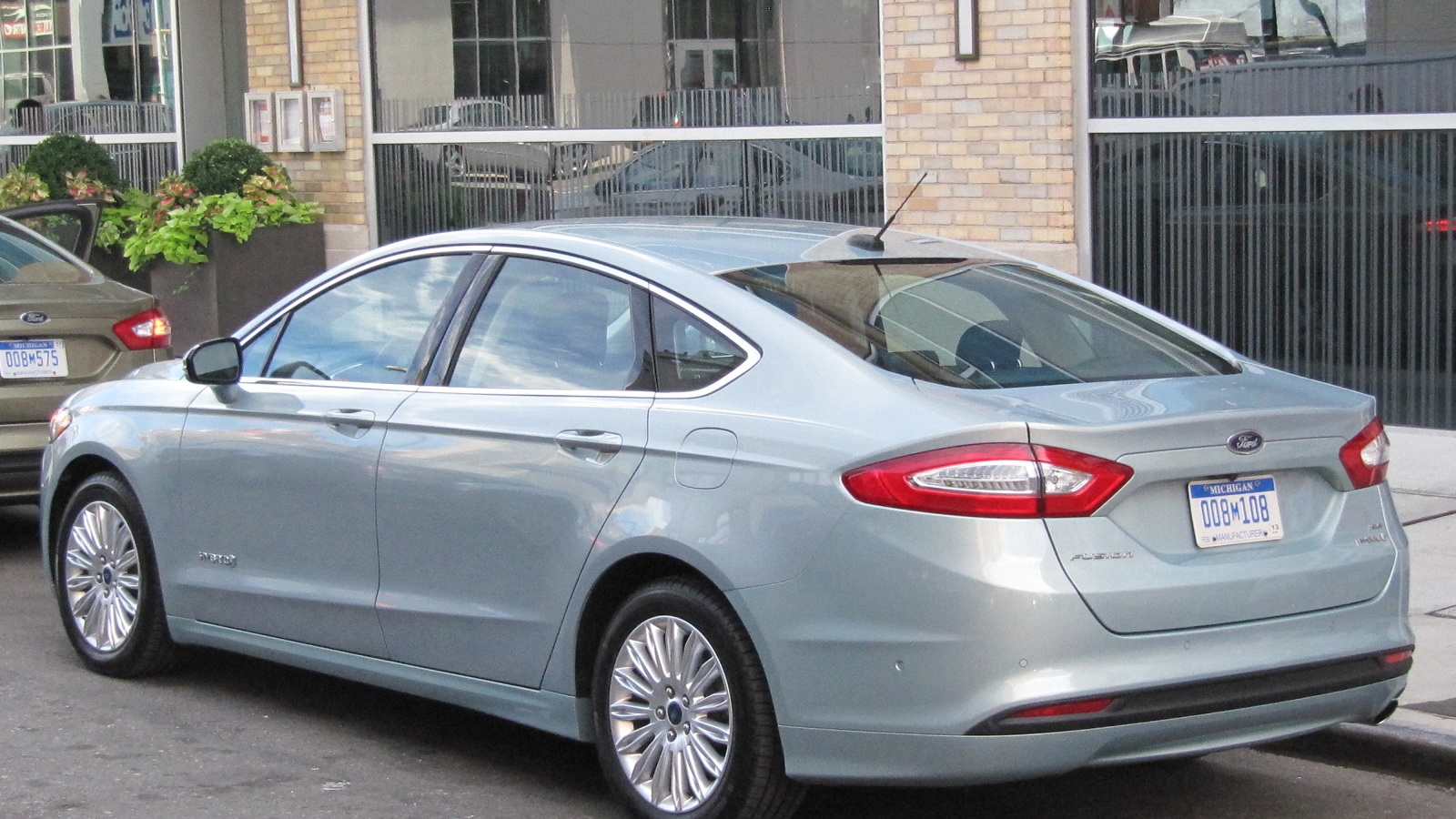
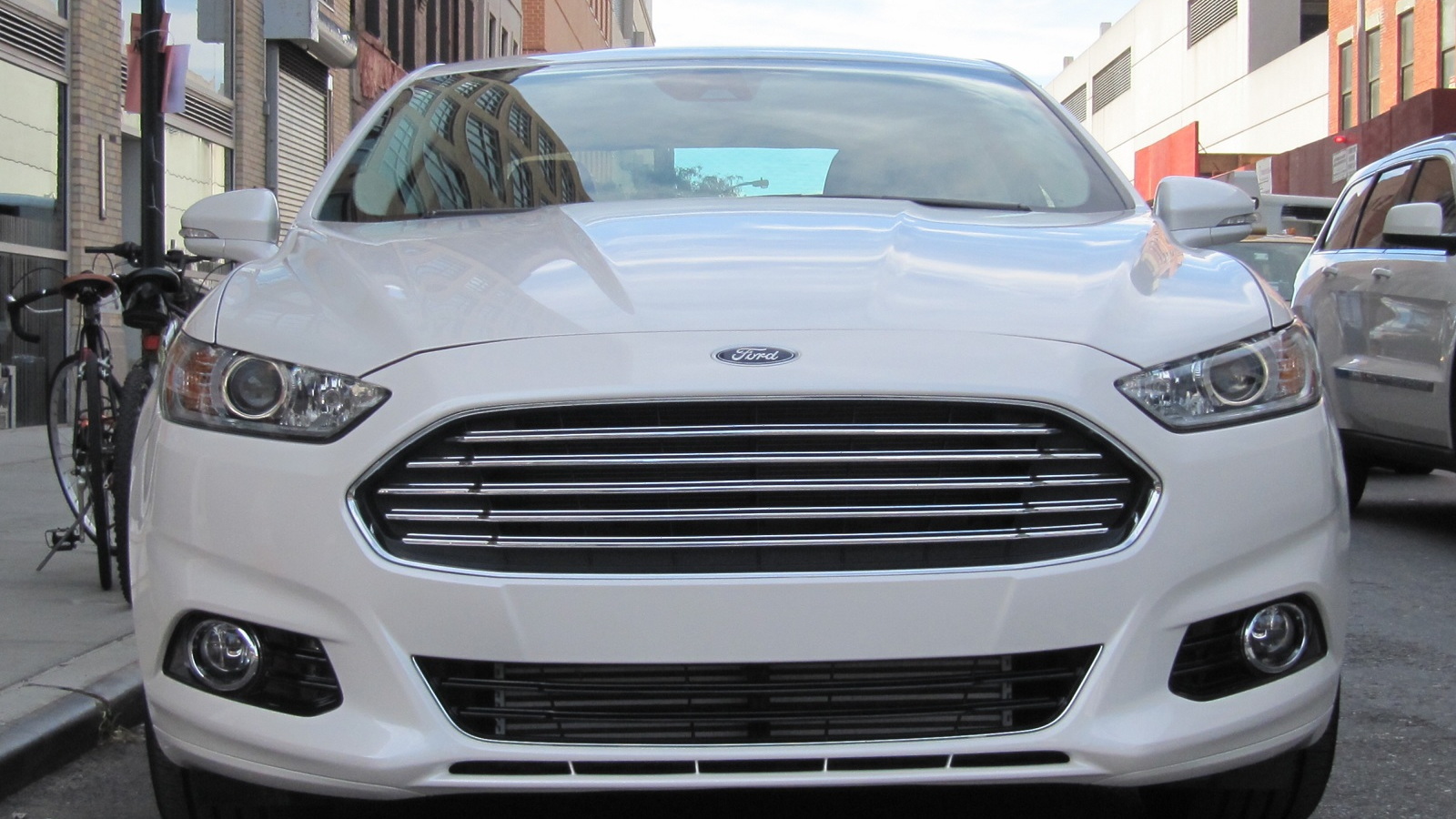
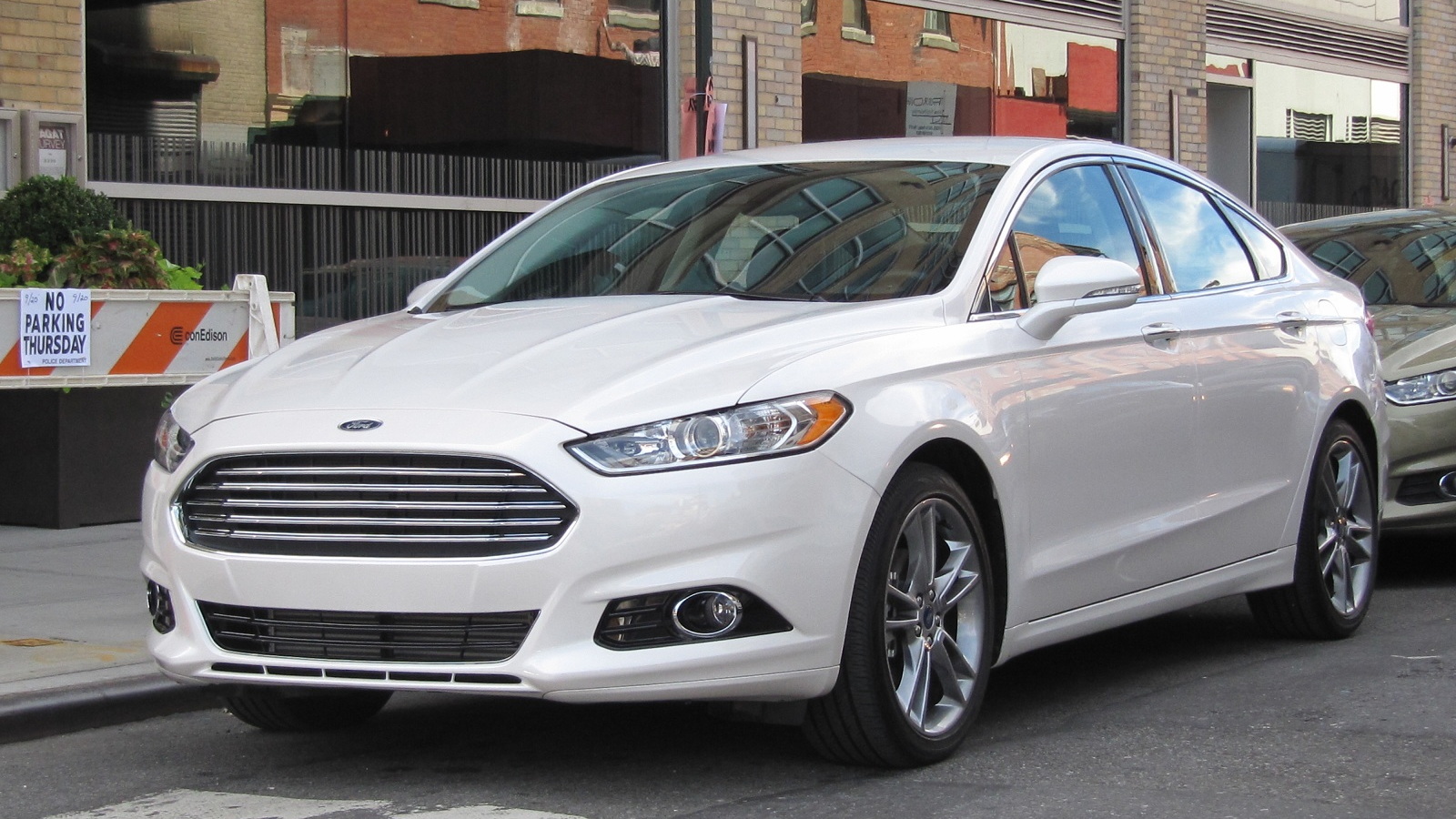
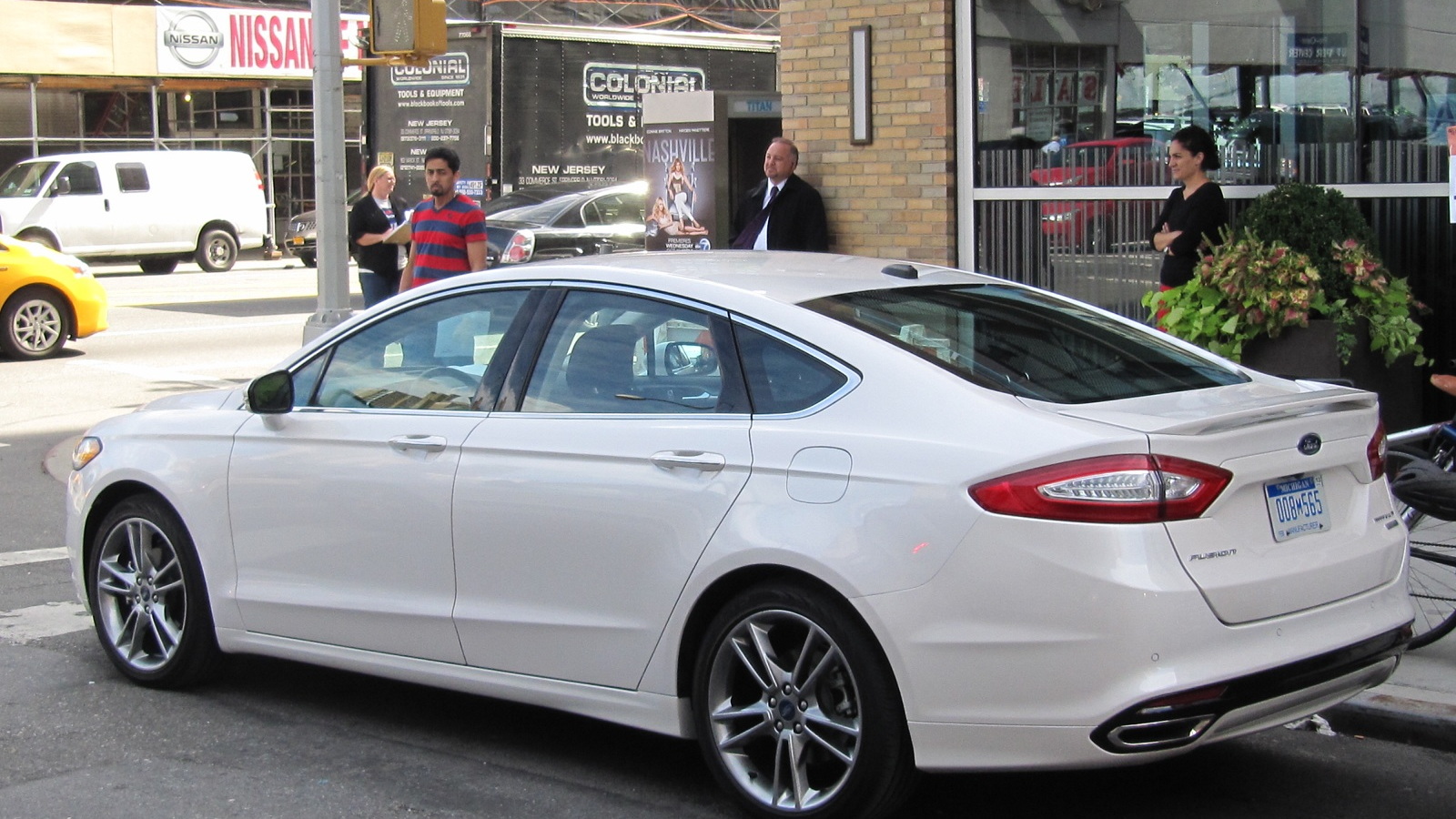
Two days ago, we drove the new 2013 Ford Fusion Hybrid at a Ford media event, one of a handful across the country to show off its redesigned mid-size sedan.
The 2013 Fusion will be offered with three gasoline engines--a standard 2.5-liter four, and two EcoBoost turbocharged fours, of 1.6 and 2.0 liters--along with a Fusion Hybrid and, a few months later, a new Fusion Energi Plug-in Hybrid that Ford claims will be rated at more than 100 MPGe (MPG-equivalent).
The Fusion Hybrid has been rated by the EPA at 47 mpg combined (47 mpg city, 47 mpg highway), better than any of the gasoline versions--and an notable improvement on the 39-mpg combined rating of the outgoing current Fusion Hybrid.
So when we climbed into the Fusion Hybrid on Eleventh Avenue, we were looking forward to testing its performance.
Manhattan traffic had other ideas.
Between two drivers, we covered 7.1 miles in about 40 minutes. Of those, the car's display told us, 4.1 were covered electrically with the engine off.
Admittedly, the Fusion Hybrid spent a lot of time in stop-and-go traffic, meaning we sat with the engine off and the air-conditioning on for a large proportion of the total time.
We had only about 2 miles in which to test the car's quoted ability to run on electricity only as high as 62 mph.
We saw that once, briefly, at steady speed on a flat part of the West Side Highway; otherwise, cut-and-thrust traffic kept us on the power or the brake most of the time.
So here's the sum total of our impressions:
- The 2013 Ford Fusion Hybrid is comfortable to ride in, both front and rear
- The hybrid system noticeably varies the point at which the car switches from electric to engine: the less charge the battery has, the quicker the engine comes on (many hybrids do this, but it seemed particularly noticeable in this car)
- The digital displays in the instrument cluster either side of the central speedometer continue to be among the best in the business (although not as groundbreaking as they were in 2010)
- Our 22.1-mpg gas mileage wasn't reflective of much of anything, since it reflects engine use almost entirely for hard acceleration

2013 Ford Fusion Hybrid
We also spent 15 minutes in a 1.6-liter EcoBoost engine fitted with the optional $295 start-stop system.
It worked smoothly, wasn't overly lumpy when switching on and off under creeping traffic--always the toughest test for start-stop systems.
Ford says the start-stop system produces about a 3.5-percent fuel efficiency boost overall, but can improve fuel efficiency up to 10 percent for owners who drive mostly in cities.
We look forward to getting a 2013 Ford Fusion Hybrid to use over our usual test route.
MORE: REVIEW: 2013 Ford Fusion Hybrid
The 2013 Ford Fusion will compete directly with the Toyota Camry (new in 2012), the Honda Accord (new for 2013), the Nissan Altima (new for 2013), the Chevrolet Malibu (new for 2013), and the Hyundai Sonata.
The 2013 Fusion line will go on sale later this year, including the Fusion Hybrid model. All hybrid Fusions are made in Hermosillo, Mexico.
The Energi plug-in hybrid version will launch at selected Ford dealers in certain regions early next year.
Meanwhile, Ford: How about weekend drive events in Manhattan instead? The traffic's much better then.
+++++++++++