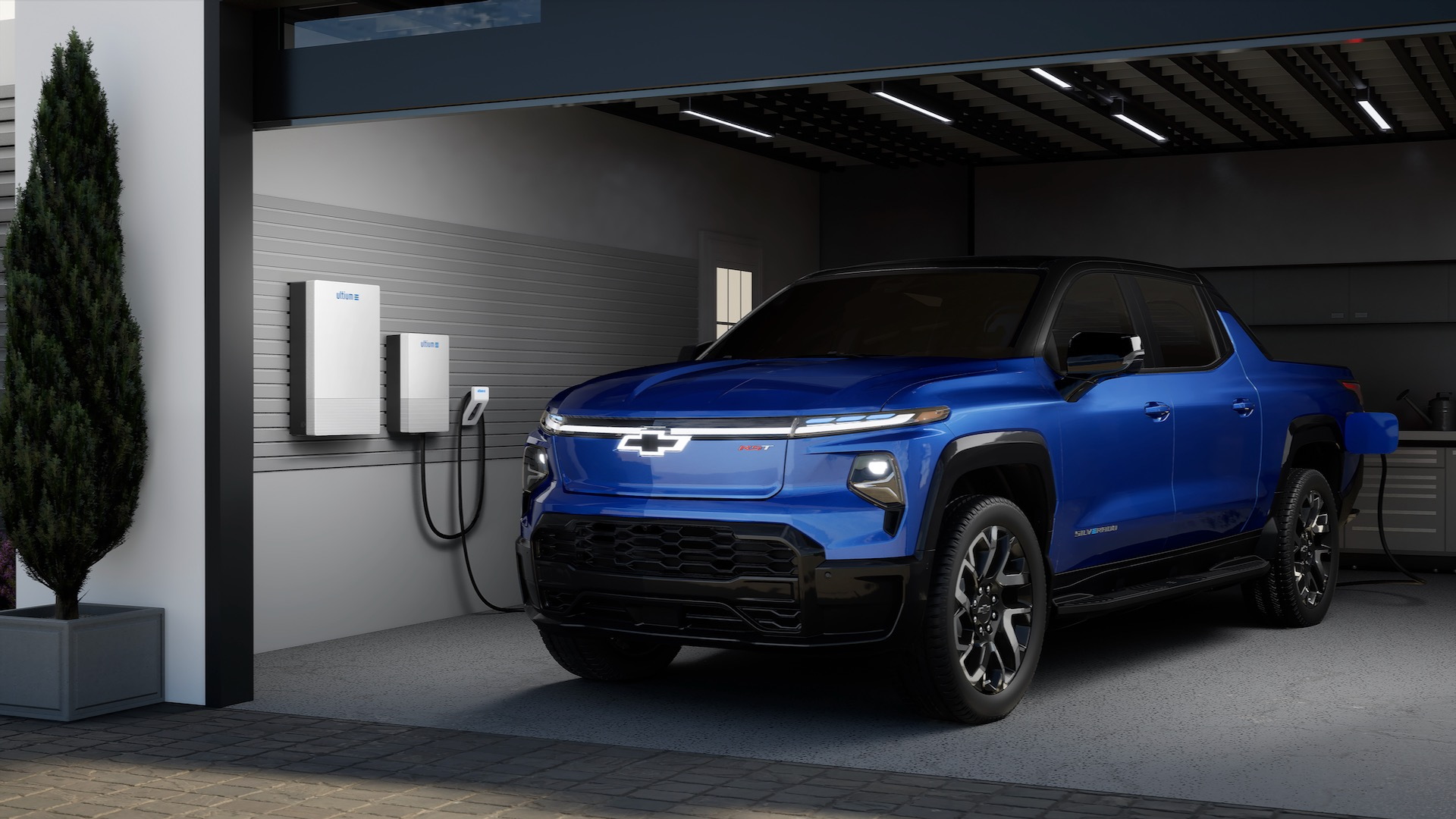
Since the Chevrolet Volt first launched in the U.S., we’ve seen a variety of quirky, funny, and downright weird ads designed to get people driving General Motors’ first plug-in hybrid.
But over in Europe, where the Chevrolet Volt and the Opel Ampera -- its European sibling -- are relatively new to market, GM is already getting into trouble over its ad campaign.
The claim? That it mislead viewers about how the extended range electric car works.
According to the Daily Mail, Vauxhall, the U.K. branch of GM, had its Ampera TV ad banned by the British Advertising Standards Authority because it wasn’t clear enough about the car’s all-electric range.
The ad, which aired earlier this year, displayed on-screen text that described the Ampera as having “up to 360 mile [sic] range”, while veteran Shakespearian and former Star Trek actor Patrick Stewart simply provided a simple voice-over: “Only true pioneers go further than others. Vauxhall Ampera. Driving electricity further.”
2012 Chevrolet Volt
The ASA investigated the ad after receiving complaints from viewers who said that the ad was misleading.
In its ruling, the UK ad industry watchdog said “We considered that throughout the ad the emphasis was on the fact that the car was being driving electrically, and that most viewers would not understand that the car was in some circumstances being powered by electricity generated with a petrol engine.”
Although a small line of text in the ad acknowledged the “Comparison based on electric vehicles and extended-range electric vehicles driven electrically at all times, even when an additional power source is generating electricity,” the ASA wasn’t satisfied.
“An average viewer, unfamiliar with the use of petrol engines in electric vehicles would not necessarily understand what the additional power source was,” it concluded.
Admittedly, the ASA is known in the U.K. for being particularly tough on ads over what they can and cannot say, but was it correct in telling GM off for its unclear claims over range?
Let us know your thoughts in the Comments below.
+++++++++++