It used to be that testing prototype and development cars was done in secret, under heavy camouflage, away from photographers.
Now it's a public relations ploy, it seems, complete with QR codes on the sides of distinctively marked engineering vehicles and a promotional blog entry.
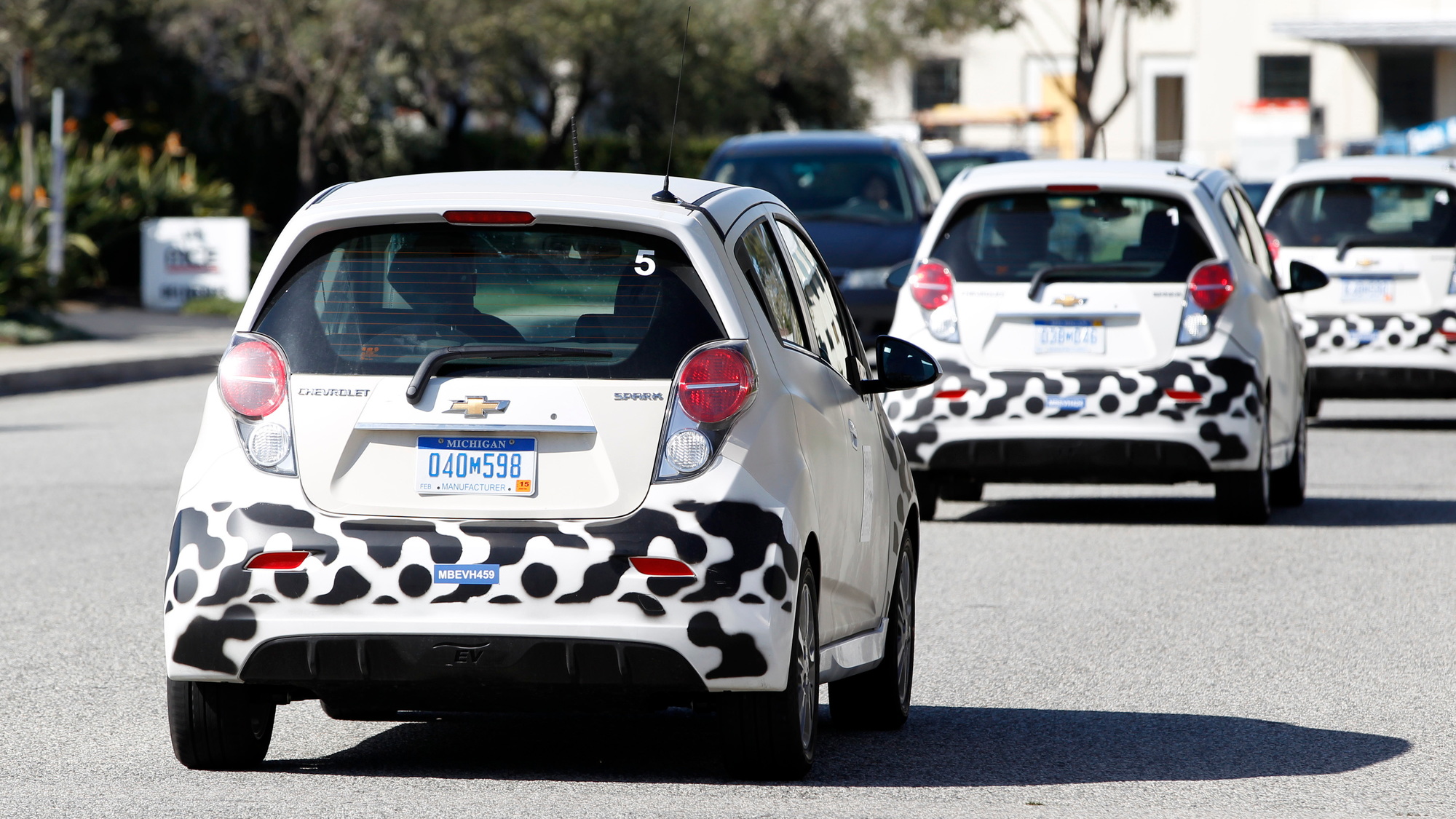
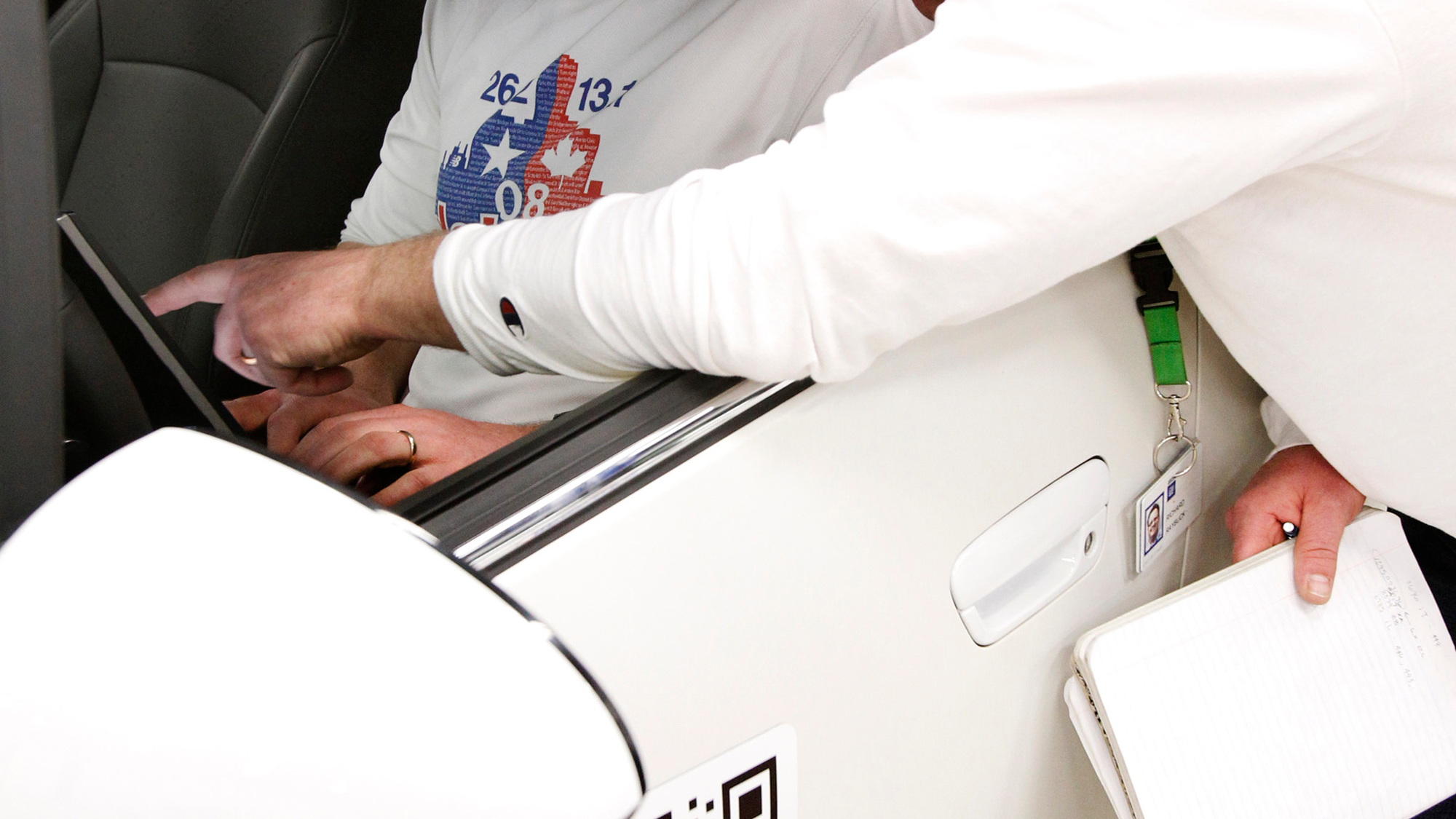
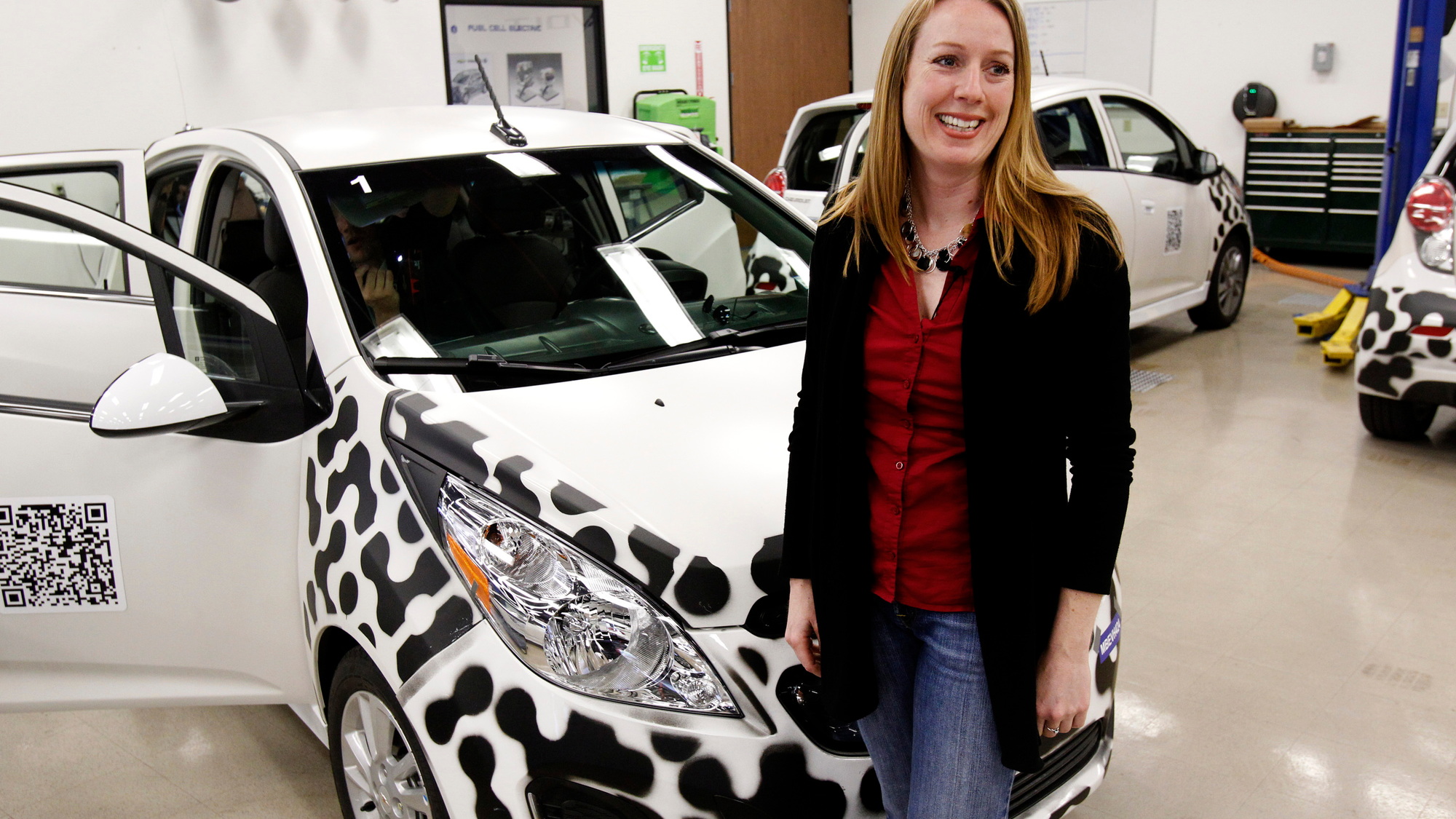
So if you see some white Chevrolet Sparks running around Southern California looking like someone tested a can of black spray paint on their front and rear fascias, go ahead and scan the QR code.
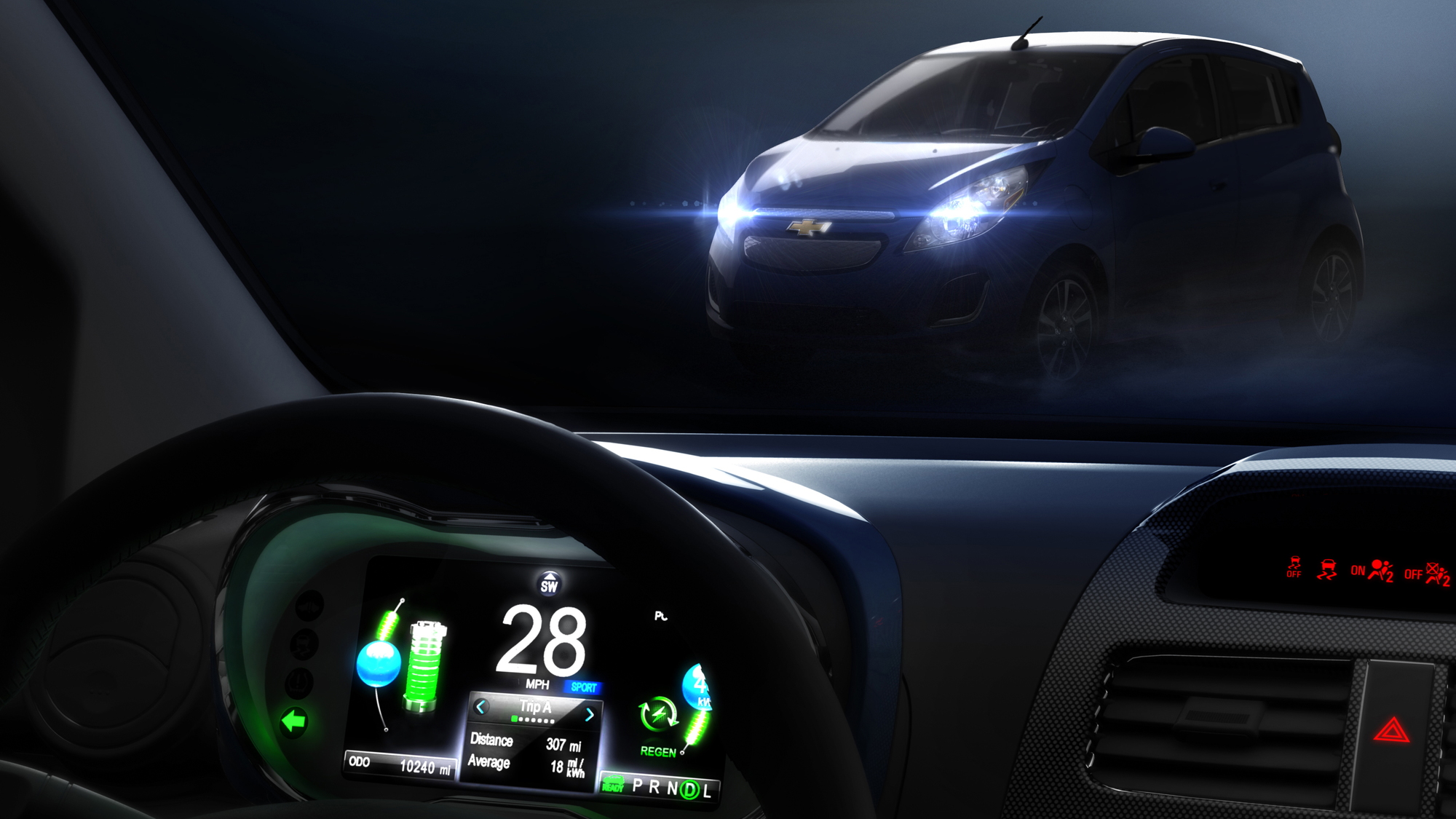
You'll be connected to some GM corporate propaganda about the new Chevrolet Spark EV, a low-volume electric conversion of the carmaker's upcoming 2013 Chevy Spark minicar.
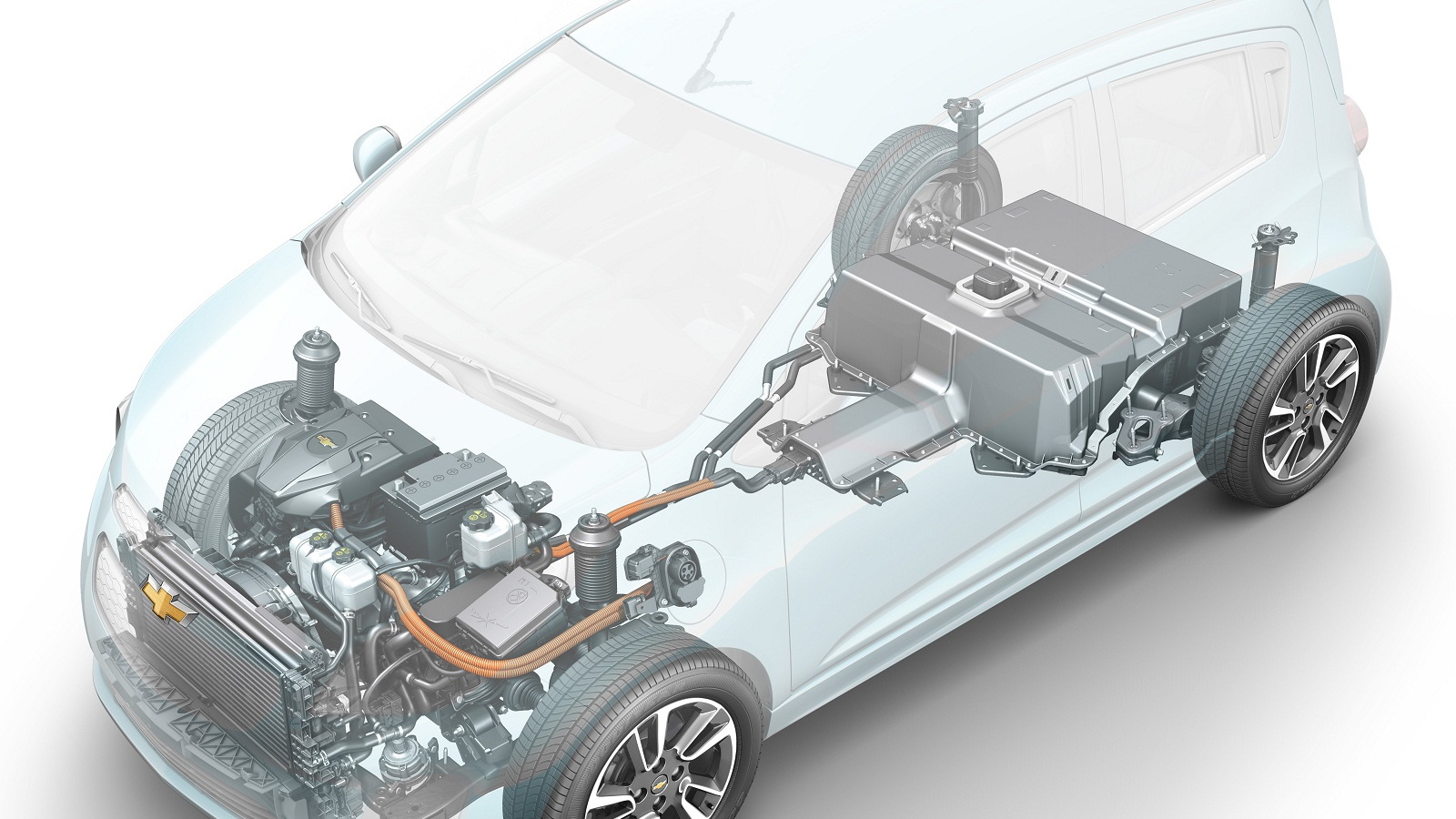
The Spark EV will use a lithium-ion battery pack with cells supplied by A123 Systems.
Its electric motor--which it will build in Maryland--powers the front wheels and puts out peak power of 85 kilowatts (114 horsepower) and sustained power of about 55 kW (75 hp).
We sat in today on a call with the Spark EV development engineers, who have been putting the car through its paces in "65-percent calibration" driving test, meaning it's roughly two-thirds of the way along in its software calibration process.
Chevrolet very clearly said it would not yet discuss the Spark EV's battery-pack capacity, its electric range, its likely MPGe rating, its recharging time, the charger rating, or its production volume.

2013 Chevrolet Spark shown at Los Angeles Auto Show, Nov 2011
Lead development engineer Trista Schieffer noted that six cars had covered about 1,500 miles on hills, in stop-and-go urban traffic, at highway speeds, and at public charging stations, over a variety of short and long driving cycles.
She said that team members focused on vehicle dynamics, handling, acceleration, stopping, overall driving experience, and the driver's various interfaces with the cars, including mobile apps.
She said, in other words, that the engineers and other GM employees were testing the cars to make sure they provided a good customer experience.
That's a good thing, eh?
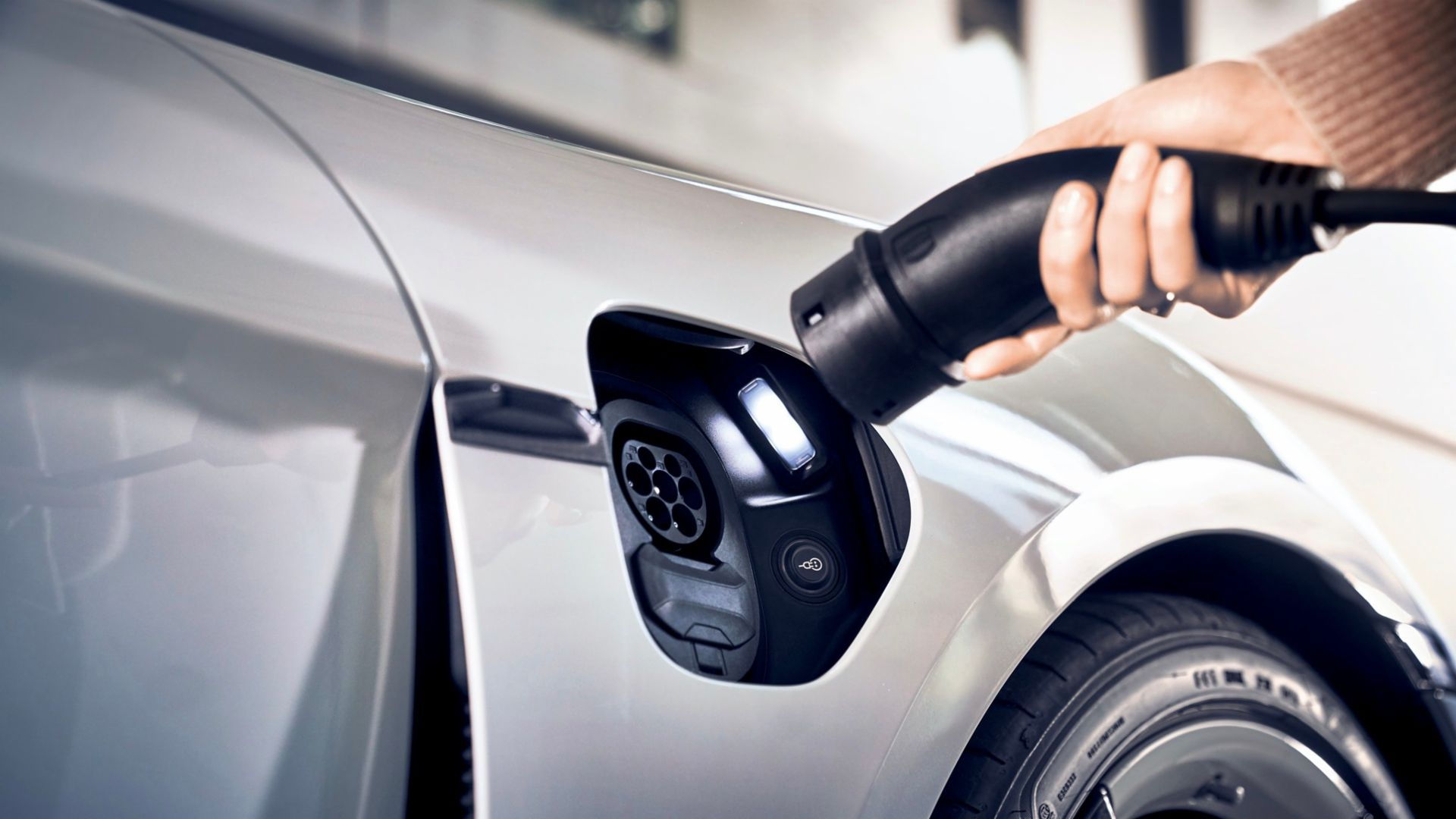
The sole new piece of information was that the Chevy Spark EV would offer charging not only on 110-Volt household current and at 240-Volt Level 2 charging stations, but also via DC quick charging.

2013 Chevrolet Spark EV cutaway
Asked for details, Schieffer declined to say whether that meant the Japanese CHAdeMO quick-charging standard built into Nissan Leafs and Mitsubishi 'i' electric cars, or the still-under-development SAE standard that's not currently available on any production vehicle. (We're almost sure it's the latter.)
She even declined to estimate the total miles GM planned to put on all its Spark EV test vehicles through the life of the testing program--not only in southern California but also at GM's Milford Proving Grounds outside Detroit and elsewhere.
When pressed, Schieffer said brightly, "Whatever it takes to deliver a great product into the market!"
Media drives are not expected until early next year after January's Detroit Auto Show. The earliest time the car would likely arrive at dealers would be sometime during the summer of 2013.
And please keep in mind: This is a low-volume car that will almost surely be sold only in California and other states that have adopted its emissions standards.
If you're in the other 35 or so states, Chevy already has a plug-in vehicle they'd just love to sell you.
It's called the Chevrolet Volt.
+++++++++++