If you're in the market for a new car and your top priority is fuel efficiency, what do you buy?
With so much to choose from now including gasoline, diesel, natural gas and electric cars on the market as well as a range-extended electric vehicle and hybrids galore, the options are bewildering.
If MPG is your ultimate priority, we've drawn up a list of the top ten cars on sale in the U.S. today, ranked by average MPG and MPG equivalent (MPGe).
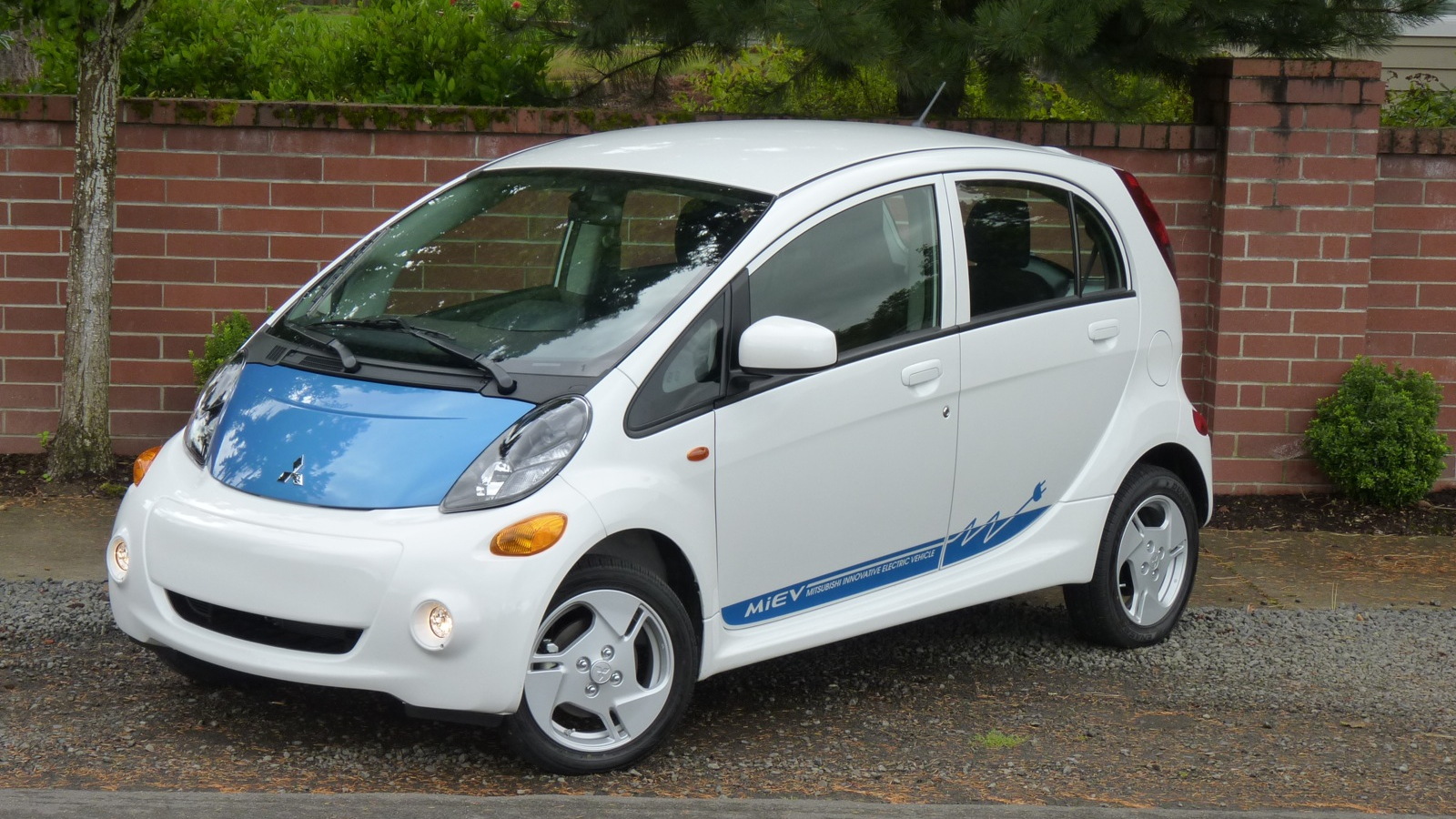
2012 Mitsubishi i - 112 MPG
Top of the list is Mitsubishi's powered jellybean, the "i" electric car. The looks might not be to all tastes but with an average of 112 MPGe, it currently ranks top on the EPA's leaderboard of fuel efficiency.
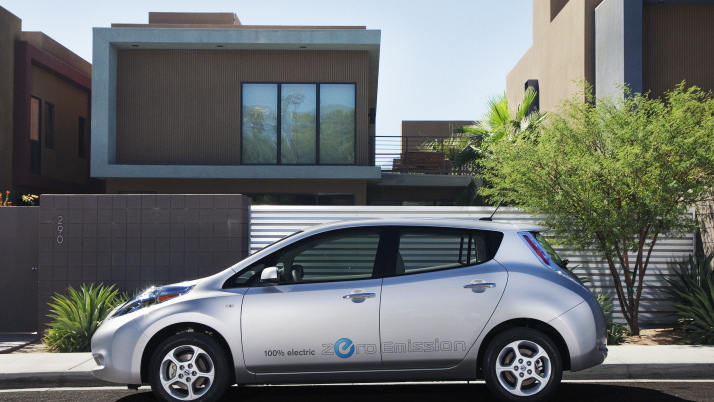
2011 Nissan Leaf - 99 MPG
The Mitsubishi i might be at the top but for many drivers, the Leaf will make more sense. It's larger, more refined, better to drive and with an official range of 73 miles to the Mitsubishi's 62, more usable on a day-to-day basis.
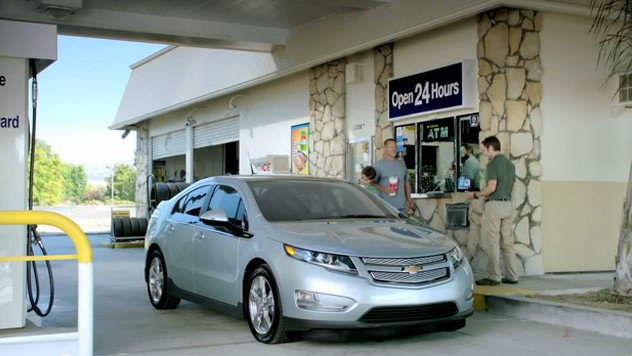
2012 Chevrolet Volt - 94 / 37 MPG
The Volt gets two ratings because it effectively has two separate modes of running. EPA gives an all-electric range of 35 miles (GM claims between 40-50 miles) and 94 MPGe, but once the gasoline generator kicks in range extends to 344 miles and MPG decreases to 37.
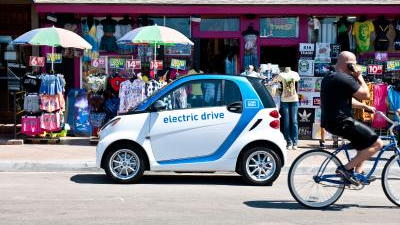
2011 Smart Fortwo electric drive - 87 MPG
The Fortwo electric drive is in limbo at the moment as we wait for the 2012 model unveiled at the Frankfurt Auto Show, promising greater speed and greater range. The 2011 model has a range of 63 miles, and manages to drive better than the regular gasoline Smart.
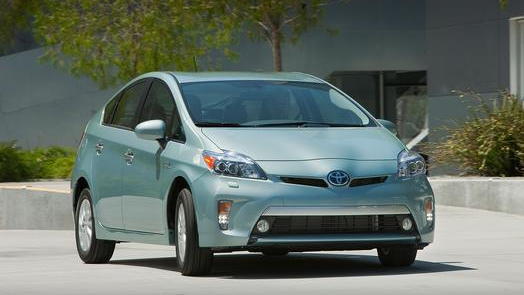
2012 Toyota Prius - 50 MPG
A list of high-MPG vehicles wouldn't be complete without the Prius and at 50 MPG combined it's still one of the most efficient vehicles on the road. It's also good to drive, seats 5 people and Toyota has a proven track record in hybrid technology, meaning reassuring reliability.
2012 Honda Civic Hybrid - 44 MPG
Honda also has a proven track record with hybrids, having been there from the start with the 1999 Insight. The Civic Hybrid is its most efficient model at the moment, beating the cheaper Insight - at least until the 2012 Insight arrives.
2012 Toyota Prius V - 42 MPG
Toyota's 7-seat Prius sneaks straight into the top 10 according to the EPA's figures, meaning larger families can finally enjoy the great gas mileage Prius drivers have enjoyed for years. 44 MPG city should make those short trips a breeze.
2012 Lexus CT 200h - 42 MPG
The Lexus CT 200h might be a Prius in fancy clothes but that still gives it Prius-like efficiency. The trade off for slightly lower figures than the regular Prius is the luxurious interior and strong Lexus image.
2011 Honda Insight - 41 MPG
The Insight made it onto our Cheap Fuel Efficiency list last month for costing only $18,200 and managing 43 MPG highway. Think of it as a cheaper Prius and you won't be too wide of the mark.
2012 Ford Fusion Hybrid/Lincoln MkZ - 39 MPG
The Fusion and MkZ just scrape into the list to add to the tally of domestic fuel-sippers. Both are much cheaper than the Chevrolet Volt and if you do a lot of longer journeys, you won't miss the Volt's all-electric range either. Ford's hybrid technology has been well proven in New York and San Francisco taxi fleets.
+++++++++++