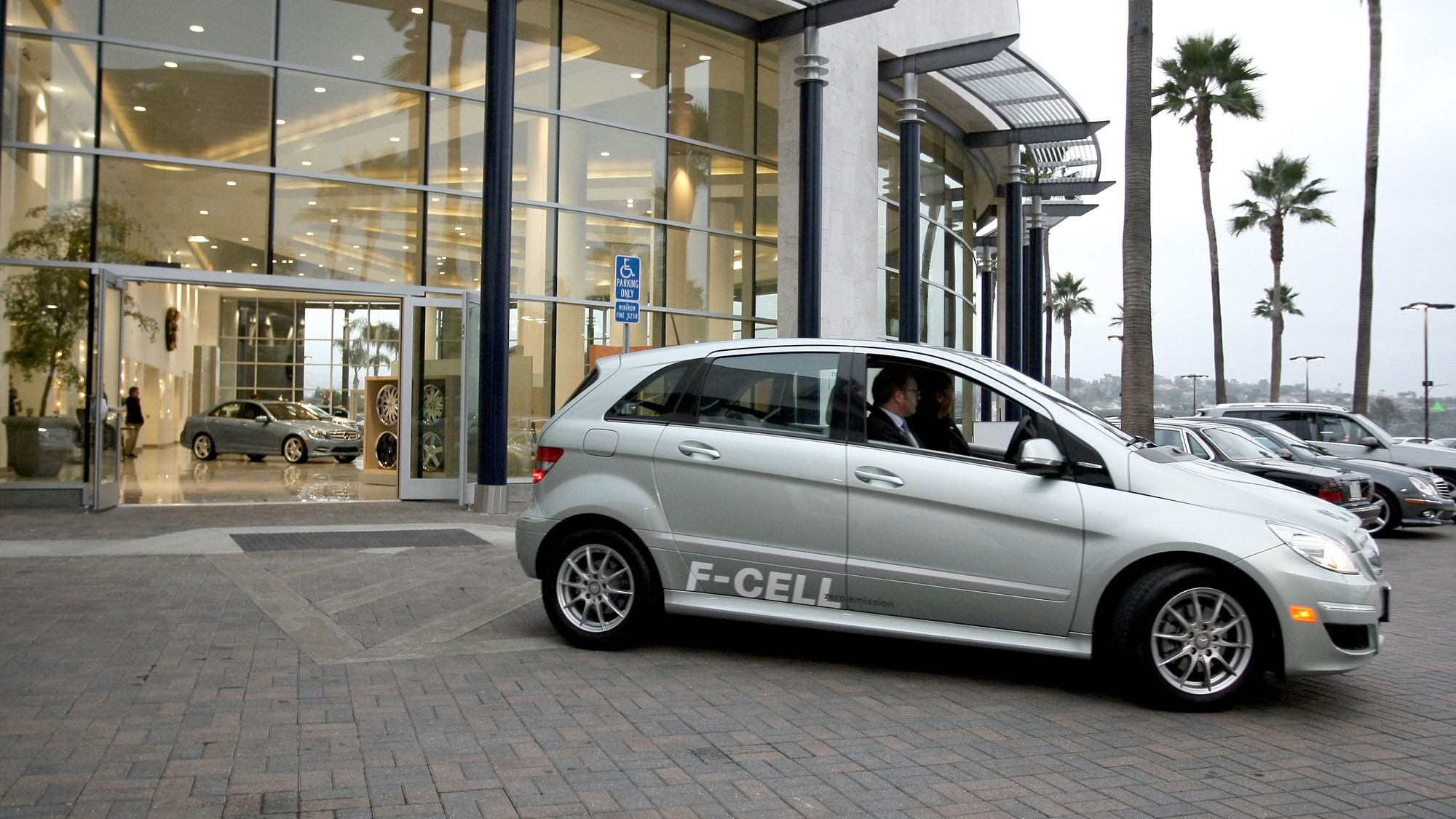
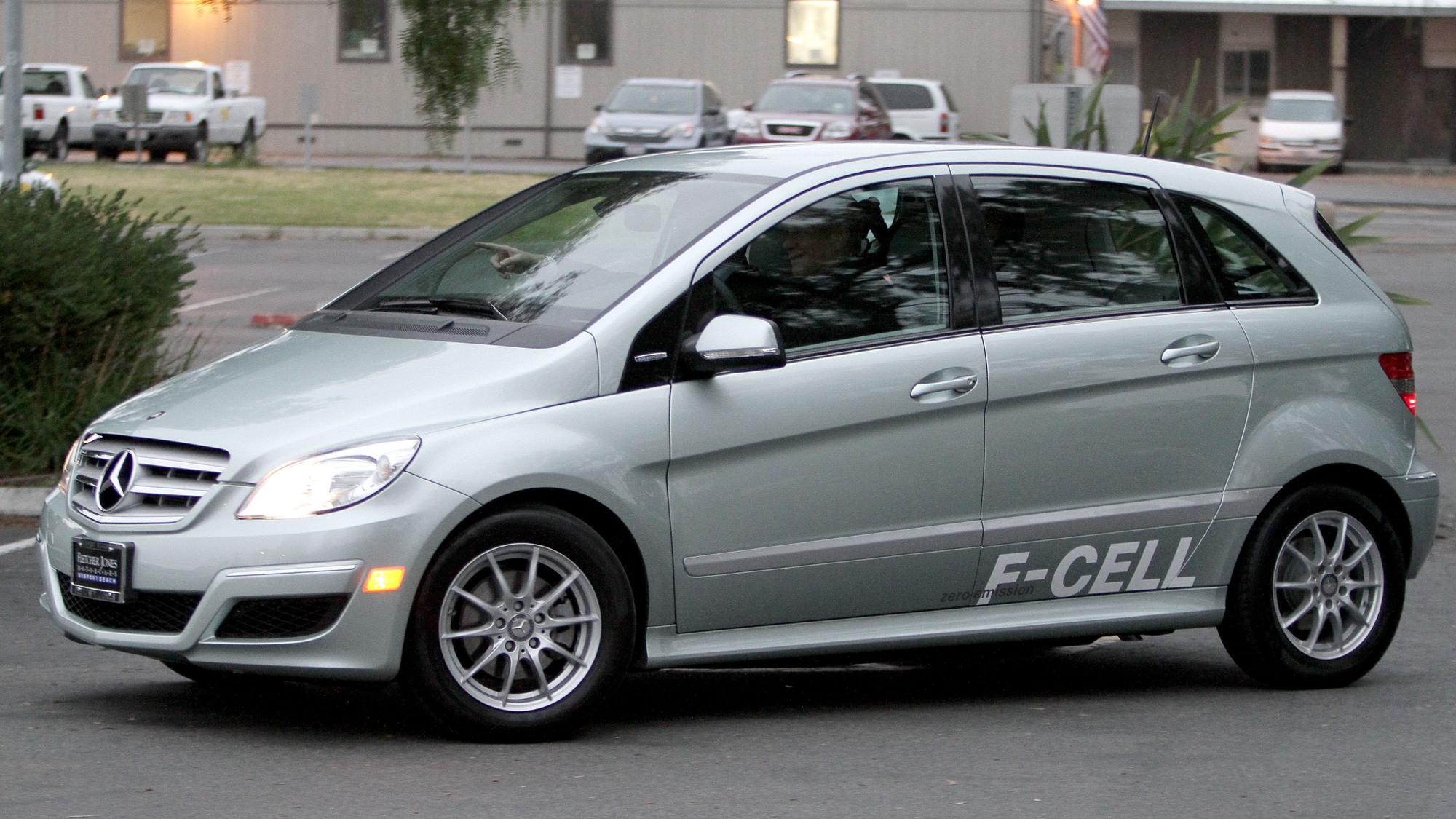
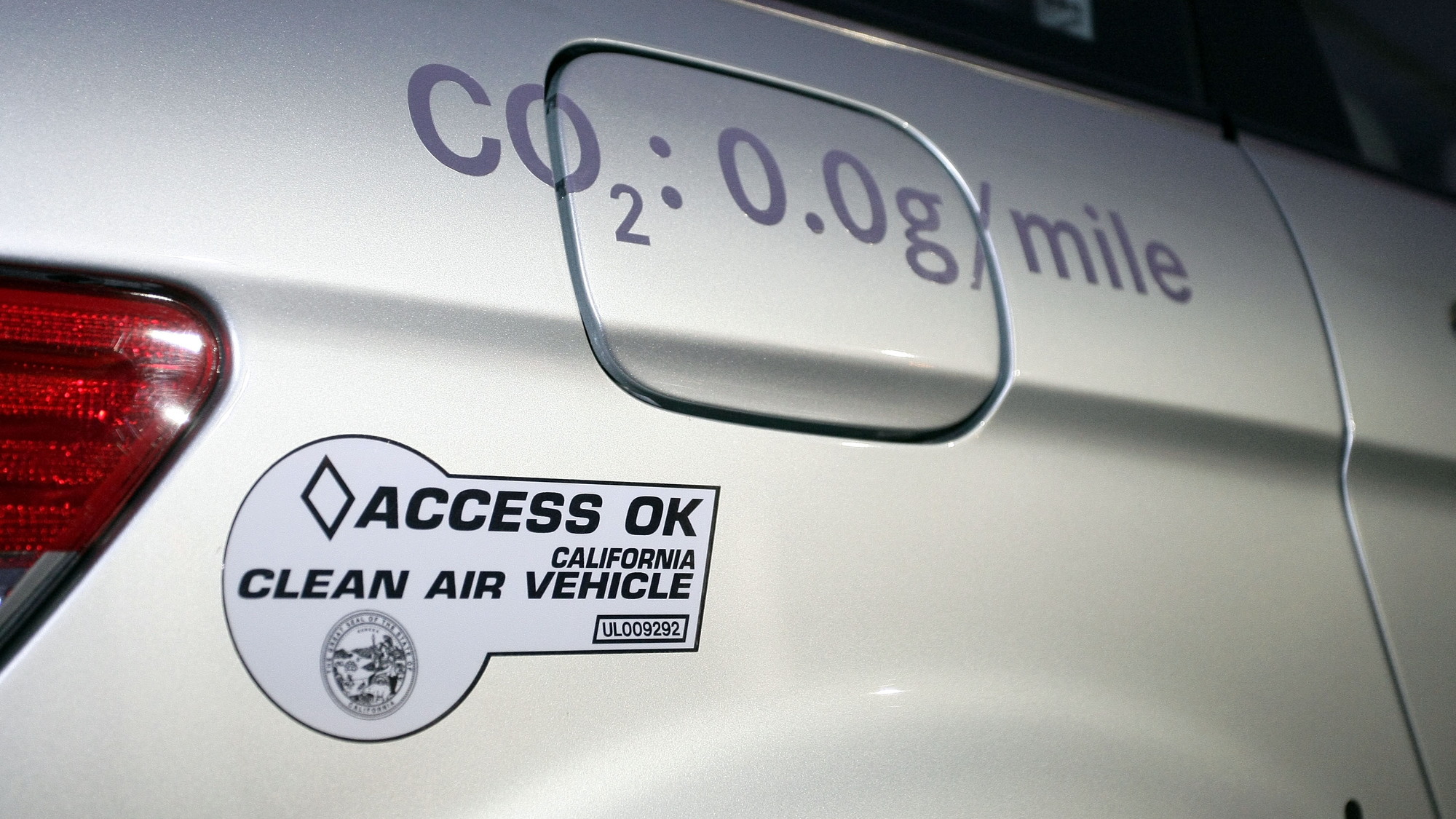
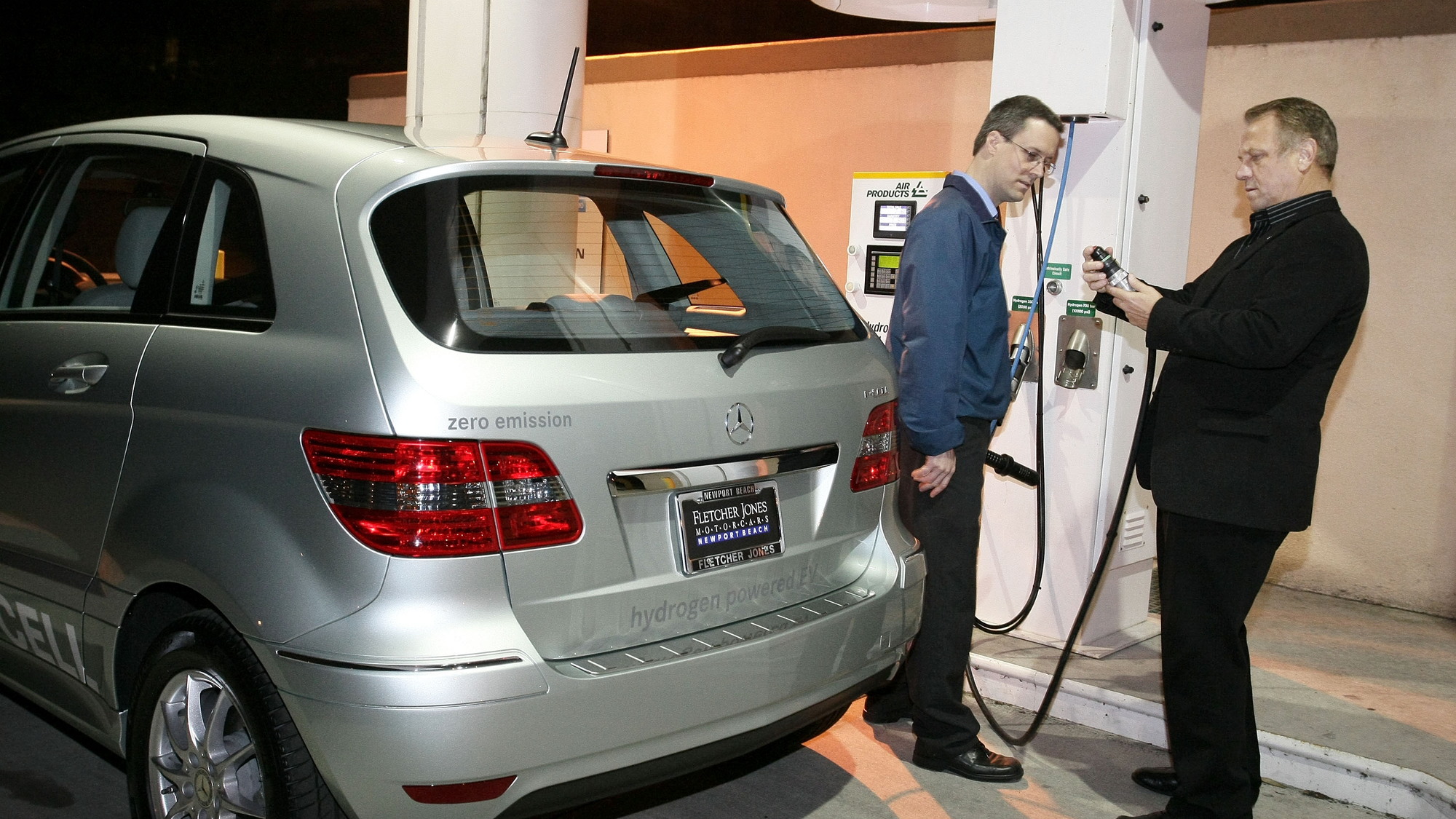
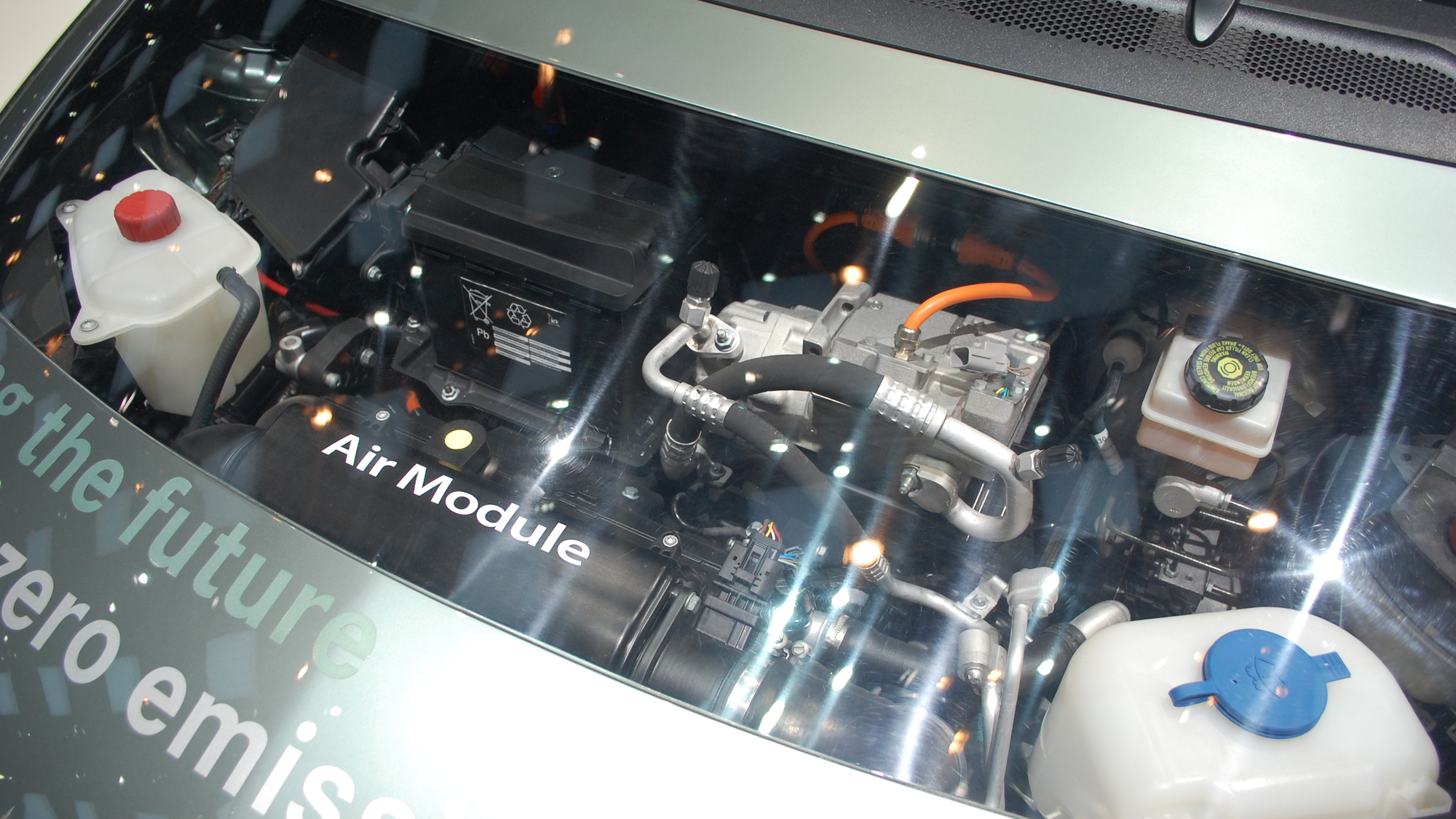
There was a time when hydrogen powered cars were all the rage in green car circles. They either came with advanced fuel cell electric drivetrains, the most notable being the Honda FCX Clarity and more recent Mercedes-Benz B-Class F-Cell, two models which regular customers could actually lease, or with regular internal combustion engines converted to burn hydrogen instead of gasoline.
However, today, hydrogen barely gets a mention, perhaps for good reason. Plug-in hybrids and electric cars, meanwhile, are now usually seen as the most logical option when talking green cars.
That doesn’t mean automakers aren’t investing in a hydrogen society. One of the leading automakers in this field is Mercedes-Benz, whose B-Class F-Cell, as mentioned, is already available for lease.
The parent company of Mercedes-Benz, Daimler, has now announced a partnership with German gas and engineering firm Linde to build a total of 20 hydrogen fueling stations in Germany as part of a trial spanning the next three years.
The new stations will be located in the current hydrogen centers of Stuttgart, Berlin and Hamburg as well as along two new continuous north-south and east-west axes, and at existing gasoline fueling stations. The end goal is to be able to drive anywhere in Germany with a fuel-cell-powered vehicle for the first time.
As most of the parties involved acknowledge, the success of hydrogen powered cars will rely on the availability of an adequate fueling infrastructure, and this can only happen with investment--from either big business or the government. It’s good to see that in this instance big business is taking the initiative.
There are nearly 30 hydrogen fueling stations in Germany at the current time, seven of which are integrated into a public filling station facility. Construction and commissioning of the new stations will start in 2012.
++++++++++++