Sure, it'd be nice to have a brand-new, more fuel-efficient vehicle. But not everyone is able to buy one of the growing number of new cars with at least 40 mpg highway mileage.
So here are our tips for getting better mileage out of whatever vehicles are in your driveway right now, today, from hybrids to HUMMERs.
(1) Lighten up, leadfoot!
It's often rewarding to beat the guy next to you away from the stoplight. Unfortunately, wide-open throttle burns way more gasoline to get you to the same speed than gentle, steady acceleration.
It's old advice, but it really does save you wasting a lot of unnecessary gas: Accelerate as if there's an egg between your foot and the pedal. Press gently and steadily, rather than mashing it to the floor and then lifting off abruptly when you get up to speed.
(2) Think ahead, plan ahead
Stuck in traffic, by Flickr user SMercury98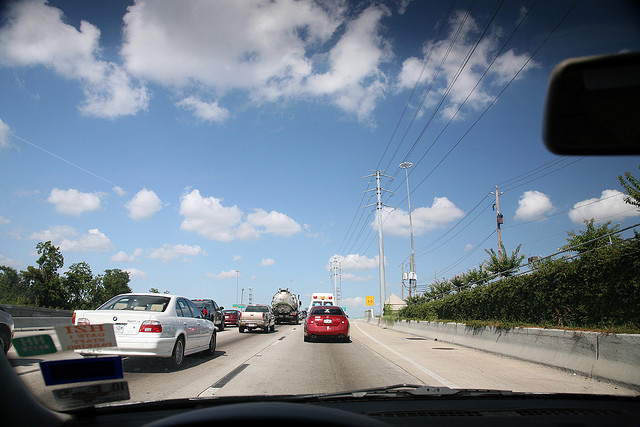
Good drivers are always aware of what's happening ahead of them, at their sides, and behind them. They'll lift off as soon as they see a slowdown ahead, avoiding the need to slam on the brakes at the last minute.
And planning ahead can even extend to combining your tasks into a single trip. Think about the shortest way to cover all the points you need to visit, consider likely traffic, and take advantage of real-time traffic alerts if your car has a navigation system.
The less time you speed behind the wheel, the less gasoline you're burning.
(3) Use your household's smallest, most fuel-efficient car
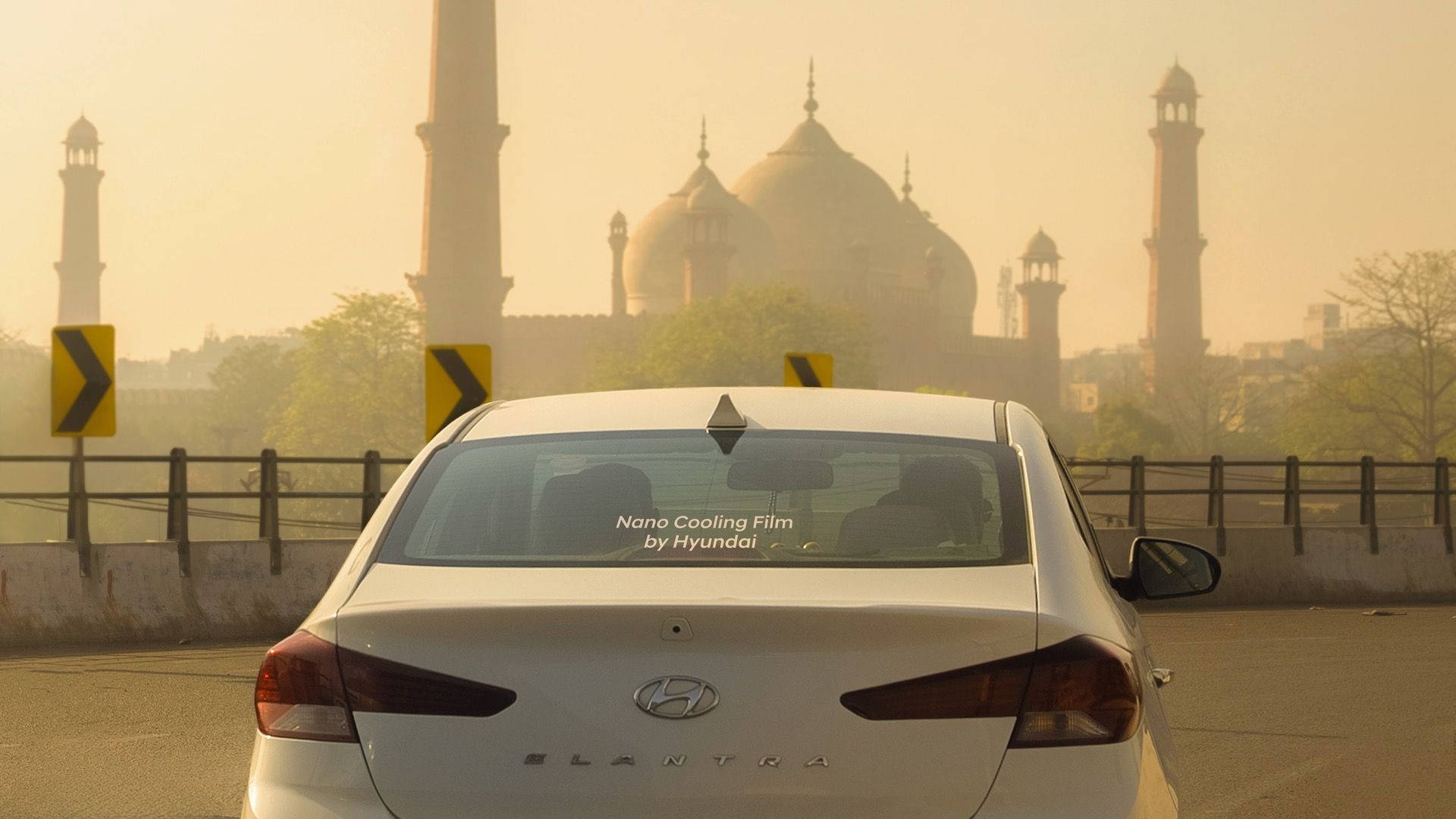
2011 Hyundai Elantra
The average U.S. household now has more than two cars. Make sure you always pick the one that's most fuel-efficient for the task you need to do.
If you have a minivan and a compact , for instance, the smaller car will likely use less fuel per mile. Rather than hopping behind the nearest wheel, make sure you take the more economical vehicle unless you have to carry five or more people or haul cargo.
The difference between a compact's 30 mpg and the minivan's 15 or 18 mpg could save you as much as 3 gallons every 100 miles.
(4) Use the cruise
Utah highway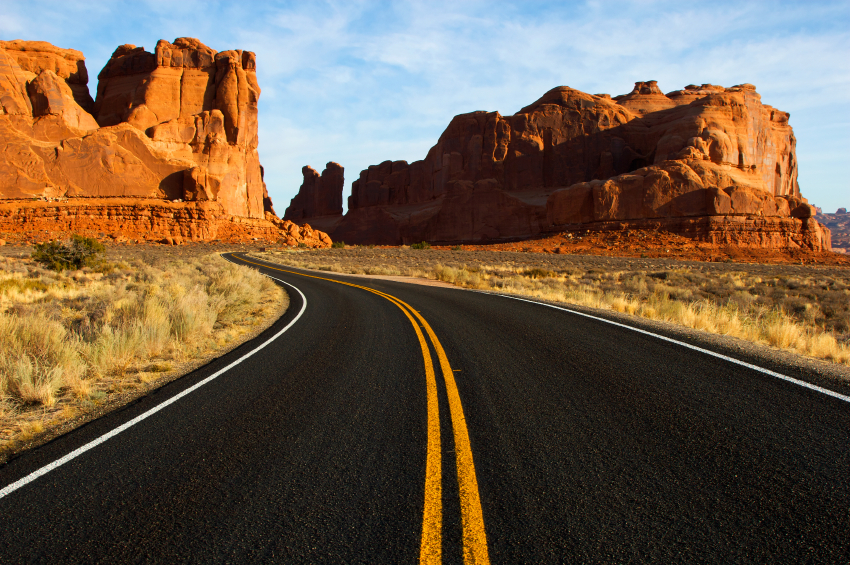
For freeway driving, cruise control offers several benefits. It can keep you from speeding, but it also saves fuel by adjusting engine speed in finer increments than your large right foot can manage.
Take advantage of the car's ability to maintain a constant speed more consistently than you can. Just don't let the reduced effort lull you into taking your eyes off the road.
(5) Conserve momentum
Every time you hit your brakes, you're turning momentum--which you burned gasoline to achieve--into wasted heat that just dissipates into the air.
If you watch the traffic ahead and lift off to let your car glide up to a stop, you won't burn gasoline right up until you brake. Some newer cars even shut off the fuel when you lift off, meaning your engine burns nothing as you roll.
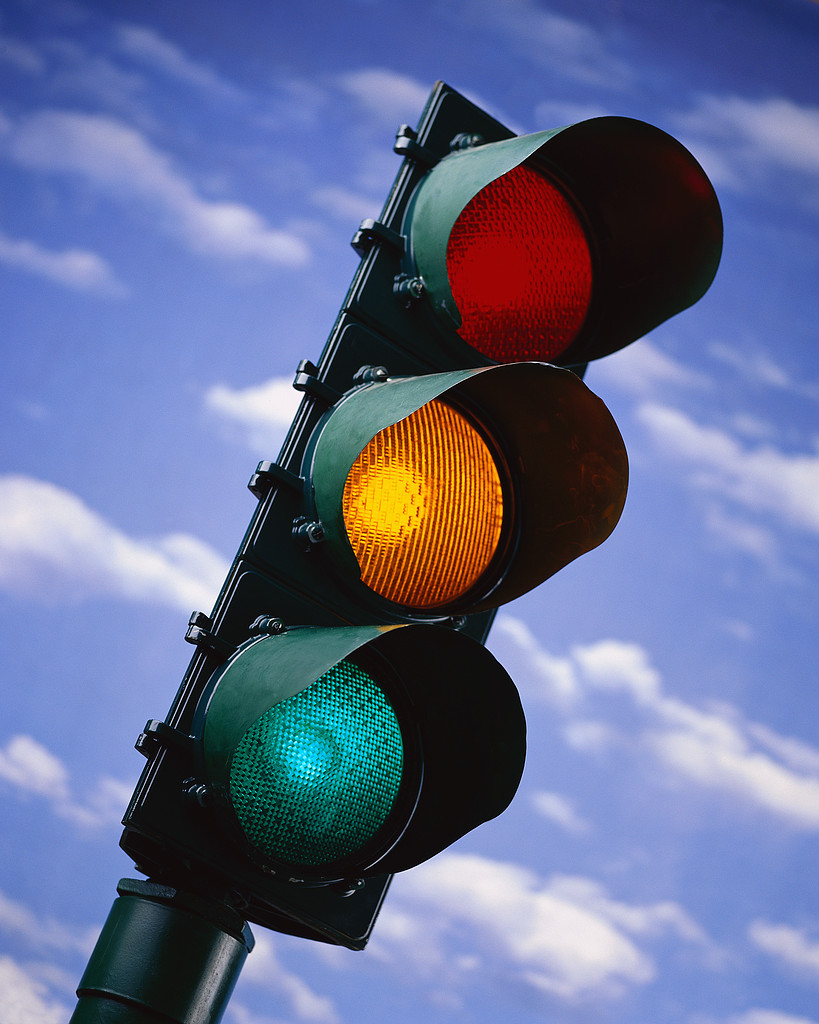
Traffic light
The fewer times you hit your brakes, the more you will squeeze the last work out of every drop of gasoline. It's the flip side of # 1: Once you've accelerated gently to your desired speed, lift off and glide when you can, and you'll save a bit more.
(6) Keep your car running right
Far too many people run for months with "Check engine" or other warning lights illuminated. Sometimes they're not serious, but they can indicate mistuned engines or mechanical conditions that are keeping your engine from running optimally.
Make sure that you keep your car serviced regularly and have any warning lights checked out. Modern cars require much less maintenance than those of past decades, so we sometimes forget that in fact they do still need some servicing.
Keep up with maintenance and your car will return the best gas mileage it can achieve.
(7) Compete with the rest of your household
If it makes sense, keep a log of mileage or use your car's built-in gas mileage calculator for individual trips. See who can get the highest mileage covering the same routes: taking the kids to school, say, or to and from a relative's house.
Tracking fuel economy for each of yours cars will make you more aware of how much gasoline you're really using--and which of your vehicles uses it more efficiently.
Knowledge is power. Use yours wisely.
+++++++++++