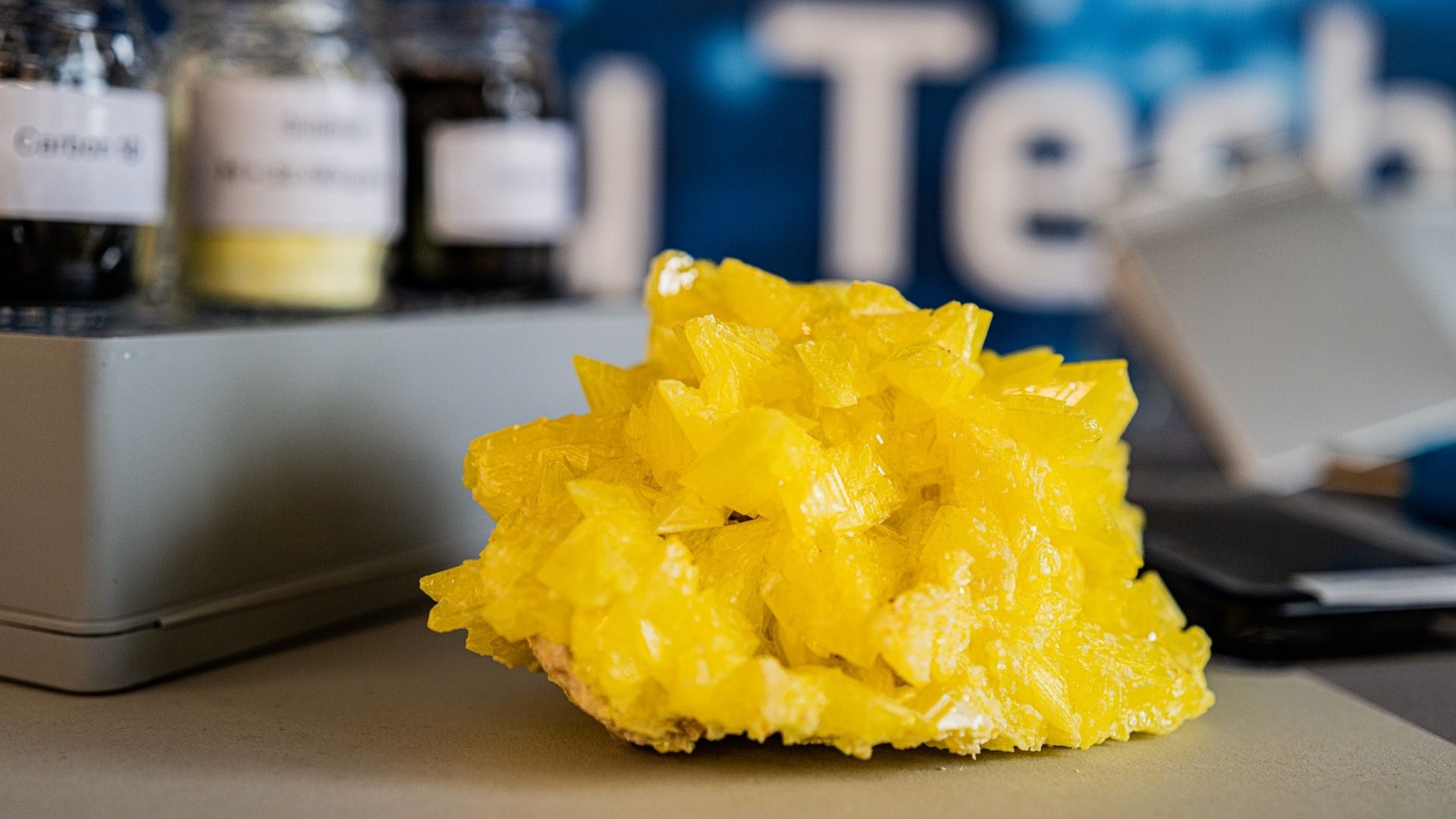
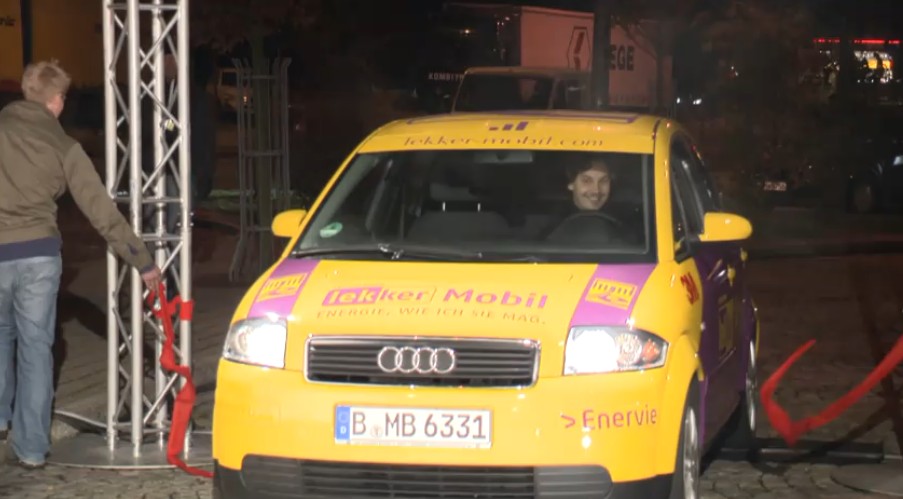
Remember the controversial 2010 Audi A2 converted by German battery firm DBM Energy?
The car hit the headlines last year when it apparently travelled 375 miles on a single charge. Powered by the latest battery technology, the car’s creators even claimed a 6 minute recharge time.
But before any official tests were carried out on the car or the battery pack to back up the seemingly outlandish claims, the car was mysteriously destroyed in a warehouse fire.
Luckily, the ‘wonder battery’ - a Kolibri alpha-polymer battery pack was not present in the vehicle during the fire, and has been put through its paces at the hands of Dekra, an independent testing organization which works heavily with the automotive industry in Germany.
According to a press release from DBM energy, testers at Dekra ran a converted A2 similar to the one destroyed at the DBM warehouse on a chassis dynamometer and were able to drive the car for a simulated 283 miles on a single charge.
Similar to a 2011 Tesla Roadster
But the tests are hardly unexpected. The DBM Kolibri Lithium-metal polmer battery pack used in the tests had a capacity of 63 kilowatt-hours, making it a little over 12% bigger than the Lithium-ion battery pack found in the 2011 Tesla Roadster.
On a full charge, the 2011 Tesla Roadster has an EPA approved range of 245 miles. The 12% bigger battery pack of the DBM converted A2 produced just over 15% increase in range.
Missing Miles?
The observant reader may note that there is a deficit of 92 miles between the claimed range of the original record-breaking DBM Energy A2 and the one tested by Dekra.
You’re right. However, the since-destroyed original vehicle included a 115 kilowatt-hour pack, more than accounting for the deficit in miles.
Accounting for the added weight a 115 kilowatt-hour pack would bring, the initial 375 mile claim looks plausible.
Is it Better?
But is the Kolibri battery any better than others on the market today?
The real answer, as with any battery technology, lies in its longevity, charge rate, power density and energy density. In other words, how long the pack will retain its ability to hold charge over time, how quickly it can charge or provide power, and how light it is.
The Next Step
Now Dekra has confirmed the Kolibri pack is not simply vaporware and seems to achieve the kind of figures its makers claim, larger scale testing is planned for later this year.
But don’t expect affordable 375 mile electric hatchbacks just yet. DBM and its battery pack will have some long term testing to satisfy before the cells even get near a major automaker.

Have an opinion?Join the conversation!
By Jim McL Posted: 4/8/2011 5:15pm PDT
Lightning killed a tree near my front yard the other morning. Happens all the time. Maybe the warehouse did not have lightning rods. Natural gas leaks cause home explosions nearly every week in the US. Stuff happens.
By JRP3 Posted: 4/8/2011 6:29pm PDT
By Chris O Posted: 4/9/2011 1:54am PDT
By Bob Wallace Posted: 4/9/2011 5:51am PDT
"a 6 minute recharge time."
If this turns out to be true that means that an EV with a 200 mile range would be good enough for almost all of us.
Take a long trip only now and then?
Drive 200 miles, stop for less than ten minutes and pick up another 160 miles (assuming 80% charge), drive those off and stop for another 160.
A 520 mile driving day with two pee stops.
By Jimza Skeptic Posted: 4/9/2011 7:23am PDT
Further in the article it states that the current results used a 63kwh battery. Then states that the reason for lower miles was because the previous car destroyed had a 115kwh battery...
Huh???? There is something either fishy with the company or someone is mixing up the information.
By srschrier Posted: 4/9/2011 9:03am PDT
By srschrier Posted: 4/9/2011 11:28am PDT
By Greg Posted: 4/9/2011 9:38pm PDT
I got $1,500 FLA's that take me 20 mi range.
Now, that's American.
Sparky
By rick Posted: 4/10/2011 11:13am PDT
By CarlNelson Posted: 4/12/2011 8:35am PDT
We were all hoping EEStor was successful.
By srschrier Posted: 4/12/2011 8:56pm PDT
By Roy_H Posted: 4/12/2011 9:32pm PDT
Claims, 5000 recharge cycles, 98kWhr version only $1400 and 770 lbs, that's 280WHr/kg.
The energy density is about on par with the Tesla battery if you do not include the cooling system. So this is not an unreasonable claim. The price is the BIG part of the announcement.
By kirk Posted: 4/15/2011 5:14pm PDT
I was hoping on EEStor or Ecolocap
Leo Motors and their Zinc air fuel cell also looks very interesting...(full scale size prototype by Sept) if they're lucky......
and of course Blacklight power and their CIHT technology if they're ever able to commercialize it...
By jeffhre Posted: 4/21/2011 10:42am PDT
no clue as to how they themselves built same. Let's get real and show a little simple logical thinking and quit believing in oil bogeymen. They have never raised a finger to prevent any electric car effort. The problem lies in the cars, a fact which Chris Paine refused to acknowedge in his hunt for villains, making him resemble Inspector Clouseau
at his clumsiest. He created more red herrings than a Charlie Chan movie. A complete and utter incompetent documentarian who invents history.
The batteries will outlast several cars, which means much lower cost even if initial cost the same. BUT
Mirka Hanemann claims the cost for his batteries will be less. And, comments notwithstanding, the
batteries have already been undergoing extensive testing for the past year. Hanemann says he is ready to manufacture NOW.
By ev enthusiast Posted: 5/8/2011 6:42pm PDT
Have an opinion?Join the conversation!