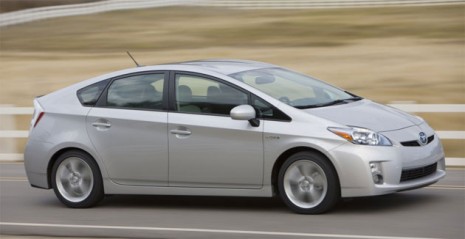
2010 Toyota Prius
With fuel prices continuing to edge higher, the cost benefit of fuel saving hybrid and diesel vehicles are now more important than ever. We recently looked at why mainstream automakers in the U.S. refuse to launch more fuel efficient diesel models locally, and now we have details of a new study that’s looked into the often mystifying break-even costs of hybrid vehicles.
For the uninitiated, the break-even cost for a hybrid vehicle is essentially the amount of time it would take to cover the cost premium of the hybrid vehicle over a comparable gas-only model, assuming a given price for gas and the number of miles driven each year. What makes the task so complicated is that the price of gas can fluctuate quite dramatically, as we’ve seen over the past couple of years.
The guys over at CarGurus have now looked at 43 hybrids from model years 2003 to 2010 and calculated their average cost premiums to be around $6,400 over a comparable gasoline model--or about 17 percent. The study found that for some hybrid models, gas prices would need to be around $7 per gallon before it would be cost effective to purchase over their gas-only equivalents.
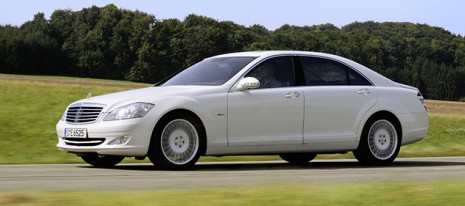
Mercedes S400 Hybrid
The results are hardly shocking as we’ve known for a long time that hybrid vehicles are often not the solution for motorists looking to save money. In fact, there are several studies with contradictory results including one that found only one hybrid vehicle currently on sale that’s worth buying if you’re looking to save money on gas bills--the Mercedes-Benz S400 Hybrid.
If such is the case, then why do so many people buy hybrids? It’s true that the large majority of people buying hybrids are looking to save money but sadly, it’s often the case that they would be better off buying a regular model or even a diesel. However, there are also a lot of buyers that flock to hybrid vehicles not to save money but rather for the image of being ‘green’.
[CarGurus via Detroit Free Press]
+++++++++++