Advertisement

Researchers: 100 Percent Green Energy Possible By 2050

 
Follow John

wind farm

wind farm

Enlarge Photo

Related Photo Galleries


See more photos »

We approach energy policy with care here, since GreenCarReports is largely about ... well, cars.

But a recent article claims it could take just 40 years to convert the bulk of the world's global energy usage from fossil fuels to renewable energy, primarily wind and solar power.

That's not only vehicle fuel, but also electric-power generation, home heating, and the many other global activities that rely on the remarkably high energy density of the hydrocarbon molecules in coal, oil, and natural gas.


Beijing smog

Beijing smog

Enlarge Photo

Researchers from Stanford University and the University of California-Davis published their analysis in the journal Energy Policy.

Measuring costs vs benefits

The main challenges, say the authors, will be summoning the global will to make the conversion. "There are no technological or economic barriers to converting the entire world to clean, renewable energy sources," said author Mark Jacobson, a Stanford professor, saying it is only a question of "whether we have the societal and political will."

Another challenge: accurately accounting for both the costs (which are comparatively easy to tally and project) and the benefits (which are tougher).

Power lines by Flickr user achouro

Power lines by Flickr user achouro

Enlarge Photo

When looking at the cost of junking half a century's worth of existing power plants, for example, how can electric utilities benefit from the tens of billions of dollars in public health costs that will be avoided in the future once those emissions are no longer being generated?

Those public-health benefits might include saving 2.5 to 3 million lives each year.

And then there's the benefit of halting climate change, not to mention reductions in water pollution, and increased energy security as more of each nation's energy is generated from within its own borders.

Step One: New generation from renewables

The authors assessed the costs, benefits, and materials requirements necessary to convert the bulk of the world's energy usage to renewable sources.
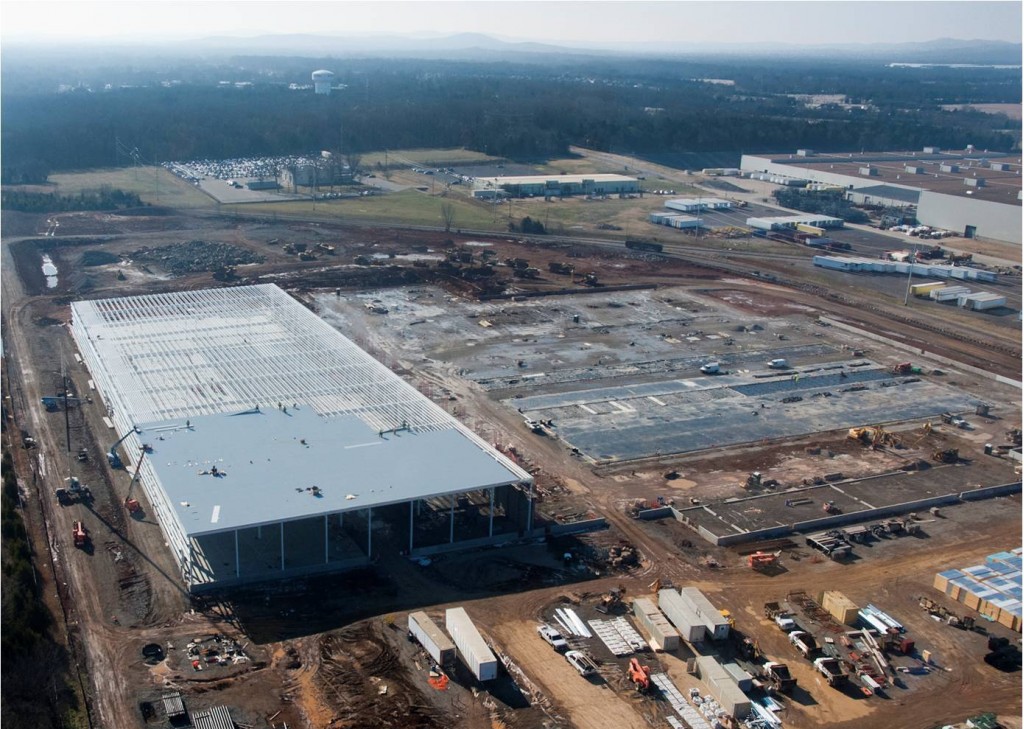
Nissan lithium-ion battery pack plant under construction, Smyrna, Tennessee, Jan 2011

Nissan lithium-ion battery pack plant under construction, Smyrna, Tennessee, Jan 2011

Enlarge Photo

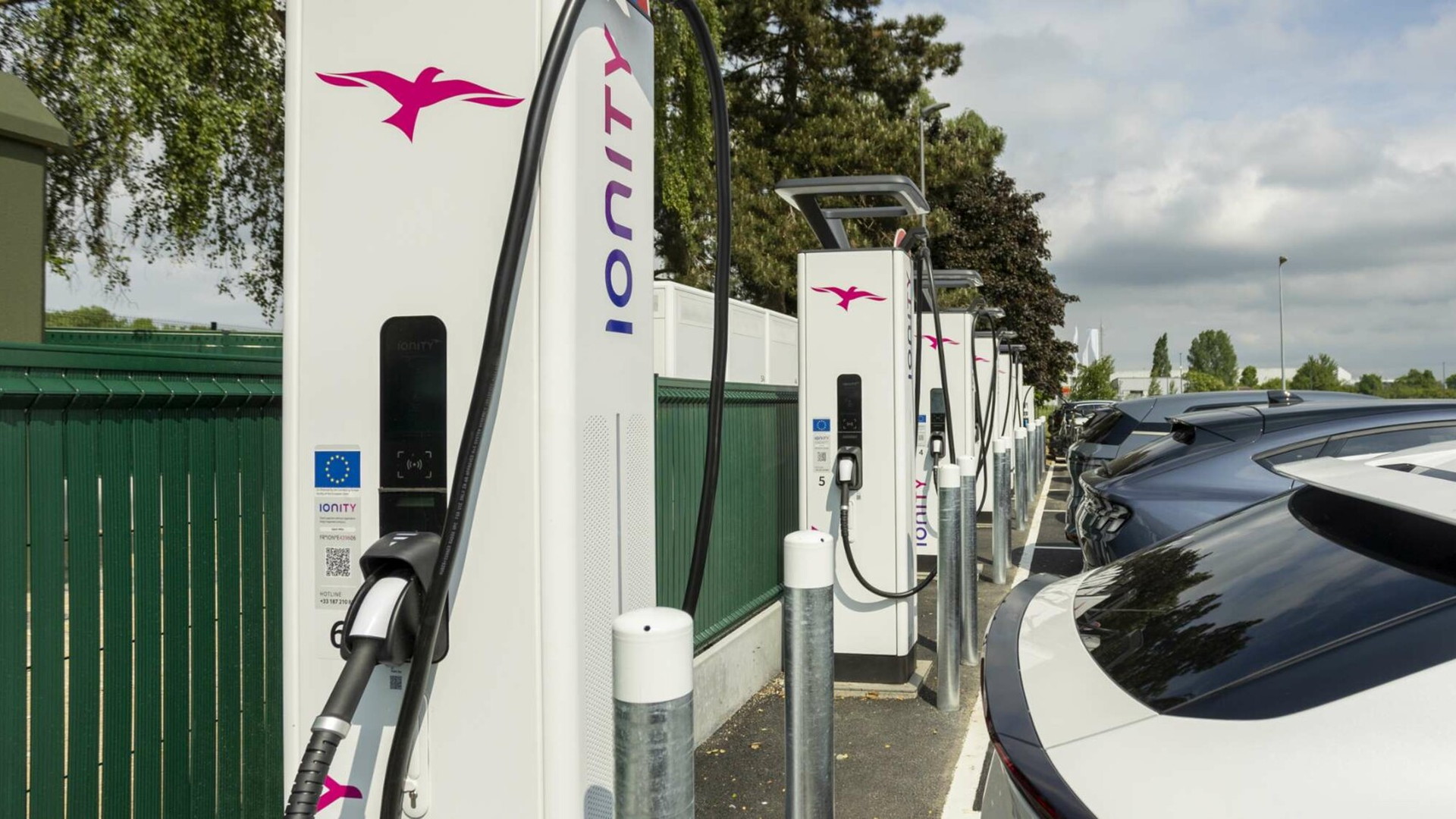
Just as it will do over the next few decades for cars, electricity will play an increasingly large role, with 90 percent from wind turbines and various forms of solar generation.

Hydroelectric and geothermal sources would each provide about 4 percent of the total, with another 2 percent from wave and tidal power.

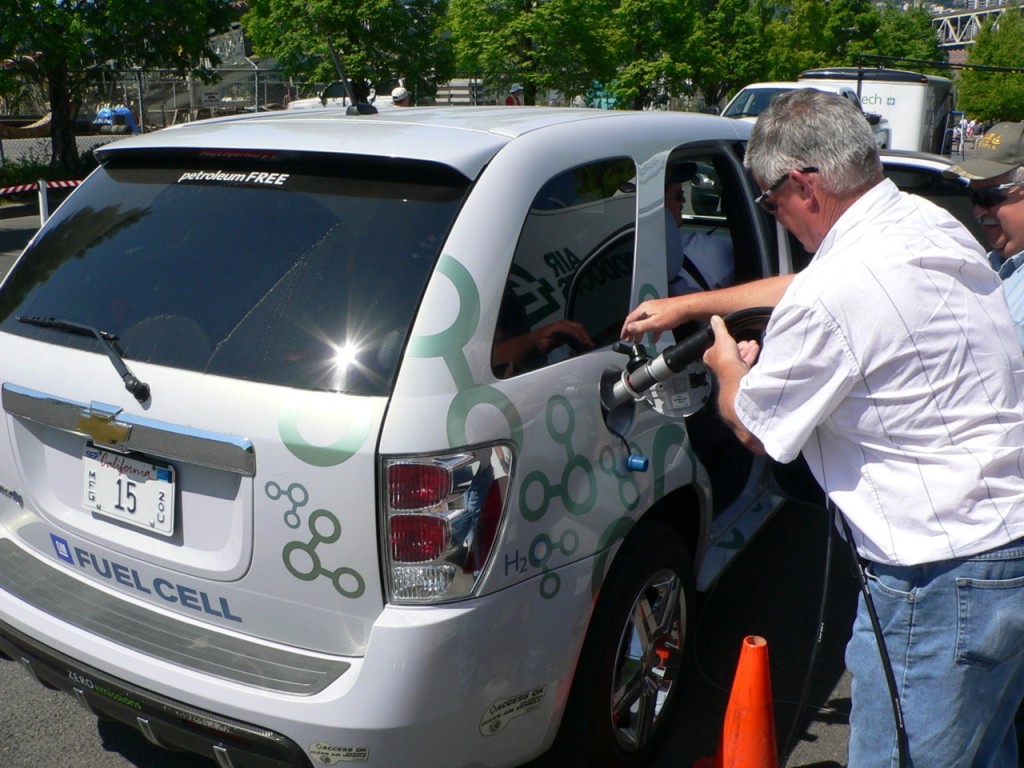
Vehicles would run either on electricity provided by the power grid, or hydrogen stored under high pressure and converted to electricity in a fuel cell. Airplanes would be fueled with liquid hydrogen. But, crucially, the hydrogen would all be produced electrically, with the electricity coming from those same renewable sources: wind, sun, and water.
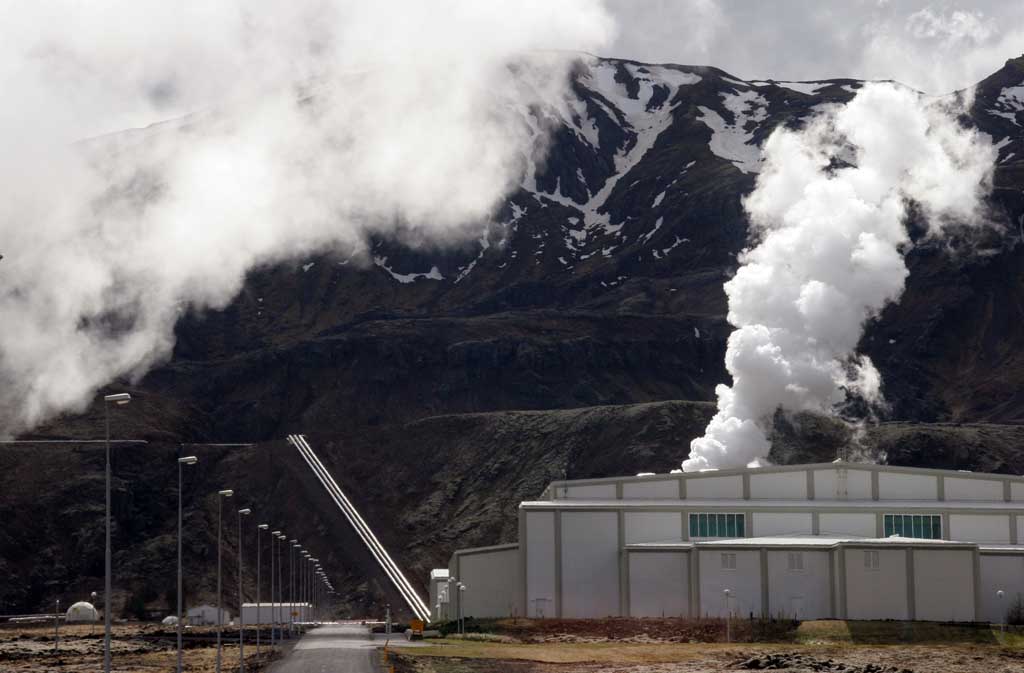
Geothermal Power Plant in Iceland

Geothermal Power Plant in Iceland

Enlarge Photo

The analysis shows that the land and raw materials needed won't pose a problem. What will be needed is a much more robust electrical grid. By 2030, say the authors, all new generating capacity can be provided by renewable sources, with no further fossil-fuel plants built globally.

Step Two: Shutting down the old stuff

Then comes the second stage: starting to convert existing generating plants from fossil fuels to renewables. That, say the authors, will take another two decades.

End game: By 2050, fossil fuels will have been replaced for more than 90 percent of global energy use. The world's citizens will do more things electrically, from heating their homes to commuting to work, and the carbon footprint of industry, transportation, and other sectors will be approaching zero.


Follow Us


Have an opinion?

  • Posting indicates you have read this site's Privacy Policy and Terms of Use
  • Notify me when there are more comments
Comments (27)
  1. Gradually, I think we will develop the will to move in the right direction. A number of states (California in particular) are already moving agressively. California has made bold moves in to renewables, but perhaps even more importantly has basically banned coal (less than 1% of CA electricity). As California leads, other states have followed and will continue to do so.
     
    Post Reply
    Vote
    Bad stuff?

  2. This is why electric cars will help us clean up our act. Because electricity can be produced cleanly, whereas coal and oil will never be 100% clean to use. And thats another reason I'm for EVs, yes the power they use now is made by burning coal but that can and will change, and yes batteries need to be better to meet the needs of everyone but that too will change, batteries will only improve, maybe will even find a better way to store energy. Electricity has the ability to change, the only thing you can do with coal and oil is try to use it efficiently but it will always be harmful to use and produce, and we will run out of them someday. We don't even need to waste our time and resources on producing hydrogen, yes you can produce hydrogen with water but electricity can be made with solar, water, wind, and someday we may discover something even better. Coal and Oil will only end up in history books, it may not happen in our life times but it will one day.
     
    Post Reply
    Vote
    Bad stuff?

  3. What a pipe dream. With the rising living standards of developing countries the use of fossil fuel will sky rocket in the next 40 years unless we have a nuclear war that wipe out a significant chunk of the world's population. The researches making this claim are from universities. They don’t earn their money like the working public but obtain grants from government to create outrages reports. As for John Briggs comments about California leadership, the only thing California will lead this nation is toward bankruptcy.
     
    Post Reply
    Vote
    Bad stuff?

  4. We have to achieve 100% renewables sooner rather than later, here's why: http://greenenergyinsiders.com/?p=1386
     
    Post Reply
    Vote
    Bad stuff?

  5. Car manufacturers have a massive incentive to convert to electricity: eliminating the staggering cost of petrol from the cost of running, a car consumers will be willing and able to pay more to the manufacturer for the vehicle. Bye bye oil.
     
    Post Reply
    Vote
    Bad stuff?

  6. @cdspeed: Fossil fuels sources will never run out. Anybody who says this does not understand economics and the basic concepts of supply and demand. As the quantity of a particular fossil fuel able to be supplied approaches zero, the price has to rise with an increasing slope. It is an asymptotic problem, it may look like it will go to zero but never actually will. This will happen naturally as well, no need for government to artificially raise the prices. As this happens it gives great distributed benefits to companies and individuals to research and come up with alternatives to the rising price of a fossil fuel. Just look at when the price of a barrel of crude oil shot to $4 a gallon: it naturally fueled the most alternative energy response ever that no government could ever induce.
     
    Post Reply
    Vote
    Bad stuff?

  7. I believe the "keepers" of the status quo - oil companies, private utility companies and the rest have to be leading the change. I would like to think a grassroots movement could change this, but I believe the government(s) of the world have to give more incentives for this conversion to pry the grip of the oil companies from their current piggy bank to a greener paradigm shift.
     
    Post Reply
    Vote
    Bad stuff?

  8. Here's the point: they "greatest generation" had spoiled children (the baby boomers). We have to wait for them to die before anything will really change. The boomers didn't fund their future, they paid for old age of their parents with a greater than 1 worker to 1 retiree leverage. They also figured out how to build things up by consuming ever greater amounts of energy. Until they die off the rest of us don't have enough votes to really change anything.
     
    Post Reply
    Vote
    Bad stuff?

  9. Here's the point: they "greatest generation" had spoiled children (the baby boomers). We have to wait for them to die before anything will really change. The boomers didn't fund their future, they paid for old age of their parents with a greater than 1 worker to 1 retiree leverage. They also figured out how to build things up by consuming ever greater amounts of energy. Until they die off the rest of us don't have enough votes to really change anything.
     
    Post Reply
    Vote
    Bad stuff?

  10. I think it's a nice goal. But 100%? Really? I can't envision massive passenger planes flying on electricity or renewable fuel like bio-diesel. ("bio-JP7"???) And what about the world's military forces? Fighter jets, main battle tanks and armored vehicles... I don't see any research in how to make those even "fuel-efficient" leave alone run on "earth-friendly" fuels!
    I suppose it CAN be done by 2050 -- a WHOLE generation away! But I just don't see the world's governments having the "political will" to do so.
     
    Post Reply
    Vote
    Bad stuff?

  11. @Jim: Or as a close acquaintance in the oil & gas industry told me, "We can provide all the fossil fuels you need for the next century. Just tell me how much you're willing to pay, and how much environmental degradation you can tolerate, and we'll tell you how much."
     
    Post Reply
    Vote
    Bad stuff?

  12. Nonsense, Every country that has gone down this yellow (Or grteen if you will) has reversed course. Germany,France,Holland,Spain - all have had to reduce the level of subsidies to green energy (Usually 4 times the rate of oil&Gas) in order to prevent economic disaster. The sad fact is, at this present time in our technology, we still have to have a large non-green infrastructure available to take up the slack for when the wind doesn't blow and the sun doesn't shine. We will soon not be allowed to turn good food into fuel with ethanol plants in order to avoid food riots. Untill the advent of cold fusion we are stick with the Century of fossil fuels we have left in reserve.
     
    Post Reply
    Vote
    Bad stuff?

  13. hmmm...didn't read the Stanford article but the idea of staking claim to saving 2.5 - 3 million lives a year is downright naive. Certainly a sea-change such as this would impact lives but people will die inevitably and the prolonging of a life (which is what they should be articulating) is both a benefit and a burden. How will we house and feed, this increasing population? If you're taking a macro view, you can't just cherry pick the positive impacts and use them to bolster your case.
     
    Post Reply
    Vote
    Bad stuff?

  14. FWIW, my son is dedicated to essentially the same goal. He insists (privately and publicly) that it's doable--but rather more a question of will, political and otherwise. See www.rmi.org
     
    Post Reply
    Vote
    Bad stuff?

  15. @ Jim, what I was basically pointing out was that electricity has the ability to change and upgrade to be made through cleaner sources. And yes our oil supplies will dry up, oil is not an unlimited resource. The biggest issue lies in its cost, as supplies go lower and lower the price will go higher and higher. I've always tried to look at both sides of the coin, how about you? And let me ask you, what do you plan to drive when gasoline gets so expensive you can no longer afford it?
     
    Post Reply
    Vote
    Bad stuff?

  16. Nuclear is not entirely skipped. So I'm skeptical the feasibility without taking account into this energy.
     
    Post Reply
    Vote
    Bad stuff?

  17. @Paul. Paul just because you "can't envision massive passenger planes flying on bi-diesel" doesn't mean it's not possible. Boeing is doing that already. Today. Not a pipe dream. It's 100% practical.
    http://www.forbes.com/2009/06/17/biofuels-biodiesel-boeing-intelligent-technology-biofuels.html
     
    Post Reply
    Vote
    Bad stuff?

  18. Because of cost and the inertia of entrenched interests, no significant improvement will take place in this area, except in response to a crisis. The Oil Wars of 2050 should do the job, but it will not be pretty.
     
    Post Reply
    Vote
    Bad stuff?

  19. The fact that this is published in a journal called "Energy Policy" tells you an awful lot. Also, this:
    "There are no technological or economic barriers to converting the entire world to clean, renewable energy sources," said author Mark Jacobson, a Stanford professor, saying it is only a question of "whether we have the societal and political will."
     
    Post Reply
    Vote
    Bad stuff?

  20. Just a note on needing a better electricity grid. Currently in Indiana smart grid technology is not being used because the state has not approved even running a small portion of the state for testing. Hence better electric grid deployment at least in Indiana is held up by the state government. I imagine other areas will run into the same problem.
     
    Post Reply
    Vote
    Bad stuff?

  21. I recommend anyone interested in this topic to read this paper -
    From the Proceedings of the IEEE (including introductory articles):
    "Keeping the Energy Debate Clean: How Do We Supply the World's Energy Needs?"
    http://www.eleceng.adelaide.edu.au/personal/dabbott/publications/PIE_abbott2010.pdf
    -Regards.
     
    Post Reply
    Vote
    Bad stuff?

  22. Sorry - Wont happen. Its all very well to do a spreadsheet and figure out the amount of windmills etc needed to equal todays power usage. However, I have never seen a single one of these studies address the fact of the materials needed to build these green energy items. Check out how many pounds of Neodymium is needed for a Prius battery. Check out how many hundreds of pounds of Neodymium are needed for a wind turbine. Now check out how much Neodymium is available per year that comes out of the ground. Now check out the fact that rare earth metals (Neodymium is one) are in severe under supply versus demand. And that will not change going forward. There is not enough of these in the ground to do the things they want. Oh, and many deposits of rare earths also contain radiation making the removal and purification an ecological nightmare.
    Good luck with that one.
     
    Post Reply
    Vote
    Bad stuff?

  23. Some of this is political will, but if you think that alternative sources will replace the 166 exajoules of energy input that oil currently provides, complete with working support infrastructure, I think you may need some remedial arithmetic lessons. Power use worldwide is going to decline dramatically as oil output declines and our costs for liquid hydrocarbons increases - like it or not. Is it the end of the world? Only for those who starve because of it. Humanity, however, will likely survive.
     
    Post Reply
    Vote
    Bad stuff?

  24. It is too bad that "Green Car Report" forgot to link to the part 2 of the study. They would have found out that the "cheap" source of energy storage that was going to be used are car batteries or Vehicle to Grid storage. Essentially, car owners will be supposed to pay big bucks for the battery ( currently a cool 9000 $ for a Leaf battery), but not use their battery pack too much (10,000 miles per year for 10 years, commercial drivers will appreciate...) and be kind enough to sell it back to utilities @ only 10 or 20% residual value when there is still 80% capacity available.
    This is the missing link for part 2
    http://www.stanford.edu/group/efmh/jacobson/Articles/I/DJEnPolicyPt2.pdf
    Go and see David Mackay's work if you want to read a self contained and consistent document about energy transition scenarios. http://www.withouthotair.com/
     
    Post Reply
    Vote
    Bad stuff?

  25. "100 Percent Green Energy Possible By 2050"
    If people wish to see a large part of their population freeze during the winter months, than yeah it's a great idea. Ask Scotland how green energy worked for them this winter.
     
    Post Reply
    Vote
    Bad stuff?

  26. I live near Hamilton Ontario(Steel Town). Just wondering how we are going to make steel with windmills. Aren't windmills made out of steel.
    Hydrogen is not realistic. Decreasing oil supply will dramatically alter humanity and many will starve. Try and feed eight to ten billion people with no oil. That would be a miracle.
     
    Post Reply
    Vote
    Bad stuff?

  27. Storing energy as hydrogen, then reconverting it in fuel cells may make sense for centralized nodes. E.g. a wind farm complex. LH2 is a difficult material to handle safely, and while light weight, has a very low energy per cubic foot. Gaseous H2 is easier, (but heavier) to store.
    Converting surplus energy to gasoline may be an option. It makes sense as we have the infra-structure to handle gasoline.
    Ethanol from food crops is just stupid. Ethanol from cellulose shows promise, but it will be a niche market. Coal gas (CO + H2 CH3OH + assorted hydrocarbons) from ag waste, with the carbon going back to the soil is also a possibility at least for ag regions.
    Methanol makes the most sense as a direct fuel replacement for gasoline. Much safer to handle, can be moved around in pipes. Many engines can use it with either no or minor modifications.
    At present it we get more bang for our buck by reducing energy use, than we get by developing new energy sources.
    Some of this is social engineering: If we encourage firms to developing housing onsite or near by, we potentially can reduce the commute of many people. Smaller cars use less fuel.
    Some of it is building standards: In Canada we use as much energy for heating as we do for transport, and we use a lot for both, being a large cold nation.
     
    Post Reply
    Vote
    Bad stuff?


Have an opinion?Join the conversation!

Advertisement
Advertisement

Find Green Cars

Go!

Advertisement

 
© 2013 Green Car Reports. All Rights Reserved. Green Car Reports is published by High Gear Media. Send us feedback. Stock photography by Homestar, LLC.