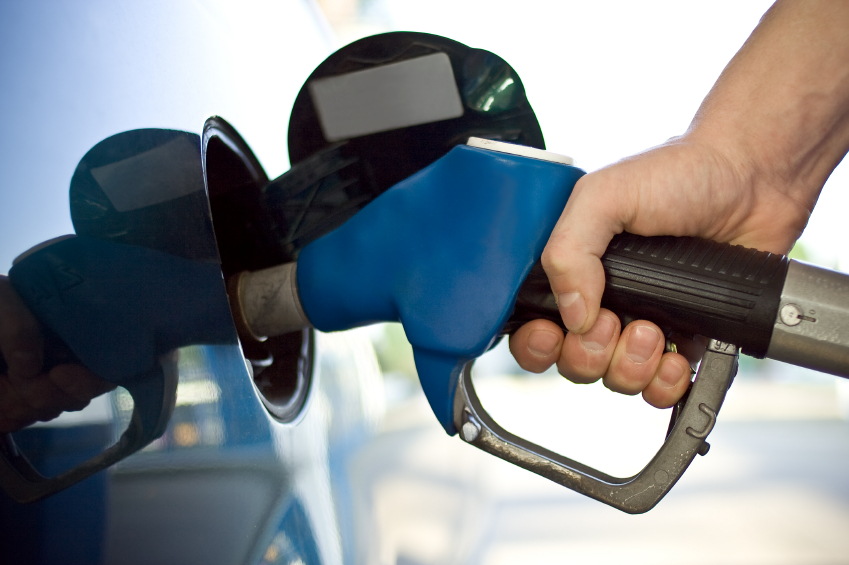
Gas pump
Forget hydrogen. You can mostly ignore natural gas. Even diesel may not grow much.
The two fuels that will largely power us for the next 20, maybe 30, years are already here. They are gasoline (with some ethanol in it), and electricity.
That's it. That's all she wrote.
First, gasoline
Those hallowed green visions of a gasoline-free future in our lifetime will not come to pass. We've spent a century building a global economy around oil, and it will likely take most of another century to change it.
In other words, gasoline will power some of our vehicles for a long, long time to come. It won't power 90-plus percent of our vehicles, as it does today--but far more fuel-efficient gasoline and diesel vehicles will be the single biggest contributors to reducing vehicular energy use for at least the next 20 years, probably longer.

2011 Chevrolet Volt late-night recharging in Little Rock, Arkansas, during July 2010 Freedom Drive
Then, grid power
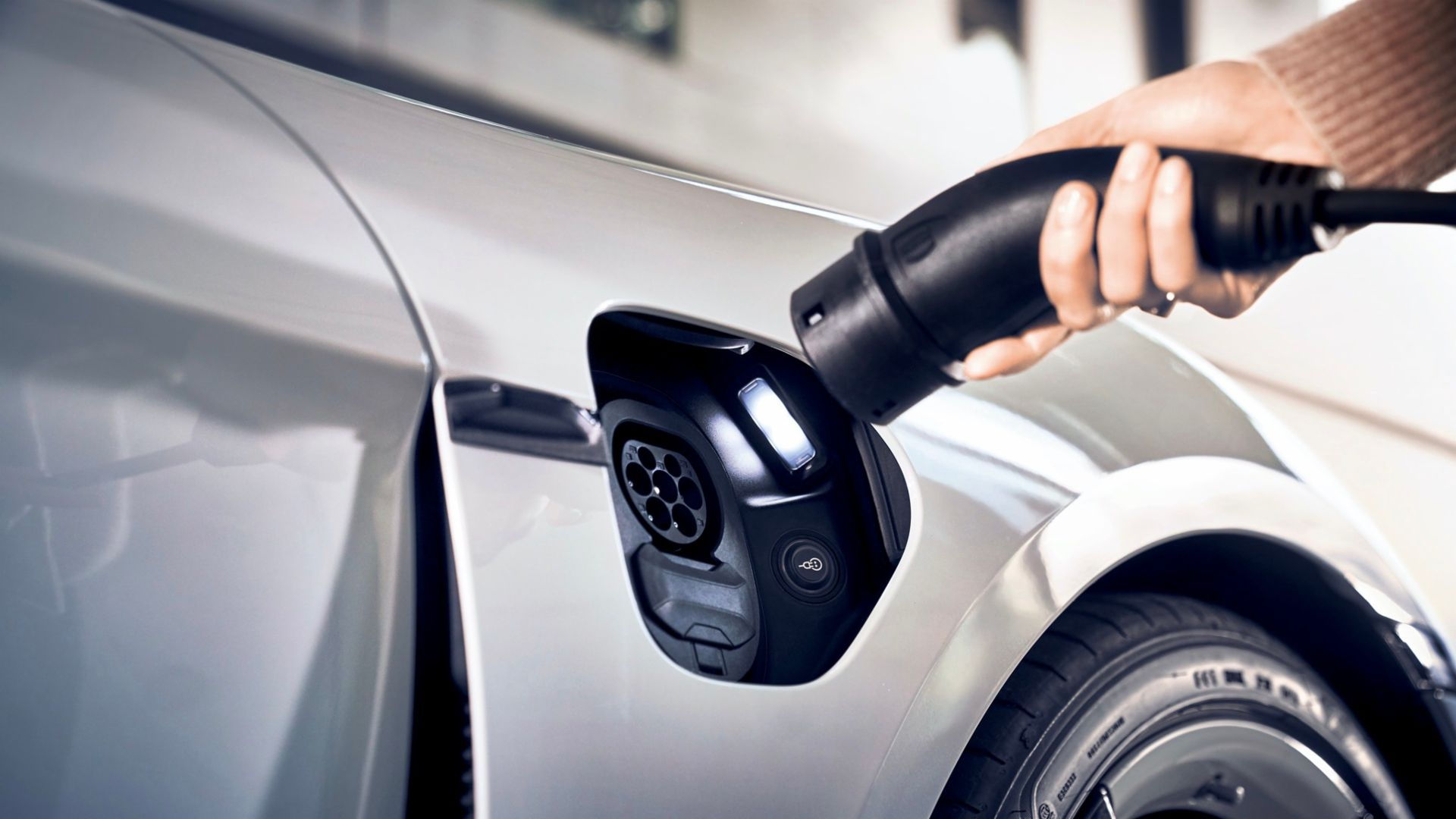
After that comes electricity. It's widely distributed, the cars that use it are quite pleasant to drive, and within 10 or 15 years, the battery technology will have improved to the point that compact electric cars will have ranges of 200 miles or more. That's enough to make them vastly more acceptable than today's common ranges of up to 100 miles.
Natural gas will probably increase its share, but it may be limited in use, and possibly regional. India and Iran are increasing their production of natural-gas vehicles (NGVs), and the U.S. has domestic supplies in some regions and pipelines across much of the country.
In North America, however, it may become more common for large commercial vehicles than for passenger cars. Globally, Pike Research projects that sales of NGVs will expand at a compound annual growth rate of almost 8 percent, to total 20 million vehicles by 2016.
Goal: carbon neutrality
The end goal should be getting as close as possible to fuels that have a neutral "wells-to-wheels" carbon footprint, which is to say they release no net carbon into the atmosphere.
Today, we're a very long way from that point. But getting solid data on the wells-to-wheels carbon impact of driving one mile using different fuels (and working toward promoting fuels with the lowest carbon impact) is the right way to start.

gas pump
Today, with U.S. fleet average fuel economy around 25 mpg, a mile driven on electric power is virtually always lower-carbon than one driven by burning gasoline. And that will remain the case until U.S. fleet average fuel economy doubles to 50 miles per gallon, when the gasoline car is better than power from a handful of the dirtiest grids.
But that change will take decades. And that's a major reason plug-in vehicles of all sorts (plug-in hybrids, range-extended electric cars, and battery electric vehicles) make the most sense for the next decade or two.
All about the fuel
Right now, more than 90 percent of a vehicle's carbon footprint is the fuels involved in powering it. According to M.A. Weiss et al., in their 2000 report from the MIT Energy Laboratory, On the Road in 2020: A Lifecycle Analysis of New Automotive Technologies, fully 75 percent of a vehicle’s lifetime carbon emissions come from the fuel it burns over its lifetime.
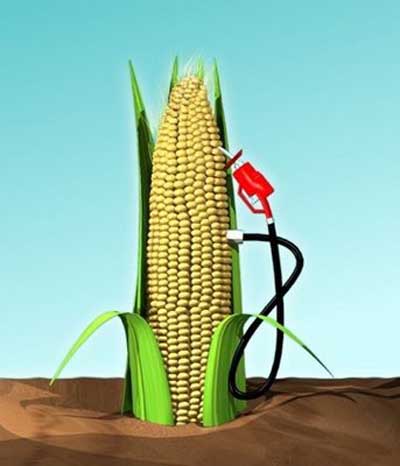
Corn Ethanol Pump
Another 19 percent is from the production of that fuel. Extraction of the raw materials that make up the vehicle adds another 4 percent, and only 2 percent of lifetime carbon is due to the manufacturing and assembly process.
So the fuel used to power the vehicle is key.
Who are the players?
In our view, the two most viable types of fuels for the medium term are petroleum products (gasoline, diesel, natural gas) and electricity, which already has a distribution system in place.
As for hydrogen, it has enormous challenges to overcome: There's no distribution infrastructure, and it takes enormous amounts of energy to separate out hydrogen molecules from the substances they bind to, whether the source is water, natural gas, or something else. That makes its wells-to-wheels energy balance highly dubious.
Back to gasoline. In the future, it may well be blended with ethanol in higher proportions than it is today. The maximum since 1978 has been 10 percent ethanol, but the EPA last October approved a 15-percent blend (E15) for cars from 2007 to the present, and just last week extended the approval to 2001-2006 models.
But don't expect that to happen any time soon. Carmakers, small-engine manufacturers, and others launched a lawsuit asking that the first approval be overturned.
Over time, we think ethanol will become part of our liquid-fuel mix--perhaps at higher proportions yet, as much as 20 percent. But as currently manufactured, ethanol has several major issues to overcome.
Gas pump
Ethanol
Currently, the corn-based ethanol used in the U.S. is not economically viable without massive government subsidies (the same could be said for electric vehicles). Gasoline prices will have to rise substantially before it becomes competitive.
Nonetheless, in 2007, the U.S. Congress passed a mandate that the U.S. must use 36 billion gallons of ethanol by 2022. It's not entirely clear how this will happen.
There are also serious questions about the wells-to-wheels carbon balance of corn ethanol, as well as other concerns over its water usage (as high as 8 gallons per gallon of fuel), displacement of food crops, and other concerns.
Canes & grasses
The sugar-cane ethanol used in Brazil is now twice as productive per acre, but import tariffs prevent us from buying it for U.S. gasoline supplies.
The ultimate promise lies in biomass ethanol from things like switchgrass, as well as custom designed algae that gain energy from photosynthesis and actually excrete ethanol compounds. All of those technologies, however, are still in the research and prototyping phase, and they're unlikely to have a noticeable impact for 10 years or more.
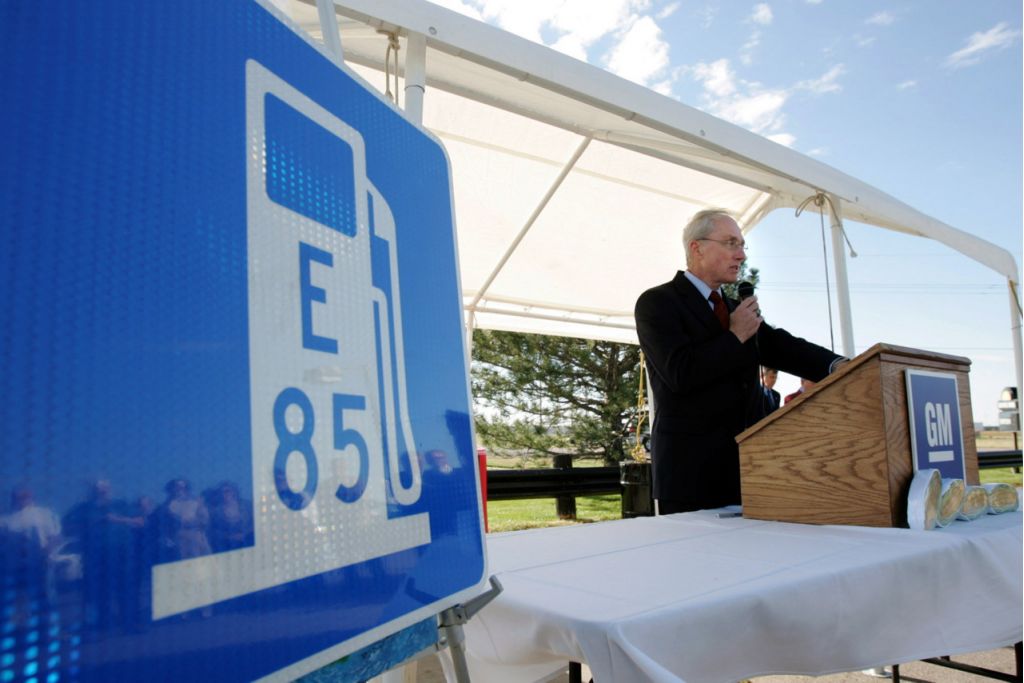
GM E85 presentation
Automakers, however, like ethanol. Adapting vehicles to run on it is far less costly than engineering electric vehicles from the ground up, and consumers don't have to change their habits. They just have to get used to fewer miles per tank, since a gallon of ethanol contains less energy than a gallon of gasoline.
Electricity better on carbon
At the moment, electricity (even from coal-burning powerplants) has the best carbon footprint per mile driven. Compared to a 25-mpg car, fueling an electric car even on the dirtiest power grid in the country emits less carbon per mile than burning gasoline.
When you double the bogey to 50 mpg, you get a handful of edge cases where burning gasoline is marginally lower-carbon than driving the same mile on grid power.
A 2007 study jointly authored by the Electric Power Research Institute and the Natural Resources Defense Council provides the details. The first volume looks at greenhouse-gas emissions, the second volume at U.S. air-quality analysis.

2011 Ford F-150 EcoBoost
Engines get way less thirsty
By 2020 or before, electric cars are likely to be cost-competitive with gasoline vehicles (depending on oil price, of course!) as the price-performance of lithium-ion cells falls at 6 to 8 percent a year, as it has in the consumer Li-ion cell market since 1989.
It's worth noting, however, that gasoline and diesel vehicles will get far, far more fuel efficient with significant doses of advanced technology: turbocharging, direct injection, variable valve timing, and better transmissions.
J.D. Power predicts direct injection will be fitted to 25 percent of U.S. vehicles in 2015; industry analyst IHS Automotive predicts the number will be 38 percent the following year. Almost 9 out of 10 vehicles will have variable valve timing in 2016, IHS says, and turbochargers will comprise either 12 percent (IHS) or 25 percent (J.D. Power) by then.
The full-size sedan of 2025 (e.g. Ford Taurus) might weigh one-third less, have a drag coefficient as low as 0.22, and be powered by a 1.8- to 2.0-liter direct-injected turbocharged engine putting out 300 horsepower--which could conceivably return 35 to 40 mpg in regular use. That's just half the carbon output of a similar car today
What that means is that gas cars will get more efficient fairly quickly, and that's the bar that electric vehicles will have to compete with in 2020 and thereafter.
The infrastructure question
We've spent 100-plus years building a retail distribution infrastructure for gasoline to fuel cars, and that's the strongest.
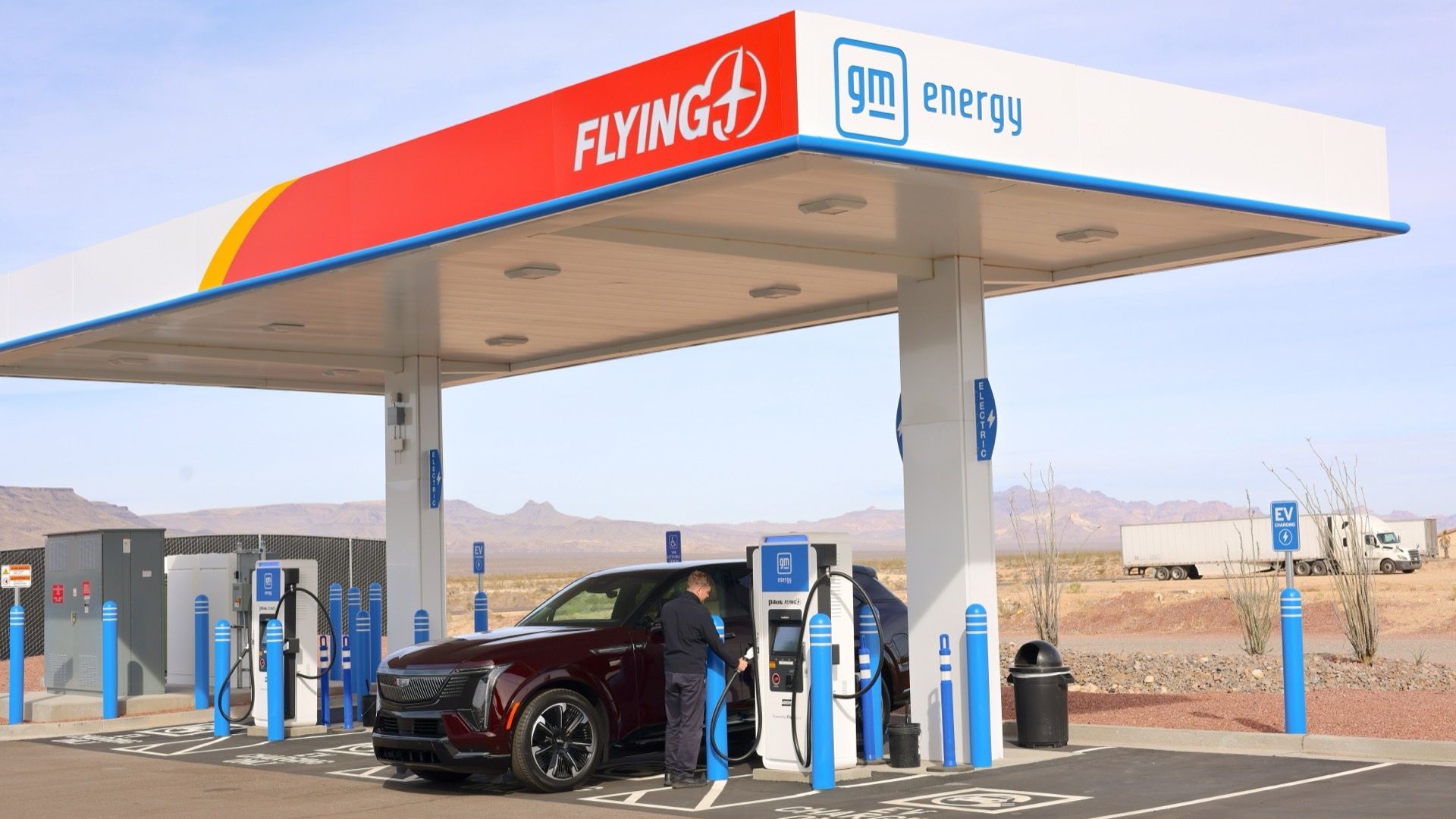
After that, all households, multiple dwellings, and businesses at least have 120-Volt electricity widely available onsite. While 240-Volt power is needed for recharging battery electric vehicles in practical timespans (6-8 hours vs. 12-16 hrs), that's a much easier problem to solve than building a brand-new distribution infrastructure for another fuel.
Gas pump
Natural gas probably has the most potential beyond electricity, since it's widely used and there is at least some household availability in some regions. Building natural-gas fueling stations with any kind of comprehensive coverage, however, would be a major challenge.
Some analysts expect NGVs to be limited to certain duty cycles: Long-haul truckers who can fill up at regularly spaced Interstate rest stops, for example, or local commuter vehicles in areas like the LA Basin.
Ethanol tough, hydrogen very tough
Ethanol in its most concentrated E85 form cannot be distributed through the current gasoline system (it eats rubber seals and other components, as it does in engines that aren't designed for Flex-Fuel use) so it must be carried in separate trucks, kept in separate tanks, etc.
That's one reason it's much easier to distribute ethanol blended into gasoline (as E10 or the upcoming E15 that the EPA has just approved for certain models) than as E85. (The number after the "E" indicates the overall percentage of ethanol in the liquid.)
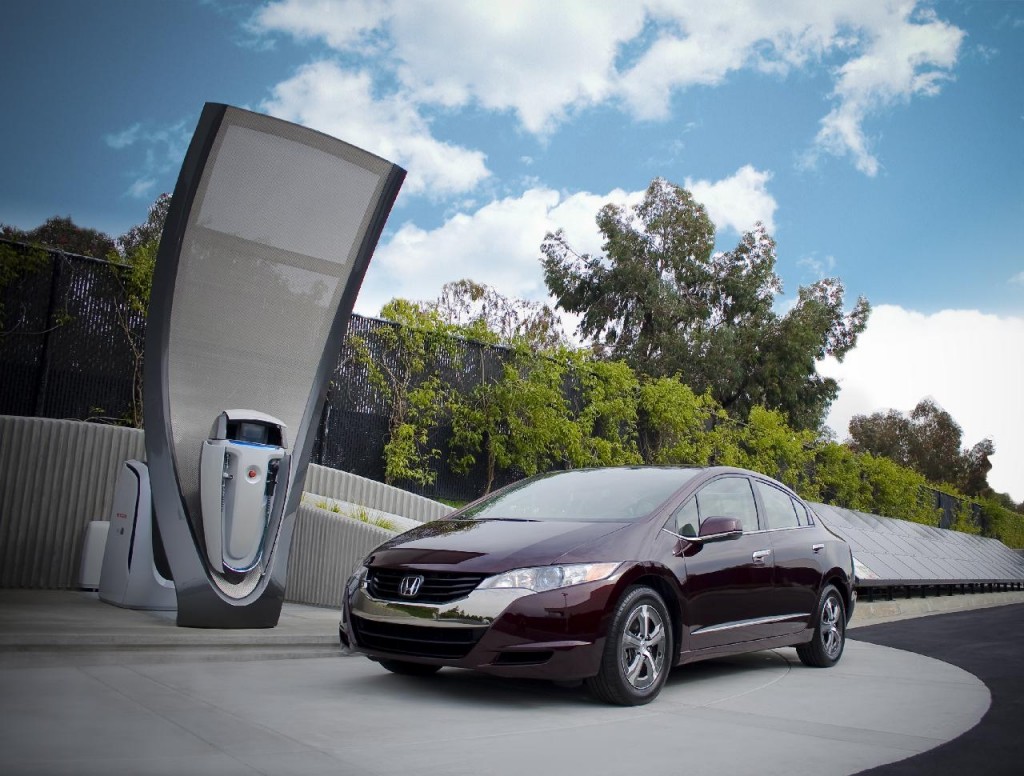
Honda Solar Hydrogen Station prototype with 2010 Honda FCX Clarity hydrogen fuel-cell vehicle
And hydrogen, though energy-dense and emissions-free, has the worst distribution problems of all. General Motors found that it took more than 2 years and close to $2 million to get permission to build a single hydrogen fueling station in White Plains, NY.
Multiply that by the 15,000 stations you'd need for minimal national coverage, and you're getting into the tens of billions of dollars--without even asking where the hydrogen might come from.
In other words, nothing's easy.
Which wins on price?
It's almost impossible to predict the relative costs of driving a mile on gasoline, a gas-ethanol blend, natural gas, or grid power 10 years hence. That's because it largely depends on the price of oil, which will make the default fuel--gasoline--more or less attractive.
In the short term, government subsidies play a large role in kick-starting sales of alt-fuel vehicles. The Bush and Obama Administrations have instituted various programs of low-interest loans and grants to encourage investment in fuel-efficiency and lithium-ion cell technology.
There are also tax credits up to $7,500 for buyers of plug-in cars, and state, regional, and corporate entities offer various additional incentives on top of those.
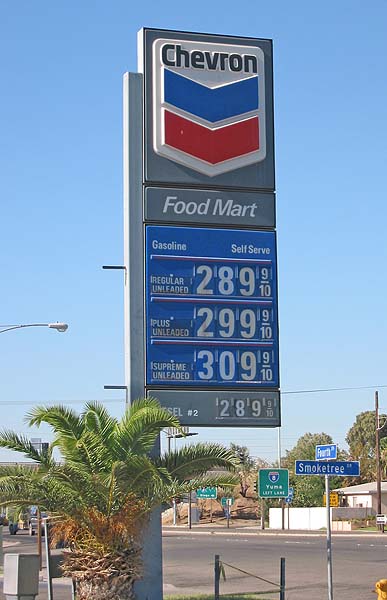
gas Prices
If oil rises gradually but steadily, there may be less desire by consumers to switch than if it spikes as it did in 2008, then collapses. Some evidence indicates that the volatility of oil-price change is more important than the actual level. Think of it as the "frog in a pot of cold water" theory.
No energy plan
In the U.S., what's lacking is a long-term vision on how we can reduce our dependence on oil for transportation. Decades from now, for example, oil may have higher and better uses (like being made into plastics) than being burned for vehicle fuel.
Right now, ethanol backers (largely Midwestern agricultural interests) have one vision, natural-gas backers (e.g. T. Boone Pickens) have another, the growing electric-vehicle lobby has a third, and no coherent policy exists to coordinate it.
We have no national goal, no space-shot effort, no pledge to cut energy use 5 percent in one year and 30 percent in a decade. The best time for such a goal--when the nation was willing to do anything in the weeks after 9/11--was utterly wasted by an administration that urged its citizens only to resume shopping as normal.
So?
Perhaps the free market will sort it out in the end. But that would be easier with accepted metrics to evaluate the results of tests, new technologies, and incentives. If policymakers and the public could weigh the efficiency of alternatives, look at results, compare and weigh the costs, results, and prognoses, we might make progress quicker.

Toyota Prius at US Capitol, by Flickr user Izik
But the current political climate in the U.S. would seem to preclude enactment of a comprehensive long-term energy plan. Instead, we now have various mandates (e.g. the ethanol requirement), subsidies (e.g. the plug-in tax rebates), research programs, and other Federal and state regulations.
Instead, we're likely to see a slow evolution to more efficient gasoline vehicles. Plug-ins will increase in numbers, reaching noticeable percentages by the end of the decade, and natural-gas may be an option for some buyers. But if you're an average U.S. driver, don't expect to give your gas station a miss any time soon.
[Automotive News (requires subscription); Pike Research]
+++++++++++