Quick Charge Stations To Become Primary Means For Away From Home Fill Ups?


2011 Coda Sedan prototype - charging socket

2011 Coda Sedan prototype - charging socket

Enlarge Photo

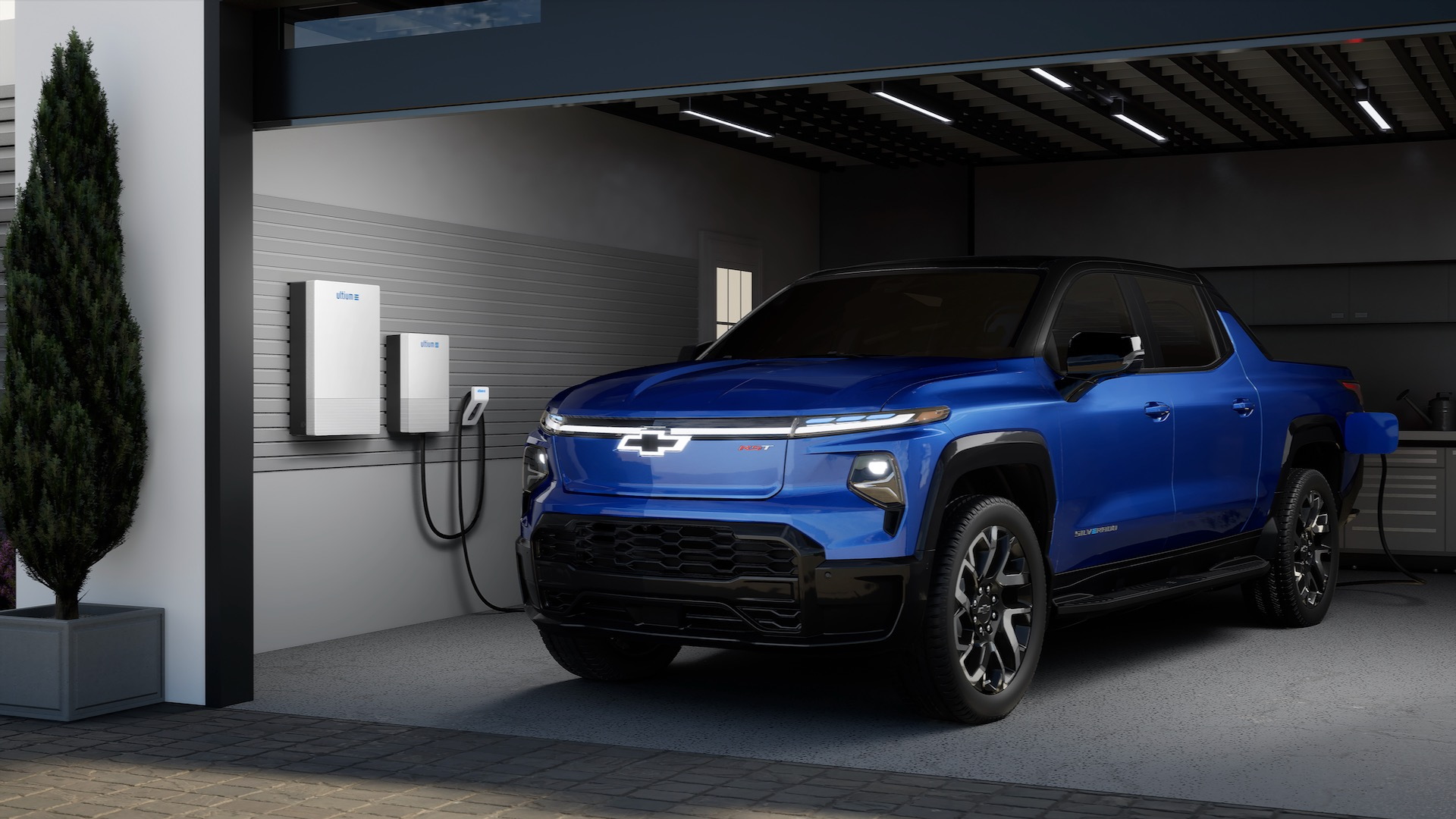
What type of EV infrastructure are we likely to see in widespread use in the coming decade?  Several options exists including fast charging stations, 230 volt curbside plug-in locations, battery swapping stations, inductive charging, and the list goes on and on.  So which one will likely dominate our roads?

The answer to the question depends on who you ask, but several industry experts predict that the majority of support for EVs will come in the form of fast charging stations.  These stations will allow EV owners to charge a vehicle from empty to 80% capacity in as little as 20 minutes.  Many EVs are capable of fast charging and could take advantage of this type of station.

Better Place, known mainly for the battery swapping stations, publicly stated that they have strong interest in their own battery swapping station, but will invest significantly more money into charging stations.  Charging stations will be their largest investment in the coming years.  According to Sidney Goodman, vice president of Better Place, "If you look at our investment in the infrastructure, the majority would actually go to quick charge spots.  There EV owners can top up their charge whenever and wherever their vehicles are parked."

Charging infrastructure is key to relieving range anxiety for EV owners and Better Place promises to alleviate the anxiety in the coming years.  According to Goodman, "I don't want you, as a driver, to start driving around and looking, hoping that you will be able to find that one place that has the charge spot.  Wherever you go, there will be a charge spot.

Goodman goes on to discuss the number of quick charge spots the company plans in the coming years.  He said, "We'll put them down.  A lot of them.  Hundreds of thousands."

If they keep to their word, range anxiety and the constant hunt for a charging location will be nonexistent.  But as we have reported previously regarding charging infrastructure for the Mini E in New Jersey, complications can and will arise along the way.  Let's hope they can succeed and meet their goals.

Source:  Wards Auto (Login required)


Posted in:
 
Follow Us

People Who Read This Article Also Read


Have an opinion?Join the conversation!

  • Posting indicates you have read this site's Privacy Policy and Terms of Use
Comments (4)
  1. 'Industry experts' - a title with no names attached! Could mean anything from a marketing man to an engineer to the janitor or garbage man.
    Just like saying 'most scientists or environmentalists - it allows the writer to insert whatever they want and with a 'real source'!
     
    Post Reply
    Vote
    Bad stuff?

  2. Well, I'm not an expert, but I disagree. Fast charging stations will be expensive. Many businesses like shopping malls, restaurants, hotels, supermarkets, will be able to supply 230 volt chargers for their customers at minimal cost. These slow chargers will go a long way to extending the range of your EV, for lower cost than a fast charge station, and at greater convenience, (you are actually doing something else you want to do instead of waiting for the charge to finish).
    Fast charge will only be viable on major highways, and that is not an immediate consern, as the initial market for EVs is mostly for commuters and local shoppers. In the near term, people will have EVs as a second vehicle and use their gas car for long trips. When long-haul trucks are electrified, fast charge stations will be required for them.
     
    Post Reply
    Vote
    Bad stuff?

  3. I agree with Roy-
    The power requirement for true quick charging is significant. 440 volts+ will be the standard eventually and will also require a stationary charger similar in size to a gas pump. (irony? maybe.) When larger vehicles and SUVs become electrified, 40-50 kw quick charges on long trips will be common place. This cannot be accomplished at 220 volts.
    I predict very high power charging stations at truck stops, convenience stores, and similar locations not much different than the gas pumps we see today. Although MOST of our daily charging will be done at home, on long trips we will naturally seek out fast chargers along our route close to the road. (i.e. Truck stops) Not shopping centers, and supermarkets.
    Overnight charging stations at Hotels will be required and will be quite lucrative for them. The sign that once read "Color TVs" will soon read "220v Chargers".
    In the short term, I suspect many of us in rural areas will seek out the 220volt outlets available at RV parks until the infrastructure gets built up.
    But in the end, yes... quick charge stations will dominate. Not Hydrogen, Not Bio Diesel, Not gasoline powered EREVs... all electric cars and trucks that can take a 250 mile charge in
     
    Post Reply
    Vote
    Bad stuff?

  4. I think that the first 3 posts each nail a part of the ICE to BEV storyline in an accurate way. First, there is the vague allusion to experts who happen to agree with the author. Then there is the point that fast charging will be expensive, and for many BEV's, it will degrade the life expectancy of the battery pack, so slow 230 volt chargers will spring up at McD's and shopping malls, while faster chargers will predominately be showing up at interstate fueling stations. The problems are that, first batteries are too expensive to make a cheap, 200+ mile AER car, and second, that electricity is going to be more expensive and harder to get during the daytime due to limited electrical production due in part to population growth and environmental concerns.
    Anyway, I think that ER-EVs will continue to get cheaper and will be the predominate sort of BEV for 10 to 15 years until the batteries finally get cheap and sturdy enough to allow for inexpensive 200+ mile AER BEV's.
    My 2 cents worth.
    But don't get me started on how stupid Hydrogen fuel cells are within the next 20 years...
     
    Post Reply
    Vote
    Bad stuff?


Have an opinion?Join the conversation!

Find Green Cars

Go!


© 2011 Green Car Reports. All Rights Reserved. Green Car Reports is published by High Gear Media. Send us feedback.
 

Use the form below to send us a tip, give us feedback, or just say hello.

(max 750 characters)