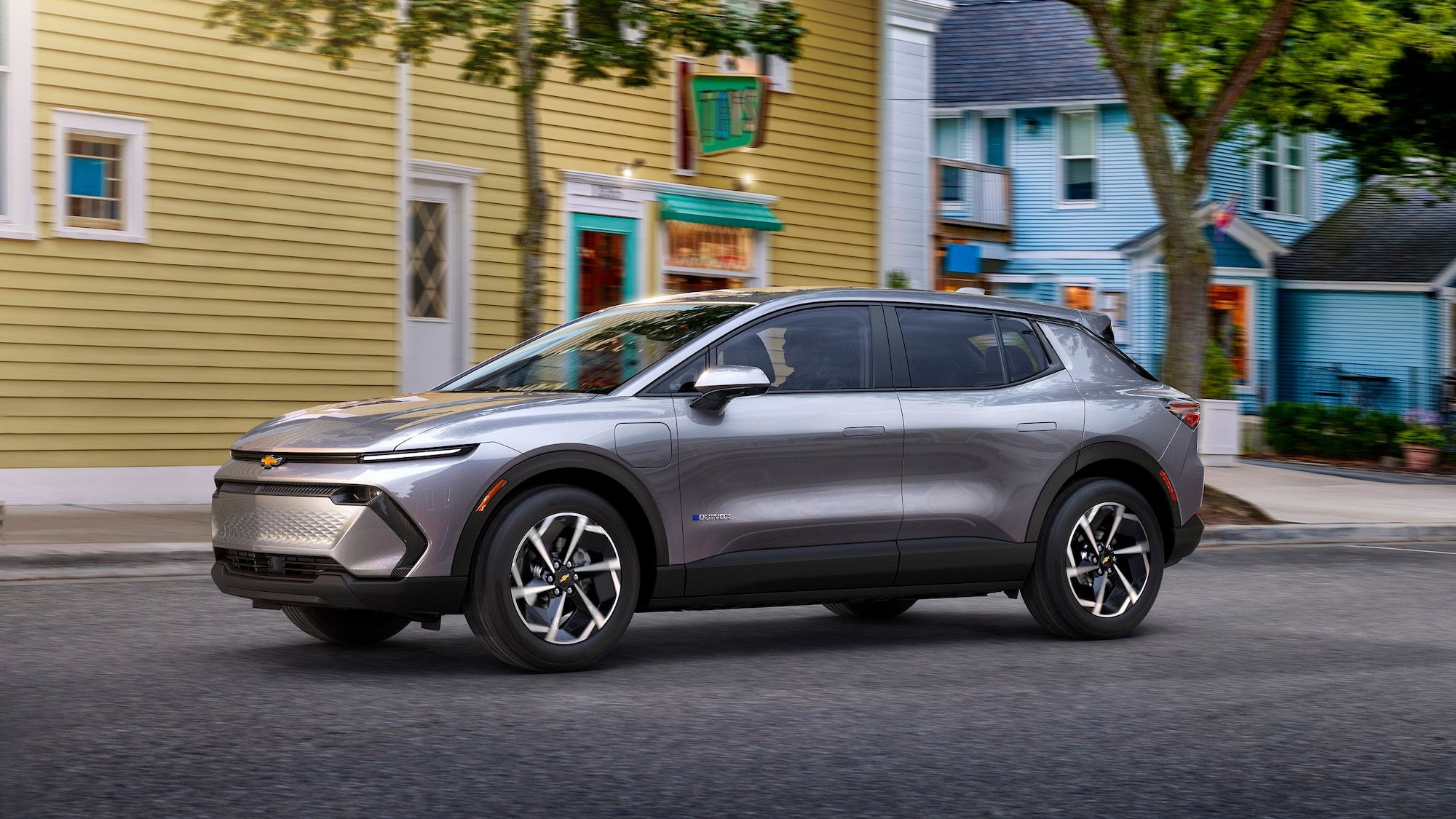
You have to admire the Chevrolet Spark EV. It may have the same gawky upright stance as the gasoline model, and certainly costs a lot more, but its specification suggests GM has put a lot of efford into its electric offering.
Europe will get to enjoy the fruits of its labor too, when the Spark EV goes on sale there in early 2014.
Making its European debut at the Geneva Motor Show next month, the car's European introduction also puts paid to the notion it's a California-only 'compliance car'.
How many Chevy can actually sell remains to be seen, but the Spark's key ingredients are all there.
Driving the front wheels is a 100 kW (130 horsepower) electric motor, which also develops an incredible 400 pounds-feet of torque. For the record, that's ever so slightly more than the Ferrari 458 supercar.
It won't perform like the Ferrari, but an estimated 0-62 mph time of around 8.5 seconds still puts it leagues ahead of a Nissan Leaf, and should make it one of the more sprightly small electric cars available.
2014 Chevy Spark EV prototype first drive
European pricing hasn't yet been announced, but in the U.S. the Spark EV will retail for under $32,500 before incentives. Those able to get the full $7,500 federal tax credit will spend under $25,000, while some owners will be able to make use of local incentives to make it even cheaper.
The Spark EV's European rivals will be similar to its U.S. competitors, though European buyers won't get the Honda Fit EV or Fiat 500E--those cars really are compliance cars.
Instead, it'll go head-to-head with the third-generation Smart Electric Drive with its low entry price, the Mitsubishi i-MiEV and Nissan Leaf--though none directly compete with the Chevy on size or specification.
The 2014 Chevy Spark EV is set to hit U.S. showrooms later this year.
+++++++++++